
What is a Turtle? Basic Turtle Identification Guide
Published on: December 4, 2025 | Last Updated: December 4, 2025
Written By: Matthew The
Have you ever seen a slow-moving, shelled animal and wondered, “Is that a turtle or something else?” It’s a common question, and from my time with pets like Austen, my gentle Russian tortoise, I know that mix-ups can happen, but getting it right helps protect these delicate creatures.
This guide will walk you through shell types, leg structures, habitats, behaviors, and identification tips in a simple, step-by-step way.
Understanding Turtles: An Introduction to Chelonia
Turtle Anatomy: The Building Blocks of Identification
Every turtle is a marvel of natural engineering, and their anatomy holds the key to identifying them. The shell, or carapace, is actually fused to their spine and ribs, making it a permanent part of their skeleton. It’s not a house they can leave. I’ve spent countless hours with my own tortoises, Austen and Bronte, observing how their unique shell shapes directly influence their movement and behavior.
Look beyond the shell to their limbs and head. Aquatic turtles often have webbed feet or even flippers for powerful swimming. My box turtle, Orwell, has stout, elephant-like legs perfect for navigating the undergrowth of his terrestrial home. The shape of the head, the position of the eyes, and the structure of the beak are all critical identification features when distinguishing different species or their natural habitat. Learn more about turtle anatomy, legs, toes, and feet.
Turtle Habitats: From Freshwater to Terrestrial Homes
A turtle’s habitat is its entire world, and its body is perfectly adapted for it. You’ll find three main categories in the pet trade and the wild.
- Aquatic Turtles: These are the swimmers, like sliders and cooters. They live most of their lives in ponds, lakes, and slow-moving rivers. Their streamlined shells and webbed feet make them agile in the water.
- Semi-Aquatic Turtles: This group, including my clever Orwell, needs both water and land. They require a setup with a dedicated swimming area and a dry basking spot to regulate their body temperature.
- Tortoises (Terrestrial): My Russian and Greek tortoises, Austen and Bronte, are land-dwellers. They have stout, column-like legs for walking and high-domed shells that are ill-suited for swimming. Placing a tortoise in deep water is incredibly dangerous, a point I always stress for their welfare.
How to Identify Turtles: A Step-by-Step Approach

Shell Shape and Structure: Your First Clue
The shell is your most immediate and reliable tool for identification. Its overall shape tells you a great deal about the turtle’s lifestyle. In turtle identification classification, shell shape helps place a turtle into broad groups, guiding further species-level ID. You can then use size, scute patterns, and coloration to refine the classification.
- Streamlined and Flattened: Think of a pancake. This shape is typical of fast-swimming aquatic turtles, reducing drag in the water.
- High-Domed and Rounded: This is the classic tortoise shape. A high-domed shell is a clear sign of a terrestrial animal, as it offers protection from predators but is cumbersome in water. Bronte’s Greek tortoise shell is a perfect, beautiful example of this.
- Intermediate and Hinged: Some turtles, like box turtles, have a hinged plastron (the bottom shell) that can close completely, sealing them inside like a box for ultimate protection.
Markings and Colors: Patterns That Tell a Story
Look closely at the patterns on the shell, head, and limbs. These are not just for show; they are a turtle’s fingerprint. In our turtle anatomy biology FAQs, these patterns are explained as clues to species and adaptation. They also address common questions about shell structure and how turtles move and breathe.
Austen’s Russian tortoise shell has a lovely mosaic of brown and tan scutes with dark, intricate markings. Bronte’s Greek tortoise shell displays a more scattered pattern of dark blotches on a golden brown background. These specific patterns are consistent within a species and are one of the most reliable ways to distinguish between them, even as juveniles.
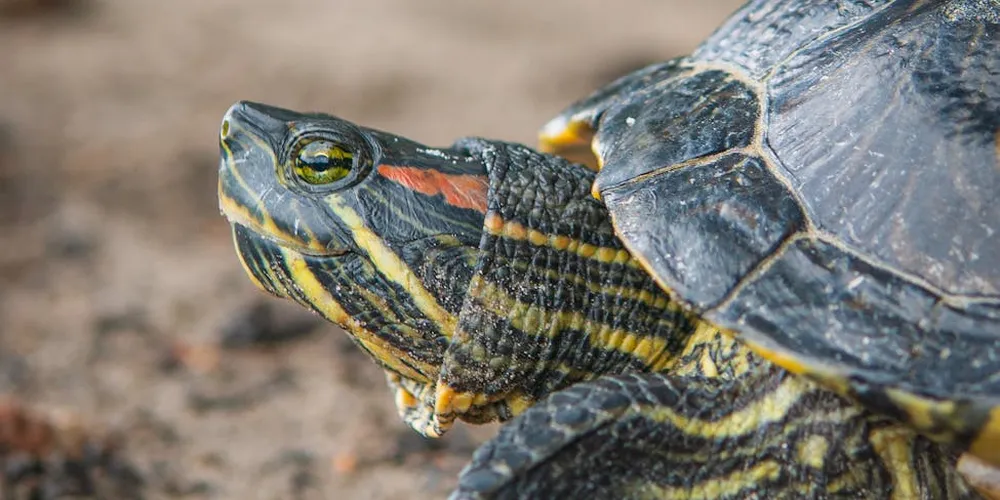
Many aquatic turtles have vibrant yellow, red, or orange stripes on their head, neck, and legs. These colors can fade or change intensity with age, but their placement is a key identifier.
Size and Physical Features: Beyond the Shell
Finally, consider the animal’s full proportions and distinctive traits. Size can narrow down possibilities significantly, from a tiny spotted turtle to a massive sulcata tortoise.
- Head and Neck: Does it have a particularly long neck? Some species, like snake-necked turtles, use this to ambush prey. Look for any distinctive bumps, ridges, or barbels on the chin.
- Limbs and Feet: Webbed feet mean a water-loving turtle. Flippers belong to the sea. Stout, scaly legs with thick claws are built for digging and walking on land, just like my tortoises use.
- Tail: The length and thickness of the tail can also be a clue, often more pronounced in males.
By combining observations of shell shape, intricate markings, and overall body features, you can confidently identify most turtles you encounter. It’s a skill that deepens your appreciation for these remarkable, ancient creatures.
Common Pet Turtle Species: A Closer Look
Getting to know the different types of turtles is like meeting new neighbors. Each species has its own personality and specific needs that make it unique. I’ve shared my home with a few, and I can tell you, life is never dull with a shelled friend around. When choosing a turtle, consider key factors like space, diet, and climate needs. Different species have different care requirements, so matching your lifestyle to their needs is essential.
Land Dwellers: Tortoise Identification
Tortoises are the gentle wanderers of the turtle world, built for a life on solid ground. My Russian Tortoise, Austen, has taught me so much about their calm, deliberate pace.
- Shell Shape: Look for a high, domed shell, much like an army helmet. This shape makes it difficult for predators to flip them over.
- Legs and Feet: Their legs are stout and column-like, ending in stump-like feet with thick claws for digging and traction.
- Diet: They are strict herbivores, thriving on a diet of leafy greens, grasses, and certain flowers.
You’ll commonly find these species as pets:
- Russian Tortoise: Small to medium-sized with a rounded, tan and brown shell. They are incredibly hardy and personable.
- Greek Tortoise: Similar in size but often has more striking dark patterns on a golden-brown shell. My Greek tortoise, Bronte, is a graceful explorer.
- Sulcata Tortoise: A giant in the making. They start small but can grow to over 100 pounds. They require immense space and a commitment spanning decades.
Always research an animal’s full adult size and lifespan before bringing one home. A pet is a long-term responsibility that deserves thoughtful consideration.
Freshwater Favorites: Identifying Aquatic Turtles
These are the turtles you picture gracefully gliding through water. They are dynamic and entertaining, but their care is more complex than many realize.
- Shell Shape: Their shells are flatter and more streamlined than a tortoise’s, allowing for easy swimming.
- Feet: Look for webbed feet with long claws. The webbing acts like flippers, while the claws help males during courtship.
- Basking Behavior: All aquatic turtles need a dry area to climb out and bask under a heat lamp. This is essential for their health.
Here are a few popular aquatic species you might encounter:
- Red-Eared Slider: Identified by the bright red stripe behind each eye. They are active and can grow to about 12 inches, needing a very large tank.
- Painted Turtle: A beautiful native species with a dark shell and vivid red and yellow markings along its neck, legs, and tail.
- Musk Turtle: A smaller, often feisty turtle known for producing a musky odor when startled. They are mostly aquatic and excellent climbers.
A proper aquatic setup is not just a tank of water; it’s a complete ecosystem with filtration, heating, and UVB lighting. UVB lighting is essential for turtles because it enables vitamin D3 synthesis and calcium metabolism. Setting up the UVB correctly is critical to prevent metabolic bone disease and keep shells healthy. Getting this right is the key to a healthy, happy turtle.
Turtle Diets and Behaviors: Clues for Identification
Observing Turtle Behavior: What Actions Reveal
Watching a turtle’s daily routine offers some of the best identification clues you’ll find. Their actions are a direct reflection of their species and needs. How a turtle spends its day tells you a lot about what kind of turtle it is.
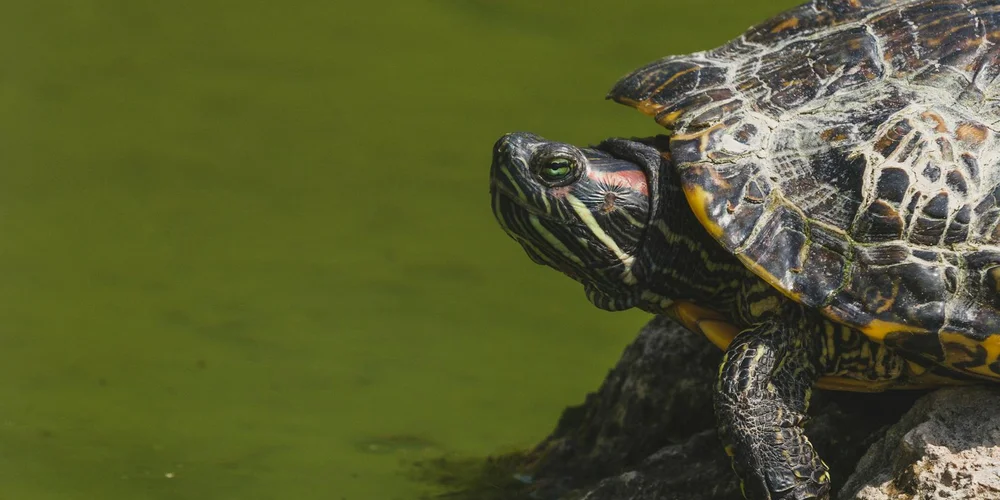
Aquatic turtles, like sliders and cooters, are often seen doing a specific “stacking” behavior. They will climb onto a log or rock, one on top of another, to maximize their sunbathing space. My Russian Tortoise, Austen, would never do this; he prefers his solitary spot on a flat stone. This stacking is a near-sure sign of a highly aquatic species.
Pay close attention to their swimming style. Some turtles are clumsy swimmers, paddling with effort. Others are graceful and powerful. A turtle that swims effortlessly and spends most of its time in the water is built for that life. A turtle that seems awkward in deep water is likely more terrestrial, like a box turtle.
Basking habits are another major giveaway. Most turtles need to bask, but the duration and posture vary. Aquatic turtles will stretch their legs and neck out fully to absorb maximum heat. My box turtle, Orwell, takes shorter, more cautious basks, often partially hidden. A turtle that rarely basks might be a nocturnal species or one that prefers cooler, shadier environments.
Dietary Habits: You Are What You Eat
A turtle’s diet is a powerful identification tool, closely linked to its anatomy and habitat. The food a turtle naturally gravitates towards is a direct window into its evolutionary design.
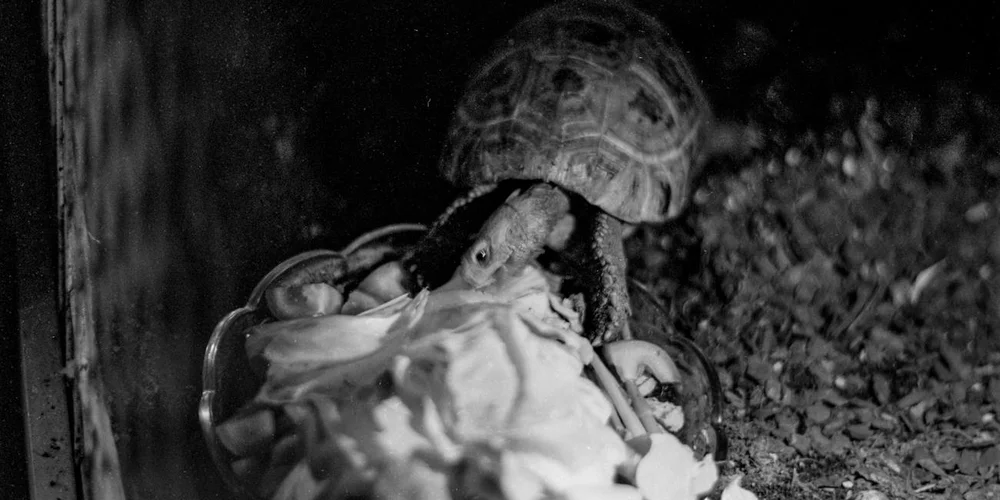
Primarily herbivorous turtles, like many tortoises, have strong, flat beaks for crushing and shearing tough vegetation. My Greek Tortoise, Bronte, meticulously grazes on leafy greens and edible flowers. If you observe a turtle steadily munching on grasses and plants, you’re likely looking at a species adapted to land.
Omnivorous turtles have a more varied diet that changes with age. Young aquatic turtles often need more protein for growth, hunting insects and small fish. As they mature, their diet typically shifts to include more plants. This life-stage dietary shift is very common in popular pet species like Red-Eared Sliders.
Primarily carnivorous turtles, like Snapping Turtles, have sharp, hooked beaks designed for grabbing and tearing prey. They are ambush predators. You won’t see them peacefully grazing. Their powerful jaws and aggressive feeding style are clear identifiers. Always advocate for animal welfare by researching a species’ specific dietary needs before considering it as a pet.
Here is a quick guide to common dietary types:
- Herbivores: Tortoises, some terrestrial turtles. Eat grasses, leaves, flowers, and certain fruits.
- Omnivores: Box Turtles, many aquatic turtles. Eat a mix of insects, worms, fish, and aquatic plants.
- Carnivores: Snapping Turtles, Softshell Turtles. Primarily eat fish, insects, amphibians, and sometimes carrion.
Turtle Identification Table: Species at a Glance
Spotting different turtle species starts with their shells and behaviors, much like recognizing old friends by their unique quirks. In my decade with Austen, Bronte, and Orwell, I’ve seen how shell colors and temperaments make identification feel like a gentle puzzle.
| Common Name | Shell Pattern | Temperament |
|---|---|---|
| Russian Tortoise | Brown and tan with dark markings | Gentle and steady |
| Greek Tortoise | Golden brown with dark blotches | Graceful and thoughtful |
| Box Turtle | Dark brown with yellow patterns | Reserved but intelligent |
Notice how shell hues whisper stories of their origins, from earthy russets to sun-kissed golds. Matching a turtle’s look to its personality ensures you meet its needs, a small step toward compassionate pet care. In a well-planned habitat, decorate with naturalistic elements like basking docks, driftwood, and plants to mirror their native terrain. This approach supports both aesthetic appeal and healthy, natural behavior.
Conservation and Responsible Pet Turtle Care
Caring for a turtle is a beautiful, long-term promise, one that connects your home to the wider world of wildlife conservation. Every responsible pet turtle owner plays a direct role in protecting wild populations.
My Russian Tortoise, Austen, was a rehomed pet, and seeing him thrive solidified my belief in ethical acquisition. Many turtle species face threats from habitat loss and the illegal pet trade. That perspective also raises the question: are ethical considerations involved in keeping a pet turtle? It reminds us that responsible ownership means providing proper housing, diet, and veterinary care, and choosing turtles sourced from reputable, legal channels.
Ethical Sourcing is Non-Negotiable
Always know where your turtle comes from. Choosing the right source protects ecosystems.
- Adopt, Don’t Shop: Countless turtles need new homes through reptile rescues and shelters.
- Reputable Breeders: Seek out breeders who prioritize animal health and can provide detailed history.
- Avoid Wild-Caught: Purchasing wild-caught turtles devastates natural populations and often results in stressed, sick animals.
Creating a Thriving Habitat
A proper enclosure isn’t just a box; it’s a complex ecosystem you manage. My turtles’ personalities truly emerged once their habitats were perfected. To keep that ecosystem thriving, avoid common terrestrial turtle tortoise enclosure mistakes.
A thoughtfully designed habitat is the single most important factor for your turtle’s long-term health and happiness.
| Habitat Component | Why It Matters | Personal Tip |
|---|---|---|
| Ample Space | Turtles need room to roam, dig, and explore for mental and physical stimulation. | I use the “10 gallons per inch of shell” rule as a starting point, then go bigger. |
| Proper Heating & UVB Lighting | Essential for digestion, shell health, and overall metabolic function. | My Greek Tortoise, Bronte, basks directly under her lamp every morning without fail. |
| Balanced Diet | Species-specific nutrition prevents metabolic bone disease and shell deformities. | My box turtle, Orwell, loves his earthworms, but they’re a treat, not a staple. |
Your Role as a Guardian
Caring for a turtle is a quiet, observant practice. You learn their rhythms and quirks over years.
- Commit to Their Lifespan: Many turtles live for decades. Be prepared for a lifetime of care.
- Find a Reptile-Savvy Veterinarian: Establish care before an emergency arises.
- Practice Biosecurity: Always wash your hands after handling your turtle or cleaning its habitat to prevent the spread of salmonella.
Your thoughtful care ensures a captive turtle lives a full, healthy life, reducing the demand on wild populations. It’s a profound responsibility, but also an incredible joy.
FAQs
How do I identify a sea turtle?
Sea turtles have large, paddle-like flippers and a streamlined, non-retractable shell adapted for ocean life. Their size and flipper structure clearly distinguish them from freshwater or land turtles.
What are the key characteristics of sea turtles compared to other turtles?
Sea turtles possess flat, hydrodynamic shells and flippers instead of webbed feet, making them efficient swimmers in open water. They rarely leave marine environments, unlike semi-aquatic turtles that bask on land.
Can sea turtles be kept as pets?
No, sea turtles are protected under international laws and cannot be kept as pets due to their endangered status and specialized needs. Removing them from the wild is illegal and harmful to conservation efforts. Understanding sea turtle biology and conservation is crucial for appreciating why they must remain in their natural habitats.
What are some common sea turtle species and how to tell them apart?
Green Sea Turtles have a smooth, heart-shaped carapace, while Loggerheads feature a large head and strong jaws. Hawksbill Turtles are recognized by their overlapping shell scutes and hooked beak.
Why is it important to correctly identify sea turtles?
Accurate identification aids in conservation by helping track species populations and report illegal activities. It also prevents misidentification that could lead to improper handling or habitat disruption.
Your Next Steps in Turtle Care
Correctly identifying your turtle ensures you can provide the right environment and diet from the start. Focus on shell characteristics and behavior patterns, much like I do with Austen, my gentle Russian tortoise, to guide your care decisions. Understanding shell anatomy—carapace, plastron, and scutes—helps you assess growth and health. This turtle shell biology informs hydration, nutrition, and injury prevention as you tailor care.
Always prioritize your pet’s well-being by staying curious and informed about their evolving needs. Responsible ownership grows from a commitment to lifelong learning and adapting, which enriches both your life and your turtle’s.
Further Reading & Sources
- Turtle ID Guide
- Turtle Identification Guide – Discover Life
- Turtle Identification Guide: ID Any Species by Shell & Traits (2025 In Depth Guide) – All Turtles
- How to Identify Turtles
Matthew is a dedicated turtle enthusiast and conservationist with over 15 years of experience in reptile care. Known affectionately as "The Leatherback" among his peers, he combines his passion for turtles with a commitment to educating pet owners on responsible turtle care and environmental stewardship.
Understanding Turtle Behavior