
Painted Turtle Cost: Your Real-World Price & Care Budget
You’re probably wondering not just what a painted turtle costs to buy, but how much it truly costs to care for one properly for its entire life-and that’s the smartest question you can ask. I learned this the hard way with my first Russian tortoise, Austen; the little guy in the pet store was affordable, but creating a proper habitat was a whole different story.
This guide walks you through the full financial picture: initial setup (tank, heater, filter, lights), monthly costs (food, utilities), and those essential, often surprising, veterinary expenses. Getting this right from the start is the kindest thing you can do for your future shelled friend.
The Initial Purchase: What to Pay for a Painted Turtle
You might see painted turtles for as little as twenty dollars at a pet store. That initial price tag can feel like a gentle wave, but it’s just the first ripple in a pond of responsibility. I learned this with my turtles; adopting Orwell, my box turtle, cost less than buying from a breeder and gave him a needed home. Prices vary from thirty to one hundred dollars based on age, subspecies, and source.
Younger turtles often cost less, but they need more care as they grow. Consider adoption from a reptile rescue-it’s a compassionate choice that supports animal welfare directly. You give a turtle a second chance, and many rescues provide health checks, which saves you future vet bills.
Look beyond the price. A healthy painted turtle has clear eyes, active movements, and a smooth shell without soft spots. If you choose a breeder, ask about the turtle’s history and diet. My experience with Austen and Bronte taught me that a good start means fewer problems later. Investing in a healthy turtle from the beginning is like planting a strong seed-it grows into a thriving companion.
Building the Perfect Habitat: One-Time Setup Costs
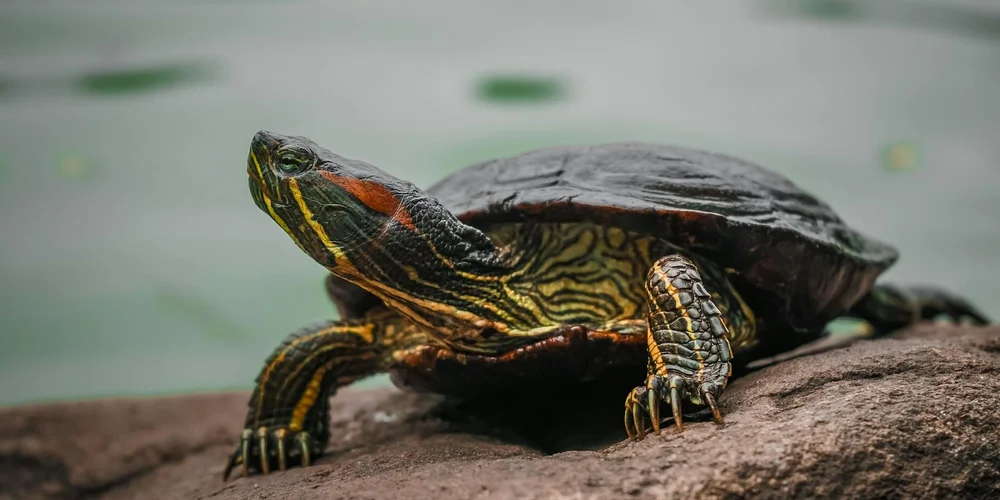
Setting up a home for your painted turtle is where costs truly anchor. Think of this habitat as a miniature ecosystem you craft, one that mirrors the calm lakes they love. It’s a one-time investment that ensures their well-being for years. I’ve spent hours perfecting enclosures for my turtles, and it’s always worth every penny.
Choosing the Right Aquarium and Enclosure
A painted turtle needs space to swim and bask. Start with at least a 40-gallon tank for one young turtle, but plan for 75 gallons or more as an adult. Size matters for turtles; a tank that’s too small can hinder growth and activity. For more information on tank sizes, visit this page. Plan for a tank that accommodates growth and provides space to swim and bask. Glass aquariums are common, but sturdy plastic tubs can work too. Costs range from fifty to two hundred dollars depending on size and material.
Here’s a quick list of enclosure options:
- Standard glass aquarium: Easy to find, good for viewing, but heavy.
- Stock tank: More affordable, durable, and often larger for growing turtles.
- Custom-built enclosure: Higher cost, but perfect for specific spaces.
Bigger is always better-it reduces stress and mimics their natural environment. With Orwell, I upgraded his space twice, and each time his personality shone brighter.
Essential Systems: Filtration, Heating, and Lighting
These systems are the heart of your turtle’s home. Neglecting them is like sailing without a compass; you’ll drift into health issues quickly. Budget around one hundred to three hundred dollars for quality equipment. It’s a upfront cost that pays off in cleaner water and a happier turtle.
Water Filtration for a Healthy Tank
Turtles are messy eaters. A strong filter keeps the water clear and safe, preventing shell rot and respiratory infections. I use a canister filter for my aquatic setups—it’s efficient and quiet, like a steady ocean current. Look for filters rated for two to three times your tank’s volume. For turtle habitats, you’ll often compare canister vs internal filters. Canister filters handle larger tanks with strong filtration and quiet operation, while internal filters are compact and easier to hide.
- Canister filters: Best for large tanks, cost $80-$150.
- Power filters: Good for smaller setups, $30-$70.
- Sponge filters: Affordable and gentle, but need frequent cleaning.
Clean water isn’t a luxury; it’s a necessity for their delicate skin and shell health. Change part of the water weekly to maintain balance.
The Warmth They Need: Basking Lamps and Heaters
Painted turtles are cold-blooded. They rely on external heat to digest food and stay active, much like sunbathing on a rocky shore. A basking lamp creates a warm spot around 90°F, while a water heater keeps the tank at 75-80°F. Together, they cost $40-$100. That’s part of a complete painted turtle basking platform setup, guided by a lighting and temperature plan. A UVB lamp can supplement the basking light to support shell health and digestion.
From my time with Bronte, I know warmth affects mood. Use a thermostat with your heater to avoid dangerous temperature swings. It’s a small tool that prevents big problems. Choose ceramic heat emitters or incandescent bulbs for basking, and always secure lamps safely above the tank.
Non-Negotiable Light: UVB Lighting Setup
UVB light is crucial for calcium metabolism. Without it, turtles can develop soft shells and metabolic bone disease, a painful condition I’ve seen in rescues. This is why proper UVB setup for turtles is critical. A UVB bulb should cover the basking area and be replaced every six to twelve months, even if it still lights up. Position the lamp so the UVB rays reach the basking spot at the right distance and angle. Costs are $30-$60 per bulb.
- Fluorescent UVB tubes: Spread light evenly, good for larger areas.
- Compact UVB bulbs: Fit standard lamps, but check the coverage.
- Mercury vapor bulbs: Provide heat and UVB, but need careful placement.
Pair UVB with a timer for consistent day-night cycles, mimicking the natural rhythm of sunlight. Your turtle will thank you with strong bones and vibrant energy. Turtles typically need both UVB lighting and a heat source to stay healthy. A heat lamp provides a warm basking area, while UVB supports calcium metabolism and strong bones.
Finishing Touches: Substrate and Decor
Substrate and decor turn a tank into a home. These elements encourage natural behaviors and reduce boredom, like adding stones to a stream for texture. Budget $20-$50 for these items. I use smooth river rocks and driftwood in my setups-they’re safe and easy to clean.
Here are some options:
- Substrate: Large gravel or sand that can’t be swallowed. Avoid small pebbles.
- Basking platform: Cork bark, floating docks, or stacked rocks work well.
- Hiding spots: PVC pipes or clay pots provide security and enrichment.
Always choose non-toxic materials that won’t leach chemicals into the water. Watching Austen explore new decor reminds me how these touches boost their well-being. Advocate for animal welfare by creating a stimulating environment-it’s a silent promise of care.
The Monthly Rhythm: Food and Routine Care Expenses
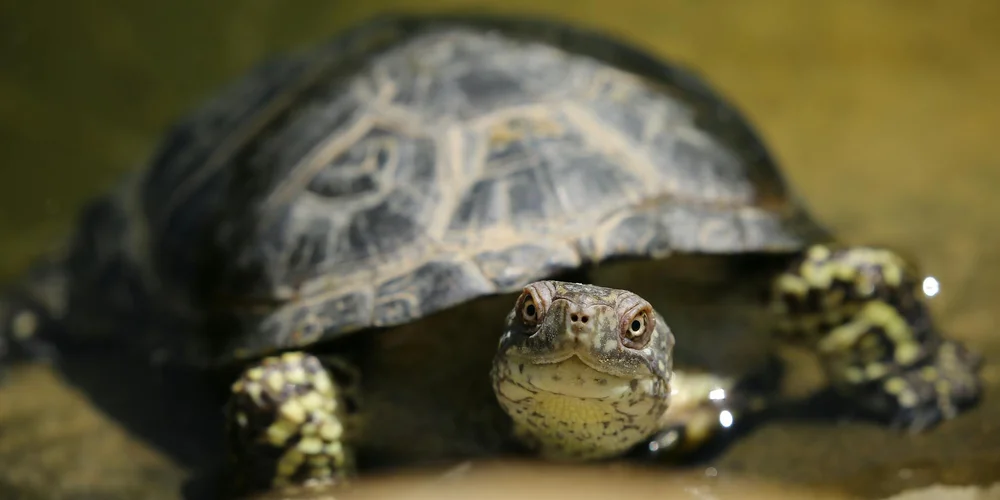
Think of these costs like the steady tide, a predictable ebb and flow you can plan for each month. Setting aside a consistent amount for food and upkeep prevents surprises and keeps your turtle’s world stable. My own tortoises, Austen and Bronte, taught me that a regular routine is the bedrock of a contented shelled life.
Feeding Your Painted Turtle: Pellets, Live Foods, and Supplements
Your painted turtle’s menu is a vibrant mix of textures and nutrients. Variety isn’t just the spice of life; it’s the cornerstone of their health. I balance Orwell’s meals between commercial foods and fresh finds, and your painted turtle will thrive on a similar mix. When weighing turtle food versus live food, the key is balance rather than a winner-takes-all approach. A thoughtful blend can deliver steady nutrition and natural foraging enrichment.
Here’s a typical monthly breakdown for one turtle:
- High-Quality Pellets: A staple diet. A container lasts months, but budgeting $5 to $10 monthly smooths out the cost.
- Live Foods: Earthworms, crickets, and feeder fish. This is where joy meets nutrition. Watching them hunt live prey engages their natural instincts, which is a welfare must. Allocate $10 to $15.
- Fresh Greens & Veggies: Dandelion greens, romaine, and shredded carrot. My bunch shares from my kitchen, costing maybe $5 a month.
- Calcium & Vitamin Supplements: A light dusting on food twice a week. This simple step is your best defense against metabolic bone disease. A bottle lasts ages, so $2 to $3 monthly is plenty.
Skip the monotony of one food type. Rotating their diet mimics the diverse buffet they’d find in a slow-moving creek.
Ongoing Maintenance: Substrate, Water, and Electricity
This is the quiet hum of the habitat, the background costs that keep everything clean and warm. Neglecting these areas quietly stresses your turtle, so see them as non-negotiable kindness.
Monthly, you’ll navigate these currents:
- Substrate Replacement: River pebbles or large gravel need rinsing, but sand might be replaced partially each month. Set aside $5 to $10.
- Water Conditioner & Filter Media: Tap water is a poison soup of chlorine to them. Always use a dechlorinator; it’s as vital as air to us. With filter cartridges, budget $8 to $12.
- Electricity for Heat and Light: Their sun comes from a bulb. A UVB/UVA lamp and water heater add roughly $10 to $15 to your utility bill. That warm basking spot is their personal beach, essential for digestion and shell health.
Listen to the equipment. A failing filter doesn’t just get noisy; it lets waste build up, clouding their world with ammonia. I learned this the hard way with a cloudy tank years ago.
Investing in Health: Vet Care and Annual Checkups
Veterinary care is the deep anchor for your turtle’s long voyage. Finding an exotics vet before an emergency is the single smartest thing you can do. My first vet visit with Austen caught a minor parasite issue early, saving us both future stress. To prepare for your turtle’s first vet visit, pick an experienced exotics vet and book an initial check soon. Bring notes on diet, housing, and any concerns you’ve observed.
Plan for these health investments:
- Annual Wellness Exam: A thorough check of shell, eyes, weight, and a fecal test. This typically costs $75 to $150. Think of it as a yearly systems check for a quiet, aging submarine.
- Emergency Fund: Shell repairs, respiratory infections, or surgeries can cost hundreds. I stow away $20 a month in a dedicated “shell fund” for peace of mind.
- Preventative Costs: This includes those supplements and proper lighting already mentioned. Prevention is always cheaper than the cure.
Ask your vet about common painted turtle ailments. Knowledge turns worry into prepared, calm action when your turtle seems off. Watch for signs your turtle needs vet care, such as persistent lethargy, loss of appetite, swelling, or shell changes. If you notice any of these, schedule a visit promptly. Their health is a slow, steady investment that pays back in decades of companionship.
Planning for the Long Swim: Lifetime and Unexpected Costs
Calculating Annual and Long-Term Totals
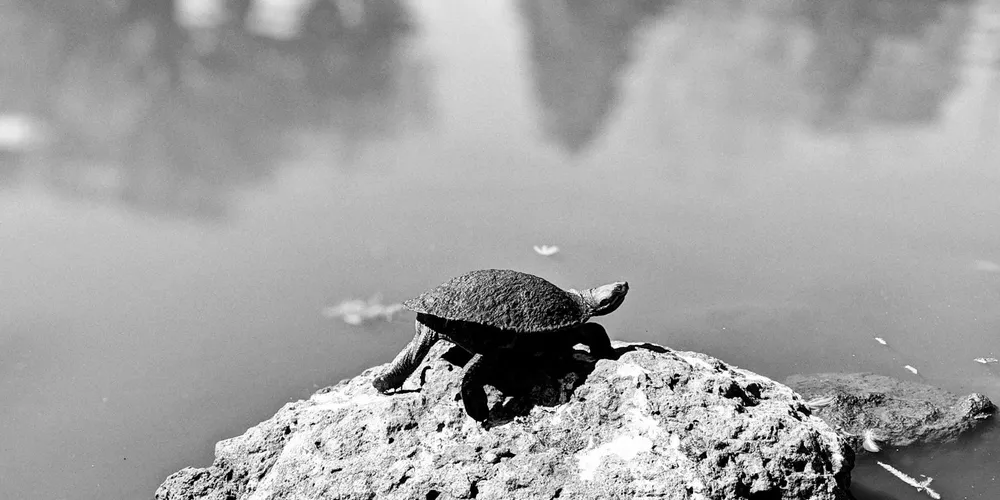
Let’s map out the yearly financial currents for your painted turtle. I’ve cared for Austen, my Russian tortoise, for a decade, and those steady expenses taught me to plan. Your painted turtle’s annual budget flows from four main streams: food, utilities, habitat maintenance, and health checks.
Food costs vary with appetite and quality. A juvenile might eat daily, while an adult enjoys meals every other day. I spend about $15 monthly on fresh greens, pellets, and the occasional protein treat for my crew. High-quality nutrition prevents costly health issues down the river.
Utilities are the silent current. Your heat lamp, UVB light, and water heater run constantly. My setup for Orwell, the box turtle, adds roughly $10 to my electric bill each month. Proper lighting and warmth are non-negotiable for shell health and metabolism.
Here is a simple annual snapshot for one painted turtle:
- Food: $180 (fresh greens, commercial pellets, occasional treats)
- Utilities: $120 (electricity for heating, lighting, and filtration)
- Habitat Supplies: $100 (water conditioners, substrate, filter media)
- Routine Veterinary Care: $50 (annual check-up, fecal exam)
Painted turtles can swim through life for 25 years or more. Over a 20-year span, even conservative estimates place basic care well over $9,000. This commitment mirrors the long, gentle lives of my own shelled friends. In captivity, the average lifespan of painted turtles is commonly measured in decades, often 25–30 years or more with proper care. This longevity underscores the lifelong responsibility of turtle ownership.
Budgeting for Surprises: Gear Replacement and Emergencies
The peaceful hum of a filter can stop without warning. Budgeting for surprises keeps your turtle’s world stable. I learned this when Bronte’s heat emitter cracked one chilly evening, requiring an immediate replacement.
Gear wears out. Plan for these replacements every year or two:
- UVB Bulbs: Essential for calcium metabolism; replace every 6-12 months.
- Water Pump or Filter: Motors fatigue; budget for a new unit every 18-24 months.
- Heating Elements: Heaters and basking lamps can fail; have a spare on hand.
Emergencies ripple through your finances fast. A respiratory infection or shell injury needs quick veterinary attention. Setting aside $20 monthly builds a $240 emergency fund in a year, a lifeline for sudden storms.
Animal welfare means preparing for their needs, not just our desires. My friend Orwell once needed an X-ray for a suspected impaction, a $200 visit. That experience cemented my rule: always keep a turtle-care fund separate from everyday money. It lets you act without panic, ensuring your painted turtle gets the calm, consistent care it deserves. Building an emergency fund for turtle vet care helps you cover exams and emergencies without delay. Even small monthly contributions can grow into a cushion for meds and unexpected injuries.
FAQs
How does the cost of painted turtle care vary by season?
Electricity for heating and lighting often increases in colder months, raising utility bills. Seasonal availability can also shift prices for fresh foods like leafy greens and live insects.
Where can I find affordable painted turtles locally?
Check local reptile rescues or shelters for adoption options, which typically include health checks. Comparing prices at reputable breeders or specialty pet stores in your area can also yield cost-effective choices.
What is a painted turtle hostel, and how does it impact expenses?
A painted turtle hostel is usually a rescue or temporary boarding facility that cares for turtles. Adopting from such a place can reduce initial costs, as they often cover basic veterinary care and setup essentials.
Your Journey with a Painted Turtle
Getting your shelled friend means planning for both the upfront price of the turtle and its habitat and the steady, lifelong costs of food, equipment, and vet care. A thoughtful budget that looks years ahead is the kindest first step you can take for your future pet.
Caring for a turtle is a long-term promise of learning and adaptation, much like my own journey with Austen and Bronte. Embrace the ongoing education; your commitment to understanding their needs is what transforms simple care into true, enriching companionship.
Further Reading & Sources
- Eastern Painted Turtle for Sale | Reptiles for Sale
- Painted turtles for sale online | Buy baby painted turtle near me
- Western Painted Turtles for sale | The Turtle Source
- Eastern Painted Turtle Babies For Sale | American Reptile Distributors
Matthew is a dedicated turtle enthusiast and conservationist with over 15 years of experience in reptile care. Known affectionately as "The Leatherback" among his peers, he combines his passion for turtles with a commitment to educating pet owners on responsible turtle care and environmental stewardship.
Aquatic Turtles