
The 7 Biggest Myths About Turtle Brumation and Hibernation
Published on: March 26, 2026 | Last Updated: March 26, 2026
Written By: Matthew The
If you’ve ever lain awake worrying that your turtle might not survive its winter slowdown, you’re caught in a common trap of misinformation that plagues many pet owners.
We’ll tackle myths about temperature confusion, feeding mishaps, duration errors, health monitoring, indoor versus outdoor care, species-specific needs, and waking procedures.
Brumation vs. Hibernation: Clearing the Confusion
Many people use the words brumation and hibernation as if they are the same thing, but they describe two very different biological processes. Understanding this distinction is the first step to providing proper care for your pet turtle during the colder months.
Hibernation is a state of deep sleep seen in mammals. Their body temperature drops significantly, and their metabolism slows to a near standstill. They survive on stored fat reserves and do not wake to eat, drink, or eliminate waste.
Brumation, specific to reptiles like turtles, is more like a long, deep dormancy. Their metabolism slows down, but they do not enter a true state of sleep and can be roused by external changes. My Russian tortoise, Austen, will occasionally shift position or even take a small sip of water during his brumation period, which always reminds me he’s still in there. For readers seeking a complete guide to turtle brumation and hibernation, this covers what to expect and how to handle it. You’ll also learn how to monitor their condition and intervene safely if needed.
This difference matters for you as a pet owner. A brumating turtle still needs access to fresh water and a stable environment, whereas a hibernating mammal is best left completely undisturbed.
| Aspect | Brumation (Reptiles) | Hibernation (Mammals) |
|---|---|---|
| Metabolism | Slows significantly, but not completely | Slows to a near standstill |
| Activity Level | Periodic waking for water; minimal movement | Continuous deep sleep; no waking |
| Duration | Varies by species and climate; weeks to months | Typically for the entire winter season |
| Energy Source | Stored fat; may occasionally process minimal food/water | Exclusively stored body fat |
| Species Examples | Many tortoises, box turtles, aquatic turtles | Bears, ground squirrels, bats |
Environmental Triggers and Species-Specific Misconceptions
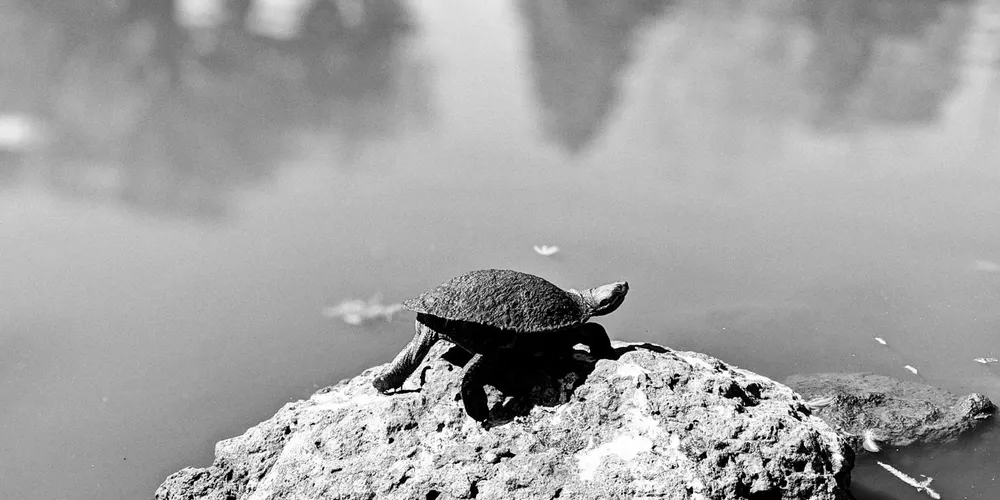
A common myth is that a simple drop in temperature automatically signals a turtle to brumate. In reality, brumation is triggered by a complex combination of shorter daylight hours, dropping temperatures, and often, barometric pressure changes. It’s a symphony of environmental cues, not a single note.
Another major misconception involves replicating wild conditions exactly. In the wild, a turtle can burrow deep into the earth to find a stable, moist microclimate. Your job in captivity is to create a safe, controlled version of this, not a perfect replica of the forest floor. The substrate must hold moisture without becoming soggy, and the enclosure must be secure from pests and temperature swings that a wild turtle could simply dig away from.
Let’s clear up some of the most persistent false beliefs.
- Myth: All turtle and tortoise species brumate.
- Truth: Many tropical species, like Red-footed tortoises, do not brumate and will become ill if forced into it.
- Myth: Brumation is a one-size-fits-all process.
- Truth: Every species has different needs. My Greek tortoise, Bronte, requires a slightly drier and cooler brumation setup than my Box turtle, Orwell, who needs more ambient moisture.
- Myth: Turning off the lights and letting the tank get cold is sufficient.
- Truth: This is dangerous. You must gradually reduce temperatures and photoperiod over several weeks and provide a proper brumation hide or box with the correct humidity.
- Myth: A brumating turtle doesn’t need any check-ups.
- Truth: You should periodically and gently weigh your turtle to ensure it isn’t losing weight too rapidly, which signals a problem.
From my own experience, my Russian tortoise, Austen, begins to slow down when our household light cycle naturally shortens in the fall, even with consistent heat from his lamp. This taught me that light is just as powerful a trigger as temperature, something I never would have learned from temperature data alone. My Greek tortoise, Bronte, is even more sensitive and will stop eating almost precisely on the autumn equinox each year, a graceful and predictable rhythm I’ve come to respect deeply.

Behavioral Myths: Activity, Sleep, and Emergence
Many turtle owners believe their pets sleep nonstop through brumation, but that’s far from true. Turtles often wake up briefly to adjust their position or even take a small drink, which is completely normal and not a sign of trouble. During winter brumation behavior, this pattern of brief wakefulness is a normal part of their hibernation behavior. It helps them regulate temperature and metabolism while staying mostly dormant. I’ve seen my own tortoises, like Orwell, stir occasionally during his cycles, reminding me they’re still aware of their surroundings.
Actual signs of emergence include increased movement, slight weight shifts, and occasional eye-opening. You should monitor for consistent breathing, no drastic weight loss, and gradual returns to activity over days or weeks. Watch for any sudden lethargy or labored breathing, as those could indicate health issues needing attention.
Step-by-Step Guide to Recognizing Normal vs. Abnormal Behavior
- Check for occasional movement: Normal behavior includes shifting spots or brief awakenings every few days.
- Observe breathing patterns: Steady, slow breaths are good; raspy or fast breathing is a red flag.
- Note weight stability: Use a scale weekly-minor fluctuations are fine, but rapid loss isn’t.
- Look for environmental responses: A healthy turtle might react to light or sound changes.
- Assess emergence pace: Gradual activity increase over a week is normal; sudden bursts or none at all aren’t.
From my years with Orwell, the box turtle, I recall one brumation where he’d poke his head out every so often, just to check things out. This taught me that turtles aren’t in a deep coma but in a state of lowered metabolism, allowing for natural breaks in rest. It’s a gentle reminder to trust their instincts and not panic over small movements.
Nutritional and Hydration Falsehoods
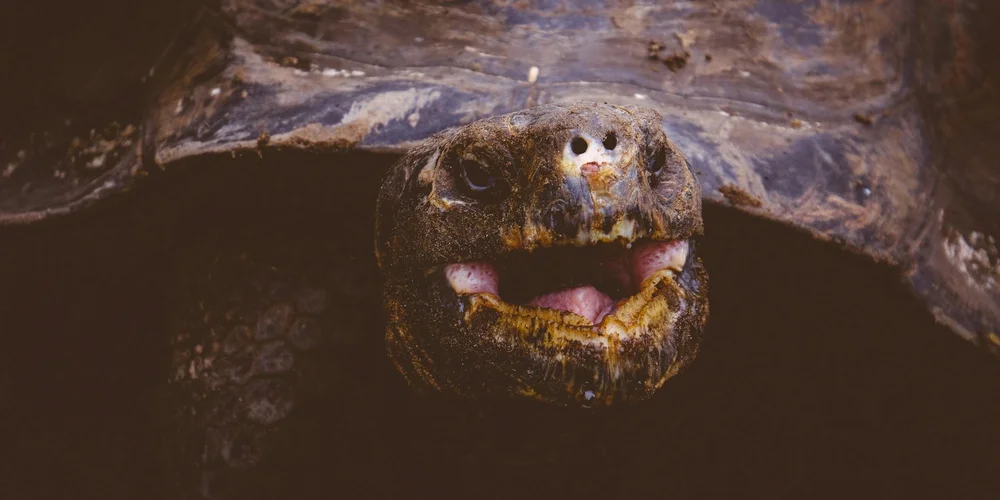
A common myth is that turtles starve or dehydrate severely during brumation, but they’re adapted to handle this period with minimal intake. Turtles don’t typically eat or drink much during brumation, but they rely on stored reserves and may take tiny sips if water is available. I’ve learned this the hard way with Bronte, my Greek tortoise, who once showed signs of mild dehydration because I assumed she needed no water at all.
Proper hydration practices involve offering shallow water dishes and ensuring humidity levels are stable. Risks of improper care include kidney issues or shell problems, so always provide access to fresh water in a safe, spill-proof container. Based on my experiences, I now make it a habit to check on hydration weekly, even during dormancy.
Steps for Pre-Brumation Feeding and Hydration Checks
- Increase hydration: Offer water-rich foods like cucumbers or soaked greens in the weeks leading up to brumation.
- Monitor weight: Weigh your turtle regularly to ensure they’re at a healthy starting point.
- Provide a soak: Give a warm, shallow bath a day or two before brumation begins to boost hydration.
- Check enclosure humidity: Maintain levels around 50-70% to prevent drying out.
- Observe for readiness: Look for reduced appetite and activity as natural cues to start the process.
Animal welfare is paramount here, as I’ve seen how neglect can lead to suffering. By following these steps, you’re respecting their natural cycles while preventing avoidable harm, much like how I adjusted care for Austen after a scare with low hydration. It’s all about balancing their wild instincts with compassionate oversight.
Safety and Health Risks in Captive Brumation
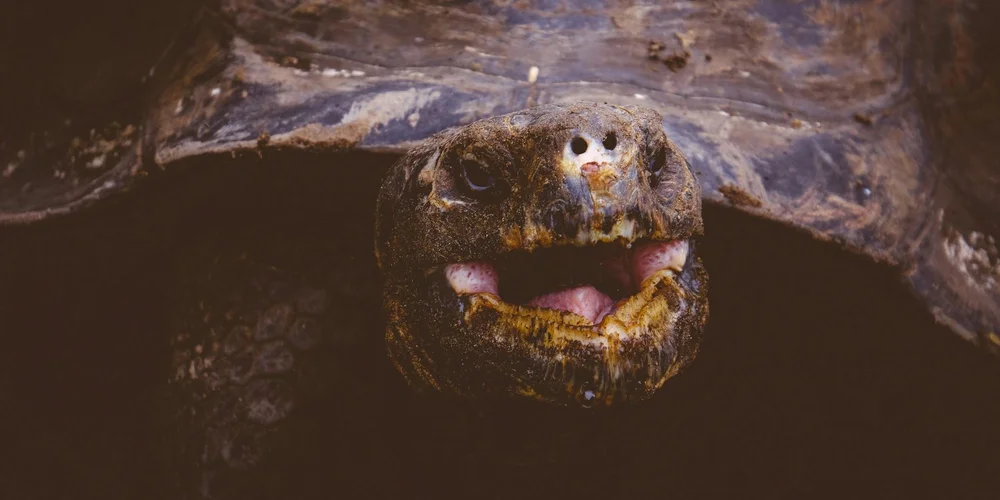
Many turtle owners believe that brumation is a simple, natural process with little risk, but this is one of the most dangerous myths to believe. Brumation is a significant physiological stressor, and for a turtle that is not in perfect health, it can be fatal. I’ve learned through hard experience that it’s never an automatic decision. A careful risk-benefit analysis should guide whether brumation is appropriate for your pet turtle. When considering brumation, owners should weigh health indicators, species specifics, and climate needs, ideally consulting a reptile veterinarian.
Brumation is not always necessary for pet turtles. The idea that you must force your turtle to brumate every year is simply untrue. For many captive turtles, especially those from inconsistent climates or with unknown health histories, skipping brumation is the safer choice. It is far better to have an active, healthy turtle year-round than a sick one you tried to put to sleep. (Learn more about why some turtles shouldn’t be brumated).
When Brumation is Unsafe
You should never attempt brumation if your turtle shows any of these signs:
- Weighs less than the ideal healthy weight for its species and size
- Has any signs of a respiratory infection, like bubbly nostrils or wheezing
- Has not been eating well in the weeks leading up to the proposed brumation period
- Shows any lethargy or unusual behavior not tied to seasonal changes
- Has an unresolved shell or skin injury
Signs of Illness: When to Call the Vet
During brumation, you must perform regular, gentle health checks. Any of these signs warrant an immediate call to your reptile veterinarian:
- Noticeable weight loss over a short period
- Sunken or closed eyes
- A foul or unusual odor
- Discharge from the nose, eyes, or mouth
- An unnaturally soft shell
Trust your instincts; if something feels off, it’s better to err on the side of caution and warm your turtle up slowly for a veterinary assessment.
A Personal Story with Bronte
My Greek tortoise, Bronte, is typically graceful and thoughtful, but one year she stopped eating earlier than usual. I assumed she was preparing for brumation. A pre-brumation vet visit revealed a minor parasite load that we would have missed. That simple checkup prevented a disaster, as brumating with that underlying condition could have overwhelmed her system. Now, a wellness check is a non-negotiable first step in our annual routine.
Proper Preparation and Habitat Setup
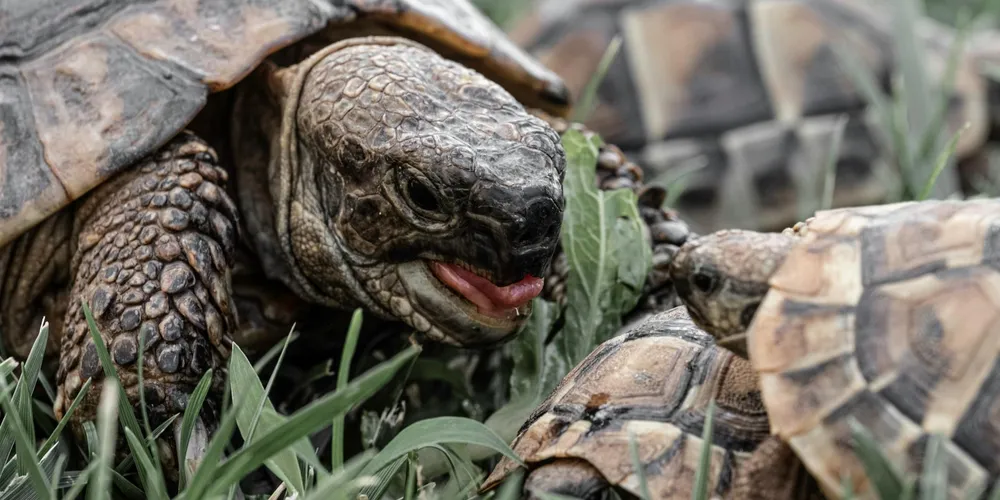
A pervasive myth suggests you can force a turtle to brumate by simply making its environment cold. This is a recipe for illness. Brumation is a hormonally-driven process, not one you can trigger by flipping a switch. The environmental changes you make should support a natural inclination, not create a shocking, stressful situation. To support a healthy brumation, create an ideal brumation environment for your turtle with stable temperatures, appropriate humidity, and minimal disturbance.
Here is a step-by-step guide to acclimating your turtle and setting up a safe brumation habitat, using the principles I follow for my own tortoises. This guide also explains how to prepare your pet turtle for brumation safely, including when brumation is appropriate and how to monitor your turtle during the process. You’ll learn practical steps to get your turtle ready for brumation and keep its environment stable and secure.
Step-by-Step Acclimation and Setup
1. The Pre-Brumation Fast
About 2-3 weeks before the temperature drop, stop offering food. This is critical to ensure the gut is completely empty, preventing food from rotting inside them during dormancy. Continue to provide warm soaks for hydration during this period.
2. Choosing the Right Enclosure and Substrate
Do not brumate your turtle in its main aquarium or terrarium. Use a separate, well-ventilated plastic tub or insulated box.
- Substrate: I use a slightly moist mix of topsoil and sphagnum moss for my Russian tortoise, Austen. It holds humidity well without being wet.
- Depth: Provide enough substrate for your turtle to bury itself completely if it wishes. This provides security and helps buffer temperature fluctuations.
3. Mastering Moisture and Temperature Control
This is the most delicate part of the process.
- Location: The brumation enclosure must be in a dark, quiet place where temperatures can be consistently maintained between 40-50°F (4-10°C). A garage or basement often works, but always verify with a thermometer.
- Humidity: The substrate should feel cool and slightly damp to the touch, but never soggy. Low humidity can cause deadly dehydration, while high humidity can promote shell rot. I lightly mist Austen’s substrate every few weeks if it feels dry.
4. Monitoring Without Disturbance
Resist the urge to check on your turtle daily. Weigh your turtle once every 3-4 weeks to monitor for significant weight loss. Do this quickly and gently, returning them to their brumation spot immediately. No feeding, no lengthy soaks, and no warming up during this check.
Lighting and Temperature Gradients are for Waking, Not Sleeping
During brumation, all heat and UVB lights are turned off. The entire purpose is to simulate a cool, dormant winter period. When it’s time to wake your turtle, you will reverse the process: gradually increase ambient temperatures over a week, then reintroduce them to their main habitat with proper basking and UVB lighting to restart their metabolism.
FAQs
How can I ensure my turtle is healthy enough to start brumation?
Schedule a veterinary check-up to confirm there are no underlying health issues like parasites or infections. Your turtle should be at a stable, healthy weight and have shown normal eating behavior before the brumation period begins. Consider a quick monthly health check at home and note any concerns to discuss with the vet during visits. Tracking changes in weight, appetite, shell condition, and activity can help you monitor your turtle between check-ups.
What should I do if my turtle wakes up and seems active during brumation?
Brief periods of activity are normal, so observe for any signs of distress but avoid unnecessary handling or feeding. If the turtle remains active for an extended time or shows symptoms like weight loss, gradually warm it up and seek veterinary advice.
Is it necessary to brumate juvenile turtles?
Juvenile turtles typically do not require brumation and can thrive with consistent, year-round care to support their growth. Forcing brumation on young turtles can lead to health risks, so it’s safer to skip it unless advised by an expert.
Caring for Your Turtle Through Brumation
Your turtle’s well-being depends on recognizing that brumation is a natural, individual process, not a one-size-fits-all event. Look for common signs that your turtle is entering brumation, such as reduced activity and appetite, or longer periods of rest. If you observe these signs, do not force activity and consult a reptile-savvy veterinarian to create a safe plan tailored to your specific pet’s health and species.
Responsible turtle ownership is a lifelong journey of observation and adaptation, much like the slow, steady pace of the animals we care for. Stay curious, keep learning, and your dedication will be rewarded with a healthier, happier companion for years to come.
Further Reading & Sources
- Brumation in Turtles and Tortoises | Taking Caring of Reptiles
- Turtle Brumation: The Benefits & Dangers Of The Hibernation Cycle
- Turtles Don’t Hibernate, They Brumate. | PBS North Carolina
- 7 Turtle Hibernation Facts You Haven’t Heard Before! | by Muntaseer Rahman | Medium
Matthew is a dedicated turtle enthusiast and conservationist with over 15 years of experience in reptile care. Known affectionately as "The Leatherback" among his peers, he combines his passion for turtles with a commitment to educating pet owners on responsible turtle care and environmental stewardship.
Turtle Myths and Misconceptions