Why Leatherback Sea Turtles Are Endangered
You might be worried about the fate of leatherback sea turtles, those ancient ocean wanderers whose numbers are shrinking before our eyes. Having cared for turtles like Austen, my gentle Russian tortoise, I’ve seen firsthand how even small changes in their environment can impact their well-being.
This article explores the key reasons: habitat destruction, pollution, climate change, and human activities.
Meet the Leatherback: A Unique Ocean Giant
Unlike my Russian and Greek tortoises who amble across the lawn, leatherbacks are built for epic, open-ocean journeys. Their sheer size is staggering, with adults often reaching over six feet in length and weighing up to 2,000 pounds. I’ve cared for many shelled friends, but nothing prepares you for the scale of this species.
Their most famous feature is right in their name. Instead of a hard, bony shell like my box turtle Orwell, they have a tough, rubbery carapace with seven distinct ridges running its length. It feels more like firm leather than brittle bone. The carapace is a fused skeleton—formed by ribs and spine and covered with keratinous scutes. Those scutes grow with the turtle and are a central feature of shell biology. This flexible shell and their powerful, paddle-like flippers make them incredible swimmers, capable of diving deeper than any other turtle.
Their diet is another marvel. While my tortoises graze on leafy greens, leatherbacks are jellyfish specialists. Their mouths and throats are lined with backward-pointing spines, perfectly designed to trap slippery jellyfish. Witnessing this unique adaptation in nature documentaries always reminds me how exquisitely evolution tailors a creature to its niche.
The Stark Reality: Leatherback Endangered Status
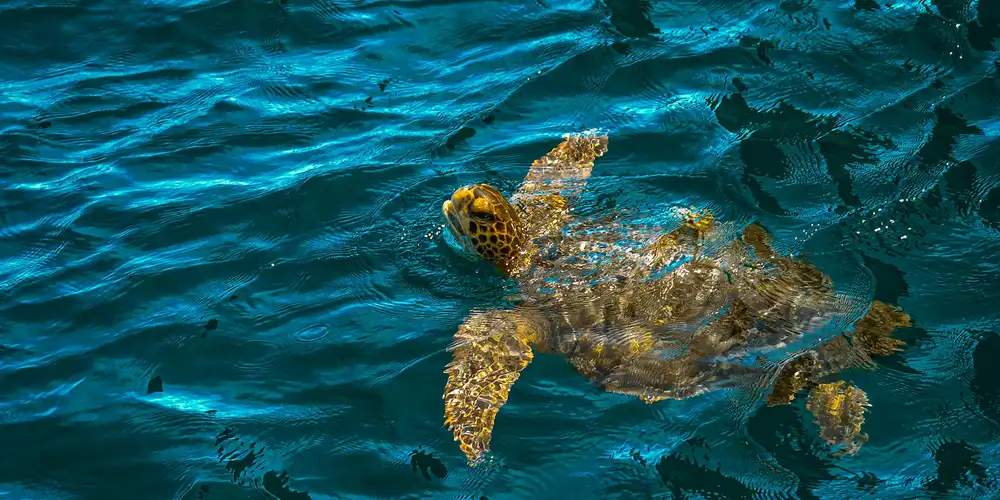
The International Union for Conservation of Nature (IUCN) lists the leatherback sea turtle as Vulnerable globally, with some specific subpopulations, like those in the Pacific, considered Critically Endangered. This classification means they face a very high risk of extinction in the wild. The numbers are sobering; Pacific leatherbacks have declined by over 80% in the last three generations. For a broader view, the leatherback sea turtle species information provides details on biology, habitat, and conservation needs.
The threats they face are numerous and interconnected. From my perspective in animal care, seeing these pressures laid out is a heartbreaking checklist of human impact.
- Fisheries Bycatch: Accidental capture in fishing gear, especially longlines and gillnets, is a primary cause of adult mortality. They drown, unable to surface for air.
- Habitat Loss: Coastal development destroys the sandy beaches where females nest, while artificial lighting disorients both adults and hatchlings.
- Climate Change: Rising sand temperatures can skew hatchling sex ratios, producing mostly females and jeopardizing future reproduction.
- Pollution & Plastic: They often mistake floating plastic bags for jellyfish. Ingesting this plastic can cause fatal internal blockages.
- Direct Harvest: In some regions, their eggs are still collected for human consumption, and adults are sometimes taken for their meat and oil.
Each of these threats alone is significant, but their combined effect creates a perfect storm that pushes this ancient species toward the brink. Protecting them requires a global effort that addresses every link in this chain of endangerment.
Bycatch in Fisheries: A Major Threat
Imagine a giant, ancient creature gliding through the open ocean, only to be caught in a wall of netting it never saw. This is the grim reality for countless leatherbacks, who become unintended victims, or ‘bycatch,’ in commercial fishing operations. I’ve spoken with marine biologists who’ve seen the aftermath, and the scale is staggering.
Leatherbacks are particularly vulnerable to two main types of gear:
- Gillnets: These nearly invisible curtains of netting are set adrift to catch fish. A leatherback, however, can become entangled while swimming and, unable to surface for air, drowns.
- Longlines: These fishing lines can stretch for miles, baited with thousands of hooks. Turtles going for the bait get hooked in their throats or flippers, leading to severe injury or death.
For a species that reproduces slowly, losing even a few mature adults each year is a devastating blow to the population. The global nature of fisheries means this is not an isolated problem but a persistent, ocean-wide threat.
Plastic Pollution: The Deadly Diet Confusion
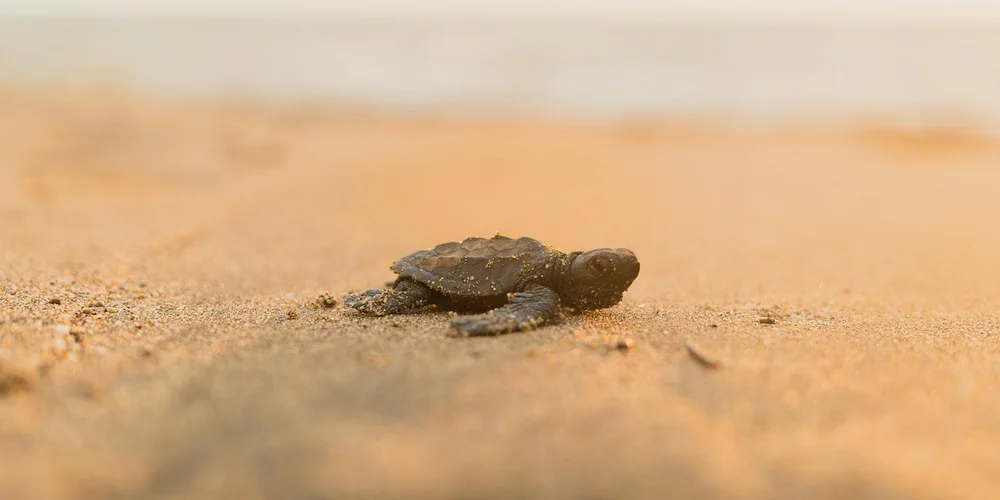
A leatherback’s primary food is jellyfish. Now, picture a floating plastic bag from your perspective underwater. Its shape, texture, and movement mimic a jellyfish almost perfectly, creating a fatal case of mistaken identity. Do leatherback and flatback sea turtles eat wild prey? In the wild, leatherbacks mostly eat jellyfish, while flatbacks rely on a varied diet of soft invertebrates and seagrasses. Having cared for turtles for years, I know how determined they can be when they spot a meal.
Once ingested, plastic does not digest. It creates a false sense of fullness and leads to malnutrition and starvation.
- Plastic blocks their digestive tracts, preventing nutrient absorption.
- Toxic chemicals from the plastic leach into their systems, causing internal poisoning.
- Sharp plastic fragments can cause internal tears and infections.
This isn’t just about bags. Balloons, bottle caps, and other plastic debris are all commonly found in the stomachs of deceased leatherbacks. Every piece of plastic that enters the ocean has the potential to become a deadly meal for these gentle giants.
Nesting Habitat Loss and Human Disturbance
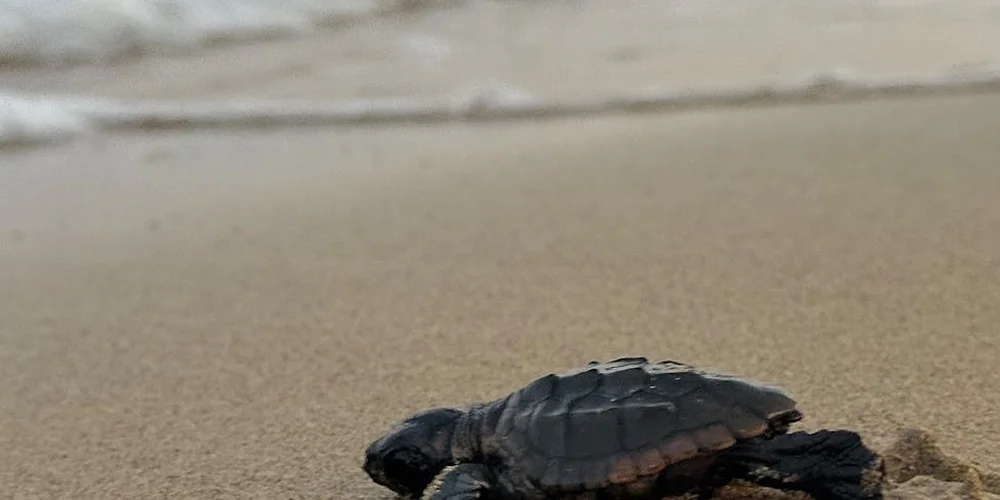
Leatherback sea turtles rely on quiet, undisturbed beaches to lay their eggs, but human activities are shrinking these precious spaces. Coastal development and tourism often destroy or alter the sandy shores where these giants nest, leaving them with fewer safe spots to reproduce. I’ve seen how even my pet tortoises, like Austen and Bronte, need a calm environment to thrive, and it’s heartbreaking to imagine wild leatherbacks facing constant disruptions. Proper substrate—sand texture, moisture, and looseness—plays a crucial role in whether they can successfully dig a nest and hide their eggs. When beaches are eroded or overly compacted, digging can be challenging and nest success declines.
Common disturbances include bright lights from buildings, which disorient hatchlings, and foot traffic that crushes nests. Light pollution can lead baby turtles away from the ocean, drastically reducing their survival chances right from the start. In my own care routine, I ensure my turtles have dim, natural lighting to mimic their instincts, highlighting how sensitive these creatures are to their surroundings. For practical care, follow a quick habitat diagnosis checklist covering lighting, heat, and water. That way, your setup supports perfect lighting, heat, and water conditions.
- Beach erosion from construction and sea walls
- Noise and human presence scaring nesting females
- Pollution like plastic debris blocking nest sites
Advocating for animal welfare means supporting beach conservation efforts and reducing our footprint. Simple actions, like keeping beaches clean and respecting nesting areas, can make a world of difference for leatherbacks and other sea turtles. From my experience with Orwell, who enjoys a secluded hideaway, I know that a little space and respect go a long way in preserving turtle habitats.
Climate Change Impacts on Leatherback Survival
Rising global temperatures are reshaping the world leatherbacks call home, with effects that ripple through their entire lifecycle. Warmer sands on nesting beaches can skew the sex ratio of hatchlings, leading to more females and fewer males, which threatens population balance. Caring for my tortoises has taught me how temperature controls their behavior and health, making this issue feel personal and urgent.
Sea level rise and stronger storms are eroding nesting sites, while ocean acidification affects their jellyfish prey. Changes in prey availability force leatherbacks to travel farther for food, increasing their energy expenditure and risk of starvation. I’ve noticed similar sensitivities in my pets; for instance, Bronte’s appetite shifts with slight environmental changes, reminding me how delicate these balances are.
- Higher nest temperatures causing fatal overheating of eggs
- Altered ocean currents disrupting migration routes
- Reduced jellyfish populations due to climate shifts
Protecting leatherbacks requires addressing climate change through collective action. Supporting policies that reduce carbon emissions and promote marine sanctuaries can help safeguard these ancient mariners for future generations. My journey with pet turtles has deepened my commitment to animal welfare, urging me to speak up for all turtles, big and small.
How You Can Support Leatherback Conservation
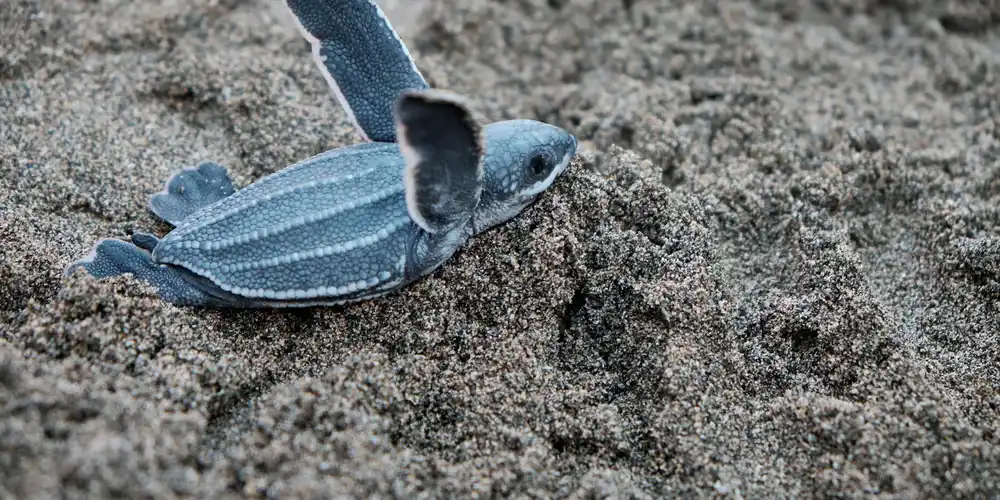
As a turtle enthusiast who has cared for species like Austen, my gentle Russian Tortoise, and Bronte, my graceful Greek Tortoise, I’ve learned that protecting all turtles starts with small, intentional actions. Your love for pet turtles can ripple out to support endangered giants like the Leatherback Sea Turtle, even if you’ve never seen one in person. Through my own journey, I’ve found that conservation isn’t just for scientists-it’s something we can all embrace in our daily lives.
Reduce Plastic Use in Your Home and Community
Leatherbacks often mistake plastic bags for jellyfish, their main food, leading to fatal blockages. Switching to reusable bags and containers not only helps your pet turtle’s wild cousins but also creates a healthier environment for all animals. I started this habit after noticing how much plastic waste accumulated from Orwell’s, my Box Turtle, habitat supplies-it’s a simple change with a big impact.
- Choose reusable water bottles and food storage to cut down on single-use plastics.
- Participate in local beach or park clean-ups to remove debris that harms marine life.
- Avoid products with microbeads, which can enter waterways and be ingested by turtles.
Support Reputable Conservation Organizations
Donating time or funds to groups focused on sea turtle protection amplifies your efforts. I’ve volunteered with organizations that monitor nesting sites, and it’s deepened my appreciation for how collective action saves lives. Look for groups with proven track records in research and habitat preservation.
- Research and donate to accredited nonprofits like the Sea Turtle Conservancy or local wildlife rescues.
- Join citizen science projects to report turtle sightings or nesting events in your area.
- Advocate for policies that protect critical habitats from development and pollution.
Make Informed Choices as a Pet Owner
Caring for pet turtles responsibly sets a positive example for broader conservation. Ensuring your turtles, like my steady Austen, are captive-bred prevents demand from wild populations that face similar threats as Leatherbacks. Ethical considerations guide whether keeping a turtle is appropriate and humane in a home setting. When done thoughtfully, it supports welfare and conservation goals. I always source my pets ethically and share this practice with fellow owners to reduce pressure on vulnerable species.
- Purchase turtles from reputable breeders who prioritize animal welfare and sustainability.
- Educate others about the dangers of releasing pet turtles into the wild, which can disrupt ecosystems.
- Support bans on the trade of endangered turtle species to curb illegal trafficking.
Spread Awareness Through Everyday Conversations
Sharing what you know can inspire others to join the cause. I often talk about Leatherback conservation at pet clubs, using stories from my own turtles to make it relatable and urgent. Your voice can turn casual chats into opportunities for change.
- Use social media to highlight conservation issues and success stories.
- Host informal talks or workshops in your community about turtle welfare.
- Encourage friends to choose eco-friendly products that benefit all wildlife.
FAQs
What is the endangered status of leatherback sea turtles in Canada?
In Canada, leatherback sea turtles are officially listed as Endangered under the federal Species at Risk Act. They are primarily sighted in Atlantic coastal waters, where efforts focus on reducing bycatch and plastic pollution to aid their recovery. You can help save endangered sea turtles by reducing plastic waste and supporting coastal conservation programs. Every small action, like participating in beach cleanups and using reusable items, helps.
How are leatherback sea turtles protected in California?
In California, leatherback sea turtles are designated as Endangered under the state and federal Endangered Species Act. Protective measures include monitoring key foraging areas and implementing fishing gear modifications to prevent accidental captures.
On which endangered species lists are leatherback turtles included?
Leatherback turtles are classified as Vulnerable on the IUCN Red List and as Endangered under the U.S. Endangered Species Act. They are also listed in CITES Appendix I, which bans international commercial trade to help conserve the species. Understanding sea turtle biology—such as life history, nesting behavior, and migratory patterns—underpins targeted conservation actions. Ongoing research informs habitat protection and bycatch reduction strategies.
How does the decline of leatherback turtles affect other marine animals?
The decline of leatherback turtles can cause jellyfish populations to surge, as they are key predators, disrupting marine food webs. This imbalance may reduce fish availability for other species, impacting overall ocean health.
Have there been any recent updates to the leatherback turtle’s conservation status?
Recent evaluations indicate that Pacific leatherback subpopulations are still Critically Endangered due to persistent threats like bycatch and habitat loss. Ongoing conservation initiatives aim to strengthen legal protections and expand marine sanctuaries for their survival.
Connecting Wild Wisdom to Home Care
Protecting leatherback sea turtles starts with reducing ocean plastic and supporting conservation efforts, which mirrors how we safeguard our pet turtles from harmful environments. In your home, creating a bio-secure environment for your pet turtle means keeping water clean and temperatures steady. By maintaining a hygienic habitat, you reduce stress and disease risk. Apply this by choosing eco-friendly products and creating safe, enriching habitats for your shelled friends, just as I do for my Russian tortoise Austen to prevent stress and illness.
Commit to lifelong learning about turtle species and their needs, as informed care prevents neglect and promotes well-being. Through caring for Bronte, my Greek tortoise, I’ve found that staying curious and updated on best practices makes you a more compassionate and effective guardian. This mindset mirrors the care aquatic turtles essential guide, which offers practical tips for both terrestrial and aquatic species. It covers habitat setup, diet, lighting, and enrichment to keep every turtle thriving.
Further Reading & Sources
- Leatherback turtles need urgent protection
- Endangered: Leatherback Sea Turtle | AMNH
- Leatherback Sea Turtle: Federally Endangered Listing Information, Alaska Department of Fish and Game
- What’s Holding Back the Leatherback? – The State of the World’s Sea Turtles | SWOT
Matthew is a dedicated turtle enthusiast and conservationist with over 15 years of experience in reptile care. Known affectionately as "The Leatherback" among his peers, he combines his passion for turtles with a commitment to educating pet owners on responsible turtle care and environmental stewardship.
Aquatic Turtles