
Why Are Sea Turtles Important to the Ecosystem?
You might be wondering why sea turtles hold such a key place in our oceans and feel concerned about how their decline could unsettle marine life.
We will cover their roles in nutrient cycling, coastal habitat support, and marine biodiversity.
Sea Turtles as Keystone Species in Marine Ecosystems
Sea turtles are true ecosystem engineers, shaping marine environments in ways that boost biodiversity and keep everything in balance. Their steady presence ensures that habitats like seagrass beds and coral reefs thrive, much like how my Russian tortoise, Austen, methodically grazes in his enclosure, maintaining plant health without overwhelming it. Watching Austen’s gentle, persistent nibbling reminds me how sea turtles perform similar roles on a grand scale, preventing overgrowth and supporting countless other species.
- Sediment stabilization: Their movements and feeding help anchor sandy bottoms, reducing erosion.
- Blue carbon storage: By promoting healthy seagrass, they aid in capturing carbon from the atmosphere.
- Nutrient cycling: They redistribute essential elements, enriching the water and soil.
Grazing and Seagrass Bed Maintenance
When sea turtles graze on seagrass, they trim the blades, encouraging new growth and preventing decay that could cloud the water. This process is like tending a garden, where careful pruning leads to lusher, more resilient plants. I see this in my Greek tortoise, Bronte, whose graceful nibbling on leafy greens keeps her habitat tidy and nutrient-rich-a small-scale version of what happens in the ocean.
- Sea turtles bite seagrass, stimulating regrowth and increasing plant density.
- Their waste returns nutrients to the sediment, fueling the seagrass cycle.
- Clearer water results, allowing sunlight to penetrate and support photosynthesis.
Coral Reef Health and Jellyfish Regulation
By preying on jellyfish and sponges, sea turtles stop these organisms from overpopulating and smothering coral reefs. This control is vital for reef resilience, preventing collapses that could ripple through the food web. Caring for my box turtle, Orwell, taught me how diet shapes environment; his selective eating helps manage small pests in his space, mirroring the broader impact of sea turtles.
- Prevents trophic cascades: Keeps predator-prey relationships stable.
- Enhances reef biodiversity: Allows corals and fish to flourish.
- Reduces competition: Gives other species room to thrive.
The Life Cycle and Migratory Impact of Sea Turtles
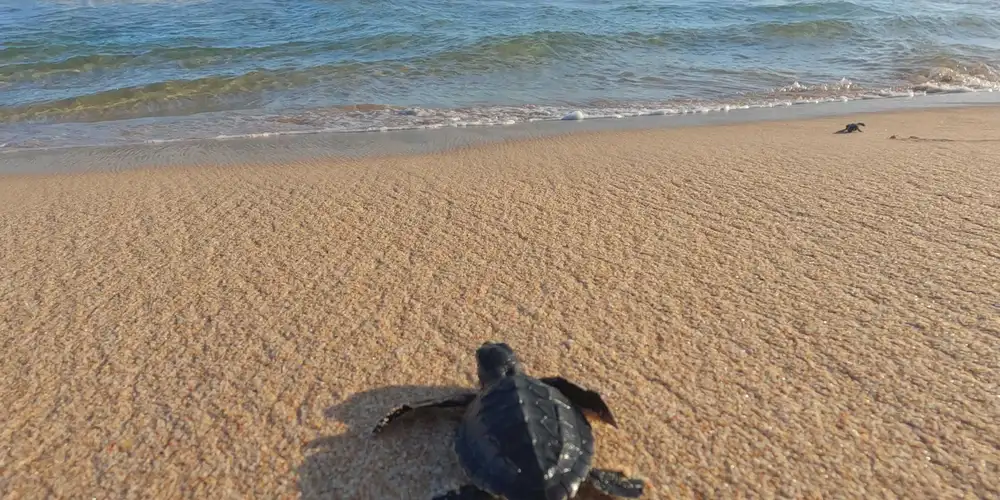
From hatchlings scrambling to the sea to adults crossing oceans, each life stage of sea turtles supports different ecosystems. Their migrations act like nutrient highways, distributing resources that nourish coastal and open ocean areas. Understanding the life cycle of sea turtles means recognizing how nesting sites, nurseries, and migration paths each contribute to their survival. This helps explain why protecting habitats across the life cycle matters. Just as my pet turtles rely on varied habitats for health, sea turtles connect environments through their journeys, highlighting why we must protect every phase of their lives.
| Life Stage | Ecological Contribution |
|---|---|
| Hatchling | Provides food for predators, supporting beach food webs. |
| Juvenile | Feeds in estuaries, aiding nutrient mixing and growth. |
| Adult | Migrates long distances, spreading nutrients and seeds. |
Nesting Beaches and Coastal Ecosystem Support
Nesting sites are more than just birthing grounds; they stabilize sediments with turtle tracks and enrich the sand with eggs and organic matter. This natural fertilization boosts dune plants, which in turn protect shores from erosion and storms. I’ve seen hints of this with my pets, like when Austen digs mock nests, reminding me how fragile these behaviors are in the wild.
- Erosion from coastal development: Destroys nesting habitats, reducing turtle populations.
- Climate change impacts: Alters sand temperatures, affecting hatchling survival.
- Light pollution: Disorients hatchlings, leading them away from the ocean.
Threats to Sea Turtle Survival and Ecosystem Dynamics
Sea turtles face serious dangers that ripple through their habitats, much like how my tortoise Bronte’s health depends on a balanced enclosure. Bycatch in fishing gear, plastic pollution choking oceans, and coastal development eroding nesting sites are pushing these ancient creatures toward decline. Climate change magnifies these threats by warming oceans and altering nesting beach temperatures. It also intensifies pollution impacts as storms spread debris and disrupt food webs.
- Bycatch unintentionally traps and kills thousands of sea turtles annually in nets and lines.
- Plastic waste, from bags to bottles, is often mistaken for food and causes internal blockages.
- Habitat loss occurs as beaches are developed for tourism or construction, destroying critical nesting areas.
- Disrupted food webs happen when sea turtle populations drop, leading to overgrowth of prey like jellyfish that then consume larval fish.
- Biodiversity loss accelerates as sea turtles no longer help maintain seagrass beds and coral reefs through their grazing and nutrient cycling.
- Ecosystem imbalances emerge, reducing resilience to climate shifts and affecting other marine species.
I remember when Austen, my Russian tortoise, struggled with a minor shell issue from an unbalanced diet, and it hit home how small neglects can spiral. That experience fueled my advocacy for animal welfare, pushing me to support beach clean-ups and spread awareness about sustainable fishing, showing how pet care lessons can inspire broader conservation actions.

Climate Change and Its Effects on Nesting
Rising temperatures are reshaping sea turtle nesting in ways that echo the careful climate control I use for Orwell’s habitat. Understanding sea turtle nesting and hatching seasons helps explain how incubation timing depends on sand temperature and seasonality. It also clarifies how researchers track nesting cycles to protect critical hatch windows. Warmer sands skew hatchling sex ratios, producing mostly females and threatening genetic diversity, while storm surges and erosion compromise beach integrity.
- Monitor local temperature trends to understand how warming might affect nesting sites in your region.
- Support dune restoration projects that protect beaches from erosion and buffer against sea-level rise.
- Reduce personal carbon footprints by using energy-efficient appliances and advocating for renewable energy policies.
- Participate in citizen science programs that track nesting data and help researchers adapt conservation strategies.
Pollution and Habitat Alteration
Plastic pollution and microplastics infiltrate sea turtles’ foraging grounds, much like how I ensure Bronte’s food is free of contaminants. These pollutants cause starvation, entanglement, and toxin buildup, disrupting entire marine ecosystems.
- Reduced grazing areas occur as plastic debris smothers seagrass beds, limiting food for herbivorous species.
- Coral reef damage from pollution decreases shelter and breeding sites for countless marine organisms.
- Altered migration patterns happen when turtles avoid polluted zones, leading to overcrowding in safer areas.
- Bioaccumulation of toxins in the food chain affects predators and humans who rely on seafood.
Conservation Efforts and How Pet Turtle Owners Can Help
Your role in pet turtle care can directly support sea turtle survival, just as I’ve seen with Austen and Bronte thriving under mindful attention. Start by adopting habits that mirror responsible pet ownership, like minimizing waste and choosing eco-friendly products. Small daily choices can help protect nesting beaches and reduce ocean pollution. They contribute to saving endangered sea turtles.
- Reduce plastic use by switching to reusable bags and containers, cutting down on ocean-bound trash.
- Support protected marine areas through donations or volunteering, helping preserve critical habitats.
- Advocate for stricter fishing regulations to decrease bycatch and promote turtle-safe practices.
- Educate your community about sea turtle importance, using social media or local events to spread the word.
Watching Bronte methodically explore her enclosure reminds me of sea turtles’ graceful movements in the wild. By applying the patience and care I give her, I’ve joined beach patrols to safeguard nests, proving that small, consistent actions foster big changes.
Connecting Pet Turtle Care to Wild Conservation
Understanding your pet’s needs for a clean habitat and varied diet builds empathy for wild sea turtles’ struggles. Just as I adjust Austen’s environment to mimic natural conditions, protecting ocean ecosystems requires similar attention to detail and prevention of harm. Creating a bio-secure habitat for a pet turtle means maintaining clean water, proper filtration, and quarantining new tank mates. That same diligence in home care echoes the mission to protect wild seas from harm.
- Learn about sea turtle biology and threats to better explain their plight to others in simple terms.
- Join or donate to marine conservation groups like Sea Turtle Conservancy, focusing on research and advocacy.
- Volunteer for local clean-ups or nesting surveys to gain hands-on experience and inspire community involvement.
- Share stories of your pet turtles, like how Orwell’s reserved nature teaches respect for wild animals’ space, to make conservation relatable.
FAQs
Which ecosystems do sea turtles rely on during different life stages?
Sea turtles use beaches for nesting as hatchlings, then transition to estuaries and open oceans as juveniles and adults. These ecosystems offer critical resources like food and shelter throughout their development. Sea turtles must surface to breathe air, which influences how they move between nesting beaches, estuaries, and the open ocean. Their habitats must provide safe surface access and well-oxygenated waters for respiration.
How do sea turtle migrations affect nutrient distribution in coastal and marine environments?
Migrating sea turtles transport nutrients from feeding grounds to nesting sites, enriching both coastal and open ocean areas. They migrate to move between rich feeding grounds and nesting beaches where they reproduce. This nutrient redistribution supports plant growth and sustains diverse marine life.
How does bycatch in fisheries impact sea turtle populations and ecosystem dynamics?
Bycatch causes significant sea turtle mortality, reducing their numbers and disrupting predator-prey balances in marine food webs. This decline can lead to overpopulation of jellyfish and other prey, harming ecosystem stability.
What conservation strategies are effective for protecting sea turtle habitats?
Establishing marine protected areas and enforcing turtle-safe fishing gear help safeguard critical habitats from human activities. Community efforts like beach clean-ups and nesting monitoring also enhance conservation outcomes. Understanding sea turtle biology—nesting behavior, migration routes, and hatchling survival—helps tailor these actions for long-term conservation.
How do plastic pollution and microplastics affect sea turtles and their ecosystems?
Plastic debris can be mistaken for food by sea turtles, leading to ingestion, blockages, and starvation in individuals. It also smothers seagrass beds and introduces toxins, degrading habitats and affecting other marine species.
Your Journey in Turtle Guardianship
Through caring for my tortoises Austen and Bronte, I’ve found that every turtle, wild or pet, plays a vital role in nature’s web. Are ethical considerations keeping pet turtles in mind when choosing a companion? Responsible sourcing and proper housing matter as much as conservation. Support sea turtle conservation by reducing plastic use and opting for captive-bred pets to ease pressure on wild populations.
Commit to lifelong learning about your pet’s needs, from diet to habitat, to mirror the care sea turtles deserve. An essential guide for land and aquatic turtles offers practical care tips. It helps you tailor your turtle’s habitat, diet, and enrichment. Staying curious and informed ensures your turtle lives a full, healthy life while honoring their wild cousins.
Further Reading & Sources
- Why Are Sea Turtles Important – SEE Turtles – SEE Turtles
- Why are sea turtles important to the environment? | Olive Ridley Project
- IOTN36-06-THE ROLES OF SEA TURTLES IN ECOSYSTEM PROCESSES AND SERVICES | IOTN
- Why Healthy Oceans Need Sea Turtles | Oceana
Matthew is a dedicated turtle enthusiast and conservationist with over 15 years of experience in reptile care. Known affectionately as "The Leatherback" among his peers, he combines his passion for turtles with a commitment to educating pet owners on responsible turtle care and environmental stewardship.
Aquatic Turtles