
How to Tell if Your Turtle is Pregnant
You might be noticing unusual behaviors in your turtle and worrying she could be pregnant, a common concern I’ve faced with my own shelled friends over the years.
In this article, we’ll explore key signs of turtle pregnancy, behavioral shifts, physical changes, care tips, and when to consult a vet.
Common Signs Your Turtle Might Be Pregnant
-
Physical changes can be subtle but telling. Belly swelling often makes her abdomen look rounder and firmer, almost like she’s carrying little treasures inside. From my experience with Orwell, my box turtle, I noticed his underside seemed fuller during potential gravid periods, which is common in females.
-
Weight gain is another clue; she might feel heavier when you lift her gently. I’ve used a small scale to track Bronte’s weight, and even a few extra grams can hint at eggs developing. Cloacal swelling, where the area near her tail appears puffy, is a key sign of pregnancy in turtles.
-
Behavioral shifts are just as important. Nesting behavior includes her searching for soft spots to dig, much like Austen, my Russian tortoise, who would pace her enclosure when ready. Digging in substrate is a natural instinct; she’s preparing a safe place for her eggs.
-
Increased basking helps regulate her body temperature for egg development. You might see her spending more time under the heat lamp, soaking up warmth to support the growing eggs inside. Appetite changes vary; some turtles eat more for energy, while others lose interest due to hormonal shifts.
-
Hormonal influences drive many of these changes, affecting her mood and activity. I’ve observed that hormonal fluctuations can make turtles like Bronte more restless or focused on nesting, so patience is key. This is a key part of her turtle nesting cycle, as she seeks a safe spot to lay eggs. Providing a calm, undisturbed environment supports successful nesting. Always prioritize her comfort and avoid stressing her during this sensitive time.
How to Confirm Turtle Pregnancy at Home

-
Start with gentle palpation to feel for eggs. Wash your hands and lightly press along her lower abdomen; if she’s pregnant, you might sense small, firm bumps like marbles. I’ve done this with Orwell, moving slowly to avoid startling him, and it helped confirm what I suspected.
-
Observe nesting site preferences by noting where she digs or lingers. She may favor moist, sandy areas, so provide a suitable spot and watch for repeated activity there. In my setup, I’ve seen turtles return to the same corner, signaling their intent to lay eggs. Understanding where turtles lay eggs is a core part of the essential guide ‘Where, Why Do Turtles Lay Their Eggs’. This knowledge helps explain nesting choices and how to protect these critical sites.
-
Monitor for stress signs like hiding, refusing food, or rapid breathing. If she shows any distress, stop your checks immediately to keep her safe and calm. From caring for my tortoises, I know that pushing too hard can harm their well-being, so always err on the side of caution.
Veterinary Methods for Diagnosing Turtle Pregnancy
If you notice changes in your turtle’s behavior or appearance, a vet visit can provide clear answers. Seeking professional help ensures your turtle’s health and safety during this delicate time. Look for common red flags that indicate a vet is needed, such as lethargy, appetite loss, shell changes, or breathing trouble. If you notice any of these signs, don’t wait—book a vet visit promptly. From my years caring for Austen, Bronte, and Orwell, I’ve seen how vet insights prevent guesswork and stress.
- Schedule a vet check if your turtle shows persistent digging, reduced appetite, or abdominal swelling that lasts over a week. Ultrasound or X-ray imaging is best used when home signs are unclear or if your turtle seems distressed. I brought Bronte in for an ultrasound when she started refusing her favorite greens, and it confirmed she was gravid without any invasive procedures.
- Vets gently palpate the pelvic area to feel for egg development and may use imaging to count eggs and check their placement. They assess pelvic bone flexibility, which often widens slightly to allow egg passage, indicating advanced pregnancy stages. With Orwell, my box turtle, the vet noted his reserved nature made palpation tricky, so an X-ray gave a full view of egg maturity.
- Diagnosis varies by species due to shell shape, size, and breeding habits. Russian tortoises like Austen have flatter shells that make ultrasound easier, while box turtles’ domed shells might require angled X-rays for accuracy. Always share your turtle’s species and history with the vet to tailor the approach.
Duration and Egg Details in Turtle Pregnancy

Understanding the timeline and egg specifics helps you prepare for a smooth experience. Pregnancy length depends on species, environment, and individual health, so patience is key. In my care, each turtle has taught me unique lessons about their reproductive cycles.
- Typical pregnancy lasts 60 to 90 days, but factors like temperature, diet, and stress can shorten or extend it. Warmer habitats often speed up development, while cooler conditions may delay egg laying by weeks. For Bronte, her Greek tortoise pregnancy spanned 75 days, aided by a consistent warm basking spot in her enclosure.
- A gravid female might lay 2 to 12 eggs per clutch, with some species producing multiple clutches in a season. Smaller turtles like Russian tortoises usually lay fewer eggs, around 2 to 5, while larger species can exceed a dozen. Austen surprised me with a clutch of 4 eggs, which aligned with her gentle, steady nature and smaller size.
- Variations arise from species traits and mating season timing-spring and summer are peak times for egg production. Box turtles, such as Orwell, often lay eggs in late spring, and their clutch size can shrink if resources are scarce. Monitoring seasonal patterns ensures you provide extra calcium and nesting space when needed.
Caring for Your Pregnant Turtle
Diet and Nutrition Adjustments
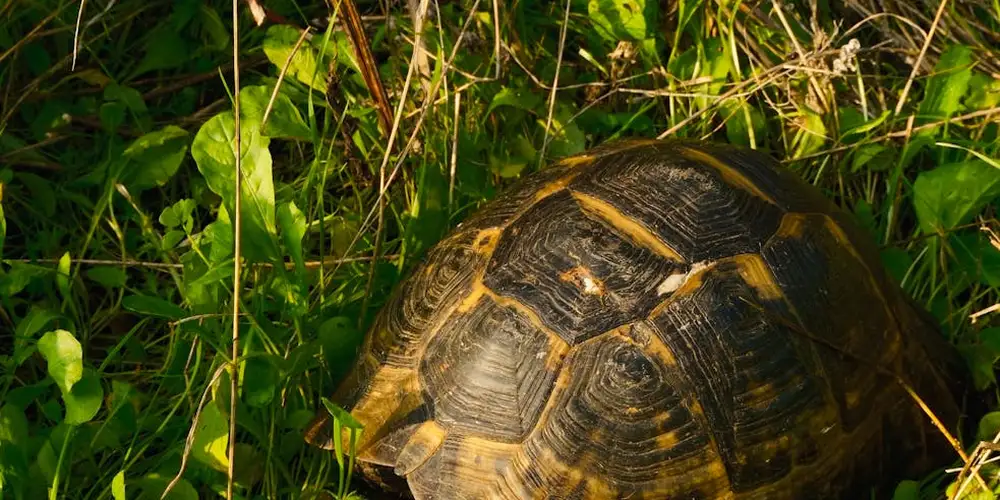
When your turtle is pregnant, her body works overtime to support egg development, so tweaking her diet is essential. I always ramp up calcium for my tortoises like Austen, as it strengthens eggshells and prevents health issues. Nutrition, including minerals and vitamins beyond calcium, directly influences shell health and strength. A well-balanced diet helps support a strong, healthy shell throughout life.
-
Offer calcium-rich foods such as dandelion greens, kale, and a cuttlebone for gnawing. This extra support mimics what they’d find in the wild and keeps their shells robust.
-
Feed smaller, more frequent meals-twice daily works well-to ease digestion and nutrient absorption. Avoid high-protein items like dog food, which can strain their systems and lead to complications.
Habitat and Environmental Needs
Creating a comfortable space helps your turtle feel secure enough to lay her eggs without stress. From my experience with Bronte, a well-set nesting area reduces anxiety and encourages natural behaviors.
-
Prepare a nesting box with a mix of moist topsoil and sand, deep enough for digging, and maintain humidity around 70-80%. Keeping temperatures steady at 80-85°F ensures the environment feels inviting for egg deposition.
-
Limit handling and loud noises to lower stress levels, and add plants or hides for privacy. A peaceful setup lets your turtle focus on laying eggs safely, just like Orwell prefers his quiet corner.
Potential Complications During Turtle Pregnancy
Even with the best care, issues can arise, so staying vigilant is key to your turtle’s well-being. Spotting early signs of trouble has saved my pets from serious harm more than once. Knowing what to watch for among the most critical turtle health issues can help you act quickly. Being prepared to notice red flags can make a big difference in their care.
-
Look for egg binding symptoms like lethargy, loss of appetite, or frantic digging without results. Internal retention can cause infection or organ damage if eggs aren’t passed in time.
-
Contact a vet immediately if your turtle seems in pain, stops eating, or hasn’t laid eggs after a week of nesting behavior. Quick professional help can turn a risky situation into a manageable one, as I learned with Orwell’s scare. If you’re wondering how to tell if your turtle is sick, watch for changes in appetite, energy, or shell condition. I tell if my turtle is sick by noting these cues and seeking veterinary help early.
-
Prevent problems by checking her weight and activity daily, and ensure her diet and habitat are optimal. Regular monitoring and a stress-free home are your best tools for a healthy pregnancy journey.
Gender Differences and Unusual Pregnancy Cases

Figuring out if your turtle is pregnant starts with knowing its gender, which can be trickier than it seems. I learned this firsthand with my Russian Tortoise Austen, whose gentle nature initially made me think she was female, but careful observation revealed key differences. You can spot males by their longer, thicker tails and often concave undershells, while females tend to have shorter tails and flatter plastrons for egg-laying. Males might also sport longer front claws used during mating rituals. Check these traits gently during handling to avoid stress. For more details, you can read this guide on determining turtle sex.
- Tail length and thickness: Males typically have more prominent tails.
- Claw size: Look for elongated front claws in males.
- Shell shape: A concave plastron often indicates a male.
- Behavior: Males may be more active or assertive during breeding seasons.
Sometimes, turtles surprise us with pregnancies without any mating. Parthenogenesis, where females produce offspring asexually, is rare but documented in species like some box turtles, adding a layer of mystery to turtle care. This means your female could lay fertile eggs even if she’s never been with a male. It’s like nature’s backup plan, though not common, so don’t assume it’s the cause without ruling out other factors. Always prioritize your turtle’s comfort and consult a vet if you suspect an unusual pregnancy, especially when dealing with turtle reproduction and gender issues.
Pregnancy signs vary widely by species, so knowing your turtle’s type is crucial. My Greek Tortoise Bronte shows subtle weight gain and reduced appetite when gravid, while Orwell the Box Turtle becomes more reclusive and digs frequently. Russian tortoises like Austen might nest less obviously than aquatic species. Pay attention to species-specific cues to avoid misinterpreting normal behavior as pregnancy. This personalized approach helps you provide better care and reduces unnecessary worry.
FAQs
What dietary changes are recommended for pregnant turtles?
Increase calcium-rich foods like kale and cuttlebone to support eggshell strength. Offer smaller, more frequent meals to aid digestion and nutrient absorption during this demanding time.
What behavioral changes are common in pregnant turtles?
Pregnant turtles often exhibit nesting behaviors such as digging in substrate and searching for soft spots. They may also spend more time basking and show appetite fluctuations due to hormonal shifts. Providing a suitable substrate can support these digging nesting behaviors, enabling turtles to dig and choose appropriate nest sites. A substrate with the right texture and depth helps protect eggs and reduces stress during nesting.
What are potential complications during turtle pregnancy?
Complications can include egg binding, where eggs aren’t laid, risking infection or organ damage. Watch for symptoms like lethargy or loss of appetite and seek veterinary care immediately if concerns arise.
Caring for Your Turtle Through Every Stage
To tell if your turtle is pregnant, closely observe her behavior for restlessness and decreased appetite, and gently check for physical changes like a fuller body. The most reliable step is always to schedule a visit with a reptile-savvy veterinarian for a professional diagnosis. For ongoing care, establish a monthly turtle health check to look for changes in appetite, activity, shell condition, and weight, and use these observations to decide when to see the vet.
Responsible pet ownership means committing to learning about your turtle’s unique needs throughout her entire life. Your dedication to understanding their care is what creates a truly thriving and happy shelled companion.
Further Reading & Sources
- How To Check & Care For A Pregnant Turtle (Gravid) – All Turtles
- r/turtles on Reddit: How do I know if my turtle is pregnant or not
- How to Tell if a Turtle is Pregnant? (Full Turtle Pregnancy Guide)
- Turtle Pregnancy? | Tortoise Forum
Matthew is a dedicated turtle enthusiast and conservationist with over 15 years of experience in reptile care. Known affectionately as "The Leatherback" among his peers, he combines his passion for turtles with a commitment to educating pet owners on responsible turtle care and environmental stewardship.
Mating Behavior