
What Are the Habitat Requirements for Different Turtle Species?
Published on: May 4, 2026 | Last Updated: May 4, 2026
Written By: Matthew The
Are you feeling unsure about creating the perfect home for your turtle? From my decade of caring for species like Austen, my steady Russian Tortoise, I’ve seen how the right habitat prevents stress and fosters their unique personalities.
In this guide, we’ll explore:
- Species-specific setup details
- Temperature and humidity control
- Space and enclosure sizes
- Diet and environmental integration
Understanding Turtle Habitat Types: Aquatic, Semi-Aquatic, and Terrestrial
Getting the habitat type right is the single most important decision you’ll make for your turtle’s health. Their entire biology, from how they breathe to how they eat, is built around their native environment. I learned this early on when setting up my first tank; what works for a fully aquatic species would be a death sentence for a land-loving tortoise.
Here’s a simple breakdown of the three main categories.
| Habitat Type | Defining Feature | Example Species | My Personal Notes |
|---|---|---|---|
| Aquatic | Spends nearly all its life in water, only leaving to bask. | Red Eared Slider, Painted Turtle | These are the swimmers. Their enclosures are mostly water with a dedicated, easy-to-climb basking platform. |
| Semi-Aquatic | Needs a balanced mix of water for swimming and dry land for exploring. | Box Turtle, Mud Turtle | My box turtle, Orwell, loves his 50/50 split. He’ll soak for an hour then patrol his terrestrial side with purpose. |
| Terrestrial | Lives exclusively on land, though may soak in shallow water. | Russian Tortoise (Austen), Greek Tortoise (Bronte) | Austen and Bronte live in a tortoise table. They need space to roam, dig, and only a shallow dish for drinking and soaking. |
Choosing the wrong type is like forcing a fish to live in a desert. Always research your specific turtle’s natural history before you even buy a tank. This foundational knowledge saves you from costly mistakes and, more importantly, ensures your pet thrives.
Core Habitat Components for All Pet Turtles
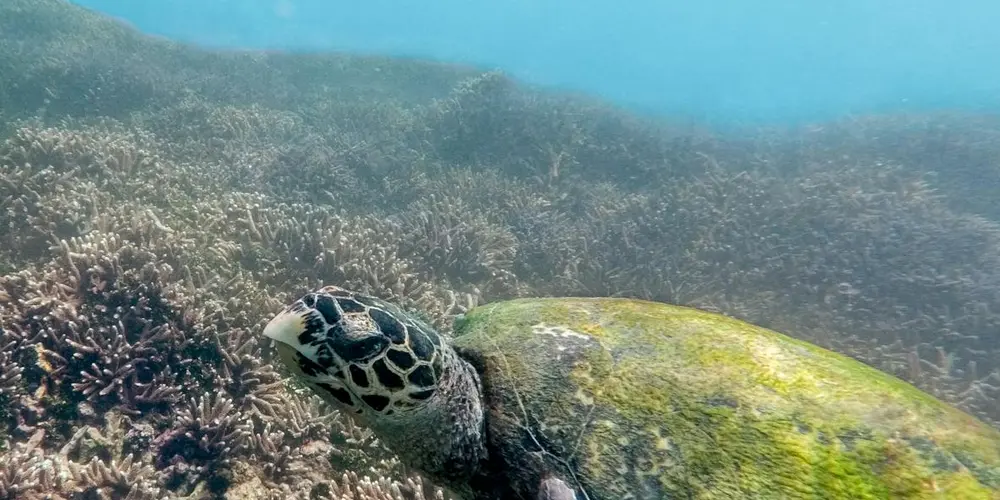
While their layouts differ, all turtles rely on the same core components to stay healthy. Think of these as the non-negotiable pillars of good turtle care. Neglecting any one of them will inevitably lead to health problems over time.
Lighting: The Sun in a Bulb
Turtles cannot process calcium without UVB light, which is essential for strong bones and shells. Without a proper UVB bulb, metabolic bone disease is a real and heartbreaking risk. Choosing the best UVB light is key—look for bulbs that reliably deliver UVB at the correct distance. I also pair UVB exposure with a calcium supplement routine to support a healthy shell. I use a long, tube-style UVB light for Austen and Bronte’s table, positioned at the correct distance, and replace it every six months as its output fades.
Temperature Gradients: Your Turtle’s Thermostat
Turtles are ectotherms; they rely on their environment to regulate their body temperature. You must provide a warm basking spot and a cooler area so they can self-regulate. My setup for Orwell includes a basking lamp that keeps his rock at 90°F, while the far corner of his land area stays around 75°F. He moves between them all day long.
Humidity & Hydration
Humidity needs vary wildly. Aquatic turtles get it from their water, but terrestrial species like my tortoises need careful monitoring. Bronte, my Greek tortoise, requires lower humidity than some tropical species, so I achieve this with a well-ventilated enclosure and a moist hide. A simple digital hygrometer takes the guesswork out of it. In a terrestrial turtle habitat, maintaining proper humidity levels is essential for healthy shedding and skin comfort. Regular checks help keep the enclosure within the target range and prevent humidity-related issues.
Substrate: The Ground Beneath Their Feet
The flooring you choose matters more than you might think.
- For terrestrial tortoises: I use a mix of topsoil and coconut coir. It holds moisture for humidity and allows them to dig natural burrows.
- For semi-aquatic turtles: Orwell’s land area has a topsoil and sphagnum moss mix. It’s soft and holds moisture.
- For aquatic tanks: Large, smooth river stones are best. Small gravel is a severe impaction risk if ingested.
Basking Areas & Hides
Every turtle needs a private retreat. A proper hide reduces stress by providing a secure, dark place to sleep and feel safe. I use half-log hides for my tortoises and create rock caves for Orwell. Creating basking hiding areas near the heat promotes turtle well-being by giving them a secure place to warm up and retreat. Their basking areas are flat, stable surfaces placed directly under the heat and UVB lamps, easy for them to climb onto and completely dry off.
Setting this up takes effort, but watching your turtle behave naturally—basking confidently, digging happily, exploring its domain—is the ultimate reward. A properly crafted habitat isn’t just a box they live in; it’s the world you build for them to flourish. Create a naturalistic turtle habitat with decor—driftwood, live plants, and a natural substrate. This setup supports authentic behavior and gives them spaces to bask, hide, and explore.
Aquatic Turtle Habitat Requirements
Creating a healthy home for aquatic turtles goes beyond just filling a tank with water. Their entire world exists within that enclosure, so getting the setup right is a direct act of care. Since aquatic turtles mainly breathe air, you need easy access to the surface for respiration. A well-oxygenated tank and a dependable basking area support their breathing and overall habitat requirements. From my years with various species, I’ve learned that their vibrant health hinges on three pillars: pristine water, proper depth for natural behavior, and a perfect basking area.
Water Quality and Depth Essentials
Think of the water as the turtle’s atmosphere; it must be clean and breathable. Neglecting water quality is the fastest way to compromise your turtle’s immune system. I learned this the hard way early on, dealing with a preventable shell infection.
- Filtration is non-negotiable. Use a canister filter rated for 2-3 times your tank’s total water volume. Turtles are messier than fish.
- Perform 25% water changes weekly. This simple habit keeps nitrate levels in check and your turtle active.
- Test water parameters monthly. Aim for a pH between 6.0 and 8.0. Sudden shifts stress them out.
- Water depth should allow for natural swimming. A good rule is 2.5 times the turtle’s shell length for smaller species, and even deeper for larger ones like Sliders.
Basking and Lighting Setup
Turtles are solar-powered. They don’t just enjoy basking; they need it to regulate their body temperature and metabolize calcium. Watching my turtles stretch out under their lamp is a daily joy and a sign of their well-being.
- Provide a sturdy, completely dry basking platform. It must be easy for them to climb onto and large enough to hold their entire body.
- The basking area temperature should be 85-95°F (29-35°C). I use a simple digital thermometer to monitor this daily.
- A UVB light is essential for shell and bone health. Place it 10-12 inches above the basking spot and replace the bulb every 6-12 months, as the UV output diminishes.
- Use a timer for your lights. A consistent 12-hour day/night cycle mimics their natural environment and reduces stress.
Semi-Aquatic Turtle Habitat Essentials
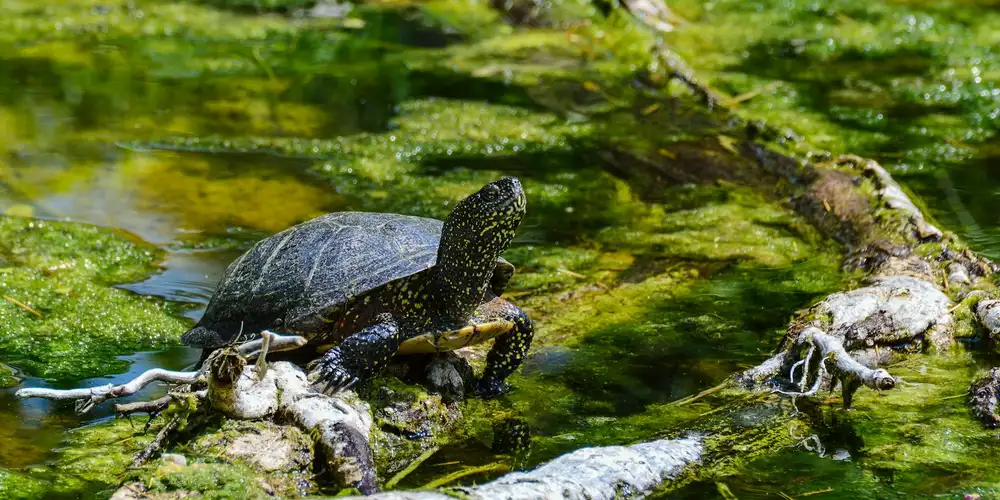
Semi-aquatic turtles, like my thoughtful Box Turtle Orwell, live in a world of two halves. Their enclosure isn’t just a tank; it’s a carefully crafted landscape that meets their dual needs. The goal is to create a seamless transition between a watery retreat and a dry, terrestrial haven.
Land and Water Zone Management
Getting the ratio right is everything. For species like Painted Turtles, I aim for a 50/50 split. This balance allows them to express their full range of natural behaviors, from swimming to digging.
- Partition the enclosure. You can use a pre-made divider or create a land area with a large, shallow tub of water on one side.
- Choose the right substrate for the land area. Cypress mulch or coconut coir holds moisture well and is safe for burrowing.
- Ensure easy water access. The transition from land to water should be a gentle slope or a ramp with good traction.
- Adjust for seasons. I’ve noticed my turtles use the water zone more in summer and burrow in the land area when it’s cooler.
Climate and Humidity Control
These turtles thrive on consistency. Fluctuations in humidity and temperature can lead to respiratory issues and poor shedding. Maintaining a stable microclimate is one of the most caring things you can do for a semi-aquatic species.
- Keep ambient humidity between 60-80%. A large water area naturally helps, but a room humidifier or daily misting seals the deal.
- Provide a thermal gradient. The warm end of the land area should be around 80-85°F (27-29°C), with a cooler end around 70-75°F (21-24°C).
- Monitor with a digital hygrometer. Don’t guess the humidity; knowing the exact level helps you make quick adjustments.
- Even in a dry climate, you can maintain humidity by covering part of the screen lid with a glass or acrylic panel to trap moisture.
Terrestrial Turtle Habitat Requirements
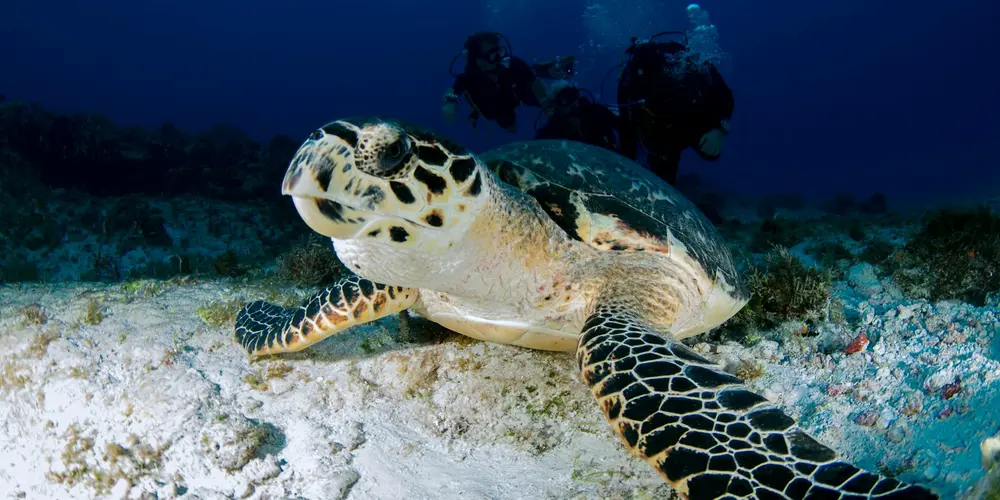
Creating a home for land-dwelling turtles like Box Turtles means focusing on substrate, hiding spots, and space. I’ve found that a mix of soft, natural materials keeps my Box Turtle Orwell content and healthy. For enclosure size, aim for at least 4 feet by 2 feet for one adult to allow roaming.
- Use a substrate that holds moisture, like coconut coir or cypress mulch.
- Add multiple hiding spots such as half-logs or rock caves for security.
- Ensure the enclosure has a shallow water dish for drinking and soaking.
Orwell, my reserved Box Turtle, loves to dig and hide under leaf litter. Providing deep substrate layers mimics his natural behavior and reduces stress. Proper, loose substrate also supports nesting behaviors by giving him space to dig a sheltered nest if needed. With the right depth and moisture, turtles can instinctively choose a nest site and create a comfortable egg chamber.
Substrate and Hiding Areas
Safe substrates prevent health issues and encourage natural digging. Always avoid cedar or pine shavings, as they can harm your turtle’s respiratory system. Here are some options and steps to set up secure hides.
- Organic topsoil mixed with sphagnum moss retains humidity well.
- Peat moss or shredded bark works for burrowing species.
To create hiding areas, follow these steps:
- Place a hide box in a quiet corner of the enclosure.
- Use natural materials like cork bark or overturned flower pots.
- Check that hides are stable and won’t collapse on your turtle.
Orwell often retreats to his moss-filled hide after meals. This gives him a sense of safety, which is vital for his well-being.
Lighting and Temperature Needs
Proper lighting and heat are non-negotiable for terrestrial turtles. UVB light helps them produce vitamin D3, which is essential for shell and bone health. This is why UVB lighting is critical for turtle health and should be set up and maintained properly. Set up a basking spot with a heat lamp to maintain temperatures between 85-90°F.
- Use a UVB bulb that covers most of the enclosure, replaced every 6-12 months.
- Keep ambient temperatures around 70-80°F to prevent chilling.
- Monitor with a digital thermometer to avoid fluctuations.
When Orwell’s UVB bulb burned out unnoticed, he became sluggish and lost appetite. Regular checks on lighting have kept him active and thriving for years.
Species-Specific Habitat Guides
Each turtle species has unique needs tied to their natural habitats. Tailoring your setup to their origins prevents common health problems and supports natural behaviors. Below, I break down requirements for Wood, Painted, and Box Turtles based on my experiences and research.
Wood Turtle Habitat Setup
Wood Turtles thrive in environments that blend land and water. Their marsh-like origins mean they need constant access to freshwater for hydration and soaking. Follow these steps to replicate their habitat effectively.
- Provide a shallow water area large enough for full immersion.
- Set up a dry basking zone with a heat lamp and UVB light.
- Use a moist substrate like peat moss to maintain high humidity.
Wood Turtles enjoy foraging in damp leaf litter. Including edible plants in their enclosure enriches their diet and environment.
Painted Turtle Habitat Guide
Painted Turtles are aquatic and need ample swimming space. Water depth should be at least twice their shell length to allow natural diving and swimming. A sturdy basking area above water lets them dry off and regulate body temperature.
- Install a powerful filter to keep water clean and reduce maintenance.
- Use smooth rocks or floating docks for basking spots.
- Maintain water pH between 6.5 and 8.0 for optimal health.
I’ve noticed my Painted Turtles bask more when the water is clear. Weekly partial water changes of about 25% help prevent algae buildup and stress.
Box Turtle Habitat Essentials
Box Turtles, like Orwell, require high humidity and varied terrain. Humidity levels around 60-80% support healthy skin and shell shedding. Substrate humidity levels are a key part of meeting that need. Box turtles do need a damp substrate to stay healthy. Incorporate multiple hides and a diet-rich environment to meet their needs.
- Use a hygrometer to monitor humidity and mist the enclosure daily.
- Offer hiding spots under plants or logs to encourage natural behavior.
- Include protein sources like insects, which influence their activity levels.
Orwell’s personality shines when he hunts for mealworms in his habitat. This not only fulfills his dietary needs but also provides mental stimulation.
Assessing Your Home for a Turtle Habitat
-
Before bringing a turtle home, take a honest look at your living space and lifestyle. I learned this the hard way when I underestimated the room my Greek tortoise Bronte needed for her graceful wandering. Proper habitat assessment prevents stress for both you and your shelled friend, ensuring a happy, healthy life together.
Start by measuring your available area, considering not just the enclosure size but also space for equipment and safe handling. My Russian tortoise Austen thrives in a setup that mimics his natural terrain, which taught me that cramped quarters lead to behavioral issues. Always prioritize ample room over aesthetics to support their natural behaviors and well-being.
-
Evaluate Your Available Space
Check if you have a stable, level surface away from drafts and direct sunlight. For my box turtle Orwell, I found a quiet corner that avoids loud noises and high traffic. Measure twice and set up once to avoid costly moves that disrupt your turtle’s comfort.
-
Calculate the Financial Commitment
List out initial costs like tanks, heating lamps, and substrates, plus ongoing expenses for food and vet care. When Bronte developed a shell issue, the unexpected vet bill reminded me that budgeting for emergencies is non-negotiable. Plan for at least a 10-year financial outlook, as many turtles live decades and deserve consistent care.
-
Assess Your Time and Resources
Estimate daily time for feeding, cleaning, and monitoring health. I dedicate mornings to spot-cleaning and weekly deep cleans, which keeps habitats hygienic and prevents illnesses. Regular maintenance isn’t just chore; it’s a bonding ritual that strengthens your connection and ensures animal welfare.
Use this quick checklist to gauge readiness:
- Do you have a dedicated, escape-proof area for the habitat?
- Can you afford recurring costs like UVB bulb replacements and quality food?
- Are you prepared for potential health issues that require specialized care?
Reflecting on my experience, I once rushed into a setup for Austen without enough research, and it led to avoidable stress. Taking time to assess honestly saves you from regrets and gives your turtle the thriving home they deserve.
-
FAQs
What are the most common mistakes in setting up a turtle habitat?
Beginners often overlook proper UVB lighting and temperature gradients, which are essential for health. Skipping these can lead to metabolic bone disease and stress-related issues.
Do Wood Turtles need a water area in their enclosure?
Yes, Wood Turtles require constant access to shallow, fresh water for soaking and hydration. This mimics their natural marsh habitats and supports their overall well-being. Do turtles need water to survive? Yes—water is essential for hydration and overall health.
How clean does the water need to be for Painted Turtles?
Water for Painted Turtles must be kept very clean to prevent shell infections and stress. Using a powerful filter and performing weekly partial water changes helps maintain optimal water quality.
Where can I find a PDF guide for Painted Turtle habitat requirements?
Many pet care websites and reptile organizations offer free downloadable PDF guides on Painted Turtle habitats. Always verify the source is reputable to ensure accurate and up-to-date information.
Can I use sand as a substrate for my turtle’s habitat?
Avoid using sand as it can cause impaction if ingested and irritate your turtle’s skin. Opt for safer alternatives like coconut coir or smooth river stones based on your turtle’s species.
A Final Word on Turtle Habitats
Providing the right home for your turtle means matching their habitat to their species-specific needs, from water depth to basking area design. By carefully replicating the temperature, humidity, and space of their natural environment, you create a foundation for a long and healthy life.
Responsible turtle ownership is a lifelong commitment to learning and adapting your care as your pet’s needs evolve. Your dedication to understanding their unique world is the greatest gift you can give your shelled companion.
Further Reading & Sources
- -Aquatic Turtle Habitat Guidelines – Central Mississippi Turtle Rescue
- Habitat Requirements: Outdoor Pens for Box Turtles
- Outdoor Learning Station: Aquatic Turtle Habitat
- The Ultimate Guide to Setting Up a Turtle Habitat – Talis Us
Matthew is a dedicated turtle enthusiast and conservationist with over 15 years of experience in reptile care. Known affectionately as "The Leatherback" among his peers, he combines his passion for turtles with a commitment to educating pet owners on responsible turtle care and environmental stewardship.
Freshwater vs. Saltwater