
What Do Eastern Box Turtles Eat? A Complete Diet Guide
Published on: January 7, 2026 | Last Updated: January 7, 2026
Written By: Matthew The
You might feel unsure about feeding your Eastern Box Turtle, worrying if you’re offering the right foods to support its health and longevity. From my time with Orwell, my intelligent Box Turtle, I’ve learned that a proper diet transforms their well-being and energy levels.
This guide explores: safe food choices, harmful items to avoid, ideal feeding schedules, necessary supplements, and practical tips for variety. You’ll gain clear steps to nourish your turtle confidently.
Understanding the Eastern Box Turtle’s Omnivorous Diet
Eastern box turtles are true omnivores, which means they thrive on a mixed menu of both animal and plant-based foods. This dual dietary requirement is fundamental to their health and longevity.
Their nutritional needs are a careful balance. They get essential protein for growth and shell development from insects and other small prey. This animal-based protein is the engine for their overall vitality.
From the plant side, they receive crucial vitamins, minerals, and fiber from vegetables and leafy greens. This plant matter aids in digestion and provides sustained energy.
My box turtle, Orwell, is a perfect example of this need for variety. One day he might eagerly chase down a wiggling earthworm. The next, he will slowly and methodically munch on a piece of chopped dandelion green. Observing his changing preferences taught me to always offer a diverse plate.
Safe Foods for Your Box Turtle: A Comprehensive List
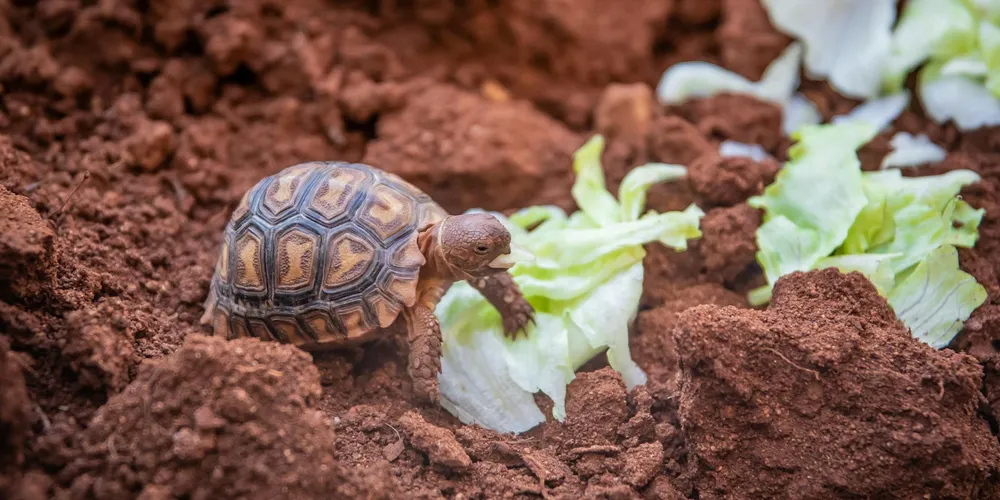
Offering a wide range of safe foods is the best way to mimic their natural foraging behavior. A varied diet is the cornerstone of preventing nutritional deficiencies.
Excellent Animal-Based Foods (Protein Sources)
- Earthworms and nightcrawlers
- Crickets and grasshoppers
- Mealworms and waxworms (as occasional treats)
- Slugs and snails (from pesticide-free areas)
- Pill bugs and sow bugs (rollie pollies)
These protein sources are packed with the nutrients they would naturally hunt in the wild.
Nutritious Plant-Based Foods
- Leafy Greens: Dandelion greens, collard greens, mustard greens, endive
- Vegetables: Grated squash, chopped sweet potato, bell peppers, mushrooms
- Fruits & Berries: Strawberries, raspberries, melon, figs (in moderation)
Focus on dark, leafy greens as the staple of the plant portion of their diet.
A wonderful and natural way to provide food is by utilizing common garden pests. I often collect snails and slugs from my garden (ensuring no pesticides are used) for Orwell, which he eagerly accepts. This not only provides him with a fresh, live meal but also helps my plants.
Foods to Avoid to Protect Your Turtle’s Health
Your turtle’s shell protects its body, but you must protect its health from the inside out. Many common foods can cause serious, even fatal, health issues for box turtles. I learned this the hard way early on. Understanding what turtles can safely eat is crucial, including why bread isn’t a good staple for them.
- Processed Human Foods: Bread, dairy, and cooked meats disrupt their digestive systems. They offer zero nutritional value and can lead to severe nutrient deficiencies.
- Toxic Plants: Avoid avocado, rhubarb, and any plants in the nightshade family like tomato leaves. These contain substances that are poisonous to reptiles.
- Iceberg Lettuce: It’s mostly water and has no real nutrients. Feeding it fills them up without providing any benefits, leading to malnutrition.
- High-Fat Dog or Cat Food: I made this mistake once, thinking it was a protein boost. It caused rapid, unhealthy weight gain in one of my turtles. Obesity is a silent killer in captive turtles, straining their organs and shortening their lives.
How to Properly Feed Your Box Turtle
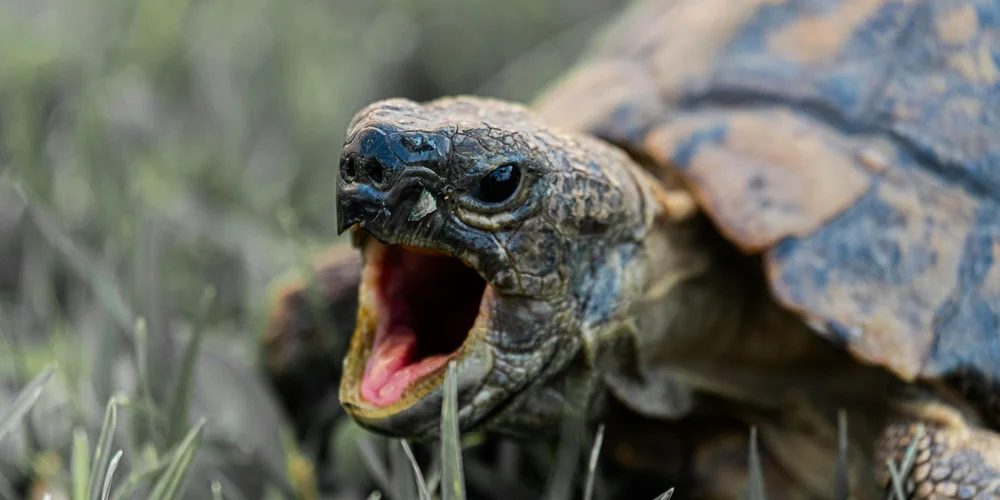
Feeding your turtle is about more than just dropping food in a dish. It’s an opportunity to support their natural behaviors and ensure their long-term vitality. Knowing common turtle feeding mistakes helps you avoid overfeeding, inappropriate foods, and irregular feeding schedules. Avoiding these mistakes supports healthier growth and a longer, happier life for your turtle.
- Offer live prey like earthworms or crickets in a shallow, smooth-sided dish to prevent escapes and substrate ingestion.
- Chop vegetables and fruits into bite-sized pieces, no larger than the space between their eyes, to prevent choking.
- Soak commercial pellets in a bit of water to soften them, making them easier to eat and digest.
- Create a consistent schedule. I feed my turtles in the morning, which mimics their natural instinct to forage after sunrise.
- A healthy turtle will approach food with interest and curiosity. A sudden lack of appetite can signal stress or illness.
Feeding Frequency and Portion Control
Getting the amount right is crucial for preventing health problems. Overfeeding is one of the most common mistakes in turtle care. This topic is part of our guide: turtle diet debunked — 8 feeding myths that actually harm your pet. Understanding these myths helps you feed your turtle safely.
- Juvenile turtles need daily feeding to support their rapid growth. Their meals should be rich in protein.
- Adult turtles, like my 7-year-old Orwell, thrive on a meal every other day. Their diet should shift to be mostly plant-based.
- Adjust for activity. A very active turtle in a large enclosure may need slightly more food than a sedentary one.
- Monitor their weight by gently feeling the space above their rear legs. It should be firm, not sunken or bulging.
Preparing and Serving Meals
A little prep work makes mealtime safe and stimulating. This simple routine ensures your turtle gets the most from every bite.
- Thoroughly wash all fruits and vegetables to remove pesticides.
- Chop everything into manageable, varied pieces to encourage chewing.
- Mix ingredients together in a shallow feeding dish. I create a “salad” for my turtles, hiding bits of protein within the greens.
- For enrichment, I sometimes scatter a portion of their food across their enclosure. This encourages natural foraging behavior and provides mental stimulation.
Essential Supplements and Hydration for Optimal Health
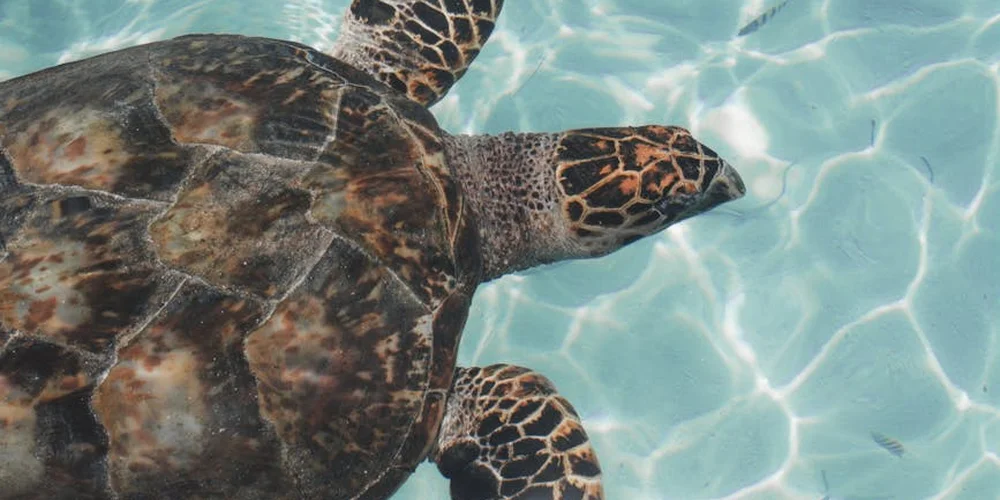
Your Eastern box turtle’s shell and bones rely heavily on calcium and vitamin D3 to stay strong and healthy. Calcium acts like the cement that holds their shell together, preventing it from becoming brittle or deformed over time. Vitamin D3, which they synthesize from UVB light exposure, ensures that calcium is properly absorbed. I’ve seen this firsthand with Orwell, my box turtle; without regular access to his UVB lamp, he showed signs of sluggishness and softer shell edges until I adjusted his setup.
Clean, fresh water is just as vital as food for hydration and overall well-being. Always provide a shallow water dish that’s easy for your turtle to enter and exit, and change the water daily to avoid bacterial growth. Regularly testing essential water quality parameters—such as pH, ammonia, nitrite, nitrate, temperature, and chlorine/chloramines—helps ensure a healthy turtle tank. Orwell loves to soak in his water bowl, which helps him stay hydrated and supports healthy skin and shell shedding. I make it a habit to rinse his dish with warm water every morning to keep it inviting.
When using supplements, safety is key to avoid overdoing it. Stick to reptile-specific calcium powders and use them sparingly, typically by dusting food a few times a week rather than every day. From my experience, I started with a light sprinkle on Orwell’s leafy greens and monitored his response-too much at once can lead to digestive issues, so gradual introduction works best. Rotating between plain calcium and a multivitamin supplement once a week has kept him in top shape without any side effects.
Seasonal Diet Variations and Wild Foraging Insights
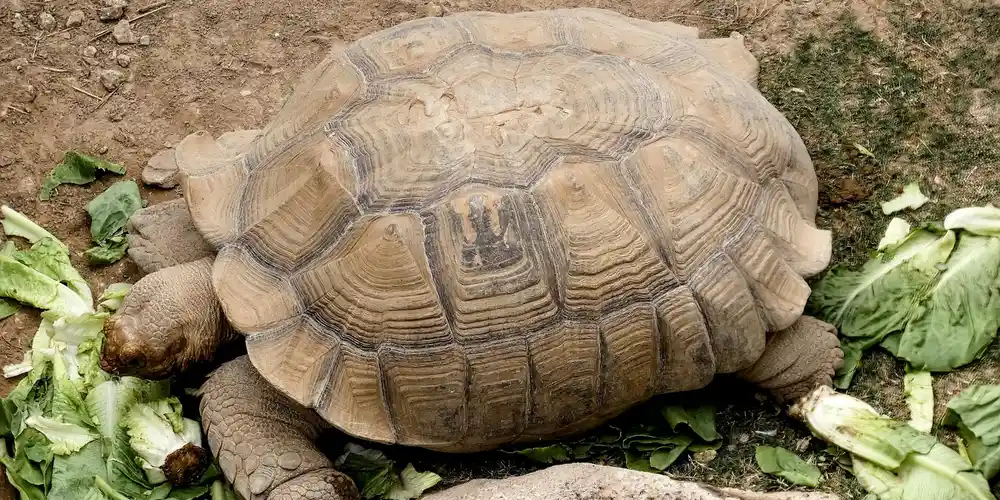
In the wild, Eastern box turtles naturally shift their diets with the seasons to match what’s available. Spring brings a focus on tender greens and early blooms, summer offers ripe fruits and abundant insects, and fall emphasizes protein-rich foods to build energy reserves for cooler months. This cyclical eating helps them maintain balanced nutrition year-round, something I’ve observed while studying local turtle habitats-it’s like nature’s own meal plan that keeps them thriving, even during winter brumation.
You can easily replicate this seasonal variety in captivity to keep your turtle engaged and healthy. Rotate their food offerings every few months: add more dandelion greens and clover in spring, introduce berries and melon chunks in summer, and include extra earthworms or slugs in fall. With Orwell, I follow this pattern by swapping out staples based on the time of year, which not only boosts his appetite but also mimics the diversity he’d find outdoors. A simple calendar reminder helps me stay on track without overcomplicating things. It’s essential to know how to source and prepare fresh foods for your turtle to ensure they are getting safe and nutritious meals.
Wild foraging behaviors offer valuable lessons for pet care, highlighting the need for dietary flexibility. I’ve noticed wild box turtles nibble on fallen fruits, mushrooms, and even carrion opportunistically, teaching us that a rigid diet can miss key nutrients in captivity. By occasionally offering novel items like edible flowers or safe insects, you encourage natural browsing instincts and prevent boredom. For Orwell, I’ll scatter food in his enclosure to let him “forage,” which keeps him active and satisfied-just like his wild cousins. Such enrichment activities are vital for pets.
FAQs
What is a box turtle diet chart?
A box turtle diet chart visually breaks down the ideal food ratios, such as 50% plant-based greens, 40% protein sources, and 10% fruits for adults. It helps owners quickly reference balanced meal plans to prevent nutritional imbalances. Note: this chart is for land-dwelling box turtles. Aquatic turtles have different dietary needs, and those key differences are explained in aquatic vs land turtle diets.
What are box turtle diet recipes?
Box turtle diet recipes combine safe ingredients into meals, like a salad of dandelion greens with sprinkled earthworms or chopped berries mixed with grated squash. These recipes encourage variety and mimic the diverse foods turtles would encounter naturally. Many box turtles also enjoy safe flowers and greens as part of a balanced diet. Including these plant-based options helps mimic what wild turtles would encounter while staying safe.
What is the box turtle diet and habitat?
The box turtle’s diet is shaped by its habitat, as they forage for insects, fungi, and plants in moist, wooded environments. A proper habitat with access to clean water and hiding spots supports their omnivorous feeding habits and overall health.
Caring for Your Eastern Box Turtle
To keep your turtle thriving, offer a varied diet of protein, vegetables, and fruits, mirroring what they’d find in the wild. This approach helps you create a balanced diet for your omnivorous turtle. It also supports steady growth and overall health. Always provide a source of clean water and proper calcium supplementation for a strong, healthy shell.
A proper diet is just one part of creating a wonderful home for your shelled friend. Continue learning about their habitat and behavior, as this ongoing commitment is what makes you a truly responsible and caring pet owner.
Further Reading & Sources
- Feeding Box Turtles | VCA Animal Hospitals
- MedVet Blog | Box Turtle History and Care Recommendations
- Feeding Box Turtles
- Eastern Box Turtle Care Sheet | ReptiFiles
Matthew is a dedicated turtle enthusiast and conservationist with over 15 years of experience in reptile care. Known affectionately as "The Leatherback" among his peers, he combines his passion for turtles with a commitment to educating pet owners on responsible turtle care and environmental stewardship.
Common Turtle Foods