
Safe Human Foods for Turtles: A Healthy Feeding Guide
Published on: January 11, 2026 | Last Updated: January 11, 2026
Written By: Matthew The
You might feel tempted to share your snacks with your turtle, but feeding the wrong human foods can lead to serious health issues like digestive problems or nutrient imbalances.
In this article, we’ll explore safe leafy greens, fruits in moderation, protein sources, and foods to always avoid, based on my years of caring for turtles like Austen, Bronte, and Orwell.
Understanding Turtle Dioms and Human Food Safety
In the wild, turtles munch on a mix of plants, insects, and occasional fruits, tailored to their species. Human foods should only complement their core diet, not replace it, to prevent nutritional gaps. I learned this early on with my own shelled friends.
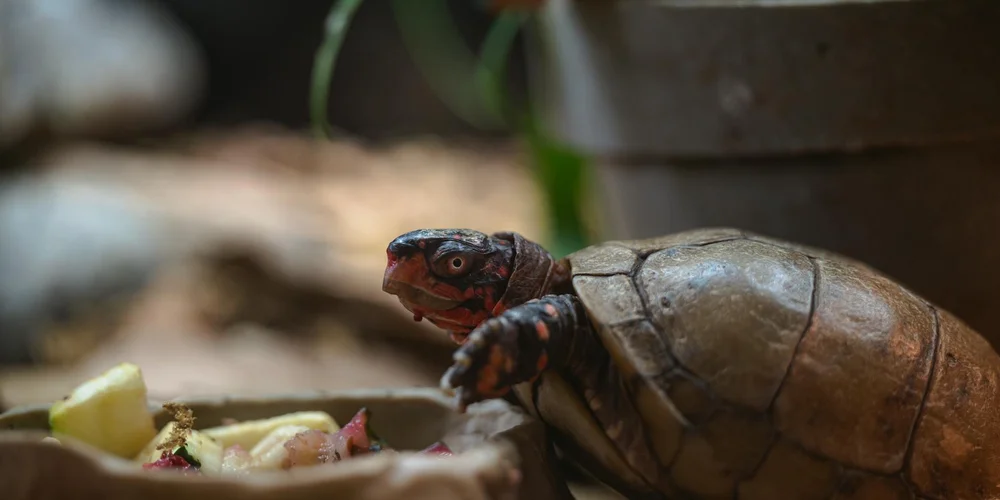
My Russian tortoise Austen thrives on fibrous greens, while Bronte, the Greek tortoise, enjoys varied veggies for her graceful grazing. Orwell, the box turtle, needs more protein but in small doses. Observing their unique preferences taught me that one-size-fits-all feeding leads to health issues.
Feeding the wrong foods can cause shell deformities or digestive troubles. Be mindful of common turtle feeding mistakes to avoid them. Knowing what to avoid helps ensure balanced nutrition. Always prioritize your turtle’s well-being by researching species-specific needs and consulting a vet. Animal welfare means offering safe, balanced meals that mimic their natural habits.
The Turtle Cafe: Safe Human Foods to Offer
Nutritious Vegetables for a Balanced Turtle Diet
- Leafy greens like kale and romaine lettuce provide vitamins A and C; wash thoroughly and chop finely to avoid choking.
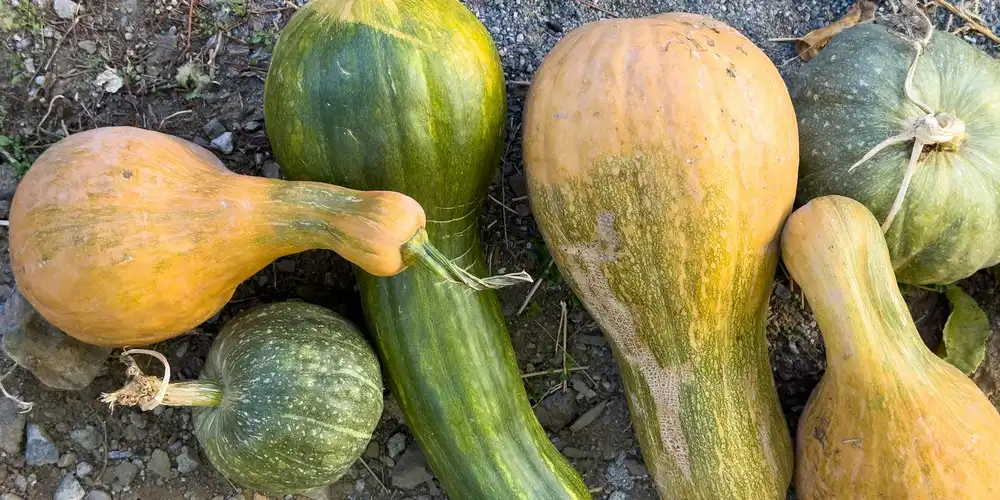
- Carrots and squash offer beta-carotene; steam or grate them for easier digestion, and serve 2-3 times weekly.
- Bell peppers add color and hydration; remove seeds and slice into small pieces for a weekly treat.
Rotate vegetables to keep meals interesting and nutrient-rich, just like I do for Austen and Bronte. Overdoing one type can lead to imbalances, so mix it up.
Sweet and Safe Fruits for Occasional Treats
- Blueberries and strawberries are packed with antioxidants; mash or chop them to prevent overeating, and limit to once a week.
- Apples provide fiber but contain natural sugars; remove seeds and cores, then offer thin slices monthly.
Fruits are like dessert for turtles-too much sugar harms their health, so keep portions tiny. I give Orwell a berry piece as a rare reward, and he savors it slowly.
Protein and Calcium Boosters from Human Foods
- Cooked eggs or mealworms supply lean protein; crumble into small bits and feed sparingly, especially for omnivores like box turtles.
- Calcium-rich options include dark leafy greens or crushed eggshells; sprinkle over food weekly to support strong shells.
Avoid high-fat meats and dairy, which can cause obesity and digestive stress. Tailor protein intake to your turtle’s age and species—younger ones may need more, as I adjust for Orwell’s growth. For an omnivorous turtle, pair that protein with a variety of greens, vegetables, and occasional animal matter to create a balanced diet. Diversify plant and animal foods to support overall health and growth.
Foods to Avoid: Common Human Food Dangers
-
Cheese is a no-go for turtles because it’s high in fat and lactose, which their bodies can’t digest properly. Feeding cheese can lead to serious digestive upset, like diarrhea or bloating, and over time, it might contribute to shell deformities from poor nutrition. I once gave Austen a tiny piece out of curiosity, and he had a sluggish, uncomfortable day-it taught me to stick to his natural greens.
-
Crackers might seem harmless, but they’re packed with salt and processed grains that turtles can’t handle. These ingredients can cause dehydration, kidney strain, or even metabolic issues if eaten regularly. Bronte once snatched a cracker crumb during a picnic, and I noticed her drinking more water than usual-a small reminder that even “safe” human snacks aren’t worth the risk.
-
Peanuts are risky due to their high fat content and potential for aflatoxins, which are harmful molds. Consuming peanuts can lead to obesity, liver problems, or digestive blockages in turtles. Orwell investigated a peanut shell in the yard once, and I quickly redirected him-their curious nature means we must be extra vigilant.
-
Popcorn poses a choking hazard and often contains salt or butter that irritates a turtle’s system. It can cause intestinal blockages or nutritional imbalances, affecting shell health over time. After seeing how popcorn kernels get stuck in small spaces, I keep it far from all my turtles to prevent accidents.
How to Prepare and Serve Human Foods Safely
-
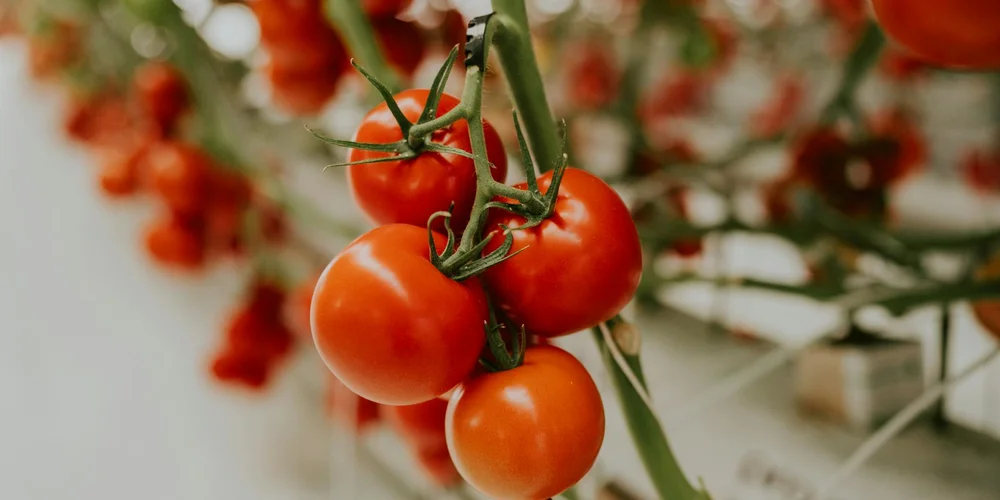
Wash all fruits and vegetables thoroughly under running water to remove pesticides or dirt. This simple step reduces the risk of contamination that could harm your turtle’s delicate digestive system. I always rinse produce for Austen and Bronte, just like I would for myself, to ensure it’s clean and safe. When you transition your turtle from commercial fresh foods, use the same careful prep and gradually introduce new items to support a balanced diet. Start with small portions and monitor digestion as you mix in home-prepared greens and veggies.
-
Cut foods into small, bite-sized pieces to prevent choking, especially for smaller turtles. Chopping items like leafy greens or soft fruits makes them easier to eat and digest. For Orwell, I slice everything into tiny bits-it helps him enjoy his meals without struggle.
-
Cook certain vegetables, like carrots or squash, by steaming or boiling to soften them and break down tough fibers. Cooking improves digestibility and ensures your turtle gets the nutrients without strain. I lightly steam veggies for my crew, and they gobble them up happily. Here’s how to source and prepare fresh foods for your turtle.
-
Serve portions that are no larger than the size of your turtle’s head, and limit human food treats to once a week. Maintain a regular feeding schedule with small meals at set times. Turtles thrive on consistency and do best with limited, scheduled feeding rather than constant grazing. Overfeeding can lead to obesity and shell issues, so moderation is key for a healthy life. I measure out tiny amounts for my turtles to keep their diets balanced and fun.
-
Avoid any seasonings, oils, or additives by serving foods plain and unprocessed. Sticking to natural, unadorned items protects your turtle from toxins and supports their overall well-being. I never add salt or spices-just pure, simple goodness for my shelled friends. It’s crucial to ensure your turtle’s diet is appropriate for their specific needs.
Species and Age Considerations in Turtle Diets
| Species | Age Group | Human Food Recommendations |
|---|---|---|
| Aquatic Turtles | Hatchling to Adult | Focus on leafy greens and limited fruits; adjust protein intake. |
| Terrestrial Turtles | Juvenile to Senior | Emphasize vegetables like squash and occasional berries; monitor calcium. |
-
Diet needs shift dramatically between species, and I’ve tailored meals for my own turtles based on their natural habits. With aquatic turtles, I prioritize leafy greens like romaine and dandelion greens, but I keep fruits like melon to a minimum to avoid digestive upset. For terrestrial pals like Austen, my Russian Tortoise, I lean into fibrous veggies such as kale and carrots, which mimic their wild foraging. Orwell, the Box Turtle, enjoys occasional berries, but I watch for any signs of soft shells, adjusting his calcium sources like crushed eggshells into his meals. For a detailed list of safe greens and vegetables, you can refer to this complete guide on what vegetables turtles can eat.
-
Age plays a big role in what your turtle should eat, and I’ve adjusted diets as mine grew. Hatchlings need more protein for rapid growth, so I offered small amounts of cooked egg or earthworms, but as they matured, I shifted to plant-heavy diets to prevent obesity. For seniors like Bronte, my Greek Tortoise, I focus on easy-to-digest foods like steamed squash and monitor her weight closely to keep her graceful and healthy into her golden years. Senior turtle care is crucial for their long-term well-being.
Personal Tips from a Turtle Care Enthusiast
-
Through trial and error, I’ve found what foods my turtles adore and what to avoid. When I first introduced strawberries to Bronte, she nibbled cautiously, but now it’s a weekly treat that brings out her thoughtful side. This is part of my complete guide on which berries turtles can safely eat. In that guide, strawberries are highlighted as a safe, occasional treat when offered in moderation. I learned that variety is key—rotating between greens, veggies, and rare fruits keeps them engaged and prevents nutritional gaps. Avoid high-oxalate foods like spinach, as they can hinder calcium absorption, something I spotted early with Austen’s steady appetite.
-
Observing your turtle’s behavior is crucial for fine-tuning their diet. If Orwell turns away from a new food, I take it as a sign to try something else or mix it with a favorite to encourage tasting. If your turtle isn’t eating, keep offering a variety of textures and flavors to encourage eating. With time and patience, they often return to a healthy appetite. Watch for changes in energy or shell condition; when Austen’s shell seemed dull, I boosted his calcium intake with cuttlebone, and his gentle demeanor returned quickly. Trust your eyes—they often tell you more than any guide.
-
Never skip regular vet check-ups to ensure your turtle’s diet supports their overall health. I schedule visits yearly for blood tests and shell inspections, which caught a minor vitamin deficiency in Bronte that we corrected with dietary tweaks. Balanced nutrition isn’t just about food choices; it’s about combining variety, portion control, and professional advice to keep your shelled friends thriving for years.
FAQs
How often can I safely include human foods in my turtle’s diet?
Offer human foods as occasional treats, limiting them to once a week to avoid disrupting their balanced nutrition. Stick to small portions to prevent obesity and ensure their main diet remains the primary source of nutrients.
What does ‘The Turtle Cafe’ concept mean for feeding my turtle?
‘The Turtle Cafe’ refers to a fun, varied approach to offering safe human foods that mimic a diverse menu. It emphasizes rotating items like leafy greens and rare fruits to keep meals engaging and nutritionally balanced without overreliance on any single food.
What types of wood are safe for my turtle’s habitat or enclosure?
Safe woods include untreated hardwoods like oak or maple, which are non-toxic and resist splintering. Avoid softwoods, painted, or pressure-treated woods that can release harmful chemicals or cause digestive issues if ingested.
Your Turtle’s Dining Guide: A Gentle Farewell
Stick to a base of dark, leafy greens and safe vegetables, mixing in the occasional fruit or protein treat for variety. Always research each new food and serve it in small, manageable pieces to prevent any digestive issues.
Owning a turtle is a long-term commitment that invites you to keep learning about their specific needs as they grow. From watching my own Greek Tortoise, Bronte, thrive on a carefully curated diet, I can assure you that this continuous care deepens the wonderful bond you share.
Further Reading & Sources
- 7 Human Foods You Should Never Feed to Turtles – A-Z Animals
- 8 Human Foods That Turtles Can Eat – Our Vet Provides Options & Precautions | PangoVet
- What Human Food Do Turtles Eat? – Turtle OMG
- r/turtle on Reddit: List of safe foods for pond turtles
Matthew is a dedicated turtle enthusiast and conservationist with over 15 years of experience in reptile care. Known affectionately as "The Leatherback" among his peers, he combines his passion for turtles with a commitment to educating pet owners on responsible turtle care and environmental stewardship.
Common Turtle Foods