
Best Substrate for Your Terrestrial Turtle or Tortoise Enclosure
Published on: January 1, 2026 | Last Updated: January 1, 2026
Written By: Matthew The
You’re likely worried that picking the wrong substrate could harm your turtle or tortoise, causing health problems or making their home uncomfortable.
This article covers substrate types, safety tips, setup steps, and my personal insights from caring for Austen, Bronte, and Orwell.
Why the Right Substrate is a Foundation for Health
Your turtle’s substrate does more than just cover the floor-it supports their natural behaviors and overall well-being. I’ve seen with my own tortoises, like gentle Austen, how a proper substrate encourages digging and burrowing, which reduces stress and mimics their wild habitat. This simple layer helps maintain humidity levels, crucial for shell health and hydration.
Incorrect choices can lead to serious issues, such as shell rot or respiratory infections. Over the years, I’ve learned that a safe substrate prevents injuries and impaction, ensuring your pet thrives instead of just survives. It’s a small change that makes a big difference in their daily comfort.
Think of substrate as the foundation of your turtle’s home, much like soil in a garden. By prioritizing animal welfare, you create an environment where they can express natural instincts safely and happily. My experience with thoughtful Bronte showed me that even subtle improvements in substrate can boost their activity and mood. Enrichment activities—like foraging opportunities and varied textures—keep pet turtles active and healthy. Pairing these with good substrate can further support their natural behaviors and overall wellbeing.
Top Safe and Effective Substrate Choices
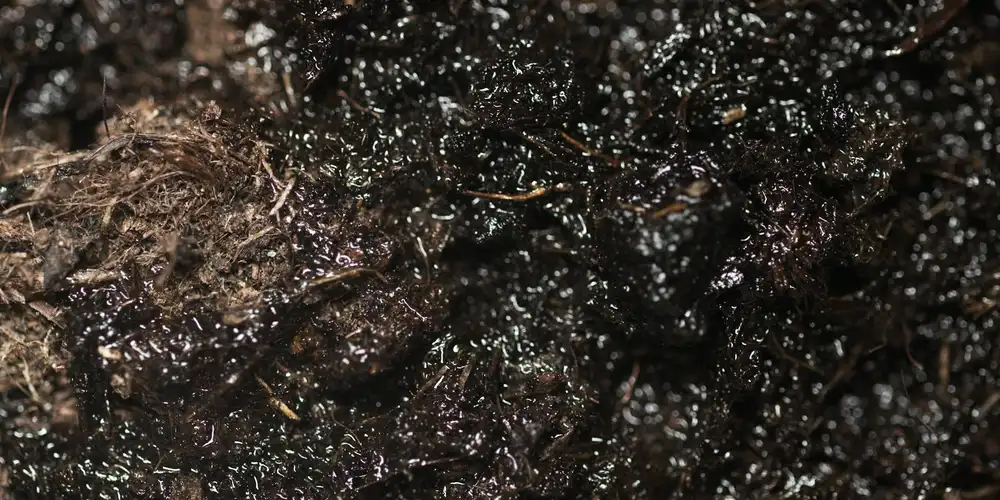
Coconut Coir and Coconut Fiber
Coconut coir is a soft, absorbent material made from coconut husks, ideal for holding moisture without becoming soggy. I use it regularly for Orwell, as it allows him to burrow easily and keeps the enclosure humid enough for his box turtle needs. It’s eco-friendly and dust-free, reducing respiratory risks.
- Holds moisture well for species that need higher humidity
- Soft texture minimizes risk of shell abrasions
- Renewable and biodegradable, supporting sustainable pet care
From my setup with Bronte, I found that mixing coir with other substrates adds variety and enrichment. Always moisten it slightly before use to prevent dust and make it easier for your turtle to manipulate.
Topsoil and Loam Mixes
Topsoil and loam are natural, earthy substrates that many turtles, like my Russian tortoise Austen, love for digging. These mixes provide a firm yet pliable surface that supports natural foraging behaviors without compacting too hard. Ensure it’s free from pesticides and fertilizers to avoid health hazards.
- Mimics wild environments, encouraging natural digging
- Holds shape for burrows but doesn’t collapse easily
- Can be blended with coconut coir for better moisture retention
I’ve noticed that topsoil helps maintain stable temperatures in the enclosure. Combine it with leaf litter to add texture and hiding spots, making your turtle feel more secure.
Cypress Mulch and Shredded Leaf Litter
Cypress mulch is a durable, aromatic option that resists mold and holds humidity effectively. For my Greek tortoise Bronte, it creates a cozy layer that she enjoys pushing around during her daily explorations. Shredded leaf litter adds natural debris, simulating forest floors and providing enrichment.

- Excellent for humidity control in dry climates
- Discourages mold growth, keeping the enclosure cleaner
- Leaf litter offers hiding places and encourages natural feeding behaviors
Always source cypress mulch from sustainable suppliers to protect ecosystems. I mix it with topsoil for Austen’s enclosure, giving him varied textures to explore and dig into.
When to Consider Play Sand
Play sand can be used sparingly in mixes to aid digging, but it should never be the sole substrate. In my experience, sand alone can cause impaction if ingested, so I only add a small amount to topsoil for Orwell’s box turtle setup. It helps create a more natural, sandy-loam texture that’s easy to burrow in.
- Use in moderation, mixed with soil or coir to reduce risks
- Provides a gritty texture that some turtles prefer for nesting
- Ensure it’s sterilized and free from sharp particles
Monitor your turtle closely when introducing sand to prevent health issues. I’ve found that a 30% sand to 70% soil ratio works well for temporary enrichment without compromising safety. DIY enrichment toys can make your turtle more engaged and curious at play. Simple, safe at-home ideas—like burying treats in a shallow layer of the sand-soil substrate—can extend enrichment without added risk.
Substrates to Actively Avoid for Safety
Some substrates might look appealing but can harm your turtle or tortoise. I learned this the hard way when Austen, my Russian tortoise, once nibbled on a substrate that caused digestive issues. Are there any toxic substrates in turtle enclosures? Yes—avoid cedar or pine shavings and other aromatic woods, and opt for safe, inert substrates. Always prioritize safety over aesthetics to keep your pet healthy.
Steer clear of these common but dangerous options:
- Sand: It’s fine and dusty, leading to respiratory problems or impaction if ingested. I avoid it completely after seeing how it irritated Bronte’s eyes.
- Gravel or small rocks: These can be sharp and cause shell injuries or internal blockages. Orwell, my box turtle, once tried to eat a pebble, and it was a scary moment.
- Cedar or pine shavings: The oils in these woods are toxic and can damage your pet’s respiratory system over time.
- Cat litter: Clumping varieties expand when wet, posing a severe ingestion risk that can be fatal.
- Anything with chemicals or dyes: Artificial colors or treated materials can leach harmful substances into the enclosure.
Choosing the wrong substrate can lead to vet visits and unnecessary stress for your animal. Stick to natural, digestible options to mimic their wild habitats safely.
Setting Up Your Substrate for Success
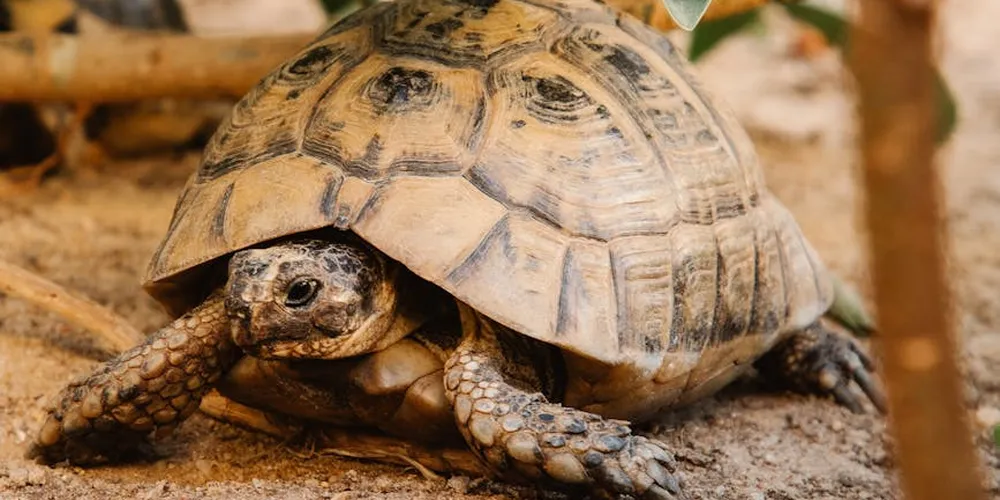
Once you’ve picked a safe substrate, proper setup makes all the difference. From my experience with Austen, Bronte, and Orwell, I’ve found that a well-prepared enclosure encourages natural behaviors and reduces health risks. Start by layering it evenly and checking for consistency.
Getting the Depth and Moisture Right
Depth and moisture levels vary by species, so tailor this to your turtle or tortoise. Getting this balance right helps prevent issues like shell rot or dehydration, which I’ve managed carefully with my pets. Use your hands to feel the texture-it should be comfortable for burrowing and holding moisture without being soggy. Proper humidity is essential for terrestrial turtles to maintain healthy skin and shells.
Follow these steps for optimal setup:
- Measure the depth: Aim for 2-4 inches for most species, but adjust based on size. For larger tortoises like Bronte, I go up to 6 inches to allow digging.
- Test moisture with a squeeze: Grab a handful-if water drips out, it’s too wet; if it crumbles, add water slowly. Orwell’s enclosure needs a damp feel, while Austen’s stays drier.
- Monitor regularly: Check every few days and mist as needed. I use a simple spray bottle to maintain humidity without overdoing it.
Proper depth and moisture support healthy shell growth and hydration, much like their natural environments. Adjust based on your pet’s behavior-if they’re burrowing more, they might need deeper substrate.
Maintaining a Healthy Substrate Environment
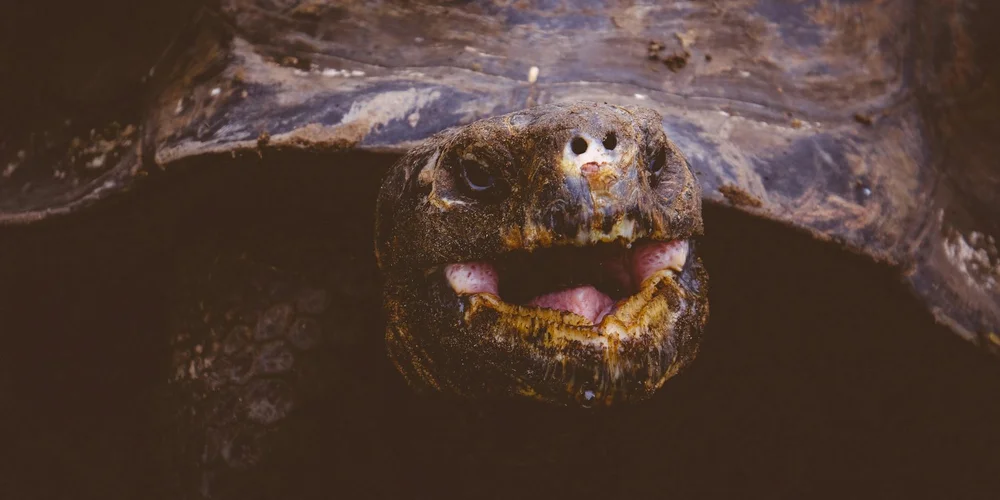
Keeping your turtle’s home clean is simpler than you might think. A consistent routine prevents health issues and keeps your pet comfortable in their environment. I follow a straightforward schedule with my own tortoises, Austen and Bronte, that has worked wonders for years. Here’s the ultimate turtle habitat cleaning schedule you can rely on: daily spot-cleaning, weekly substrate checks and changes, and monthly deep cleans. It’s easy to adapt to your tank or enclosure.
Your Simple Cleaning Schedule
Break maintenance down into daily, weekly, and monthly tasks. This makes the workload feel light and manageable.
- Daily Spot-Cleaning: Every morning, I quickly scan the enclosure for any waste or soiled food. I use a small cat-litter scoop to remove these spots immediately. This takes less than five minutes but makes a huge difference.
- Weekly Fluffing & Inspection: Once a week, I gently mix the top layer of substrate. This prevents compaction and allows me to check for any damp or smelly areas I might have missed during daily checks.
- Full Substrate Change: I perform a complete substrate replacement every four to six months. For my Russian and Greek tortoises, this schedule keeps their home fresh without causing unnecessary stress from constant disruption.
Warning Signs in the Substrate
Your substrate will tell you when something is wrong. Learning to read these signs is a crucial part of proactive pet care. I’ve caught minor issues early just by paying attention during my weekly inspections.
- Mold: Look for fuzzy white or green patches. This often appears if the substrate stays too wet without proper ventilation. I once found this in a particularly damp corner of Orwell’s enclosure after over-misting.
- Parasites: Tiny, fast-moving mites or a sudden, unpleasant sour smell can indicate an infestation. This is a clear signal that a full substrate change and habitat deep-clean is needed immediately.
- Ammonia Smell: A sharp, pungent odor means waste is breaking down and creating harmful fumes. This is a sign that your spot-cleaning routine needs to be more thorough or frequent.
Tailoring Substrate to Your Pet’s Specific Needs
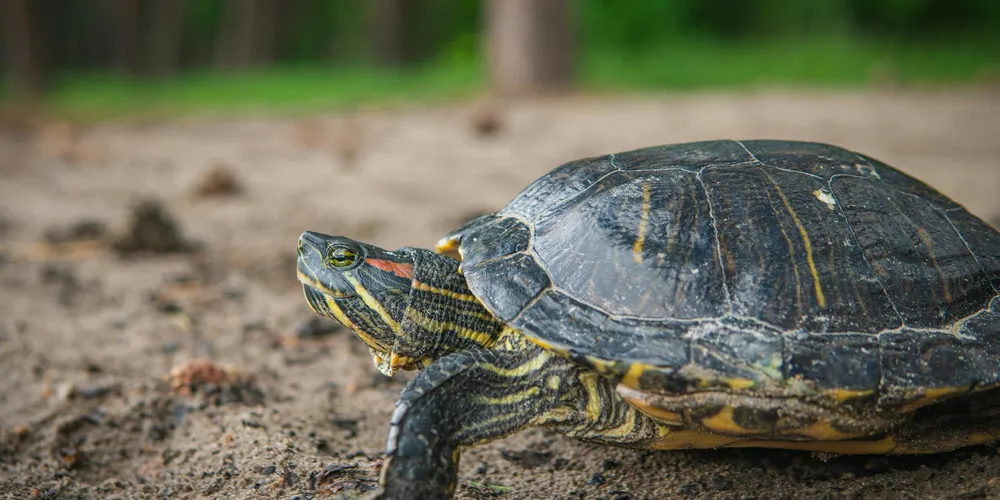
One substrate does not fit all. Your choice should be a direct reflection of your turtle’s species, age, and natural history. Watching how Austen, my Russian tortoise, interacts with his substrate differently than Orwell, my Box Turtle, taught me this firsthand. Best substrate options differ by species—terrestrial tortoises like Russians often fare better on dry, loose, well-draining mixes, while semi-aquatic and aquatic turtles may need moisture-retentive substrates. Understanding these species-specific needs helps you tailor your turtle’s setup.
Considering Age and Species
Think about where your pet comes from and what stage of life they are in.
- Hatchlings vs. Adults: Baby turtles are more delicate and can be prone to flipping over. I used a much shallower layer of fine topsoil for my tortoises when they were young to prevent any accidents.
- Dry-Climate Species: Tortoises like Russians and Greeks thrive on a mix that holds little moisture. A deep, sandy topsoil loam is perfect for them to dig and burrow in, mimicking their arid homelands.
- Humid-Climate Species: Forest species like Red-Footed Tortoises need more humidity. For them, I recommend a moisture-retentive base of coco-coir or cypress mulch, topped with a layer of leaf litter to recreate the forest floor.
Best Substrates for Encouraging Natural Burrowing
Digging is not just a pastime; it’s an instinct. Providing a substrate that allows for natural burrowing behavior reduces stress and promotes physical activity. I love watching Bronte meticulously dig a shallow burrow to rest in during the heat of the day.
- Topsoil/Loam Mixes: This is my top choice. It packs well enough to hold a burrow shape but is loose enough for easy digging. Ensure it is organic with no fertilizers or additives.
- Coco Coir: This material is excellent for burrowing because it’s soft and retains some structure. It’s especially good for species that enjoy a slightly more humid burrow.
The depth is critical. For most medium-sized tortoises, I provide a substrate layer at least 6 to 8 inches deep. This gives them enough material to completely bury themselves if they wish, which is a deeply satisfying behavior for them to express.
Plant-Friendly Substrate Blends
Adding live plants transforms an enclosure from a box into a miniature ecosystem. A planted vivarium is not only beautiful but also provides enrichment and hiding spots for your pet. I’ve had great success with hardy plants like spider plants and certain succulents in my dry-climate enclosures.
Creating a blend that supports plant life involves layers.
- Drainage Layer: Start with a base of small, clean stones or clay pebbles. This prevents water from pooling at the bottom and causing root rot.
- Separator: Place a mesh screen over the drainage layer to keep the soil from settling into it.
- Nutrient Layer: Add a rich, organic potting soil. This is where your plant roots will get their food. Make sure it is free of perlite and chemicals.
- Top Layer: Finish with a cap of your primary substrate, like a topsoil/sand mix or coco coir. This protects the nutrient soil and gives your turtle the right surface to walk on.
This layered approach has allowed me to maintain living plants that Orwell and Bronte can nibble on and hide amongst, making their space feel truly alive.
FAQs
What is the best tortoise substrate?
Coconut coir and topsoil mixes are highly recommended for their safety and versatility. They provide a natural feel, support digging, and help maintain proper humidity levels without health risks.
What is the best tortoise substrate for burrowing?
Topsoil and loam blends are excellent for burrowing because they pack well to hold burrow shapes. Coconut coir is also great as it’s soft and easy for tortoises to dig into comfortably.
What is the best tortoise substrate for plants?
A layered setup with drainage materials, nutrient-rich soil, and a top layer like coco coir supports plant growth effectively. This blend ensures plants thrive while providing a safe surface for your tortoise.
What is the best substrate for a tortoise enclosure?
Choose substrates like coconut coir or cypress mulch that suit your tortoise’s species and enclosure needs. Proper depth and moisture control are key to creating a healthy, enriching environment. That setup also helps you create a perfect indoor tortoise enclosure. Include a basking area and secure hides for enrichment and shelter.
What substrate do tortoise owners commonly recommend?
Many owners favor coconut coir and organic topsoil for their natural properties and ease of use. These options are popular for promoting burrowing and maintaining stable humidity in the enclosure.
Your Turtle’s Foundation for a Happy Life
The best substrate for your turtle or tortoise depends entirely on its species and natural habits, so always research your pet’s specific needs first. A proper substrate supports natural digging and burrowing behaviors, which are fundamental to your pet’s mental and physical health.
Remember that your commitment to learning and adapting your care is the most important element of your pet’s habitat. Observing your turtle’s behavior closely will always be your best guide to providing a thriving, enriching home. These observations are a core part of the care land aquatic turtles essential guide. They translate into practical steps for lighting, basking spots, and water quality.
Further Reading & Sources
- Substrate Be Used In Tortoise Box | Tortoise | Turtle Times
- Sulcata tortoise Substrate – Tortoises for Sale | Baby Turtles for Sale Online | Tortoise Town
- Tortoise Trust Web – Understanding Vivarium Substrates
- Best Tortoise Substrates – The Tortoise Keeper
Matthew is a dedicated turtle enthusiast and conservationist with over 15 years of experience in reptile care. Known affectionately as "The Leatherback" among his peers, he combines his passion for turtles with a commitment to educating pet owners on responsible turtle care and environmental stewardship.
Substrate and Flooring