
Best Substrate Choices for Your Turtle Species
Published on: December 30, 2025 | Last Updated: December 30, 2025
Written By: Matthew The
Selecting the right substrate for your turtle can feel overwhelming, especially when you’re worried about their safety and comfort in their habitat.
We’ll cover: substrate types, species-specific picks, setup guidance, and common mistakes, all drawn from my experience with tortoises like Austen and Bronte.
Why Your Turtle’s Flooring Matters
Think of your turtle’s substrate as more than just decoration. It is the very foundation of their world, impacting everything from their physical health to their mental well-being. I’ve seen firsthand how the wrong choice can lead to stress, shell damage, and even serious health issues.
A proper substrate allows for natural behaviors like digging and burrowing. This instinctual activity is vital for exercise and provides a profound sense of security. My Russian tortoise, Austen, will spend hours methodically rearranging his corner, and it’s a clear sign he feels at home.
From a health perspective, the right floor helps maintain proper humidity and is easy to keep clean. An unsuitable or dirty substrate can become a breeding ground for bacteria and fungus, leading to shell rot and respiratory infections. Your choice directly affects your pet’s longevity.
Aquatic Turtle Substrate Choices
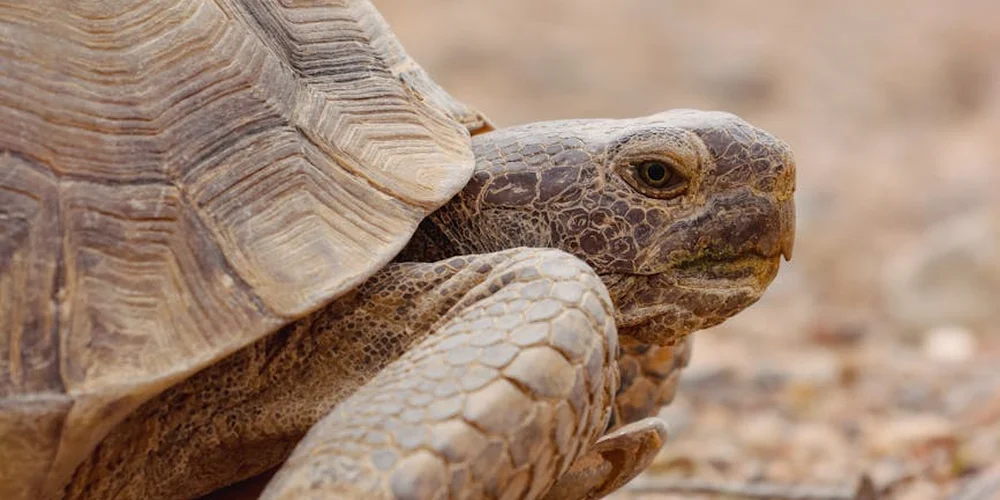
For turtles that live mostly in water, your substrate decision is crucial for safety and maintenance. The golden rule is to avoid anything small enough to be accidentally eaten, as impaction is a silent and deadly risk.
Bare-Bottom Tanks
Many experienced keepers, including myself, often start with a bare tank bottom. This setup is incredibly easy to clean and eliminates any risk of your turtle ingesting substrate. You can always add smooth, large rocks later for decoration.
- Pros: Simplifies cleaning and waste removal. Zero risk of impaction.
- Cons: Does not provide a natural-looking environment. Can be slippery.
Large, Smooth River Rocks
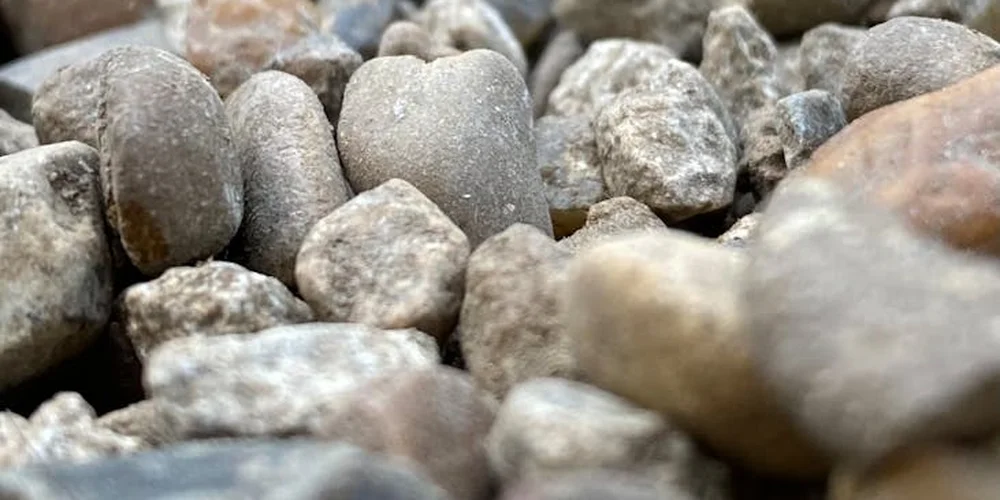
If you want a more natural aesthetic, large river rocks are a fantastic option. Choose stones that are significantly larger than your turtle’s head to prevent any chance of swallowing. I use these in my aquatic setup, and they provide excellent traction.
- Pros: Natural appearance. Prevents accidental ingestion.
- Cons: Debris can fall between rocks, requiring thorough cleaning.
Aquarium Sand
Fine, washed aquarium sand is generally safe for most aquatic turtles. Because the particles are so tiny, they usually pass through the digestive system if ingested in small amounts. Always use sand made specifically for aquariums.
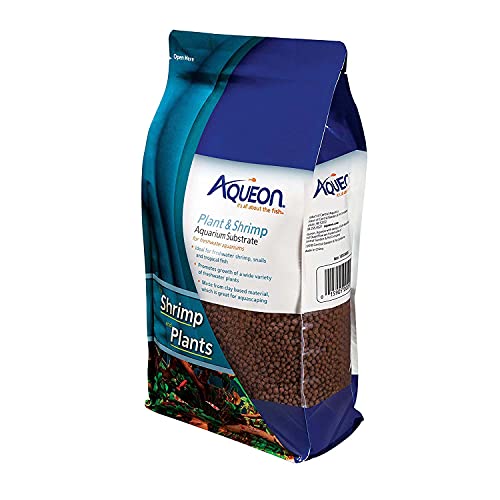
- Pros: Allows for natural digging and foraging behavior.
- Cons: Can cloud the water initially. Requires a powerful filter.
I strongly advise against using small gravel in any aquatic turtle enclosure. It is the perfect size to be mistaken for food and is the most common cause of fatal intestinal blockages.
Semi-Aquatic Turtle Ground Cover
Semi-aquatic turtles, like sliders and cooters, thrive in environments that balance water and land elements. Choosing the right substrate prevents health issues and mimics their natural habitats for happier, active pets. I’ve seen how improper ground cover can lead to shell rot or digestive problems in these species. Proper care for both their land and aquatic needs is essential to maintain their health and vitality.
Start with smooth river rocks or large gravel for the aquatic area. These materials are easy to clean and reduce the risk of your turtle accidentally swallowing small pieces. Avoid sharp-edged stones that could injure delicate skin or shells. For overall turtle well-being, create a basking area with hiding spots to give your turtle safe, comfortable resting spots. A well-designed basking zone with hiding places helps regulate temperature and reduce stress.
For the dry basking spots, use a mix of sand and soil. This combination allows for natural digging behavior while providing a stable surface for resting. I recommend a depth of 2-3 inches to encourage burrowing without making it too difficult to maintain.
- River rocks: Durable and non-toxic, ideal for water sections.
- Pool filter sand: Fine texture that’s safe if ingested in small amounts.
- Cypress mulch: Holds moisture well for humid microclimates.
- Avoid calcium-based sands: They can clump and cause impaction over time.
Regularly check and replace wet or soiled substrate to keep the enclosure fresh. Weekly partial changes help maintain water quality and prevent bacterial growth. From my experience, a clean setup reduces stress and supports overall turtle wellness, especially when it comes to cleaning and replacing turtle substrate.

Terrestrial Turtle Flooring Solutions
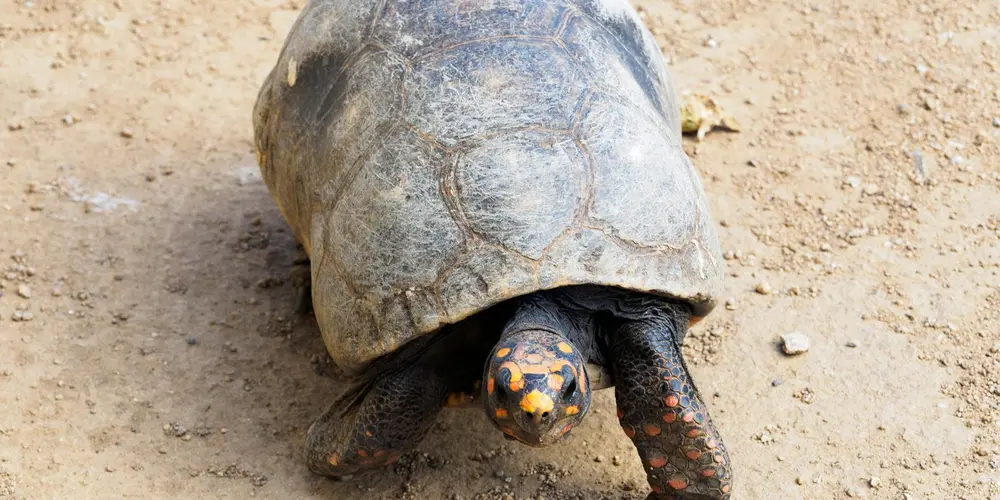
Terrestrial turtles, such as my Russian tortoise Austen, need substrates that support digging and mimic arid or forest floors. Proper flooring prevents foot injuries and encourages natural behaviors like burrowing for security. Be mindful of common enclosure mistakes to avoid, such as hard, compacted substrates or insufficient digging space. I’ve found that a deep, loose bedding makes all the difference for their comfort.
Coconut coir is a top choice for many keepers. It holds moisture without becoming soggy, which helps maintain ideal humidity levels for species like Greek tortoises. My Bronte loves to nestle into it during cooler evenings.
Orwell, my box turtle, prefers a mix of organic topsoil and sphagnum moss. This blend allows him to create hiding spots and regulate his body temperature effectively. Always ensure any soil used is free from pesticides or fertilizers.
- Choose a substrate depth of 4-6 inches for adult turtles to enable full burrowing.
- Mix materials like cypress mulch with coconut coir for varied texture and moisture retention.
- Spot-clean daily to remove waste and prevent mold growth.
- Replace the entire substrate every 3-4 months to avoid compaction and odor buildup.
Monitor your turtle’s behavior to gauge if the substrate suits them. Signs of contentment include frequent digging and relaxed basking without attempts to escape. If nesting behavior is present, ensure the substrate is deep and suitable for burrowing. Proper substrate supports natural digging and nesting instincts. I adjust mixes based on seasonal changes to keep my turtles thriving year-round.
Natural Material Options Explained
Let’s get our hands dirty and explore the wonderful world of natural substrates. These materials mimic what your turtle would find in the wild, which is fantastic for their mental and physical well-being. Choosing the right natural substrate can encourage natural digging and foraging behaviors, making your pet’s enclosure feel like a true slice of home. To truly create a naturalistic turtle habitat, pair the substrate with proper decor—driftwood, rocks, and live plants—to mimic their wild environment and provide hiding and basking spots. Thoughtful decor enhances both aesthetics and welfare, helping turtles explore and thrive in a space that looks and feels like their natural home.
Topsoil and Play Sand Mix
This combination is my personal go-to for my Russian and Greek tortoises, Austen and Bronte. I’ve found it holds burrows beautifully and is completely safe if a little is ingested during mealtime.
- Ideal For: Most tortoise species and many box turtles.
- Key Benefit: Holds moisture to maintain humidity for species that need it.
- My Mixing Tip: Use a 70% topsoil to 30% play sand ratio. Always ensure the topsoil is organic with no additives or fertilizers.
Coconut Coir
This fluffy, earthy substrate made from coconut husks is a superstar for moisture. It’s incredibly absorbent and helps maintain the stable, humid microclimates that many tropical and juvenile turtles thrive in.
- Ideal For: Red-footed tortoises, younger turtles, and high-humidity enclosures.
- Key Benefit: Resists mold and is a sustainable, renewable resource.
- My Experience: It can be a bit messy when dry, so I lightly mist the surface to keep dust down.
Cypress Mulch
A classic choice for a reason, cypress mulch is resistant to decay and holds humidity well without getting soggy. Its chunkier texture provides excellent structure for turtles to navigate and burrow under.
- Ideal For: Box turtles and many semi-aquatic species in the terrestrial part of their enclosure.
- Key Benefit: Naturally resists mold and pests.
- My Advice: Avoid any mulch that contains cedar or pine, as the aromatic oils can be harmful to your turtle’s respiratory system.
Simple Substrate Alternatives
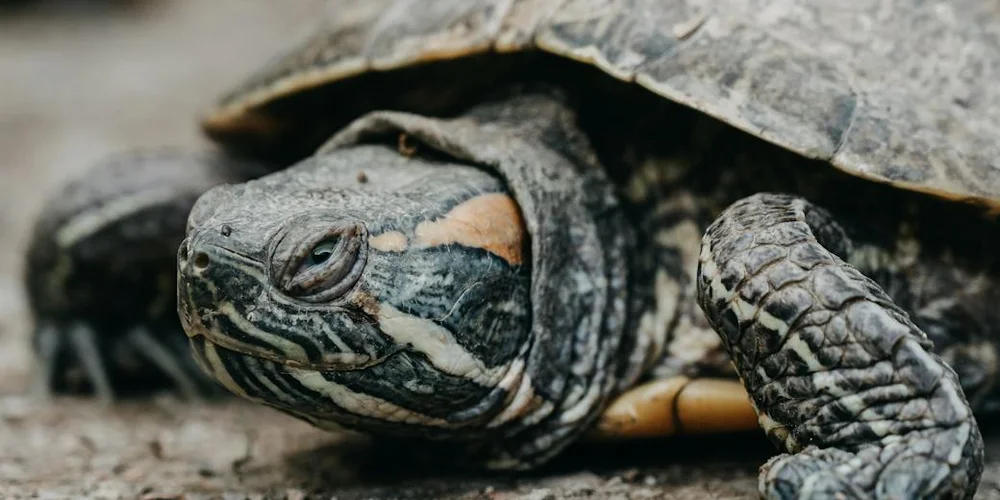
Not every setup needs a complex, natural floor. Sometimes, simpler is better, especially for ease of cleaning or specific health needs. A clean, straightforward substrate can be the most responsible choice for a turtle recovering from illness or for a novice keeper. Pair this approach with an ultimate turtle habitat cleaning schedule to keep maintenance predictable and thorough. A regular routine makes cleaning fast and ensures a healthier environment for your turtle.
Paper-Based Substrates
This includes plain white paper towels, butcher paper, or unprinted newspaper. I used this extensively with Orwell when he was a hatchling and needed close monitoring.
- Ideal For: Quarantine tanks, hospital enclosures, and hatchling setups.
- Key Benefit: Allows for daily observation of droppings and overall health.
- My Warning: It offers zero enrichment and must be changed daily to maintain a hygienic environment.
Bare-Bottom Enclosures
While it may seem stark, a bare enclosure floor is sometimes the best option. This setup eliminates any risk of impaction and makes spot-cleaning a matter of seconds.
- Ideal For: Turtles with a history of eating substrate, very ill pets, or certain aquatic species.
- Key Benefit: Ultimate ease of sanitation and health monitoring.
- My Take: To prevent stress, you must provide ample other forms of enrichment like hides, rocks, and visual barriers if you choose this route.
Substrate Safety and Health Considerations
Choosing the wrong substrate can turn your turtle’s home from a sanctuary into a hazard zone. I learned this the hard way when my Russian tortoise, Austen, once ingested a small piece of decorative bark, leading to a very stressful vet visit. That experience cemented my belief that safety is the non-negotiable foundation of any substrate choice. Are there any toxic substrates or decor to avoid in turtle enclosures? Knowing which materials pose a risk helps you choose safer options.
Preventing Impaction Risks
Impaction, a serious digestive blockage, is a primary concern with loose substrates.
- Avoid Calci-Sand and Crushed Walnut Shells: These products are often marketed for reptiles but can clump dangerously inside your turtle.
- Stick to larger, smooth river rocks for aquatic setups that are too big to be eaten.
- For tortoises like my Bronte, ensure any soil or coconut coir is free of small, hard objects they might accidentally consume while grazing.
Maintaining Hygiene and Cleanliness
A dirty substrate is a breeding ground for bacteria and fungus. Your nose is one of your best tools; a foul smell from the enclosure is a clear signal the substrate needs immediate attention.
- Spot-clean daily, removing any visible waste or uneaten food.
- Perform a full substrate change on a regular schedule, which varies depending on the material and your turtle’s species and size.
- Always provide a separate, clean feeding slate or dish to minimize food contact with the main substrate.
Creating Custom Substrate Blends
Sometimes, the perfect substrate isn’t a single product but a personalized mixture you create. Mixing your own blend allows you to tailor the texture, moisture retention, and burrowing quality to your specific turtle’s natural behaviors and needs. It’s like mixing a custom soil for a prized plant.
A Simple, Versatile Base Recipe
This is my go-to starting point for many terrestrial and semi-aquatic species.
- Start with two parts organic, fertilizer-free topsoil or coconut coir as your moisture-holding base.
- Add one part play sand (never construction sand) to improve drainage and mimic a natural earth texture.
- Mix in one part sphagnum moss to help retain humidity and provide soft, burrowable material.
- Combine thoroughly in a large tub, breaking up any clumps.
Tailoring the Blend for Your Turtle
Once you have your base, you can customize it.
- For High-Humidity Species: Increase the ratio of sphagnum moss and coconut coir. My box turtle, Orwell, loves a blend with extra moss in his humid hide.
- For Arid-Loving Tortoises: Use more topsoil and sand, with just a small handful of moss mixed in to create occasional damp microclimates.
- For Better Burrowing: A deeper substrate layer of 4-6 inches is crucial. Ensure the mixture is loose and not compacted so your turtle can dig naturally and comfortably.
FAQs
What substrates should be avoided for baby turtles?
Avoid small gravel and calci-sand, as they are easily ingested and can cause fatal impaction in young turtles. Instead, opt for safer options like paper towels or fine aquarium sand to minimize risks.
Can turtles accidentally ingest substrate and cause impaction?
Yes, turtles may accidentally eat substrate while feeding, leading to dangerous intestinal blockages. Choosing large, smooth rocks or fine particles that pass through the digestive system can prevent this issue. Make sure to feed your turtle properly to avoid such risks.
How does substrate choice affect turtle health and shell condition?
Proper substrate reduces stress and supports natural behaviors, which helps maintain a healthy shell and overall well-being. In contrast, poor choices can cause shell abrasions, infections, or impaction over time.
Which substrate is easiest to clean in a turtle tank?
Bare-bottom tanks are the simplest to clean, allowing quick waste removal and reducing bacterial buildup. Large river rocks also facilitate easier maintenance compared to finer substrates that trap debris.
Do turtles need a substrate that helps with basking heat?
Substrates like sand or soil can retain heat and provide a warm surface for basking, enhancing comfort. However, it’s not strictly necessary if basking areas are adequately heated with proper lamps and platforms.
Your Turtle’s Happy, Healthy Habitat Awaits
From watching Austen thrive on his soil-and-sand mix, I’ve learned that the best substrate supports your turtle’s natural digging and foraging instincts. Tailor your choice to your specific species’ needs, focusing on safety, cleanliness, and environmental enrichment to prevent stress and illness. So, for the best substrate for a terrestrial turtle or tortoise enclosure, prioritize drainage, easy cleanup, and a safe texture. A substrate that supports burrowing, thermal gradients, and environmental enrichment helps translate their natural habitat into a healthy, low-stress home.
Caring for turtles like Bronte and Orwell has taught me that responsible ownership is a lifelong commitment to their well-being. Keep exploring and adapting your care practices as you learn more, ensuring your turtle enjoys a vibrant, fulfilling life under your watch.
Further Reading & Sources
- r/Redearedsliders on Reddit: What substrate should I use for my turtle tank. I don’t like big stone and bare bottom. Anyone have a suggestion?
- Box turtle substrate | What is best type substrate for box turtles for sale?
- Using River Rocks For Aquatic Turtle | Turtle | Turtle Times
- Proper Substrate for the Turtle Tank – TropicZone Specialty Pet Foods
Matthew is a dedicated turtle enthusiast and conservationist with over 15 years of experience in reptile care. Known affectionately as "The Leatherback" among his peers, he combines his passion for turtles with a commitment to educating pet owners on responsible turtle care and environmental stewardship.
Substrate and Flooring