
Green Sea Turtle Habitat: A Home in the Ocean
Published on: April 17, 2026 | Last Updated: April 17, 2026
Written By: Matthew The
If you’re curious about where green sea turtles live and worry about the threats to their watery homes, you’re not alone-many share your concern for these gentle ocean wanderers.
This guide covers nesting beaches, feeding grounds, migration routes, and simple ways to support their conservation.
The Vast Blue Neighborhood of the Green Sea Turtle
Green sea turtles call the warm, sun-drenched waters of tropical and subtropical oceans their home. Unlike my Russian tortoise Austen, who thrives on dry land with his gentle pace, these marine giants glide through coral reefs and seagrass meadows with a fluid grace. Their habitat spans vast areas, from the Caribbean to the Indo-Pacific, where water temperatures stay comfortably above 68°F (20°C).
You might picture them lounging in shallow coastal zones, and you would be right. Adult green sea turtles often frequent bays, lagoons, and areas rich in seagrass, which forms the bulk of their diet. I have seen how my Greek tortoise Bronte carefully selects her greens, and in a similar way, sea turtles rely on healthy seagrass beds for nutrition. It’s interesting to learn what constitutes the diet of green sea turtles compared to other species.
- Coral Reefs: Provide shelter and cleaning stations where fish remove parasites.
- Seagrass Beds: Essential feeding grounds; think of them as underwater pastures.
- Estuaries and Bays: Serve as nurseries and resting spots, especially for juveniles.
Protecting these areas is vital for their survival, as pollution and coastal development threaten their food sources. In my experience advocating for animal welfare, I have learned that preserving these marine environments ensures turtles can thrive without human interference. You can help and save endangered sea turtles by supporting conservation efforts.
A Turtle’s Changing Home: From Hatchling to Adult
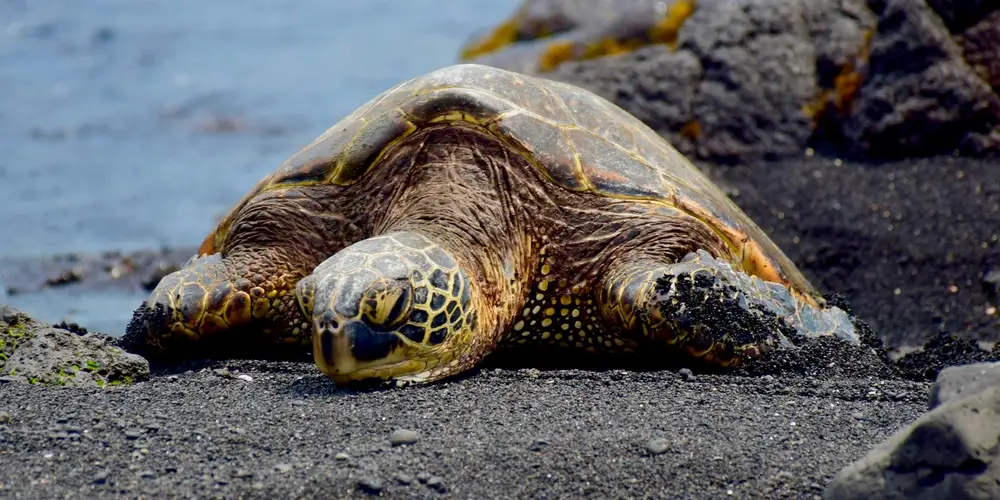
From the moment they hatch, green sea turtles embark on a remarkable journey through different habitats. Hatchlings burst from sandy nests on remote beaches during the nesting and hatching seasons, scrambling to the ocean, driven by instinct to avoid predators like birds and crabs. This initial phase is perilous, and only a small fraction survive to adulthood.
Once in the water, young turtles enter the pelagic zone, living among floating seaweed and ocean currents. They spend their early years in the open ocean, far from shore, feeding on jellyfish and other small creatures. This nomadic lifestyle contrasts sharply with my box turtle Orwell, who prefers a stable, enclosed space, as she can’t live in water like sea turtles.
- Hatchling Stage: Live in the open ocean; avoid shallow waters to evade predators.
- Juvenile Stage: Migrate to coastal areas like seagrass beds; start shifting to a herbivorous diet.
- Adult Stage: Return to natal beaches for nesting; reside in neritic zones with abundant seagrass.
As they mature, their habitat shifts to shallower, coastal regions where seagrass is plentiful. This transition highlights the importance of interconnected ecosystems, from deep blue expanses to vibrant coastal shelves. I have observed how habitat changes affect behavior in my own tortoises, reminding me that every turtle species depends on specific environments for growth and reproduction.
Animal welfare efforts must focus on each life stage, from protecting nesting sites to reducing bycatch in fishing gear. By understanding these dynamic habitats, we can better support conservation initiatives that keep their oceanic homes safe and thriving.
Essential Coastal Hangouts for Green Sea Turtles
Green sea turtles spend much of their lives in shallow coastal waters, where they find food and shelter. These areas act like bustling underwater cities, full of life and resources that keep turtles healthy and thriving. From my time observing turtles like my gentle Russian tortoise Austen, I’ve seen how critical the right environment is-sea turtles rely on specific spots to meet their daily needs.
- Seagrass beds: These underwater meadows are their primary feeding grounds, rich in nutrients.
- Coral reefs: Offer hiding places from predators and resting spots during the day.
- Estuaries and bays: Serve as nurseries for young turtles, providing calm, protected waters.
I’ve noticed that just as my Greek tortoise Bronte seeks out sunny patches, green sea turtles gravitate toward warm, sunlit shallows to regulate their body temperature. Protecting these coastal zones is vital, as pollution and development can destroy their homes and food sources. Climate change is intensifying hazards for sea turtles by warming oceans and altering currents. Pollution—from plastics to chemical runoff—also threatens their food sources and nesting beaches. Always support conservation efforts to keep these habitats safe for wildlife.
Sun, Sand, and Survival: The Nesting Beach
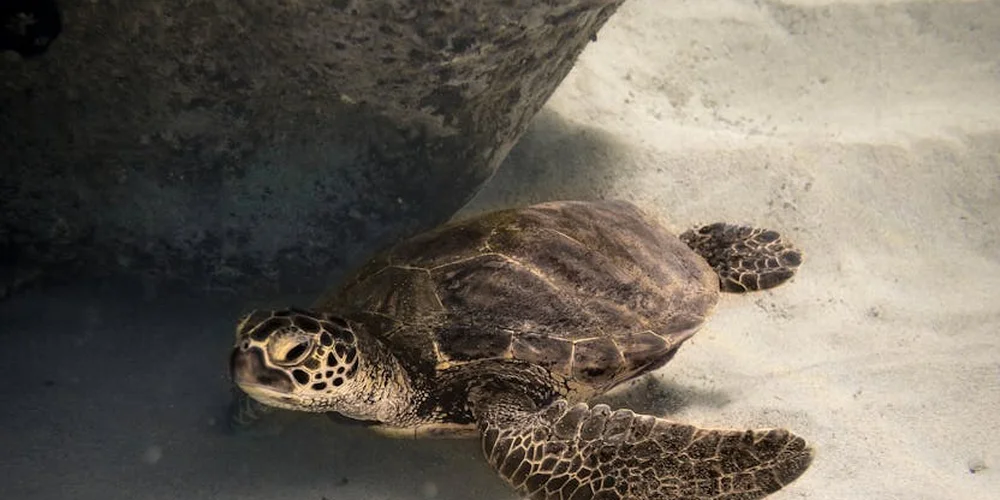
When it’s time to nest, female green sea turtles return to the same sandy beaches where they were born. This instinctual journey is a delicate balance of endurance and precision, often under the cover of night to avoid threats. Having watched my box turtle Orwell carefully choose spots to burrow, I appreciate how sea turtles meticulously dig nests in the soft sand.
- They crawl ashore and scout for a safe, dry area above the high-tide line.
- Using their flippers, they dig a deep hole to lay dozens of eggs.
- After covering the nest, they return to the sea, leaving the eggs to incubate.
The warmth of the sun helps the eggs develop, but predators like crabs and birds pose risks. Human activities, such as beach lighting or litter, can disorient hatchlings and reduce their chances of survival. Turtle egg laying is a key nesting behavior, with females returning to beaches to dig nests and lay eggs. Protecting nesting sites helps ensure these nests can be laid and hatchlings have a chance. I urge you to respect nesting sites by keeping beaches clean and dark during turtle season—every small action supports their incredible life cycle.
Spotting Green Turtles: A Guide to U.S. Coastal Waters
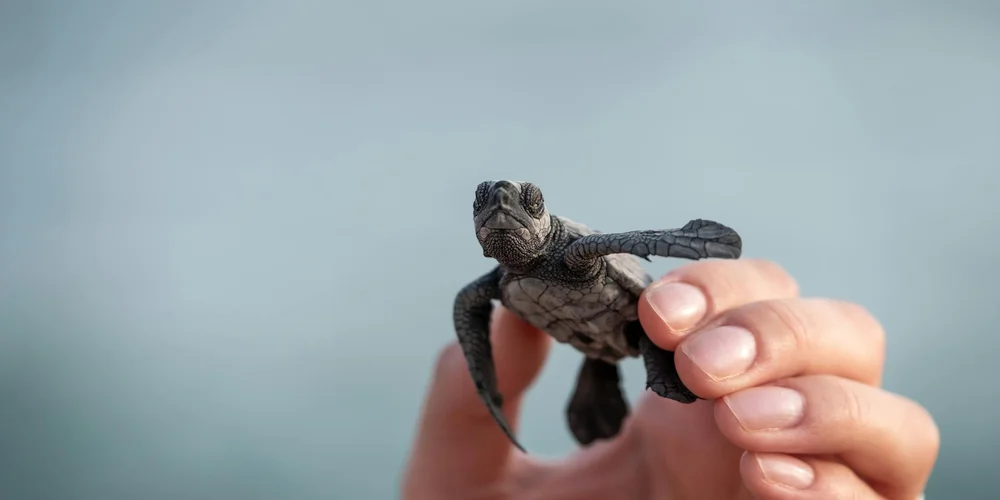
You might dream of seeing a green sea turtle glide through the water, and lucky for you, several U.S. coasts offer glimpses into their world.
From Florida’s warm shores to Hawaii’s vibrant reefs, these turtles frequent areas rich in seagrass beds and coral ecosystems.
Look for them in shallow, protected bays and lagoons where they come to feed and rest during the day.
Based on my visits to coastal regions, I’ve found that early morning or late afternoon hikes along beaches can reveal turtles swimming near the surface. To see them in the wild, focus on protected beaches with nearby seagrass beds and shallow bays. For more information on where to see sea turtles, check out where to see sea turtles. Dawn or dusk during nesting season is often best.
Here are prime spots to start your search:
- Florida Keys, especially during summer months when nesting occurs
- Hawaiian Islands, with Maui and Oahu having consistent sightings
- Southern California, where some populations feed in eelgrass habitats
- Texas Gulf Coast, particularly in protected national seashores
Remember, always observe from a distance to avoid stressing these protected animals.
Respecting their space ensures they can continue their natural behaviors without human interference.
Why We Can’t Recreate an Ocean at Home
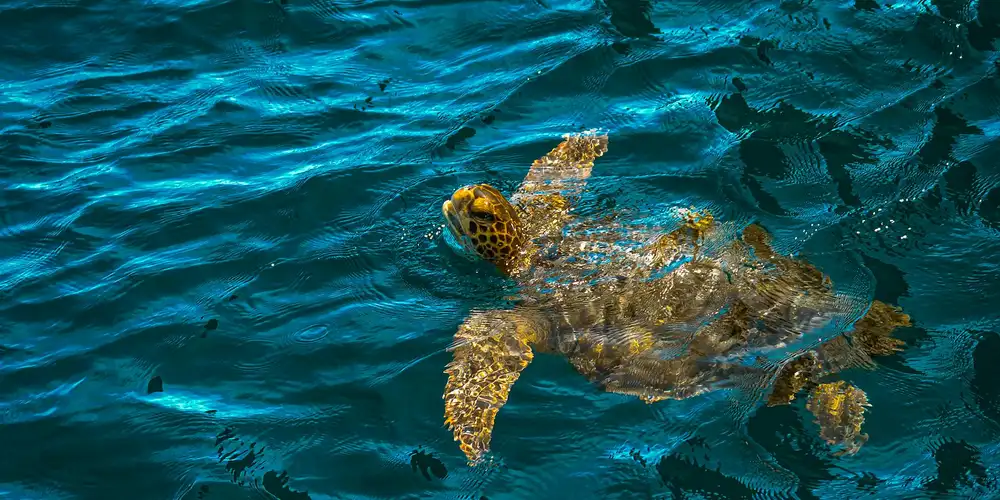
As someone who cares for land turtles like my Russian Tortoise Austen, I know firsthand that even simple habitats demand attention.
But green sea turtles live in a realm we simply cannot mimic indoors.
Their need for vast, open saltwater spaces makes home captivity both impractical and harmful.
Think about it: these turtles migrate across oceans, something no tank can ever provide.
Here’s why trying to keep one as a pet fails every time:
- They grow over three feet long and need room to swim freely, unlike my smaller tortoises
- Saltwater systems require constant monitoring of pH and salinity, which is complex and costly
- Their diet consists mainly of seagrass and algae, which degrade quickly outside natural settings
- Legal protections under the Endangered Species Act make it illegal to capture or keep them
I’ve seen well-meaning people attempt similar setups, only to realize the stress it causes the animal.
Choosing to admire green turtles in the wild supports their survival and well-being far more than any captive effort could.
FAQs
What are some interesting facts about green sea turtle habitats?
Green sea turtles help maintain healthy seagrass beds by grazing, which encourages new growth and supports other marine life. They can migrate over 1,400 miles between feeding grounds and nesting beaches, showcasing their incredible navigation skills. They migrate to reach nesting beaches to lay eggs and to find productive feeding grounds, often crossing vast ocean distances.
How is the habitat of a green sea turtle different from a pet turtle’s home?
Green sea turtles live in vast, open saltwater oceans with natural currents and tides, unlike pet turtles that dwell in controlled freshwater tanks. They rely on expansive seagrass meadows and coral reefs for food and shelter, which cannot be replicated in a home setup, especially since sea turtles cannot live in freshwater habitats.
What specific water conditions do green sea turtles need in their habitat?
Green sea turtles require saltwater with consistent salinity levels of about 30-35 parts per thousand to mimic their natural ocean environment. They also need clean, pollutant-free water to prevent diseases and support their herbivorous diet of seagrass and algae. Monitoring essential water quality parameters—such as salinity, temperature, pH, and toxin levels—helps determine whether a turtle tank is healthy. Regular testing ensures these conditions stay within safe ranges to support their long-term health and wellbeing.
Honoring the Ocean’s Guardians
Green sea turtles thrive only in vast, open marine environments, which home aquariums simply cannot replicate. For a fulfilling pet experience, choose a turtle species like my Russian tortoise, Austen, whose habitat needs you can fully meet in a controlled setting.
Responsible pet ownership starts with thorough research into a turtle’s natural behaviors and lifelong care requirements. Commit to ongoing learning about turtle welfare, ensuring your shelled friend lives a healthy, enriched life under your care.
Further Reading & Sources
- Green Turtle | NOAA Fisheries
- Green Sea Turtle | National Wildlife Federation
- Green sea turtle facts for kids | National Geographic Kids
- Green Sea Turtle Critical Habitat – Pacific Islands | U.S. Fish & Wildlife Service
Matthew is a dedicated turtle enthusiast and conservationist with over 15 years of experience in reptile care. Known affectionately as "The Leatherback" among his peers, he combines his passion for turtles with a commitment to educating pet owners on responsible turtle care and environmental stewardship.
Freshwater vs. Saltwater