
Where Do Box Turtles Live in the Wild?
Published on: April 17, 2026 | Last Updated: April 17, 2026
Written By: Matthew The
If you’re curious about where box turtles live in the wild, you might worry about habitat loss or how to find them without causing harm.
This article covers their geographic range, preferred environments, seasonal habits, and responsible observation tips.
Box Turtle Geographic Range Across North America
You’ll find these charming reptiles scattered across much of the United States, though their presence is notably absent from the arid southwest and the colder northernmost states. Their distribution paints a vivid picture of North America’s varied landscapes.
- Eastern Box Turtle: Thrives east of the Mississippi River, from Maine and southern Michigan all the way down to Florida and Texas.
- Western Box Turtle (Ornate Box Turtle): Prefers the central grasslands, found from the Great Plains states like South Dakota and Nebraska down through Texas and into parts of Louisiana and New Mexico.
- Other Notable Species: The Gulf Coast box turtle hugs the coastline from Florida to Louisiana, while the Three-toed box turtle occupies a central band from Missouri to Alabama.
Picture a map of the U.S. with a dense cluster of turtles east of the Mississippi and a broad, sparser swath across the country’s midsection. This separation by the great river highlights how species have adapted to distinct eastern forests and central plains.
The Box Turtle’s Natural Habitat: From Forest Floor to Wetland Edges

My own box turtle, Orwell, has taught me that his wild cousins are creatures of the edge. They rarely live in deep, dark forests or wide-open fields, but in the magical in-between spaces. They seek out transitional zones where different environments meet. For people who keep turtles as wild pets, recreating those edge habitats in enclosures can be key. A setup that offers both moist and dry areas, plus basking spots and shade, helps turtles thrive.
You will most often find them in deciduous woodlands, along the grassy margins of fields, and near the soft, damp earth of ponds, marshes, and slow-moving streams. This variety provides a daily buffet of options for food, temperature, and safety.
- Leaf Litter & Fallen Logs: A thick carpet of leaves is their supermarket and their sanctuary. It hides them from hawks and raccoons, harbors tasty insects and worms, and holds precious moisture.
- Sandy Loam Soil: This type of earth is perfect for their needs. It’s soft enough for a turtle to dig a shallow burrow to escape the midday heat or cool night air, yet stable enough to hold its shape.
- Access to Water: While not swimmers like aquatic turtles, they must have shallow water for drinking and soaking to stay hydrated and regulate their body temperature.
Every element of this habitat works in harmony. A rotting log offers slugs to eat and a cool, damp space underneath to retreat. The forest floor acts as a natural thermostat and humidifier, crucial for a reptile that cannot generate its own body heat. Watching Orwell navigate his enclosure, I see this same instinct to move from sun to shade, from dry ground to his water dish, replicating the daily journey of a wild box turtle.
Daily and Seasonal Life in a Wild Box Turtle Habitat
A box turtle’s day is a beautiful, slow-moving rhythm dictated by the sun. Their daily routine is a cycle of basking to warm up, foraging for food, and retreating to cool, damp cover to regulate their body temperature. My own box turtle, Orwell, still follows this ingrained pattern in his enclosure, moving from his basking lamp to his food dish and then to his favorite hide.
A Day in the Life
- Morning Bask: They emerge from overnight shelters to soak up the morning sun, which is vital for digestion and overall health.
- Midday Forage: As they warm up, they begin their search for food, meandering through leaf litter and soft soil.
- Afternoon Cover: To escape the peak heat, they seek shelter under logs, dense plants, or by burrowing into cool, damp earth.
- Evening Exploration: Often, they become active again in the cooler, humid evening hours.
Seasonal Shifts in Behavior
Their year is marked by profound seasonal changes. In late autumn, as temperatures drop, they enter a state of brumation, which is similar to hibernation for reptiles. They dig deep burrows or find pre-existing animal dens below the frost line to sleep through the winter.
Summer presents the opposite challenge. During heatwaves, they aestivate, becoming dormant to conserve energy and moisture. You might find them buried in mud at the edges of forests or deep within the cool root systems of large trees.
An Omnivore’s Buffet
Their varied diet is a direct reflection of their habitat’s offerings. Being opportunistic omnivores, they eat what is seasonally available, which keeps their nutrition balanced. I strive to mimic this variety for Orwell.
- Spring & Summer: They consume more protein, like earthworms, slugs, and insects found in the damp soil.
- Late Summer & Fall: Their diet shifts towards fruits, berries, mushrooms, and leafy greens as these become abundant.
Why Understanding Wild Habitats is Vital for Pet Box Turtle Care
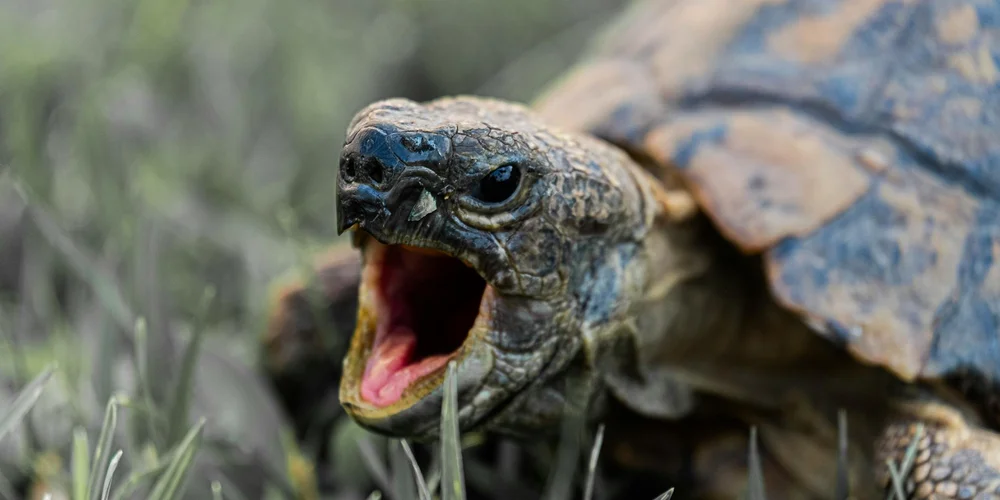
Caring for a box turtle is not about inventing a new way of life for them; it is about respectfully replicating the one they are evolutionarily designed for. The single most important thing you can do for your pet box turtle is to thoughtfully mimic the key aspects of their wild habitat. A well-planned bioactive enclosure for a box turtle is one practical way to do this, providing live plants, beneficial microfauna, and appropriate substrate to support natural behaviors. This approach also helps maintain humidity and environmental complexity, supporting overall welfare in captivity.
When you understand their natural cycles, you see their needs clearly. Providing a proper temperature gradient, from a warm basking spot to a cooler retreat, allows them to thermoregulate as they would in the wild. My tortoises, Austen and Bronte, thrive because their enclosures offer this choice, just as a forest provides sunny clearings and shady thickets.
Humidity is another non-negotiable. Maintaining correct humidity levels is crucial for healthy shell development and proper respiratory function, preventing painful pyramiding and infections. A shallow water dish for soaking and moist substrate are simple ways to meet this need.
Never underestimate a turtle’s need to hide. Multiple hiding spots, like cork bark tunnels or dense plant cover, reduce stress by giving your turtle a secure place to retreat, which directly supports a stronger immune system. A stressed turtle is a sick turtle. By building an environment that honors their wild instincts, you are not just keeping an animal alive; you are enabling it to truly thrive. Also, ensure to provide adequate basking and hiding areas for their overall well-being.
Creating a Captive Habitat that Mimics the Wild
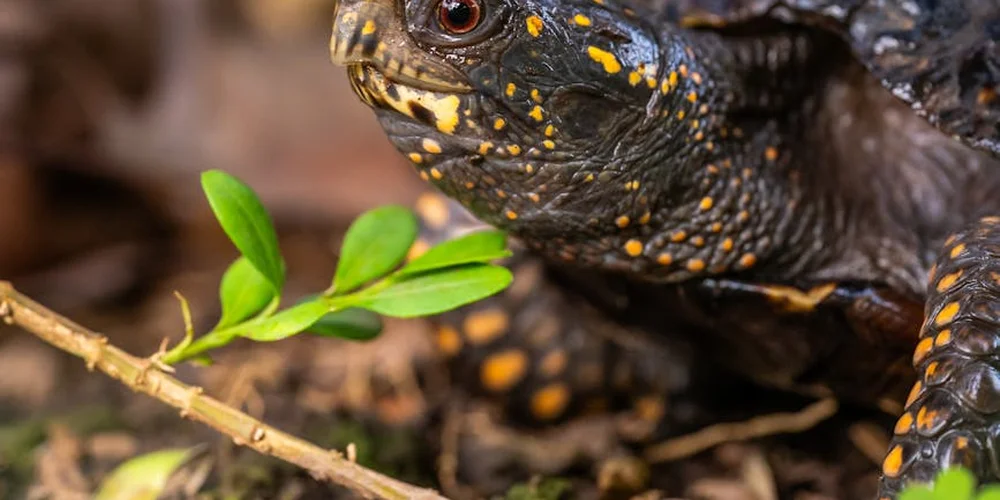
Outdoor Habitat Setup and Size
Building a secure outdoor enclosure for a box turtle is one of the most rewarding projects you can undertake for their well-being. My Russian tortoise, Austen, absolutely thrives in his outdoor pen during the warmer months, displaying more natural behaviors than he ever does indoors. You can read more about setting up the outdoor enclosure here.
- Start by selecting a location with both sun and shade, perhaps under a deciduous tree.
- Construct walls at least 18 inches high from smooth, solid materials like wood or coated wire that they cannot climb.
- Bury the walls or a footer at least 12 inches into the ground to prevent digging escapes and deter predators.
- For one to two turtles, aim for a minimum size of 4 feet by 8 feet. Bigger is always better, as it allows for a more diverse landscape.
Once the structure is secure, focus on the interior landscape. A varied environment keeps them mentally stimulated and physically active, just as they would be in the wild.
- Plant safe, edible vegetation like hostas, dandelions, and clover directly in the enclosure.
- Create a shallow water area using a large, shallow terracotta saucer sunk into the ground for easy access and soaking.
- Provide multiple hides, such as half-buried clay pots, hollow logs, or piles of leaf litter.
- Establish basking sites with flat stones or slate positioned in sunny spots.
Indoor Enclosure Requirements
When the weather turns cold, a well-appointed indoor habitat is essential. My box turtle, Orwell, spends his winters in a large indoor enclosure, and getting the setup right is crucial for his health and happiness.
- For an adult box turtle, a 75-gallon tank or a custom-built wooden tortoise table is the absolute minimum. A 4ft by 2ft footprint is a good starting point.
- Use a deep, moisture-holding substrate. I prefer a mix of organic topsoil, sphagnum moss, and cypress mulch.
- Install a high-quality UVB light that runs for 10-12 hours a day, essential for calcium metabolism.
- Provide a basking lamp at one end to create a hotspot of around 85-88°F, while the cool end stays in the 70s.
- Maintain humidity between 60-80% by misting the enclosure daily and providing a humid hide packed with damp sphagnum moss.
You do not need to build everything from scratch. Several excellent habitat kits and accessories can help you create a naturalistic environment with less guesswork.
- Look for reptile-specific enclosure kits that often include basic lighting fixtures.
- Invest in a digital thermometer/hygrometer combo to accurately monitor conditions.
- Use ceramic plant saucers for food and water, as their low sides are easy to climb in and out of.
- Add artificial plants and cork bark rounds to create visual barriers and enrichment.
Essential Habitat Management for a Healthy Box Turtle
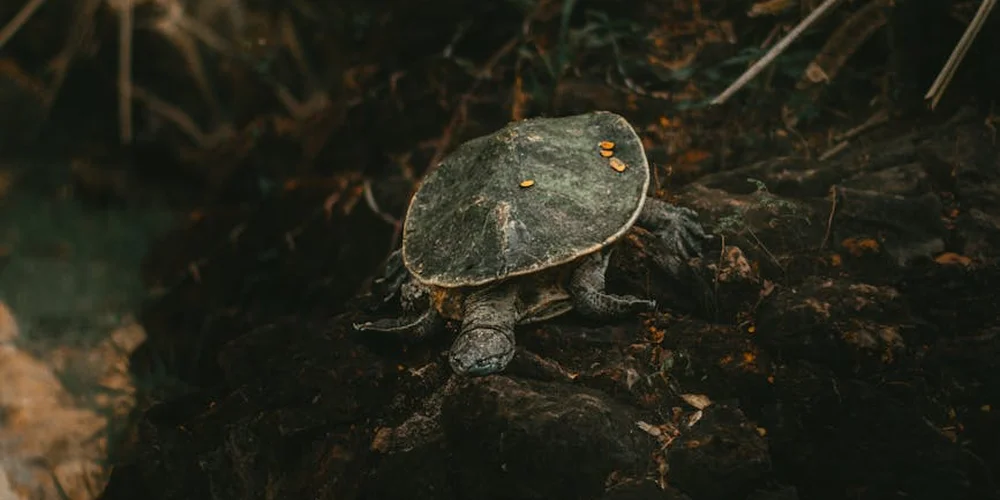
Caring for the habitat is just as important as building it. A clean and well-maintained enclosure is your first line of defense against most common health issues in captive turtles. This also helps prevent parasites in your turtle’s habitat enclosure. Regular spot-cleaning and scheduled deep cleans reduce parasite buildup.
- Spot clean waste and uneaten food from the enclosure daily.
- Change the water in the soaking dish every single day to ensure it is fresh and clean.
- Perform a partial substrate change (about one-third) every month.
- Do a full, deep clean of the entire enclosure, replacing all substrate and scrubbing decor, every three to four months.
- Prune and tend to any live plants to keep them healthy and safe for nibbling.
Environmental conditions are not a “set it and forget it” affair. Regularly checking temperature and humidity is the simplest way to ensure your turtle’s environment matches what it would seek out naturally. In a terrestrial turtle habitat, proper humidity is essential for a healthy shell and respiration. Keep humidity within the species-appropriate range.
- Use digital probes to check the temperature in the basking spot, the cool end, and the overnight low.
- Monitor the humidity gauge twice a day-once in the morning and once in the evening-to see the full daily range.
- Adjust misting frequency and the size of the water dish to raise humidity if it drops too low.
- In indoor enclosures, a small reptile fogger or humidifier can help maintain consistent moisture levels, especially during dry winters.
For those who want to dive deeper into creating the perfect home for their shelled friend, I recommend these resources.
- The Turtle Source website for high-quality habitat supplies.
- “Box Turtles” by Philippe de Vosjoli, a fantastic book on general care.
- Your local reptile veterinarian for personalized, expert advice.
FAQs
Where can I purchase a box turtle habitat?
Pre-made habitats are available from pet supply stores, online reptile retailers, and specialty shops. Always verify that the enclosure provides adequate space and security for your turtle’s needs. When considering space, turtle habitat requirements vary by species and should include room to swim and bask. A properly sized setup supports healthy activity and natural behaviors.
What accessories are essential for a box turtle habitat?
Must-have accessories include UVB lighting, a basking lamp, and multiple hiding spots like cork bark or plant cover. Also include a shallow water dish for soaking and substrate that holds moisture well.
Are there all-in-one habitat kits for box turtles?
Yes, complete enclosure kits are sold by various brands and often include the habitat, lighting, and basic decor. These kits offer convenience but may require additional items to fully meet your turtle’s requirements.
What resources can help me manage my box turtle’s habitat?
Use online care guides, reptile forums, and books focused on box turtle husbandry for detailed management tips. Consulting with a reptile veterinarian can also provide personalized advice for maintaining a healthy environment. To find a qualified reptile veterinarian for your turtle, ask for referrals from local herp groups or turtle rescue organizations. Verify credentials and experience with reptiles before scheduling an appointment.
How do I choose the right habitat size for my box turtle?
Select an enclosure that allows for natural behaviors like roaming and digging, with larger sizes always being better. For indoor setups, a minimum of a 75-gallon tank is recommended, while outdoor pens should be at least 4 feet by 8 feet.
Building a Better Home for Your Box Turtle
From my time with Orwell, my box turtle, I’ve learned that their wild homes in moist, wooded areas teach us everything about proper pet habitats. Focus on replicating elements like soft soil for burrowing and shaded spots for security to keep your turtle thriving. To create a naturalistic turtle habitat, use forest-floor decor like driftwood, leaf litter, and moss. This helps your turtle feel secure and encourages exploration as it would in the wild.
Caring for a box turtle is a long-term commitment that requires attention to their unique needs, much like my journey with Orwell. Always seek out trusted resources and stay informed to give your pet the best life possible, ensuring their health and happiness. If you’re new to box turtle care, this complete beginners guide covers the essentials. From enclosure setup and diet to humidity and health checks, it’s a practical starting point for beginners.
Further Reading & Sources
- Eastern Box Turtle | National Wildlife Federation
- Outdoor Learning Station: Box Turtle Habitat
- Basic Care: Box Turtles | Arizona Exotics | -Tortoises & Turtles Resources
- Eastern Box Turtle – Turtle Survival Alliance
Matthew is a dedicated turtle enthusiast and conservationist with over 15 years of experience in reptile care. Known affectionately as "The Leatherback" among his peers, he combines his passion for turtles with a commitment to educating pet owners on responsible turtle care and environmental stewardship.
Terrestrial Turtles