
What Permits Do You Need for a Protected Turtle?
Published on: May 20, 2026 | Last Updated: May 20, 2026
Written By: Matthew The
Thinking about bringing a protected turtle into your home can feel exciting, but the legal side of it often brings up a big question: what permits do I actually need to avoid getting into trouble?
I’ve been through this process myself with my tortoises, Austen and Bronte, and I can tell you it’s less about red tape and more about ensuring these amazing creatures are protected. Navigating the paperwork is your first act of care.
In this guide, we’ll walk through the key requirements: the types of permits you’ll likely need, how to identify which species are protected, and the step-by-step process for applying legally and responsibly.
Understanding Protected Turtle Species
Protected turtle species are those safeguarded by laws to prevent over-collection and habitat loss, ensuring their survival for future generations. Many turtles face threats from the pet trade, which is why regulations exist to balance human interest with conservation needs. I’ve seen this firsthand with my own turtles, like Austen, a Russian Tortoise, whose species is listed under CITES Appendix II due to trade pressures.
These protections often stem from international agreements like CITES or national laws such as the Endangered Species Act in the U.S. Species like the Greek Tortoise, similar to my graceful Bronte, may have restrictions to curb illegal trafficking and support wild populations. Understanding which turtles are protected helps you make informed, ethical choices as a pet owner. It’s crucial to educate yourself on the ethical considerations of keeping a pet turtle.
- Common protected groups include sea turtles, many tortoises, and certain box turtles.
- Laws vary by country and state, so always check local regulations before acquiring a turtle.
- Protected status can change based on population trends and new research findings.
From caring for Orwell, my reserved Box Turtle, I learned that even common pets might fall under protection if they’re native to declining habitats. Staying updated on species lists is key to responsible turtle ownership and animal welfare advocacy.
When Permits Become Necessary
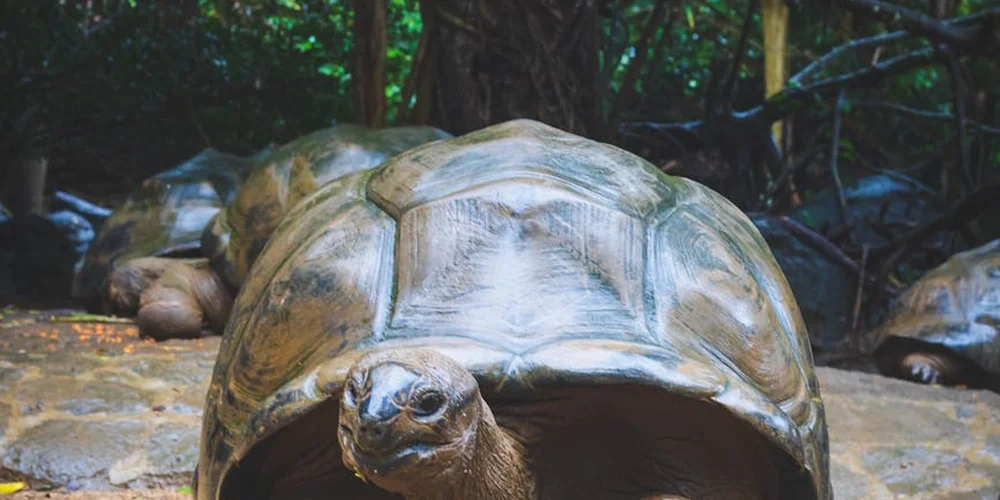
You need permits when owning, breeding, or transporting protected turtle species to comply with legal frameworks that prevent exploitation. Permits act as a safeguard, ensuring that only qualified individuals care for these vulnerable animals. In my experience, applying for permits for species like Russian or Greek tortoises involves proving adequate habitat and knowledge. Beyond that, space and habitat quality are essential for pet turtles. When kept as pets, turtles need appropriately sized enclosures with proper basking areas, water depth, and lighting tailored to their species.
Permits become essential in specific scenarios to uphold conservation goals and animal well-being. For instance, breeding protected turtles often requires documentation to monitor genetic diversity and prevent inbreeding. This process helps maintain healthy populations, much like how I ensure my turtles’ enclosures mimic their natural environments.
- When acquiring a turtle listed under CITES or similar regulations for personal ownership.
- If you plan to breed protected species, as this impacts wild population recovery efforts.
- During interstate or international transport to verify legal origins and prevent smuggling.
- For commercial activities like selling turtles, which demand strict oversight to avoid black markets.
I recall the careful steps I took with Orwell’s habitat setup, mirroring the diligence needed for permit applications. Always research your turtle’s specific needs and legal status to avoid penalties and support global conservation. Are habitat requirements different across turtle species? They can be, so tailoring the habitat to each species’ needs is essential.
Federal Protection Laws and Agencies
The Role of the Endangered Species Act
The Endangered Species Act, or ESA, is a key federal law that protects turtles at risk of extinction. If you’re eyeing a protected species like some box turtles, you’ll need a permit from the U.S. Fish and Wildlife Service to own one legally. Are there legal restrictions on owning turtles? They vary by species and by state, and many turtles can only be kept with the proper permits. This law makes it illegal to harm, harass, or trade listed species without authorization. I learned this firsthand with Orwell, my box turtle; his species isn’t always protected everywhere, but checking ESA listings saved me from legal trouble. You can apply for permits if your turtle is for education, conservation, or scientific purposes—pet ownership might be restricted unless it’s a captive-bred individual. Always verify the species status on the USFWS website before bringing a turtle home. This step ensures you’re not accidentally supporting illegal wildlife trade.
International Trade Regulations Through CITES
CITES, the Convention on International Trade in Endangered Species, regulates cross-border movement of turtles to prevent overexploitation. Many popular pet turtles, like Russian or Greek tortoises, fall under CITES Appendix II, which requires export and import permits for international trade. When I adopted Bronte, my Greek tortoise, I had to confirm she came with proper CITES paperwork to avoid confiscation. Here’s a quick breakdown of what CITES means for you:
- Appendix I: Highly restricted-trade is banned for commercial purposes, with rare exceptions for conservation.
- Appendix II: Regulated trade-permits are needed to ensure it’s sustainable and legal.
- Appendix III: Species protected in specific countries-requires cooperation from those nations.
Handling CITES compliance feels like navigating ocean currents-it demands patience, but it safeguards species like Austen, my steady Russian tortoise, from decline. Reach out to the USFWS for guidance on importing or exporting protected turtles; they can help you avoid fines and support animal welfare.
State and Local Permit Requirements
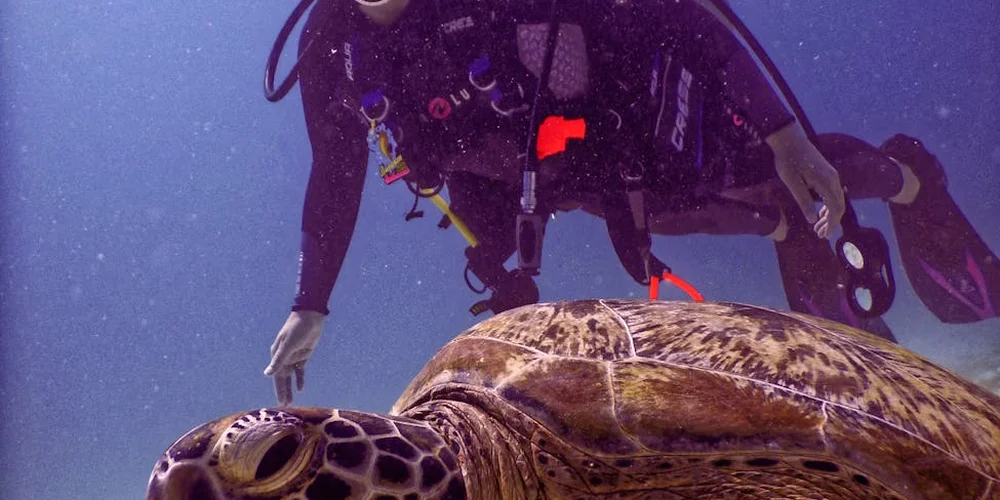
Beyond federal rules, state and local laws add another layer of protection for turtles, and they vary widely. In my experience, checking with your state’s wildlife agency is non-negotiable-some places, like California, have strict permits for native species, while others might ban certain turtles outright. For instance, Orwell’s box turtle is protected in several states due to habitat loss, and I had to secure a state permit to keep him legally. If you’re considering keeping a turtle as a pet, legality should be your first check. Getting the right permits and adhering to local rules isn’t just red tape—it’s what allows you to provide a safe, lawful home for the animal. Here are common steps to follow:
- Identify your turtle’s species and its status in your state’s endangered list.
- Contact your state’s department of natural resources or equivalent agency.
- Apply for any required permits, which might involve fees or habitat inspections.
Local ordinances can be just as important; some cities restrict turtle ownership to prevent neglect or overpopulation. I advocate for this layered approach-it mirrors the gentle care I give Bronte and Austen, ensuring their well-being through responsible ownership. Always double-check regulations; it’s a small effort that makes a big difference for conservation.
The Permit Application Process
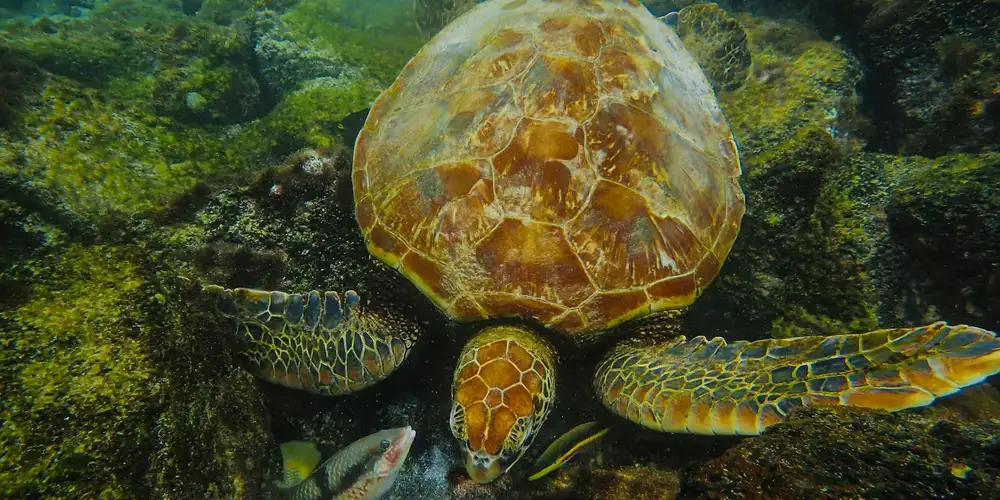
Navigating the permit process feels like preparing for a meticulous journey. You are essentially proving to wildlife authorities that you can provide a forever home that replicates the safety and care of a protected habitat. I’ve been through this with my own tortoises, and patience is your greatest ally here.
Documentation and Verification Needs
Be ready to assemble a small dossier. Agencies need a complete picture of you, your knowledge, and your planned setup for the animal.
- A detailed habitat blueprint, including dimensions, heating, lighting, and security features.
- Proof of a veterinary relationship, often a letter from a vet experienced with reptiles.
- Your educational background or proof of experience with similar species.
- For certain species, a CITES (Convention on International Trade in Endangered Species) import/export certificate if the animal crosses borders.
Thorough documentation demonstrates foresight and a genuine commitment to responsible ownership, which reviewers immediately recognize. I learned to take photos of every stage of building my enclosure to include with the application.
Applicant Eligibility Standards
This isn’t about just wanting a turtle; it’s about qualifying as its guardian. The criteria ensure the animal’s welfare is the absolute priority. When choosing a turtle species, key factors to consider include adult size, habitat needs, and lifespan. These considerations help you keep the turtle healthy for years.
- You must be of legal adult age in your jurisdiction, typically 18 or 21.
- A clean record concerning animal welfare laws or other relevant violations is mandatory.
- You need to demonstrate sufficient knowledge of the species’ specific needs, from diet to lifespan.
- Proof of a stable, suitable environment and the financial means for long-term care is essential.
Meeting these standards shows you view this not as a simple pet acquisition, but as accepting a long-term stewardship role. I had to answer detailed questions about potential health issues for my Russian and Greek tortoises before approval.
Maintaining Compliance After Approval
Receiving your permit is a beginning, not an end. The responsibility shifts from proving your capability to actively demonstrating it, year after year. This ongoing commitment is what truly defines an ethical keeper.
Meticulous record-keeping becomes part of your routine. You’ll need to maintain logs that may be subject to inspection.
- Keep all purchase, adoption, or breeding records in a safe, permanent file.
- Maintain a detailed health log with vet visits, weight checks, and any treatments.
- Document any transfers, sales, or hatchings with the appropriate agency paperwork.
These records are the story of your animal’s life under your care, and they are your best defense during any compliance check. I keep a simple binder for each of my shelled companions.
Your facility must consistently meet the standards described in your application. Unannounced inspections, while rare, can and do happen.
- Ensure enclosures remain secure, well-maintained, and escape-proof.
- Verify that all environmental controls, like UVB lights and heaters, are functioning correctly.
- Be prepared to show that your animal is healthy, alert, and well-fed.
Consistent, proper care is the most powerful form of compliance you can practice every single day. It’s a quiet promise you make to an animal that depends entirely on you.
Consequences of Non-Compliance
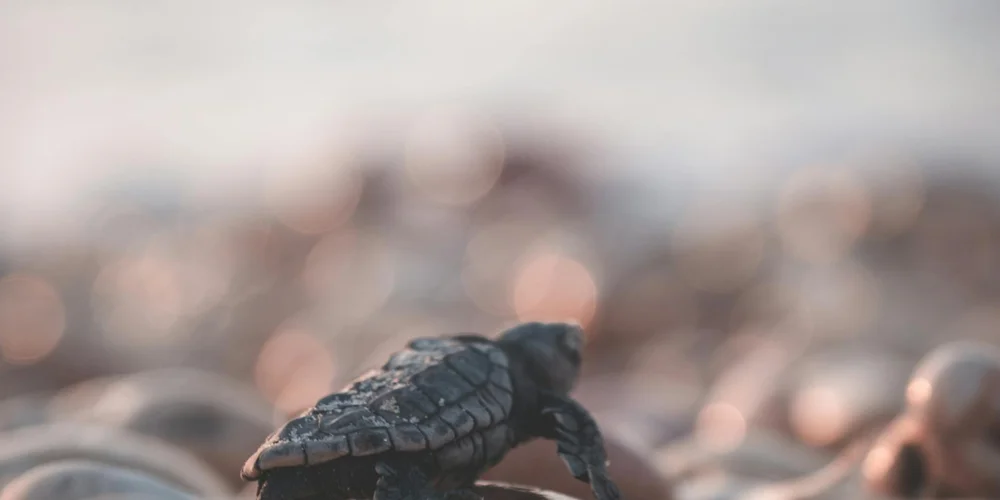
Ignoring permit requirements for protected turtles can lead to serious outcomes that affect both you and the animal. Legal penalties often include hefty fines or even imprisonment, depending on the severity and jurisdiction. I’ve seen cases where well-meaning owners faced unexpected legal battles because they overlooked local regulations. Additionally, many jurisdictions have specific rules about selling or transporting turtles, often requiring permits or health checks. Before you move a turtle, check the local regulations to ensure you’re compliant.
Authorities may confiscate the turtle if permits are missing. This process is stressful for the turtle, disrupting its habitat and potentially harming its health. From my experience with Orwell, my box turtle, sudden changes in environment can cause long-term stress, so compliance helps prevent such trauma.
- Fines ranging from hundreds to thousands of dollars
- Potential criminal charges leading to a permanent record
- Confiscation of the turtle, placing it in uncertain care
- Restrictions on future pet ownership or permits
Beyond legal issues, non-compliance undermines conservation efforts. Protected species rely on regulated ownership to prevent over-exploitation and support population recovery. Caring for turtles like Austen and Bronte has taught me that every responsible action contributes to their survival in the wild.
Your personal life can be impacted too. A legal infraction might limit your ability to travel or adopt other pets, adding unnecessary stress. If you’re moving across the country with your turtle, a turtle relocation guide can help you navigate permits, transport, and housing. I always advise checking permits early to avoid these pitfalls and ensure a peaceful, lawful companionship with your turtle.
FAQs
How much does a protected turtle permit typically cost?
Permit costs vary by jurisdiction and species, often ranging from $25 to $200 or more. Always check with federal and state wildlife agencies for exact fees and any hidden charges.
How long is a turtle ownership permit valid before renewal?
Permits are usually valid for 1 to 5 years, depending on the issuing authority and species involved. Set reminders for renewal deadlines to maintain legal compliance without interruptions.
Can I transfer my permit if I move to another state?
Permits are generally not transferable between states and require a new application in your new location. Contact both state wildlife agencies early to understand specific requirements and avoid delays.
What should I do if I inherit a protected turtle without a permit?
Immediately report the inheritance to your local wildlife agency and apply for the necessary permits to avoid penalties. Provide documentation of the transfer to demonstrate good faith and ensure the turtle’s legal status. If you decide to rehome the turtle, make sure to do it ethically and responsibly.
Are there any online resources to help with the permit application?
Yes, many agencies offer online application portals and detailed guides on their official websites. Using these resources can simplify the process and reduce errors in your submission.
Your Path to Responsible Turtle Ownership
From my time with protected species like Bronte, I’ve found that researching specific permit requirements for your turtle and location is the first essential step. Always reach out to wildlife authorities early to secure the right licenses and protect both your pet and wild populations. Beyond obtaining permits, this guide explains where to buy a pet turtle responsibly. Seek out licensed breeders, reputable rescues, or stores that provide health records and welfare assurances, and avoid wild-caught specimens.
Caring for Austen has taught me that ongoing education in turtle care leads to better health and happiness for your shelled friend. Stay curious and connected to reliable sources to provide a nurturing home that supports animal welfare throughout their life.
Further Reading & Sources
- Marine Turtle Permit | FWC
- Marine Turtle Protection | FWC
- Understanding Permits and Authorizations for Protected Species | NOAA Fisheries
- ESA Scientific Research and Enhancement Permits | NOAA Fisheries
Matthew is a dedicated turtle enthusiast and conservationist with over 15 years of experience in reptile care. Known affectionately as "The Leatherback" among his peers, he combines his passion for turtles with a commitment to educating pet owners on responsible turtle care and environmental stewardship.
Unusual Turtle Species