
Yellow Belly Slider Care Guide: Simple Steps for a Healthy Pet
Bringing a Yellow Belly Slider into your home can feel overwhelming, especially if you’re worried about setting up the right habitat or keeping them free from illness.
Based on my years of caring for reptiles like my gentle tortoise Austen, I’ve found that a calm, informed approach makes all the difference for their well-being.
This article walks you through tank requirements, feeding habits, health monitoring, and behavior insights.
Understanding Your Yellow Belly Slider
Yellow-bellied sliders, native to the southeastern United States, thrive in calm freshwater habitats like ponds and slow-moving rivers. These turtles can live over 30 years with attentive care, growing up to 12 inches in shell length as adults. Over such long lifespans, aging is a gradual process that shapes their needs over time. Understanding how aging affects their activity and health helps explain why long-term, consistent care is important. From my experience with land-dwelling tortoises like Austen and Bronte, I appreciate how aquatic species like sliders need specific water conditions to stay healthy and active.
- Physical traits include a dark green or brown carapace with yellow markings, a bright yellow plastron, and webbed feet ideal for swimming.
- Behavior patterns show they are diurnal, love basking for hours, and can be curious but may hide when stressed.
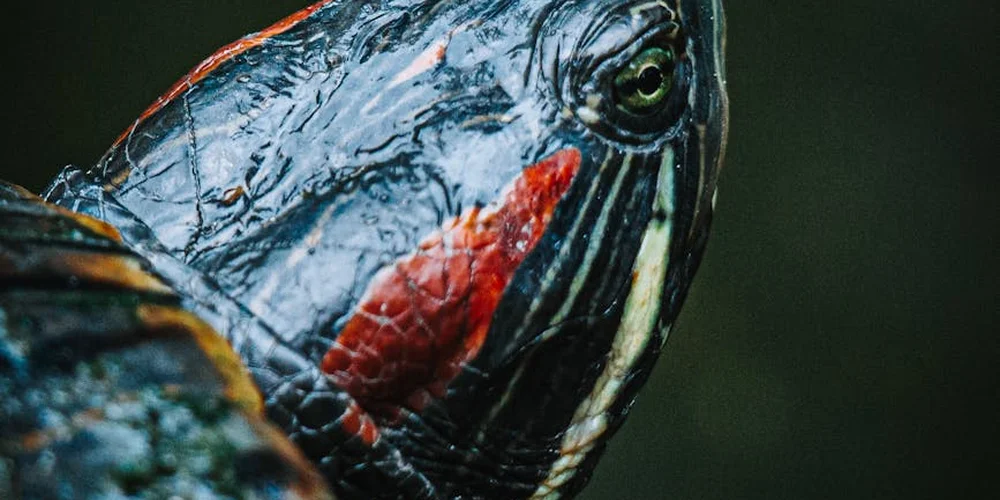
Unlike red-eared sliders, which have a vivid red stripe behind their eyes, yellow-bellied sliders feature more subtle yellow head markings and a generally calmer demeanor. When you compare red-eared slider vs yellow-bellied slider, you’ll notice differences in color cues and behavior. Recognizing these differences helps you provide species-specific care that supports their natural instincts.
Creating the Ideal Turtle Enclosure
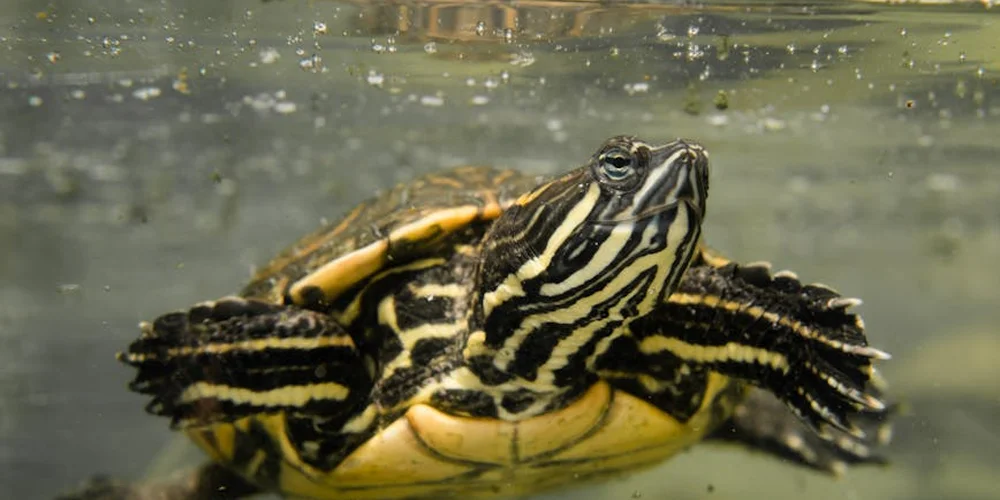
Start with a tank that suits their growth-baby sliders do well in 20-30 gallon setups, while adults need at least 75 gallons to swim and explore comfortably. A larger tank reduces stress and mimics their wild habitat, preventing common health issues like shell rot. I’ve found that oversizing enclosures for my tortoises, such as Orwell’s spacious pen, encourages natural behaviors and longevity.
Maintain clean water with a powerful canister filter to handle waste, and check temperatures regularly. Water quality is non-negotiable; aim for a pH of 6.5-8.0 and near-zero ammonia to keep your slider thriving. Create a temperature gradient with water around 75-80°F and a warmer basking zone.
- Choose a sturdy basking platform above water level, like a floating dock or stacked rocks.
- Install a UVB lamp to aid calcium absorption and prevent metabolic bone disease.
- Add a heat lamp to keep the basking area at 85-90°F, ensuring your turtle can regulate its body temperature.
Use large, smooth rocks or a bare-bottom tank as substrate to avoid ingestion risks. Enrich their space with artificial plants, caves, and varied textures to stimulate exploration and reduce boredom. Advocating for animal welfare means designing an enclosure that feels like a slice of their natural world, full of opportunities to swim, bask, and hide safely.
Feeding Your Yellow Belly Slider
Feeding your yellow belly slider a balanced diet keeps them vibrant and active, much like how my tortoise Bronte thrives on varied greens. A mix of commercial pellets, fresh vegetables, and lean proteins mimics their natural needs and prevents nutritional gaps. I’ve seen with my own pets that skipping variety can lead to health issues, so I always prioritize diversity in their meals.
- Commercial pellets: Choose high-quality brands formulated for aquatic turtles to provide essential vitamins.
- Vegetables: Offer dark leafy greens like kale or romaine, plus occasional carrots or squash for fiber.
- Protein sources: Include live or frozen options such as bloodworms, crickets, or small feeder fish to support growth.
Young sliders under a year old need daily feedings with more protein to fuel their rapid development. Juveniles should eat a portion the size of their head once a day, while adults do well with meals every other day to avoid obesity. From caring for Orwell, my box turtle, I learned that overfeeding can cause shell deformities, so measure portions carefully.
Calcium and vitamin D3 are non-negotiable for strong shells and bones, especially if indoor lighting limits UVB exposure. Dust food with a reptile-specific calcium supplement twice a week to prevent soft shell syndrome, a common issue in captivity. In the wild, sliders get D3 from sunlight, but in tanks, supplements bridge the gap safely.
Wild yellow belly sliders forage on algae, insects, and plants, giving them a diverse diet that captivates their hunting instincts. In captivity, rotate foods weekly to mimic this variety and reduce boredom, just as I do with Austen’s meals to keep him engaged. This approach supports their mental and physical health, aligning with animal welfare best practices.
Maintaining Health and Wellness
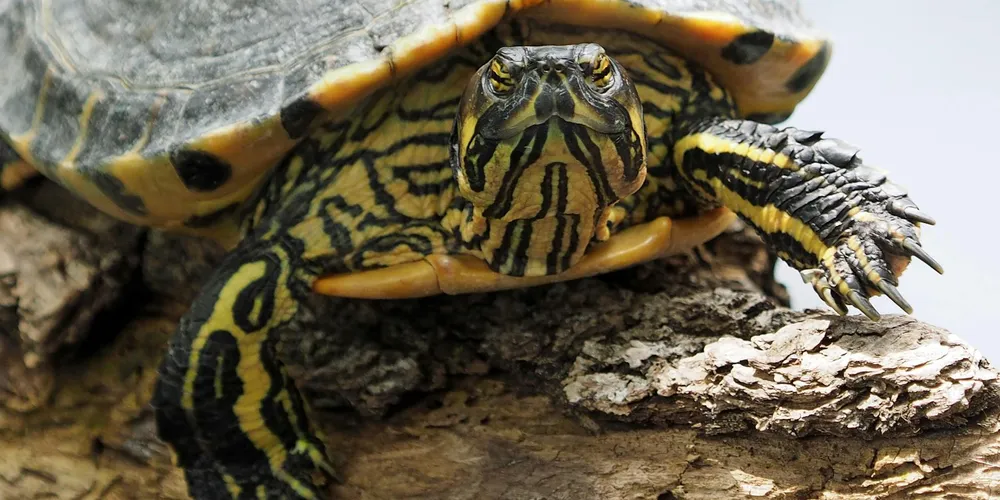
Routine care prevents many common ailments, like shell rot or respiratory infections, which I’ve spotted early in my turtles by staying vigilant. Shell rot often starts as soft, discolored patches and can spread quickly without clean water and proper drying areas. Early signs of an unhealthy turtle shell include these patches and other abnormalities. Respiratory issues may show as wheezing or nasal discharge, signaling stress or poor habitat conditions.
- Shell rot: Caused by bacteria in dirty water; treat with gentle cleaning and vet-prescribed antifungals.
- Respiratory infections: Triggered by cold temperatures or drafts; ensure basking spots are warm and stable.
Perform weekly checks by observing their behavior and physically inspecting their shell, eyes, and skin for abnormalities. Look for signs like lethargy, swollen eyes, or appetite loss, and act fast if symptoms persist beyond a day. With Bronte, I do a quick scan during feeding times to catch issues early, which has saved us vet trips.
Consult a reptile vet immediately if you notice persistent symptoms, as delays can worsen conditions. Early intervention for things like metabolic bone disease, often from poor diet, can reverse damage with proper care. I advocate for regular vet visits, even when things seem fine, to uphold animal welfare standards.
Water quality and diet are your first line of defense against diseases; dirty tanks breed bacteria that harm their immune system. Change 25-50% of tank water weekly and use a good filter to keep ammonia levels low, much like how I maintain Orwell’s enclosure. A balanced diet rich in vitamins strengthens their resilience, making prevention simpler than cure.
Behavior and Social Considerations

Observing a yellow belly slider is like watching a tiny, deliberate actor in its own aquatic play. You’ll often find them basking for hours, perfectly still, soaking up every bit of warmth and UVB light. This isn’t laziness; it’s a vital process for their health and digestion.
My Russian tortoise, Austen, has his own morning sunning ritual, and it reminds me how crucial this quiet time is for all chelonians.
Typical Behaviors and Sounds
Their daily life is a mix of swimming, exploring, and basking. Don’t be surprised to see them:
- Pacing the tank walls, especially when they associate you with food.
- “Begging” by paddling furiously at the water’s surface when you approach.
- Making subtle hissing sounds, which is usually just air being expelled from their lungs as they retract into their shell.
That hissing noise is almost always a sign of mild surprise, not aggression. True vocalizations are rare, so any other persistent sounds could indicate a respiratory issue.
Tank Mate Compatibility
This is where I urge caution based on hard-won experience. While the idea of a community tank is appealing, yellow belly sliders are often best kept alone.
- They can be territorial and may nip at the fins or limbs of other turtles.
- Smaller, slower tank mates like certain fish can quickly become expensive snacks.
- Housing multiple males together almost guarantees aggression and stress.
If you attempt a community setup, it requires an exceptionally large tank with ample visual barriers and multiple basking spots to reduce competition. My box turtle, Orwell, is a solitary fellow, and I’ve found that respecting that nature is key to his well-being.
Handling and Stress Reduction
These turtles are for watching, not for cuddling. Excessive handling causes significant stress.
- Limit handling to essential activities like tank cleaning.
- Always support their entire body from below; never pick them up by the sides of their shell.
- Wash your hands thoroughly both before and after contact to protect you and your pet.
Provide plenty of hiding spots, like submerged logs or dense aquatic plants, where they can retreat and feel secure. A stressed turtle may refuse to eat or bask, which can quickly lead to health problems. To tell if your turtle is stressed, monitor appetite, activity, and hiding behavior. If your turtle is stressed, consult a veterinarian or experienced turtle keeper for guidance.
Breeding Behaviors
Even in a single-turtle home, you might witness instinctual courtship rituals. A male may perform a “flutter dance,” vibrating his long front claws in front of his face (or the glass). This is normal behavior and not a cause for concern. Do common box turtle behaviors mean anything about their health or comfort? Knowing what’s normal can help you tell when something may be off. For pet owners, breeding is a complex, space-intensive endeavor that requires separate, specialized enclosures for hatchlings.
Starting with Your New Pet
Bringing a new turtle home is a thrilling commitment. Making the right choices from the start sets the stage for a long, healthy life for your shelled friend. To help you settle in smoothly, here is a first-week checklist with 10 essential tasks for getting your turtle comfortable and thriving. These tasks cover habitat setup, feeding, lighting, and health checks.
Selecting a Healthy Turtle
Always seek out a reputable breeder or consider adoption from a turtle rescue. A healthy yellow belly slider will have:
- Clear, bright eyes without any swelling or discharge.
- A firm, solid shell free of pits, cracks, or soft spots.
- Alert and active behavior when approached, not lethargic.
- No wheezing, bubbling from the nose, or constant mouth breathing.
Avoid pet stores where animals are kept in overcrowded or dirty conditions; this is a red flag for underlying health issues. My Greek tortoise, Bronte, was a rescue, and her graceful demeanor is a daily reminder of the value of giving an animal a second chance.
Cost and Legal Considerations
This pet is a financial and legal responsibility. The initial setup for a proper habitat can cost anywhere from $300 to $600. This includes the tank, filter, basking platform, heat lamp, UVB lamp, and water heater. Ongoing costs for food, electricity, and substrate add up.
Critically, some states and localities have restrictions or outright bans on selling turtles under 4 inches or on keeping sliders as pets. Laws governing the sale and transportation of turtles vary by jurisdiction. Always check your local and state laws before acquiring one.
Beginner Care Routine Checklist
Your daily and weekly tasks will quickly become a soothing rhythm.
- Daily: Offer a balanced diet of commercial pellets and fresh greens. Check water and basking temperatures.
- Weekly: Perform a 25-50% partial water change. Scrub the tank walls and decor.
- Monthly: Deep clean the entire tank and filter. Inspect all equipment for wear.
Consistency in their care routine is one of the greatest gifts you can give your turtle, as it minimizes stress and promotes natural behaviors. Avoid common turtle care mistakes by keeping a steady routine and avoiding abrupt changes in lighting, temperature, or feeding times.
Ethical Sourcing and Animal Welfare
Choosing where your pet comes from is a powerful act of animal advocacy. I strongly advocate for adopting from rescues, which are often overflowing with surrendered sliders. These turtles can live for decades, and many people are unprepared for the long-term commitment.
By adopting, you are not only saving a life but also discouraging the mass breeding practices that often prioritize profit over the health and welfare of the animals. It is a deeply rewarding way to begin your journey as a turtle keeper.
FAQs
What factors influence a yellow belly slider’s lifespan?
Lifespan is heavily dependent on diet, water quality, and UVB exposure. Consistent care and regular health checks can help them live over 30 years.
Are yellow belly sliders commonly found in Florida?
Yes, they are native to Florida and often inhabit ponds and slow-moving rivers. This makes them well-suited to similar captive environments in the region.
What special care do baby yellow belly sliders need?
Baby sliders require smaller tanks and more frequent, protein-rich feedings for growth. They also need secure hiding spots and gentle handling to reduce stress.
Are yellow belly sliders suitable as pets for first-time owners?
They can be manageable with proper research, but their long lifespan and specific habitat needs demand commitment. Beginners should start with a fully equipped tank and a consistent care routine.
Why is my yellow belly slider making noises?
Hissing sounds are normal and usually result from air expulsion when they retract into their shell. Persistent or unusual noises may indicate respiratory issues that require veterinary attention.
Your Ongoing Turtle Care Adventure
From caring for my own turtles over the years, I’ve seen that a clean habitat with proper filtration and a varied diet keeps Yellow Belly Sliders thriving. Pay close attention to water temperature and basking spots to mirror their natural needs and prevent stress. To diagnose your turtle’s habitat, use a quick checklist for perfect lighting, heat, and water. Keeping these elements aligned can prevent problems before they start.
Responsible ownership means committing to your slider’s long-term health and advocating for their well-being through informed choices. Stay curious and tap into communities to deepen your understanding, ensuring your turtle enjoys a full, vibrant life.
Further Reading & Sources
- Yellow-Bellied Slider Care Sheet: Tips for Beginners
- Yellow-Bellied Slider (Trachemys scripta scripta)
- r/turtle on Reddit: so i got this yellow belly slider yesterday, this is my first time owning a turtle, what should i do, also i know i don’t have a lamp but i placed him next to a window until i got one, is this a good place for him?
- Yellow Bellied Slider Turtle Care Sheet – Reptiles by Mack
Matthew is a dedicated turtle enthusiast and conservationist with over 15 years of experience in reptile care. Known affectionately as "The Leatherback" among his peers, he combines his passion for turtles with a commitment to educating pet owners on responsible turtle care and environmental stewardship.
Aquatic Turtles