
What is the Difference Between an Exotic Vet and a Reptile Specialist?
You might feel a wave of uncertainty when your scaly friend needs care, wondering if an exotic vet or a reptile specialist is the right choice for their health. I’ve navigated this very decision with my own tortoises-Austen, Bronte, and Orwell-and I’m here to guide you through it calmly and clearly.
This article covers key distinctions, training backgrounds, when to choose each, cost considerations, and my personal experiences.
Defining the Exotic Animal Veterinarian
An exotic animal veterinarian is your first and most accessible port of call for any pet that isn’t a cat or a dog. Their training provides a broad foundation in caring for a wide variety of species, from rabbits and ferrets to birds and, yes, our shelled friends. Think of them as skilled general practitioners for the unusual pet world.
They cover the fundamentals of health for many creatures, which is incredibly valuable. I’ve taken my own tortoises to an exotic vet for routine check-ups and common issues. This broad knowledge base makes them excellent for initial diagnostics and general wellness care.
Understanding the Reptile Specialist Veterinarian
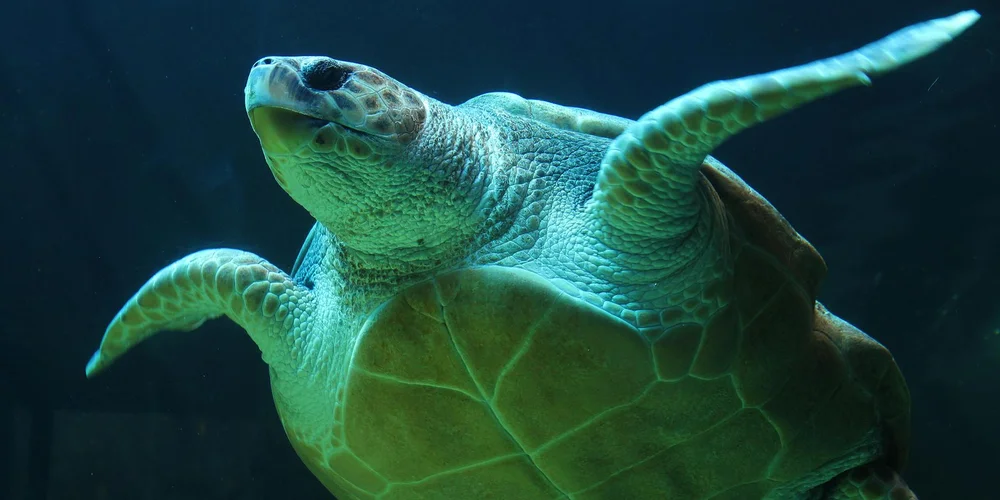
Now, a reptile specialist is a different kind of expert. They are exotic vets who have chosen to go much, much deeper, focusing their entire practice and continuing education specifically on reptiles. This isn’t just a casual interest; it’s a dedicated specialization. For turtles, this expertise helps you know when your pet needs to see a veterinarian. Watch for signs like lethargy, appetite loss, or shell abnormalities.
When my turtle Orwell developed a persistent respiratory issue that stumped our regular exotic vet, we were referred to a reptile specialist. The depth of their species-specific knowledge was immediately apparent and ultimately made all the difference in his recovery.
What Advanced Training Sets a Reptile Specialist Apart?
The gap in training is significant and directly impacts the care your turtle receives. Here is what truly sets a specialist apart:
- Board Certification: The pinnacle of this specialization is becoming a Diplomate of the American Board of Veterinary Practitioners (ABVP) in Reptile and Amphibian Practice. This involves a rigorous multi-year process of advanced study, case reports, and a difficult examination.
- Focused Continuing Education: While all vets pursue ongoing learning, a reptile specialist dedicates almost all of it to herpetology. They attend conferences, workshops, and courses that are exclusively about reptile medicine and surgery.
- Hands-On Experience: They typically work in a practice or teaching hospital that sees a high volume of reptile cases. This daily immersion hones their skills in ways a general exotic vet’s more varied caseload cannot.
- Species-Specific Nuance: They understand the subtle differences in anatomy, physiology, and behavior between, for example, a Russian Tortoise like Austen and an aquatic turtle. This knowledge is critical for accurate diagnosis and treatment.
This intense focus allows them to handle complex surgical procedures, manage difficult diseases, and interpret diagnostic tests with a level of nuance that is simply unparalleled. It’s the difference between a doctor who treats all animals and a doctor who has dedicated their life to the unique biology of reptiles.
Comparing Their Scope of Practice with Pet Turtles
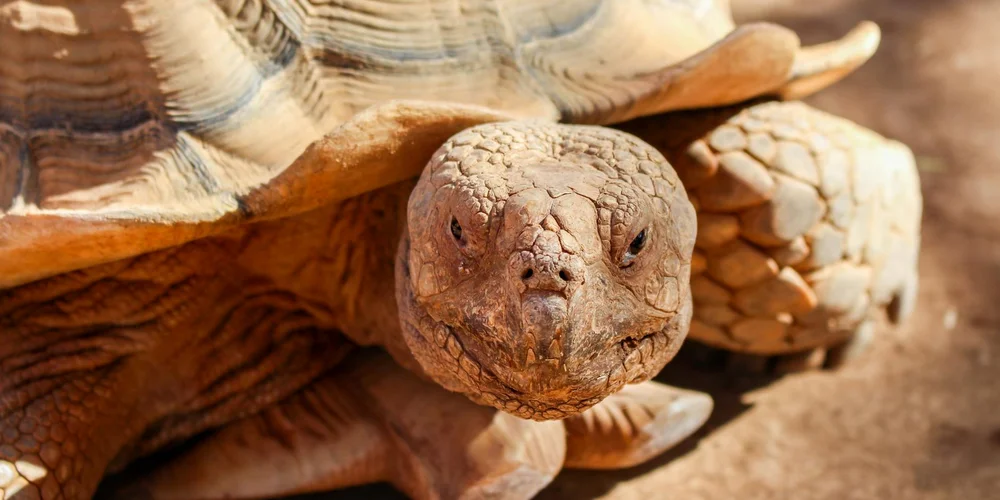
Think of an exotic vet as a knowledgeable general practitioner for all sorts of unusual pets. They are your excellent first stop for most common health concerns, providing a solid foundation of care for your turtle. My Russian tortoise, Austen, has seen our local exotic vet for his annual check-ups, and they’ve always provided wonderful baseline care. During a routine turtle checkup, you can expect a quick physical exam, shell and eye checks, and a review of habitat and diet. The vet may also weigh Austen and discuss any changes in activity or appetite.
Common Turtle Health Issues an Exotic Vet Manages
An exotic vet is well-equipped to handle the day-to-day health issues that many turtle owners encounter. You can confidently rely on them for diagnosing and treating frequent problems that stem from diet or habitat. These issues are often among the most critical pet turtle health concerns to watch for. Based on my experience, these are the typical situations they manage:
- Shell rot and minor shell injuries
- Upper respiratory infections, often signaled by bubbly noses or wheezing
- Parasite screenings and treatments for internal worms or protozoa
- General wellness exams and nutritional consultations
- Addressing vitamin A deficiency, which can cause swollen eyelids
When Your Turtle Needs a Reptile Specialist’s Skills
When a health issue becomes complex or deeply specific to reptilian biology, a reptile specialist is the logical next step. Their entire practice is a deep dive into the unique physiology of animals like your turtle, offering a level of nuance that is sometimes necessary. These insights align with turtle anatomy biology FAQs that explain shell structure, organ placement, and limb movement. They can help you interpret symptoms in terms of turtle anatomy. I sought out a specialist for my Greek tortoise, Bronte, when she developed a persistent issue that wasn’t resolving with standard treatments.
- Advanced reproductive disorders, such as chronic egg-binding (dystocia)
- Complex metabolic bone disease requiring specialized supplementation and housing adjustments
- Interpretation of subtle behavioral changes that indicate systemic illness
- Management of rare or species-specific viral or fungal infections
- Second opinions on complex cases that have not responded to initial treatments
Services Offered: From Routine Care to Advanced Procedures
The range of services available paints the clearest picture of the difference between these two professionals. While an exotic vet offers a robust toolkit for general care, a reptile specialist possesses an entire specialized workshop. It’s the difference between a trusted family doctor and a renowned surgeon who focuses on a single, intricate system of the body.
Diagnostic and Surgical Capabilities for Turtles
Both types of vets can perform diagnostics, but the depth and specialization can vary significantly. A reptile specialist often has access to more advanced imaging and surgical techniques specifically refined for chelonian anatomy. My box turtle, Orwell, needed a delicate procedure that our regular exotic vet wisely referred to a specialist.
Here is a comparison of their typical capabilities:
| Service | Exotic Vet | Reptile Specialist |
|---|---|---|
| Fecal Exams & Bloodwork | Routine analysis | Advanced interpretation with species-specific reference ranges |
| Radiography (X-rays) | Standard imaging to check for eggs or obvious blockages | Specialized positioning and contrast studies for detailed soft tissue evaluation |
| Common Surgeries | Abscess removal, minor wound repair | Complex shell repairs, advanced coeliotomy (internal surgery), endoscopy |
| Anesthesia | Standard protocols | Species-specific and highly tailored anesthetic plans for reptile physiology |
Choosing the Right Veterinary Care for Your Turtle
Building Your Turtle’s Veterinary Support Network
Think of your turtle’s healthcare team like a well-balanced ecosystem, where different experts play unique and vital roles. Establishing a relationship with both a general exotic vet and a reptile specialist gives your shelled friend the most comprehensive safety net possible. My own Russian tortoise, Austen, has benefited immensely from this two-tiered approach over the years. To begin finding the right support, look for a qualified reptile veterinarian who regularly treats turtles. A quick consult or clinic tour can help you gauge their experience with your shelled companion.
Your first line of defense is often a general exotic veterinarian. They are fantastic for routine care and common issues.
- Annual wellness check-ups and health assessments
- General fecal exams for parasites
- Treating minor wounds or superficial shell issues
- Providing basic nutritional and habitat guidance
- Administering standard vaccinations, if applicable
This is the professional you’ll likely see most often, and having one you trust is foundational.
A reptile specialist enters the picture when things get more complex or mysterious. I consulted a specialist when my Greek tortoise, Bronte, began showing subtle behavioral changes that stumped our regular vet. Their deep, species-specific knowledge was the key to a correct diagnosis.
You should seek a specialist’s opinion for situations that require advanced expertise.
- Unexplained lethargy or prolonged lack of appetite
- Complex metabolic bone disease or severe shell deformities
- Specialized diagnostic imaging interpretation, like detailed CT scans
- Intricate surgical procedures, especially involving the shell
- Reproductive issues like chronic egg-binding
Here is a quick reference to help you decide who to call for what.
| Situation | Start With | Consider a Specialist For |
|---|---|---|
| Yearly check-up | Exotic Vet | – |
| Runny nose, mild eye issue | Exotic Vet | If it doesn’t resolve with initial treatment |
| Soft shell, limping | Exotic Vet | Advanced or non-responsive cases |
| Complex surgery | – | Reptile Specialist |
The goal is to build a collaborative team where your exotic vet acts as the primary care provider and the specialist serves as the esteemed consultant. A good exotic vet will not hesitate to refer you to a specialist when your turtle’s health demands it, and this partnership is a hallmark of exceptional animal welfare.
Always ask potential vets about their experience with your specific turtle species. There is a world of difference between caring for a common Red-Eared Slider and a more sensitive species like my own tortoises, and you want a vet who understands those nuances. Your proactive approach in building this network is one of the greatest acts of care you can provide. When you’re ready to prepare your turtle for its first vet visit, these connections will help you choose the right clinic and know what records to bring and what questions to ask. A calm, informed first visit sets the stage for lifelong health.
FAQs
Where can I find an exotic vet in Florida for reptile enemas?
Search online for exotic animal clinics in Florida that list reptile care and specialized procedures. Always call ahead to confirm they offer enemas and have experience with turtles.
How do I locate an exotic reptile vet near my location?
Use online directories or apps like the Association of Reptilian and Amphibian Veterinarians to find nearby providers. Check their profiles for reptile-specific services and read client feedback for reassurance. If you might need urgent help, confirm 24/7 emergency availability and keep a trusted emergency reptile veterinarian’s contact handy.
Are there reptile exotic vets available in Surrey?
Yes, Surrey has clinics with exotic vets who may treat reptiles; search local veterinary listings for details. Contact them directly to inquire about their reptile expertise and appointment availability.
What should I consider when choosing an exotic vet for my pet reptile?
Look for a vet with proven experience in reptile medicine, not just general exotic pets. Verify their knowledge of your specific reptile species and common health issues through consultations. Prepare a few targeted questions to ask potential reptile veterinarians during these visits to assess their experience with your species and typical conditions.
Can I purchase exotic pet reptiles from a veterinarian?
Veterinarians typically do not sell animals, as their focus is on medical care and wellness. For buying exotic reptiles, seek out reputable breeders or licensed pet stores that prioritize animal health.
Your Turtle’s Health Team: A Final Thought
For routine check-ups and common illnesses, your trusted exotic vet is an excellent first stop. When faced with complex, species-specific issues, a reptile specialist brings a deeper, more focused level of expertise to the table. Be aware that turtle owners often delay essential care due to common myths. The 11 turtle health misconceptions that delay critical vet visits can help you spot red flags early.
Caring for a turtle is a long-term commitment that extends far beyond their habitat. Embrace the journey of learning, and always advocate for the specialized care these remarkable animals deserve. Understand the basics before bringing them home.
Further Reading & Sources
- Association of Reptile and Amphibian Veterinarians
- Exotics: Reptiles, Amphibians, Fish | Veterinary Hospital
- Reptile Veterinary Service | Lizard Vet | Pieper Veterinary
- Exotic Veterinary Care in Corpus Christi | Avian & Reptile Vet
Matthew is a dedicated turtle enthusiast and conservationist with over 15 years of experience in reptile care. Known affectionately as "The Leatherback" among his peers, he combines his passion for turtles with a commitment to educating pet owners on responsible turtle care and environmental stewardship.
Preventative Care