
Male vs. Female Turtles: Which Pet Temperament Is Right for You?
Published on: March 18, 2026 | Last Updated: March 18, 2026
Written By: Matthew The
Are you worried that choosing the wrong gender for your pet turtle could lead to a difficult or unfulfilling relationship? This is a common concern for many prospective turtle owners, and it’s a question I’ve grappled with myself while caring for my own shelled companions over the years.
In this article, we will cover: common temperament traits, key behavioral differences, specific care requirements, and how to make the best choice for your home.
Understanding Turtle Temperament and Gender Basics
Turtle temperament is their consistent way of behaving, like how curious or calm they are around you. It shapes your daily interactions and bond with your pet.
Gender can influence temperament due to hormonal changes, especially during breeding seasons. Males might show more territorial behaviors, while females could focus on nesting instincts.
From my years caring for turtles like Austen, Bronte, and Orwell, I’ve noticed Austen, my male Russian Tortoise, stays gentle and steady, rarely rushing. Bronte, a female Greek Tortoise, moves with a graceful thoughtfulness, often exploring new spots in her enclosure.
Individual personality always shines through-Orwell, a male Box Turtle, is reserved but incredibly smart, solving simple puzzles I set up. General trends exist, but each turtle has unique quirks that make them special.
How to Tell Male and Female Turtles Apart
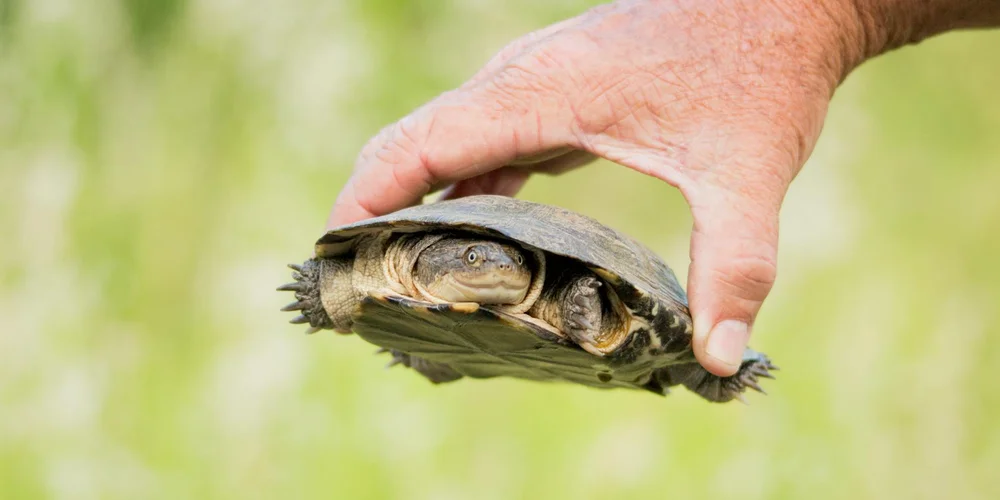
Identifying gender relies on physical traits that become clearer as turtles age. Handling them gently is key to avoiding stress during observation.
- Tail length: Males often have longer, thicker tails that extend beyond the shell edge.
- Claw size: Front claws are usually longer in males, used for mating displays and gripping.
- Shell shape: In many species, males have a concave plastron (underside) to aid in mounting females.
Follow these simple steps to check for gender in common pet species like Russian or Box Turtles. Always support their shell fully to keep them comfortable.
- Lift the turtle carefully and view it from below to assess tail length and thickness.
- Examine the front claws-males in species like Russian Tortoises may show noticeable length differences.
- Look at the plastron; a slight inward curve often indicates a male, while females tend to have flatter undersides.
Age and species greatly affect how visible these traits are-juveniles might not show clear signs until maturity. For instance, with Orwell, my Box Turtle, his reserved nature didn’t align with typical male aggression, reminding me that species-specific knowledge is vital.
Do Male and Female Turtles Show Different Behaviors?
In my years of sharing my home with tortoises like Austen and Bronte, I’ve observed distinct personality patterns linked to their sex. Male turtles often display more overt territorial and courtship behaviors, especially when they reach sexual maturity. This can look like persistent chasing, nipping, or ramming with their shells. These displays can escalate if resources are scarce, sometimes leading to cannibalistic acts in stressed groups. Proper housing, feeding, and enrichment help prevent aggression and its risky consequences.
Comparing Common Behaviors
- Aggression: Males are typically more aggressive, particularly towards other males. This is their way of competing for mates and establishing dominance.
- Territoriality: A male might relentlessly patrol his enclosure, seeing it as his kingdom to defend. Females are generally more relaxed about their space.
- Basking Habits: Both sexes need to bask, but you might notice males basking more frequently or for longer periods to regulate their energy levels for all that patrolling and courting.
Hormone Cycles and Breeding Season
Just like many animals, turtle behavior is heavily influenced by hormones. During breeding season, a male turtle’s behavior can intensify dramatically. He may stop eating as much, become hyper-focused on any female in the vicinity, and his aggression can spike. Females can also become restless or seek out nesting spots, even without a male present. If your turtle is acting strange, a quick behavioral diagnostic checklist can help you interpret these changes. It can distinguish normal hormonal behavior from signs of illness or stress that require veterinary advice.
Signs of Stress and Gender Influence
All turtles can get stressed, but the triggers can differ. A male might become stressed by the sight of his own reflection, perceiving it as a rival, while a female might show stress if she lacks a suitable place to dig and lay eggs. Tail positions and movements can reveal mood health—tucked or stiff tails often signal fear or stress, while a relaxed, drifting tail suggests calm. Observing tail cues alongside other behaviors helps gauge overall mood health. Common signs for both include hiding constantly, refusing food, or frantic swimming.
Species-Specific Insights on Turtle Temperament

General trends are helpful, but the species of turtle is often the single biggest factor in their personality. My gentle Russian Tortoise, Austen, behaves entirely differently than my clever Box Turtle, Orwell, regardless of their sex. Understanding turtle body language and coloration changes helps reveal their mood and stress levels. Noticing these cues alongside species differences completes the picture of each turtle’s personality.
Red-Eared Sliders
- Gender Differences: Male Red-Eared Sliders are notoriously persistent in their courtship. They use their long front claws to flutter in front of the female’s face, and they can harass her to the point of exhaustion. Housing multiple males together is usually a recipe for conflict.
- Care Tips: If you have a male, provide plenty of visual barriers and space so a female can get a break. For a solo male, sometimes a mirror outside the tank can satisfy his territorial displays without the stress of a real rival.
Box Turtles
- Temperament Variations: Box turtles, like my Orwell, are often more solitary and less overtly aggressive than aquatic sliders. Males can still be territorial, but it’s usually less intense. They are known for being inquisitive and can become quite tame with gentle, consistent handling.
- Enclosure Setup: For a female box turtle, a deep, soft area of soil or mulch is non-negotiable for egg-laying, even if the eggs are infertile. Males will appreciate a more complex terrain with logs and plants to patrol and explore.
Other Common Pet Species
- Painted Turtles: Their temperament is similar to Red-Eared Sliders, with males being the more active pursuers during breeding times.
- Map Turtles: Many Map Turtle species are known for being somewhat skittish. Males tend to be smaller and can be more prone to stress in a busy environment.
- Tortoises: With my tortoises, the male (Austen) is definitely the more pushy one when it comes to food and prime basking spots, while my female (Bronte) is more methodical and graceful. The key takeaway is that the species itself sets the baseline for personality; gender then adds a layer of nuance on top of that.
Choosing the Right Gender for Your Home
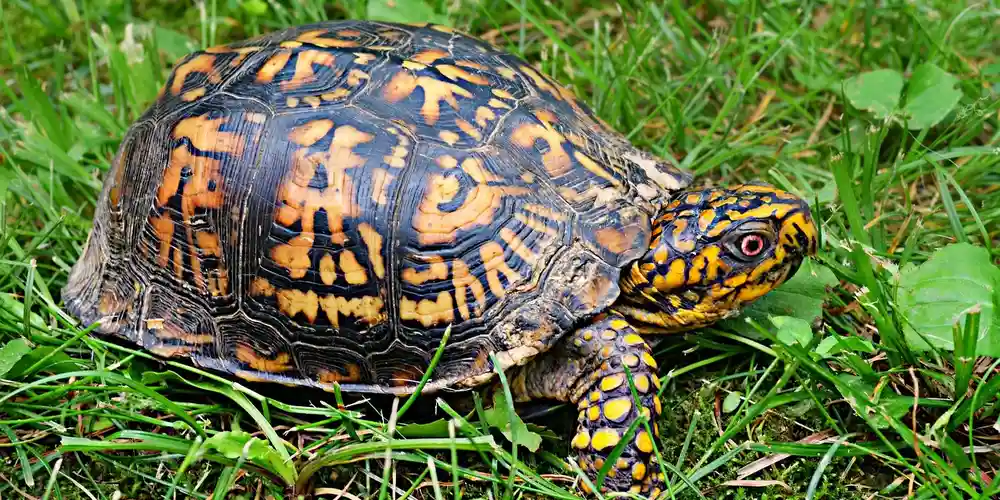
Selecting a turtle isn’t just about looks; it’s about matching their inherent personality to your household’s rhythm. Your living situation—from apartment size to family members–plays a huge role in which gender might be a better fit, as well as in choosing the right environment for your turtle.
Key Factors to Weigh
- Available Space: Male turtles often patrol and claim territory, needing more horizontal room to roam without stress.
- Multiple Turtles: Housing males together can spark conflict, while female groups generally coexist more peacefully.
- Young Children: A female’s typically calmer disposition can be less intimidating for gentle, supervised interactions.
- Other Pets: A territorial male might see a curious cat or dog as a rival, requiring more vigilant habitat security.
Behavioral Pros and Cons
From my years with Austen (male) and Bronte (female), their differences are like night and day.
- Male Turtles (The “Wanderers”):
- Pros: Highly active and engaging to watch; their persistent curiosity is often entertaining.
- Cons: Can be stubbornly territorial, leading to pacing, glass-surfing, or even aggression toward tank mates.
- Female Turtles (The “Nesters”):
- Pros: Generally more placid and easier to handle; their steady presence is wonderfully grounding.
- Cons: Require a dedicated laying area even if un-bred; egg-binding is a serious health risk without proper setup.
Compatibility and Social Needs
I learned this lesson early. Introducing my male Russian Tortoise, Austen, to another male was a mistake. The constant posturing and nipping meant I had to quickly separate them into their own enclosures for everyone’s wellbeing. My females, however, share space without issue, often basking near each other in quiet contentment. Socialization for a male often means having his own kingdom, while females can sometimes be roommates.
Gender-Based Care and Handling Tips
Caring for a turtle goes beyond a one-size-fits-all approach. Their biological instincts demand specific accommodations for a truly thriving life. For a practical reference, our care land aquatic turtles essential guide covers habitat needs, diet, and health checks for both terrestrial and aquatic species. Use it to tailor care to each turtle’s unique needs.
Enclosure Setup Adjustments
- For Males: Create a complex landscape with visual barriers like plants and rocks to break up sightlines and reduce territorial stress.
- For Females: A deep, loose substrate area (a mix of topsoil and sand is perfect) is non-negotiable for egg-laying, preventing dangerous complications.
Providing a proper nesting site isn’t a luxury for a female; it’s a critical part of her healthcare.
Handling During Hormone Cycles
Spring can be a frantic time for males and a restless one for females. I handle my pets less during these peak hormonal periods.
- Watch for signs of agitation: Males may bob their heads rapidly; females may dig incessantly.
- Keep interactions short, calm, and close to the ground to prevent stress-related drops or escapes.
- Offer food by hand to build positive associations without the need for prolonged holding.
Monitoring Health and Diet
Their genders directly influence their nutritional and veterinary needs.
- Males: Their high activity levels can mean a slightly higher appetite. Watch for weight loss from constant patrolling.
- Females: Egg production drains calcium. Dusting food with a calcium supplement is absolutely vital for preventing metabolic bone disease and soft-shelled eggs. Be alert for lethargy or lack of appetite, which can signal egg-binding.
Health and Behavioral Impacts of Gender

One of the most significant health distinctions between male and female turtles lies in the female’s reproductive system. Female turtles, even without a mate, can develop and retain eggs, a serious condition known as egg-binding. I’ve seen this with my Greek tortoise, Bronte; she became lethargic and stopped eating, which prompted an urgent vet visit. A proper nesting area with deep, moist substrate is not a luxury—it’s a medical necessity for any female turtle to help prevent this life-threatening situation. A DIY nesting box can provide a safe, quiet site for egg laying and support healthy nesting behavior in female turtles. Built with a deep, moist substrate and a private, accessible location, it helps mimic natural nesting conditions while reducing stress during the egg-laying process.
Common Health Concerns
- Egg-Binding in Females: This occurs when a female cannot lay her eggs. It’s often caused by poor nutrition, an unsuitable habitat lacking a nesting site, or general ill health. A swollen cloaca and persistent digging are early warning signs.
- Males can develop prolapsed organs, a condition where internal tissue protrudes from the vent, often linked to territorial stress or injury from aggressive behavior.
- Both genders are susceptible to respiratory infections, but stress from breeding harassment or an inadequate environment can make any turtle more vulnerable.
How Age and Environment Shape Temperament
Personality is not set in stone from hatching. Age and environment work together to profoundly shape your turtle’s behavior over its long life. In their first year, hatchlings and juveniles often experience rapid changes, so you should expect your turtle’s personality to shift as it grows. This is why a stable environment and gentle handling matter right from the start. My Russian tortoise, Austen, was a shy juvenile but has blossomed into a confident, curious explorer with age and a stable, enriching habitat.
- Juveniles: Often more skittish and focused on growth. Gender differences are usually minimal at this stage.
- Sexual Maturity: This is when gender-based behaviors truly emerge. Males may start head-bobbing and pursuing females, while females begin scouting for nesting sites.
- Environmental Triggers: A cramped enclosure can heighten territorial aggression in males. An environment that is too cold can make any turtle lethargic and irritable, masking its true personality.
Stress Signals and When to Seek Veterinary Care
Learning to read your turtle’s subtle language is a cornerstone of responsible care. Chronic stress weakens the immune system, opening the door to a host of health problems. My box turtle, Orwell, will completely retreat into his shell and refuse food for days if something is amiss in his world. Noticeable changes like persistent lethargy or appetite loss should prompt a visit to a reptile-savvy veterinarian. Early care can prevent minor issues from becoming serious.
- Hiding constantly and refusing to bask.
- Lethargy or a sudden lack of appetite.
- Pacing the enclosure walls repeatedly.
- Wheezing, bubbles from the nose, or swimming lopsidedly (in aquatic species).
You should seek immediate veterinary care if you observe any labored breathing, visible injury, a prolapse, or suspected egg-binding. A reptile-savvy vet is an essential partner in your pet’s health, and it’s always better to err on the side of caution with these stoic creatures.
FAQs
Is one gender of turtle generally easier to care for than the other?
Females often have simpler daily care but require specific nesting areas to prevent health issues. Males might need more space management to curb territorial behavior.
Do male and female turtles interact differently with their owners?
Both can form bonds, but males may be more active and engaging, while females tend to be calmer during handling. Consistent, gentle interaction helps build trust with either gender.
Can I change my turtle’s gender-based behaviors through environment or training?
While you can’t eliminate innate instincts, providing an enriched environment can reduce stress-related behaviors. Positive reinforcement training might help modify some actions, but fundamental temperament remains.
So, Which Turtle Gender Makes a Better Pet?
Ultimately, the best turtle for you depends far more on its unique personality than its sex. While general trends exist, like males being more active or females needing space for egg-laying, meeting an individual’s specific needs is what truly builds a strong bond. Beyond personality, key factors to consider when choosing a turtle species include size, habitat needs, diet, and lifespan. These considerations help ensure the turtle fits your home and your ability to provide proper care.
Committing to a turtle means committing to a lifetime of attentive care and learning. I encourage you to keep exploring the wonderful world of turtle behavior and habitat needs right here on our site to ensure your shelled friend thrives for decades.
Further Reading & Sources
- Temperament and sexual behaviour in the Furrowed Wood Turtle Rhinoclemmys areolata – PMC
- Is there a difference in personality between a male and female tortoise? | Tortoise Forum
- What causes a sea turtle to be born male or female?
- How to Tell If a Turtle Is Male or Female: 8 Steps (with Pictures)
Matthew is a dedicated turtle enthusiast and conservationist with over 15 years of experience in reptile care. Known affectionately as "The Leatherback" among his peers, he combines his passion for turtles with a commitment to educating pet owners on responsible turtle care and environmental stewardship.
Understanding Turtle Behavior