
How Long Can Turtles Hold Their Breath: A Personal Insight
If you’ve ever worried about how long turtles can hold their breath, especially when they seem to linger underwater for ages, you’re not alone-this question often pops up for pet owners and nature lovers concerned about their safety and well-being.
We’ll explore average breath-holding times, species differences like my Russian tortoise Austen versus Greek tortoise Bronte, factors affecting duration, and essential care tips to keep your turtles thriving.
The Fundamentals of Turtle Respiration
How Turtles Prevent Water Entry During Breath-Holds
Turtles have a natural ability to seal their airways when submerged. They use a small flap called the glottis to block water from entering their lungs. This mechanism kicks in automatically, much like how you might hold your nose before jumping into a pool.
In my years caring for turtles like Austen and Bronte, I’ve noticed they rarely take in water even during long rests underwater. Their bodies are designed to handle these situations without stress. Turtles rely on instinctive reflexes to keep their respiratory systems dry and functional.
- Closing the glottis to seal the windpipe
- Using throat muscles to create a tight barrier
- Adjusting body position to minimize water exposure
For semi-aquatic species like Orwell, my box turtle, this adaptation is crucial. He spends time both in water and on land, and I’ve seen him effortlessly switch between breathing and holding his breath. This built-in protection helps turtles avoid respiratory infections and other health issues.
Oxygen Storage and Usage in Turtles
Turtles store oxygen in their blood and muscle tissues, similar to how a battery holds a charge. During dives, their heart rate slows down significantly, which conserves oxygen for vital organs. This process, known as bradycardia, allows them to extend their underwater time without gasping for air. During winter brumation, many freshwater turtles stay submerged for months, slowing their metabolism to conserve oxygen, which is how turtles survive underwater in winter. They can also absorb small amounts of oxygen through their skin and throat membranes while dormant.
I remember watching Bronte, my Greek tortoise, during a quiet moment. She remained still for what felt like ages, barely using any energy. By reducing their metabolic rate, turtles can make a single breath last much longer than you might expect.
- Oxygen binds to hemoglobin in the blood
- Muscles store extra oxygen for high-demand activities
- Heart rate drops to as low as one beat per minute in some species
This efficient system means turtles don’t need to surface constantly. For pet owners, it’s a reminder to provide a stress-free environment so your turtle can regulate its oxygen use naturally. Proper care supports their innate ability to manage oxygen without intervention.
Breath-Hold Durations Across Turtle Species
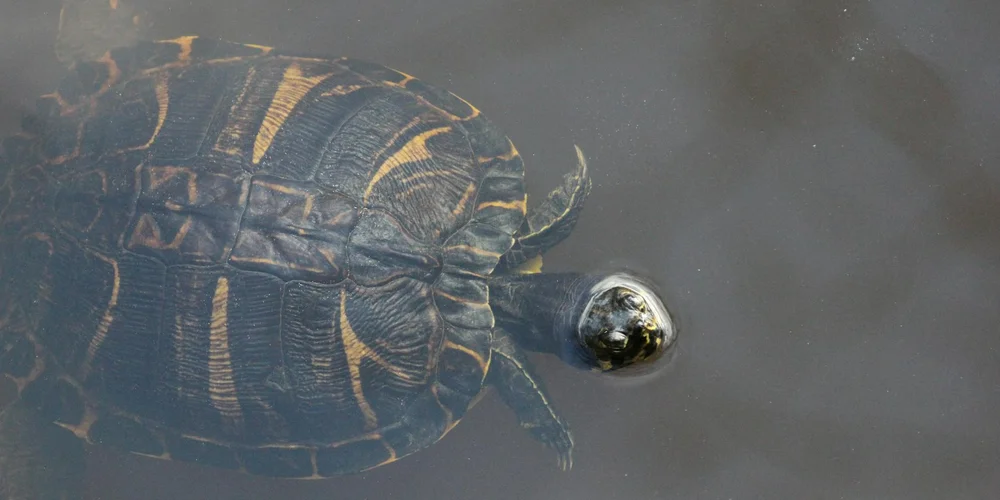
Sea Turtles: Masters of Deep Dives
Sea turtles are champions of breath-holding, capable of staying submerged for hours. Species like leatherbacks can dive deep and hold their breath for up to seven hours while resting. Their large lungs and specialized blood cells allow them to store massive amounts of oxygen, which is essential for their deep dives and long-distance migrations.
Imagine the vast ocean where these turtles roam, diving to chilly depths with ease. Sea turtles have evolved to thrive in environments where surfacing frequently isn’t an option.
- Leatherback turtles: 4-7 hours during rest
- Green sea turtles: 2-5 hours depending on activity
- Loggerheads: 3-6 hours with minimal movement
These extended dives help them forage and evade predators. Their endurance is a testament to how well-adapted they are to marine life.
Freshwater and Semi-Aquatic Turtles in Home Care
For turtles commonly kept as pets, breath-hold times are shorter but still impressive. Freshwater species like red-eared sliders can manage 30 minutes to an hour, while semi-aquatic ones like Orwell, my box turtle, might hold their breath for 20-40 minutes based on my observations.
Your turtle’s ability to stay underwater depends on factors like water temperature and its overall health. Providing a basking area lets your turtle regulate its body temperature and breathe when needed.
- Red-eared sliders: 30-60 minutes
- Painted turtles: 20-50 minutes
- Box turtles: 15-40 minutes
I always ensure Austen and Bronte have easy access to dry spots. This mimics their natural habitat and prevents stress. A well-designed tank encourages natural behaviors without forcing extended breath-holds.
Can Baby Turtles Hold Their Breath as Long as Adults?
Baby turtles cannot hold their breath as long as adults due to their smaller size and higher metabolic rates. Hatchlings need to surface more frequently, often every few minutes, to replenish their oxygen supply. Their bodies are still developing, so they burn through energy faster.
When Bronte was a baby, I noticed she’d pop up every couple of minutes during swims. It was a clear sign of her youthful vitality. Young turtles require extra attention to ensure they don’t exhaust themselves in the water.
- Smaller lung capacity limits oxygen storage
- Faster metabolism increases oxygen demand
- Shorter dive times, typically 5-15 minutes
To support baby turtles, keep water shallow and provide plenty of resting areas. Monitoring their behavior helps you spot any signs of distress early on.
Physiological Adaptations for Extended Breath-Holding
Watching my tortoises, Austen and Bronte, you’d never guess they share a common ancestor with aquatic turtles capable of astonishing underwater feats. The secret lies in a suite of physiological adaptations that transform them into efficient, slow-breathing marvels.
The Role of Metabolic Rate in Dive Duration
Turtles are ectotherms, meaning their internal body temperature and metabolic rate are governed by their environment. This is their superpower for breath-holding. A lower metabolic rate means their bodies consume oxygen at a much slower pace than a mammal of similar size. My Russian Tortoise, Austen, demonstrates this perfectly during his winter brumation; his entire system slows to a near standstill, requiring minimal oxygen. In winter, many turtles enter a hibernation-like state called brumation, curbing activity to weather the cold. This seasonal behavior highlights how metabolism and breath-holding enable them to endure months with minimal oxygen. A slow metabolism is the foundational reason a turtle can spend hours, or even months, submerged without taking a single breath.
Environmental Influences on Breath-Hold Capacity
It’s not just internal biology; the outside world plays a massive role. Colder water dramatically slows a turtle’s metabolism, extending its dive time. Warmer water has the opposite effect. The available oxygen in the water itself is another key factor. Some species can perform a form of respiration called cloacal bursae, essentially “breathing” through specialized tissues in their rear end. This remarkable adaptation allows them to pull dissolved oxygen directly from the water, supplementing their lung supply.
Factors Affecting How Long Turtles Can Hold Their Breath
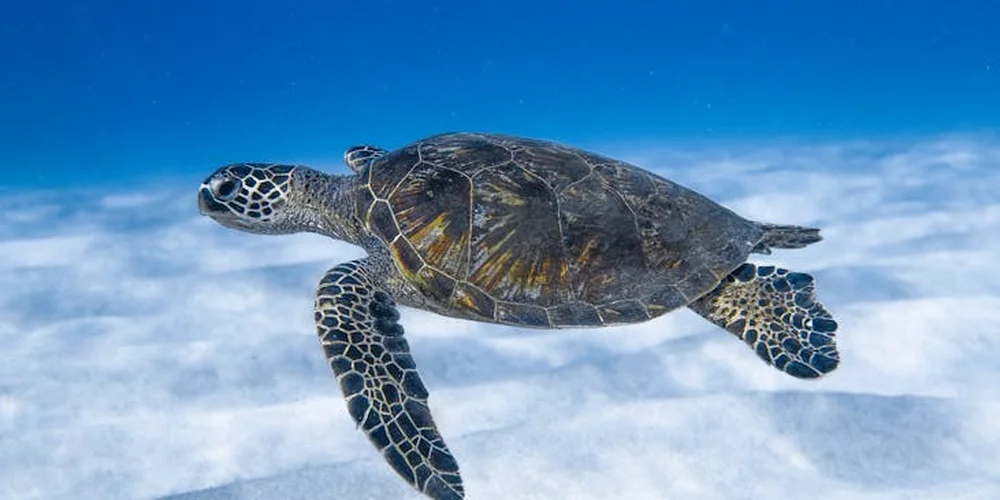
Beyond their innate biology, a turtle’s daily reality shapes its breath-holding ability. Think of it like a battery; some activities drain it quickly, while conservation makes it last. The surprising truth is that turtles don’t breathe underwater. They can stay submerged for hours by conserving oxygen and slowing their metabolism, surfacing only to breathe.
Temperature and Its Impact on Turtle Respiration
Temperature is the master dial for a turtle’s respiratory functions.
- Cold Water (Below 50°F/10°C): Metabolism plummets. Some species, like Painted Turtles, can remain underwater for the entire winter, surviving in an oxygen-depleted state.
- Moderate Water (70-80°F/21-27°C): This is a typical active range. A turtle might hold its breath for an hour or two while resting or sleeping.
- Warm Water (Above 85°F/29°C): A high metabolic rate demands more oxygen. Breath-hold times shorten significantly, sometimes to just a few minutes during strenuous activity.
Simply put, a chilled turtle is a slow-breathing turtle, and a warm turtle needs to surface for air far more often.
Activity Levels and Energy Conservation
What a turtle is doing underwater makes all the difference. My box turtle, Orwell, is a perfect example of energy conservation on land, and the same principle applies in water.
- Resting or Sleeping: This is maximum efficiency. The turtle is still, its heart rate is low, and oxygen use is minimal.
- Casual Swimming: A low-energy activity that still requires muscle movement and oxygen, reducing dive time compared to rest.
- Hunting or Fleeing: This is a high-intensity workout. Bursts of speed and struggle consume oxygen rapidly, forcing the turtle to surface for air much sooner.
A turtle instinctively knows to balance its activity with its need for air, often resting on the bottom to recover after a strenuous chase.
Ensuring Safety for Pet Turtles During Breath-Holding
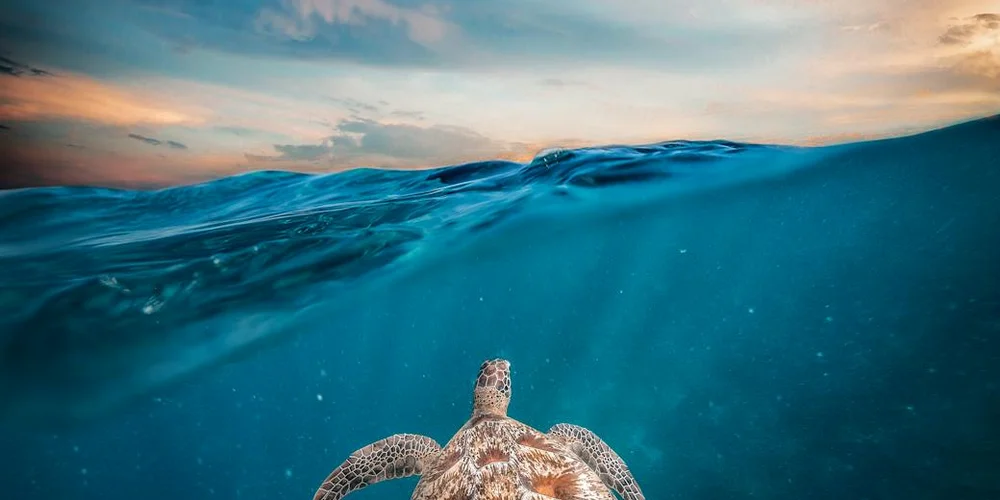
Setting Up a Safe Aquatic Environment
Creating a habitat that respects your turtle’s natural breath-holding ability is the foundation of good care. A spacious tank is non-negotiable; it gives your turtle room to surface for air without a panicked, exhausting swim. My Russian tortoise, Austen, may not be aquatic, but my box turtle Orwell has taught me the importance of a thoughtfully designed water area.
Water quality directly impacts respiratory health. An efficient filtration system is your best ally, working constantly to remove waste and harmful bacteria that can irritate your turtle’s lungs. Essential filtration systems keep turtle water clean by continuously circulating water, filtering out debris, and trapping microscopic organisms. Regular maintenance is key to keeping the system effective. I learned this the hard way years ago, dealing with a persistent case of shell rot that started with poor water conditions.
- Provide a smooth, gently sloping basking area for easy exits.
- Maintain water temperatures specific to your turtle’s species.
- Perform regular, partial water changes to keep nitrate levels low.
- Ensure the basking spot is warm and completely dry.
Recognizing Signs of Respiratory Distress
Even in a perfect setup, turtles can get sick. Knowing the early warning signs of respiratory distress can make the difference between a simple recovery and a life-threatening situation. I once noticed my Greek tortoise, Bronte, was less active than usual; that subtle change was my first clue something was wrong.
Watch your turtle’s behavior in the water closely. A healthy turtle swims with purpose and control, while a struggling one may list to one side, float unevenly, or seem lethargic. It’s a distressing sight, and one I hope you never have to see. Understanding why turtles float normally versus abnormally helps you recognize early warning signs and seek help if needed.
- Wheezing, gurgling sounds or bubbles from the nose or mouth.
-Lethargy and a persistent lack of appetite.
-Swollen eyes or a mucous discharge.
-Excessive yawning or gasping at the water’s surface.
Practical Care Tips for Supporting Healthy Respiration
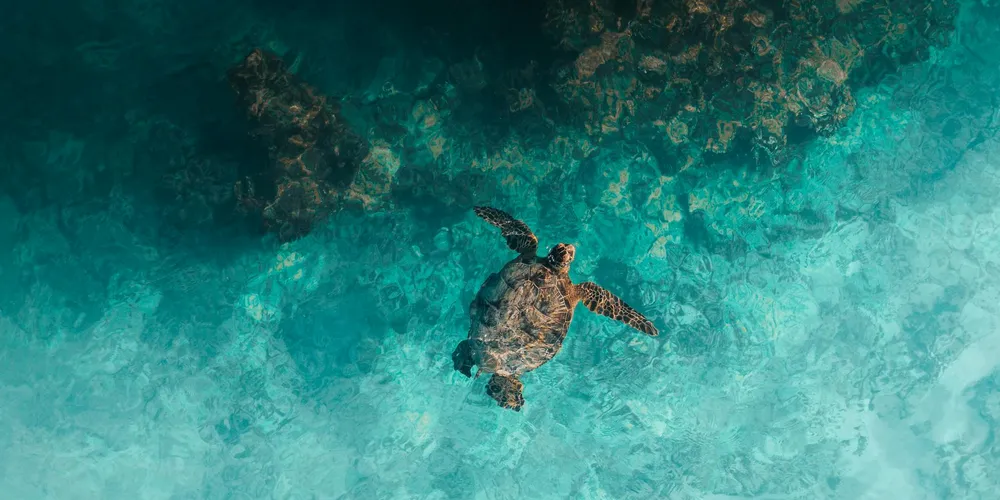
Supporting your turtle’s breathing goes beyond the tank. A balanced, vitamin-A-rich diet is crucial for maintaining healthy respiratory tract linings. I feed my crew a mix of dark leafy greens and the occasional bit of high-quality commercial pellet to cover all their nutritional bases.
Your turtle’s overall habitat plays a massive role. Consistently clean water and a proper heat gradient prevent the stress that often leads to illness. Think of it as preventative medicine that saves you from costly vet visits and heartache down the line. Understanding basking helps explain why they spend so much time out of water: it lets them regulate body temperature and synthesize UVB for calcium metabolism. Providing a safe, accessible dry basking area supports that natural behavior and overall health.
- Test your water parameters weekly for ammonia, nitrite, and pH.
- Offer a varied diet to ensure they get all necessary vitamins.
- Schedule annual check-ups with a reptile-savvy veterinarian.
- Observe your turtle daily for any changes in its normal routine.
FAQs
What is the maximum breath hold duration for turtles?
The maximum breath-hold duration varies by species, with some sea turtles capable of staying submerged for up to seven hours while resting. For most pet turtles, however, it typically ranges from 30 minutes to an hour under normal conditions. This matters for understanding their turtle respiration and habitat requirements in captivity and how to design habitats that support it. Make sure there is easy access to air and a warm, dry basking spot so they can breathe comfortably between swims.
Do turtles use anaerobic metabolism during extended breath holds?
Yes, turtles can switch to anaerobic metabolism for energy production when oxygen levels drop during prolonged dives. This process helps them survive but is limited due to lactic acid buildup, which requires recovery time.
Why do turtles breathe air even though they are aquatic?
Turtles breathe air because they are reptiles with lungs, not gills, so they cannot extract sufficient oxygen from water alone. Do turtles have lungs or gills? They have lungs, not gills, which is why they must surface. Surfacing allows them to replenish oxygen for essential bodily functions and avoid suffocation.
Are there differences in breath hold times among turtle species?
Yes, breath-hold times differ widely among species based on their adaptations and habitats. Sea turtles can last hours underwater, while common pet species like red-eared sliders usually manage 30-60 minutes. Even long-lived pet turtles still need regular access to water. They cannot survive long periods without it, as dehydration and health problems can follow.
What environmental factors influence breath hold duration in turtles?
Water temperature is a major factor, as colder conditions slow metabolism and extend dive times. Activity level also plays a role, with resting turtles conserving oxygen better than during vigorous swimming.
Your Turtle’s Breathing: A Final Reflection
From my time with Austen and Bronte, I’ve seen that turtles hold their breath based on species, health, and environment, so always observe their habits closely. Provide a habitat with clean water and dry basking areas to mimic their natural rhythms and support their well-being.
Stay curious and keep educating yourself on pet turtle care, as each one, like my thoughtful Orwell, has unique needs. Responsible ownership means committing to lifelong learning and prioritizing your turtle’s health and happiness in every decision.
Further Reading & Sources
- How long can sea turtles hold their breath? | Olive Ridley Project
- How Long Can Different Sea Turtles Hold Their Breath? – Sea Turtle Camp
- How Long Can Sea Turtles Hold Their Breath? – The State of the World’s Sea Turtles | SWOT
- How long can Hawaiian Sea Turtles hold their breath? – Turtle Snorkeling Oahu ~ Turtles and You
Matthew is a dedicated turtle enthusiast and conservationist with over 15 years of experience in reptile care. Known affectionately as "The Leatherback" among his peers, he combines his passion for turtles with a commitment to educating pet owners on responsible turtle care and environmental stewardship.
Aquatic Turtles