
Where to See Sea Turtles in the Wild
You’re dreaming of spotting sea turtles in their ocean home, but you might worry about finding the right spots or accidentally harming these gentle creatures during your visit.
In this article, we’ll cover top locations, best seasons, ethical guidelines, and personal insights to ensure a respectful and unforgettable experience.
Prime Global Destinations for Sea Turtle Sightings
Hawaiian Islands Hotspots
The Hawaiian Islands offer some of the most accessible sea turtle encounters on Earth. On Oahu’s North Shore, Laniakea Beach is famously known as “Turtle Beach” for its regular population of basking Green Sea Turtles. I’ve watched them for hours, their slow, deliberate movements on the sand reminding me of my Russian Tortoise, Austen, exploring his enclosure. These ancient creatures rest on the warm sand to regulate their body temperature, a behavior any turtle keeper will recognize from their own pets.
For a more secluded experience, head to the black sand beaches of Punalu’u on the Big Island. Seeing a Green Sea Turtle against the stark black sand is a breathtaking contrast. Remember to always keep a respectful distance-your presence should be a quiet observation, not an interruption.
Caribbean and Mexican Coasts
The warm, clear waters of the Caribbean are a sea turtle paradise. In places like Tobago and Barbados, you can often spot Hawksbill and Leatherback turtles while snorkeling in the reefs. Their grace in the water is a beautiful sight, a fluidity that my land-dwelling tortoises can only dream of! Snorkeling here feels like entering their living room, so move slowly and avoid touching the coral or the animals themselves.
Mexico’s Riviera Maya is another incredible location, with Akumal Bay living up to its Mayan name, “Place of the Turtles.” From my own visits, the key is to go with a certified, eco-conscious guide who prioritizes the turtles’ welfare over a tourist photo op.
Florida’s Coastal Gems
Florida is a powerhouse for sea turtle activity, especially from March through October. The Archie Carr National Wildlife Refuge is one of the most important nesting beaches in the world for Loggerhead turtles. Walking these beaches at dawn during nesting season, you can see the tracks of a mother who labored through the night, a powerful reminder of the endurance of these species. These beaches illustrate habitat features essential for Loggerhead nesting. Detailed habitat and species information emphasizes protecting nesting beaches, dunes, and nearby waters to support their life cycle.
Further south, the John D. MacArthur Beach State Park offers ranger-led night walks during summer months. It’s a profound experience to witness a 300-pound Leatherback lay her eggs under the moonlight, a silent and ancient ritual.
Optimal Seasons and Conditions for Sea Turtle Watching
Timing Your Visit for Nesting Events
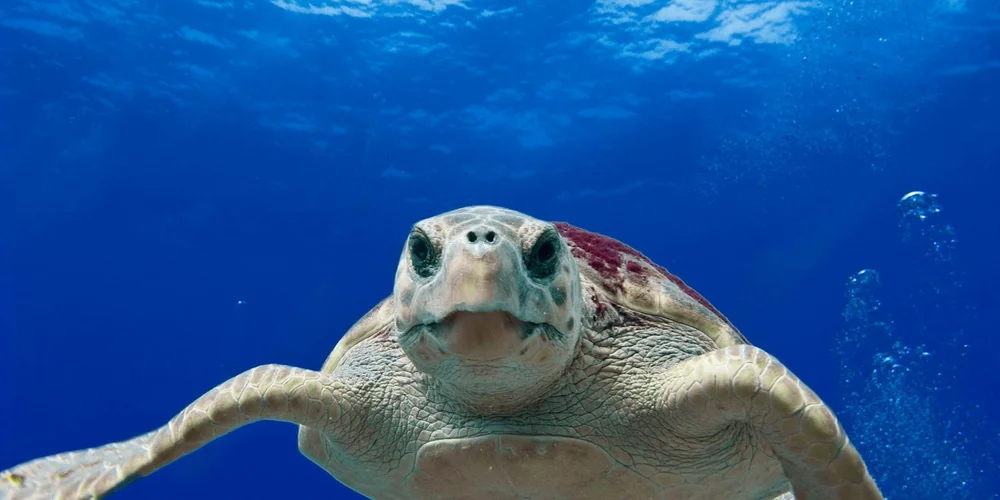
To witness the magic of sea turtle nesting, timing is everything. The season generally spans from late spring to early fall, but it varies by species and location. For example, Leatherbacks often start as early as March in Florida, while Greens and Loggerheads peak in June and July. Understanding nesting and hatching windows—when eggs incubate and hatchlings emerge—helps you plan responsibly. This knowledge complements the seasonal timing above. Planning your trip around the new moon can be particularly rewarding, as the darker beaches make mother turtles feel more secure coming ashore.
I’ve found that the best viewing often happens just after high tide. The harder-packed sand is easier for the females to traverse on their arduous journey from the surf to the dunes. It’s a strenuous effort, not unlike watching my box turtle, Orwell, determinedly climb over a log in his habitat.
Patience is your greatest tool. You might wait for hours in the dark, but the reward of seeing a hatchling emerge and make its frantic dash for the ocean is a memory that lasts a lifetime. Always follow local guidelines, use only red-filtered flashlights, and remain quiet and still to avoid causing stress or disorientation.
Ethical Practices for Observing Sea Turtles
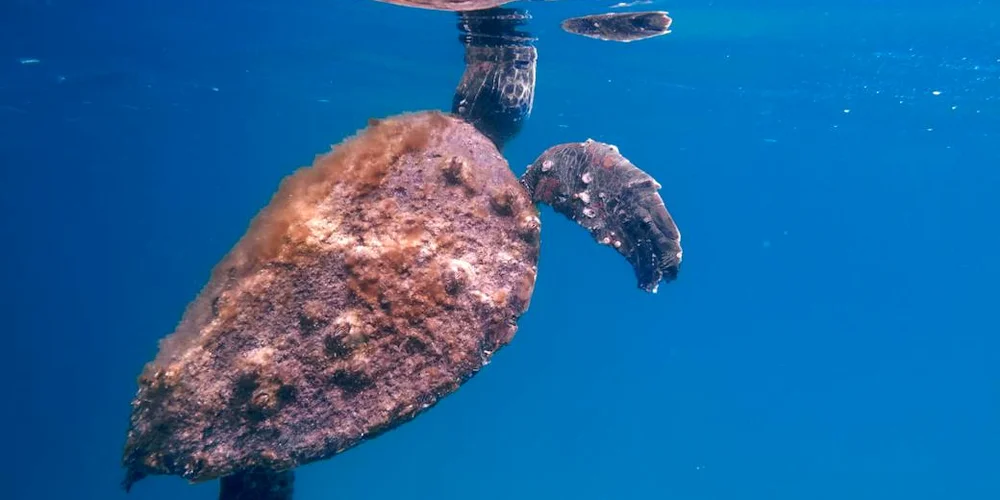
Watching sea turtles in the wild feels like connecting with ancient ocean rhythms. Ethical observation protects these gentle creatures from harm and stress. I’ve seen how my tortoise, Austen, retreats into his shell when startled, reminding me to approach wildlife with quiet respect.
Legal Guidelines and Safety Measures
Laws exist to shield sea turtles during vulnerable moments like nesting. Always research local rules before your visit to avoid fines or disturbing habitats. Many beaches enforce strict no-touch policies and limit night access.
- Stay at least 15 feet away from turtles on land or in water.
- Use only red or amber lights after dark to prevent disorienting hatchlings.
- Avoid flash photography and loud noises that can cause panic.
- Never leave trash or food scraps that attract predators.
From caring for Bronte, my Greek tortoise, I know that a calm presence encourages natural behavior. Following these measures ensures sea turtles can carry out life cycles undisturbed.
How Wild Sea Turtle Behaviors Inform Pet Turtle Care
Wild sea turtle habits offer a blueprint for nurturing pet turtles at home. Observing their natural rhythms helps you create a habitat that supports health and happiness. My box turtle, Orwell, displays digging instincts similar to sea turtles nesting on shores.
Insights from Sea Turtle Senses
Sea turtles rely on sharp senses to survive in vast oceans. Their ability to detect Earth’s magnetic fields guides migrations, much like pet turtles use environmental cues. Turtle senses perception extends beyond magnetism to include smell, sight, and touch. I’ve noticed Austen perks up at the smell of fresh dandelions, echoing how sea turtles sniff out jellyfish. These perceptual abilities shape every move in their watery world.
- Vision adapted for low light means pet turtles benefit from UVB and basking lamps.
- Sensitive hearing alerts them to vibrations; place enclosures in quiet home areas.
- Keen smell drives feeding; offer varied, aromatic foods to stimulate appetite.
Mimicking these sensory experiences enriches your turtle’s daily life. By aligning care with wild instincts, you foster a deeper bond and better welfare. You can also bond with your turtle through simple, reward-based activities. Short, gentle training sessions deepen trust and make care more engaging.
Planning Your Sea Turtle Adventure
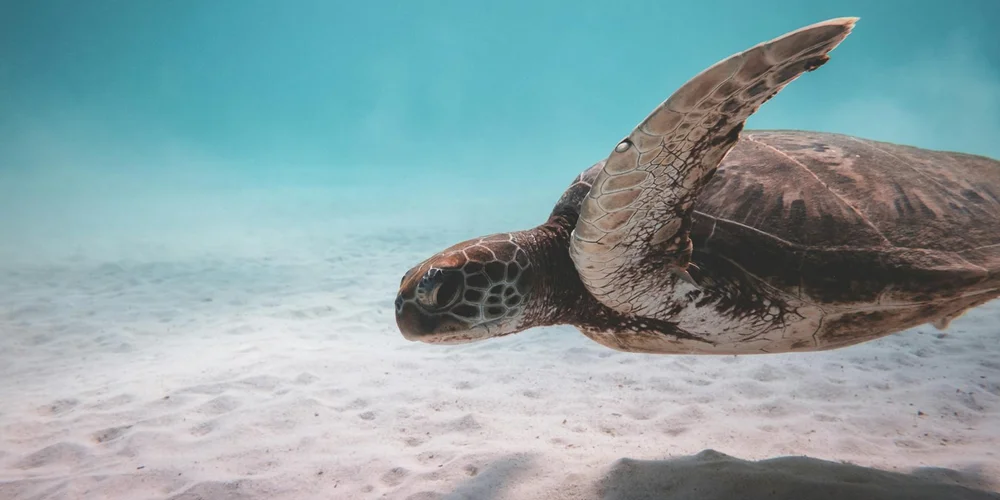
Getting ready to witness sea turtles in their natural habitat feels like preparing for a quiet, magical journey-one that requires thoughtfulness and respect for these ancient creatures. From my time caring for tortoises like Austen and Bronte, I’ve learned that observing turtles, whether on land or in the ocean, demands patience and a gentle approach to avoid stressing them. Start by researching reputable locations known for ethical wildlife viewing, as this ensures you’re supporting conservation efforts while having a memorable experience.
Essential Gear and Preparation Tips
Packing the right items can make your sea turtle outing smoother and more enjoyable, much like how I prepare Austen’s outdoor enclosure for safe exploration. Always bring binoculars to watch from a distance, as getting too close can disrupt their nesting or feeding behaviors. Here’s a simple list of gear to consider:
- Waterproof bag to protect electronics from splashes
- Reusable water bottle to stay hydrated without creating waste
- Comfortable, quick-dry clothing for unpredictable weather
- Camera without flash to capture moments without startling the turtles
Preparation goes beyond gear—check local guidelines for sea turtle seasons, as timing your visit during nesting or hatching periods increases your chances of sightings. I recall watching Orwell, my box turtle, react calmly when I approached slowly; similarly, move quietly and avoid sudden noises near sea turtles to keep them at ease. For a pet box turtle, a complete beginner’s care guide would cover basics like a proper enclosure, heating and UVB lighting, and a varied diet. It also emphasizes gentle handling and routine checks to keep your new companion healthy. Plan for early mornings or late evenings when turtles are most active, and always follow marked paths to protect fragile habitats.
Lastly, educate yourself on sea turtle species in the area, as understanding their habits helps you appreciate the encounter without interference. By studying sea turtle biology—nesting behavior, feeding patterns, and migratory routes—you can better support conservation efforts and minimize disturbance. Advocating for animal welfare means leaving no trace—take only photos and memories, ensuring these magnificent beings thrive for generations.
FAQs
Can I see sea turtles near New Braunfels, TX?
New Braunfels is inland and not a natural habitat for sea turtles, as they require ocean environments. In the wild, sea turtles inhabit coastal and open-ocean habitats that shape their needs. For pet turtle care, focus on creating aquatic setups that mimic coastal conditions to support their health and behavior.
Where can I see sea turtles in Koh Tao?
Koh Tao in Thailand is famous for its clear waters and frequent sea turtle sightings, particularly around popular dive sites like Shark Bay. Always maintain a respectful distance during encounters, just as you would with pet turtles to reduce stress and promote natural activities.
Can sea turtles see red light?
Sea turtles have reduced sensitivity to red light, which is why red-filtered flashlights are recommended for night observations to avoid disorienting them. Pet turtle owners can apply this by using appropriate lighting in enclosures to mimic natural day-night cycles without causing disruption. To diagnose whether your setup meets these needs, use a habitat checklist focused on lighting, heat, and water. It helps ensure you have the perfect lighting, stable heat, and clean water for healthy turtles.
Can sea turtles see color?
Yes, sea turtles can see colors, aiding them in finding food and navigating their surroundings. This insight can enhance pet turtle care by offering varied, colorful diets and environmental enrichments that stimulate their visual senses. Curious about color vision in turtles—are they colorblind? They are not colorblind in the human sense; they can perceive colors, though their color range and sensitivity differ from ours.
Can sea turtles see in the dark?
Sea turtles possess adaptations for vision in low-light conditions, allowing them to see well in the dark during nocturnal activities. Are turtles nocturnal? They generally show circadian rhythms tied to light, with rest occurring in brief bouts rather than long stretches of the night. Pet turtle habitats can benefit from controlled lighting that supports similar visual needs, promoting healthy sleep and activity patterns.
Bringing Ocean Wonders to Your Home
When you observe sea turtles in their natural habitats, always keep a respectful distance and avoid any actions that could disrupt their behavior. This mindful approach not only protects wild populations but also inspires better care practices for your own pet turtles.
Responsible pet ownership means committing to lifelong learning about your turtle’s specific needs, from diet to habitat setup. By staying curious and informed, you create a nurturing environment where your turtle can flourish just like its wild cousins.
Further Reading & Sources
- Sea turtle – Wikipedia
- Sea Turtle | World Wildlife Fund
- Sea Turtles | NOAA Fisheries
- The best places to see sea turtles around the world
Matthew is a dedicated turtle enthusiast and conservationist with over 15 years of experience in reptile care. Known affectionately as "The Leatherback" among his peers, he combines his passion for turtles with a commitment to educating pet owners on responsible turtle care and environmental stewardship.
Travel Tips