
Hidden Costs of Turtle Ownership: What First-Time Owners Often Miss
Bringing home a turtle feels like a gentle wave of excitement, but many first-time owners get caught off-guard by the hidden financial tides that keep these creatures healthy and happy.
We’ll dive into setup investments, ongoing habitat care, veterinary surprises, dietary needs, and unexpected long-term expenses.
The True Price of a Proper Turtle Enclosure
Many new owners see a small turtle and picture it living happily in a simple ten-gallon tank. This vision rarely matches reality. A proper turtle enclosure functions as a complete, self-sustaining ecosystem, not just a container for water. The initial purchase of a small tank is often the cheapest part of a very long journey.
Let’s break down the real costs you will face.
- Tank Size: A single aquatic turtle often needs a 75 to 125-gallon tank as an adult. A 40-gallon breeder tank, a common starter size, can cost over $100. The larger tanks you will eventually need can easily run $200 to $500, and that’s before you fill it.
- Filtration: Turtles are messier than fish. You need a filter rated for two to three times the volume of your tank. A quality canister filter for a 75-gallon tank starts around $150 and is non-negotiable for clean, healthy water.
- Substrate: Bare bottoms are easy to clean, but many turtles enjoy digging. Large river rocks or sand add enrichment but also cost. A bag of safe, large-grade gravel can be $20-$30.
- Docks & Basking Areas: Your turtle needs a completely dry area to bask. Store-bought floating docks cost $15-$40, but larger turtles need custom-built platforms, which can double that price.
I learned this the expensive way with my Greek tortoise, Bronte. She started in a modest indoor table. As she grew, her graceful wandering demanded more space, leading to two costly enclosure upgrades in three years. What began as a $150 setup ultimately became a $600 custom-built outdoor pen. Planning for their full adult size from day one saves money and stress.
Lighting and Heating: The Ongoing Energy Investment
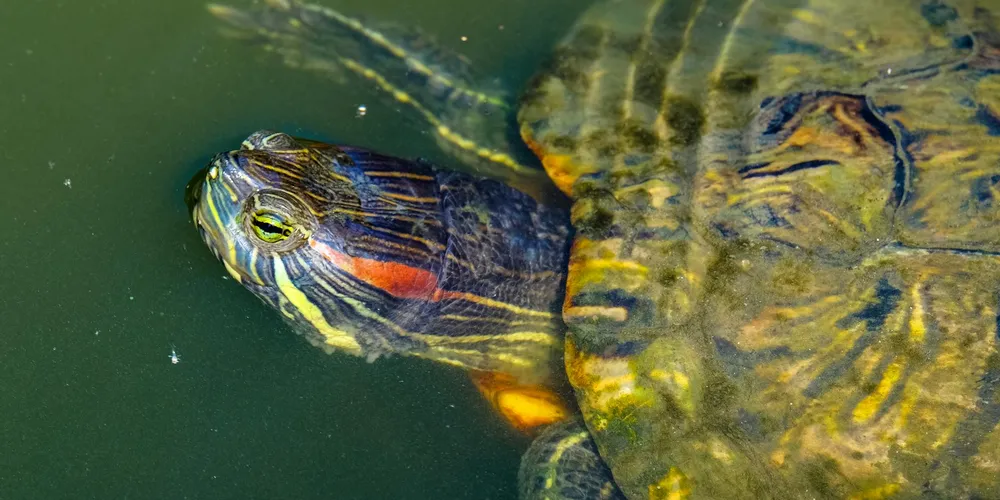
Sunlight is free for wild turtles, but in your home, you become their sun. This role comes with a recurring price tag that first-time owners frequently underestimate. Proper lighting isn’t just a luxury; it’s the cornerstone of their metabolic health and shell development.
The core components have their own schedules and costs.
- UVB Bulbs: These bulbs are essential for processing calcium, even if your turtle eats well. The crucial detail many miss is that the UV output degrades long before the bulb burns out. You must replace UVB bulbs every 6 to 12 months, a $30-$50 recurring cost per bulb.
- Heat Lamps & Ceramic Heat Emitters: Basking spots need a heat lamp to reach 85-95°F. These bulbs burn out more frequently. Having a spare is critical. A ceramic heat emitter for nighttime warmth is another $20-$30.
- Support Gear: A timer for your lights ($10-$20) ensures a consistent day/night cycle. A thermostat ($30-$50) for your heater prevents dangerous temperature swings and can save on electricity.
This equipment runs 10-14 hours daily, and its effect on your electricity bill is real. I once had a timer fail, leaving my turtle Orwell without his heat lamp for a chilly night. He was fine, but it was a stark reminder of how dependent they are on our artificial systems. I now keep a full set of backup bulbs, because their health literally depends on that light being on.
Regular Nutrition and Supplement Expenses
Many new owners are surprised by the ongoing grocery bill for a turtle. A varied diet is not a luxury; it is a fundamental requirement for their health. My monthly food costs for Austen, Bronte, and Orwell typically range from $40 to $60.
- Fresh leafy greens like dandelion greens and romaine lettuce form the staple.
- Assorted vegetables, including bell peppers and shredded carrots, add crucial variety.
- Live feeders like earthworms and crickets provide essential protein, especially for younger turtles and box turtles like Orwell.
This variety prevents nutritional deficiencies and keeps them engaged with their food.
Calcium and Vitamin D3 supplements are non-negotiable. Without proper calcium and UVB light, which enables D3 synthesis, a turtle’s shell can become soft and deformed. Choosing the best UVB lights ensures steady output that supports calcium metabolism and a healthy shell. I lightly dust their food with a calcium powder supplement twice a week. I also keep a cuttlebone in their enclosure, which they gnaw on as needed.
Their appetites are not constant throughout the year. My turtles, particularly the Russian and Greek species, naturally eat less during the cooler, winter months, a behavior that mimics their wild cycles. Winter brumation cues—lower temperatures and shorter days—signal their bodies to slow down. I pay close attention to these seasonal changes to align feeding with their energy needs. I adjust their portions accordingly, offering food less frequently to prevent waste and maintain a healthy weight.
Veterinary Care and Unexpected Medical Bills
Finding a veterinarian who specializes in reptiles is your first and most important step. Not all vets are equipped with the knowledge or tools to properly diagnose and treat turtles. A standard exotic animal check-up can cost between $75 and $150. To find a qualified reptile veterinarian for your turtle, start with a trusted specialist directory or local reptile rescue groups. Ask about turtle-specific experience and credentials before booking the appointment.
- A routine wellness exam is crucial for establishing a health baseline.
- Fecal parasite checks, which should be done annually, add another $25 to $50.
- Common treatments for issues like respiratory infections or minor wounds can quickly run into the hundreds of dollars.
I learned the hard way about the “unexpected” part of medical bills with Orwell. He developed a small, discolored patch on his shell that I initially dismissed. Within a week, it had become soft and slightly sunken. I rushed him to an emergency exotic vet.
The diagnosis was a shell infection, likely from a minor injury I had missed. The emergency visit, diagnostics, antibiotic injections, and specialized topical treatments totaled over $600. It was a stressful and expensive lesson that underscored the importance of proactive, not just reactive, care. Now, I do a quick shell and skin check during every feeding.
Enclosure Maintenance and Replacement Parts

Setting up the habitat is just the initial purchase. The real financial commitment reveals itself in the steady drumbeat of maintenance and replacement parts that keep your turtle’s home clean and safe. These are the costs that quietly add up over the months and years. In the care aquatic turtles essential guide, this ongoing upkeep is treated as a core element of responsible turtle care. Planning for maintenance helps you keep your pet healthy and thriving.
Recurring Supply Costs
Think of your turtle’s enclosure like a small, living biome that needs regular restocking. Here’s a breakdown of what you’ll be buying on a regular basis:
- Filter Media: Chemical, biological, and mechanical filter inserts need changing every 2-4 weeks. For my canister filter, this costs me about $15-$20 every month to keep the water crystal clear for Austen and Bronte.
- Substrate Changes: Whether you use river rocks, sand, or a bioactive mix, substrate needs a deep clean or full replacement several times a year. A bag large enough for my Russian tortoise’s enclosure runs about $25 each time.
- Decor Replacements: Basking platforms can warp or become slimy. Artificial plants get chewed up. These items aren’t forever. I budget for at least one significant decor replacement, around $30, annually.
Humidity Management Tools
Many species, like my Russian tortoise Austen, need specific humidity levels to prevent serious shell and respiratory issues.
- You’ll likely need a hygrometer to monitor levels ($15-$30).
- An automatic misting system or a high-quality humidifier can be a game-changer, but they require filter changes and occasional deep cleans to prevent mold.
- Replacing the water in humidity trays and cleaning them weekly is a simple but non-negotiable task.
Consistent, small investments in maintenance are your best defense against massive, unexpected vet bills down the line. A clean, well-regulated habitat prevents shell rot, fungal infections, and other ailments that are both stressful for your pet and expensive to treat.
The Electrical Bill: Powering Your Turtle’s World
Your turtle’s habitat is a little piece of the wild, running 24/7 inside your home. All that life support comes with a constant, humming draw on your household electricity. It’s a cost I didn’t fully appreciate until I saw my own bill. Automating the habitat with timers and controllers can help keep conditions steady while trimming that energy use. This guide on automating your turtle’s habitat with timers and controllers will walk you through practical setups.
Calculating the Monthly Cost
Let’s break down the energy consumers in a typical setup. Most equipment runs continuously:
- Water Heater: A 100-150 watt heater is common, cycling on and off to maintain temperature.
- Canister Filter: These pumps are workhorses, often using 15-30 watts.
- Basking & UVB Lights: A combined fixture can easily draw 100-150 watts and must run for 10-12 hours daily.
A basic setup can easily add 300-400 watts to your constant energy load. This can translate to an extra $15 to $30 on your monthly electric bill, depending on your local rates. I tracked my bill after setting up Austen’s first proper table and saw a nearly $20 increase.
Tips for Energy Efficiency
You can’t skimp on your turtle’s health, but you can be smart about energy use.
- Plug all habitat lights into a heavy-duty timer. This ensures they aren’t accidentally left on overnight.
- Invest in a high-quality filter. A more efficient model might cost more upfront but uses less electricity over its lifetime.
- Ensure the enclosure lid fits well and the room itself is warm. This reduces the workload on both the water heater and any ceramic heat emitters.
- Use a thermostat for your heaters. This prevents them from working harder than necessary.
Being mindful of your energy use helps your wallet without asking your shelled friend to make any compromises. It’s a simple step toward sustainable pet ownership.
Planning for Long-Term and Emergency Costs
-
As your turtle grows, its enclosure must expand too. I learned this firsthand with Austen, my Russian Tortoise. He started in a small habitat, but over years, his steady growth demanded larger spaces. Set aside a little money each month specifically for future enclosure upgrades to avoid financial stress. Adult turtles need room to roam, and planning ahead ensures their home stays comfortable and safe.
-
Unexpected vet bills or equipment failures can hit hard. When Orwell, my Box Turtle, had a minor shell issue, the exotic vet visit cost more than I anticipated. Filters, heaters, and lights don’t last forever either. Create a separate savings fund for emergencies to cover sudden medical costs or replacement gear without panic. This proactive step protects both your wallet and your turtle’s well-being.
-
Being prepared isn’t just practical-it’s a core part of caring for your pet responsibly. From my experience with Bronte, her graceful nature reminds me that stability matters. Embracing preparedness shows deep respect for your turtle’s long life and reduces risks to their health. It transforms ownership from a chore into a joyful commitment, ensuring you’re ready for whatever comes your way.
FAQs
What is the initial cost of acquiring a pet turtle?
The turtle itself may cost as little as $20 to $50, but essential setup items like a proper tank and filtration system add hundreds more. A complete shopping list for your first tank helps you plan and compare prices, covering everything from substrate and basking decor to UVB lighting and heater. Initial expenses for a basic habitat often start around $200 to $500, depending on the species and enclosure size.
Is there a cost difference between turtle species?
Yes, larger species like red-eared sliders need bigger tanks and more food, driving up costs compared to smaller turtles. Some species also have unique habitat needs, such as higher humidity or specialized diets, which can increase ongoing expenses.
What is the typical annual cost to own a turtle?
Annual costs typically range from $200 to $500, covering food, electricity, and routine maintenance like bulb replacements. This estimate excludes unexpected vet bills or major equipment upgrades, which can significantly raise the total.
Do turtles require any specialized equipment and what are the costs?
Yes, specialized equipment like UVB lights, heat lamps, and canister filters are essential, with initial setup costs ranging from $150 to $300. Ongoing replacements for bulbs and filter media add about $50 to $100 per year to maintain a healthy environment.
Do turtles require enrichment items and how much do they cost?
Enrichment items like basking docks and safe substrates are necessary for mental and physical health, costing $20 to $50 annually to replace or refresh. These items prevent stress and encourage natural behaviors, contributing to overall well-being.
Embrace the Full Picture of Turtle Ownership
From my years caring for tortoises like Austen and Bronte, I’ve seen that hidden costs often stem from habitat upgrades and specialized vet visits. Understanding turtle vet costs, including routine check-ups and common medical expenses, helps you budget for annual exams and potential treatments. This clarity also makes it easier to plan ahead when illnesses or injuries arise. Anticipating these expenses early helps you avoid financial strain and keeps your turtle’s environment stable and enriching.
Responsible ownership means committing to lifelong learning about species-specific needs, from diet to behavior. Stay engaged with reliable sources and communities to grow alongside your shelled companion, ensuring their well-being for years to come.
Further Reading & Sources
- How Much Do Turtles Cost? (Breakdown Of Costs) – All Turtles
- How Much Does a Turtle Cost? 2025 Price Update | PangoVet
- Turtle Prices in 2024: Purchase Cost by Type, Supplies, Food, and More!
- Want a Pet Turtle? Here’s What to Consider – A-Z Animals
Matthew is a dedicated turtle enthusiast and conservationist with over 15 years of experience in reptile care. Known affectionately as "The Leatherback" among his peers, he combines his passion for turtles with a commitment to educating pet owners on responsible turtle care and environmental stewardship.
Preventative Care