
Red-Eared Slider Turtle Cost Guide: From Purchase to Setup
Thinking about bringing a red-eared slider into your home but worried about the hidden expenses piling up? I’ve been there, and the initial price tag is just the beginning.
This guide walks you through every cost: initial purchase price, full habitat setup, ongoing care supplies, and preparing for veterinary expenses.
The Initial Purchase Price of Your Red-Eared Slider
Your new turtle’s price tag might surprise you-it’s often the smallest part of your budget. Red-eared sliders typically range from $20 to $50 for hatchlings, but prices can climb based on several key factors. I’ve found that investing in a healthy start pays off for years of companionship.
Factors Influencing Your Turtle’s Price
Several elements can push that initial cost up or down. Where you buy your turtle plays a huge role in both price and health outcomes. Pet stores often charge less, but breeders might offer robust, well-started juveniles. Deciding which source is right depends on how well you can verify health, origin, and guarantees. Understanding these trade-offs can help you choose the best option for you.
- Age and size: Hatchlings cost less, while sub-adults or adults command higher prices due to their established hardiness.
- Source type: Rescue organizations may have minimal fees, supporting animal welfare, whereas specialty breeders charge premiums for rare color morphs.
- Health and lineage: Turtles with documented health history or unique genetics, like albino variants, can double or triple in cost.
From my time with Orwell, my box turtle, I learned that paying a bit more upfront for a vet-checked individual spared me many worries. Always prioritize a turtle’s vitality over a bargain-it’s a commitment to their well-being.
Essential Habitat Setup: Your Biggest Investment
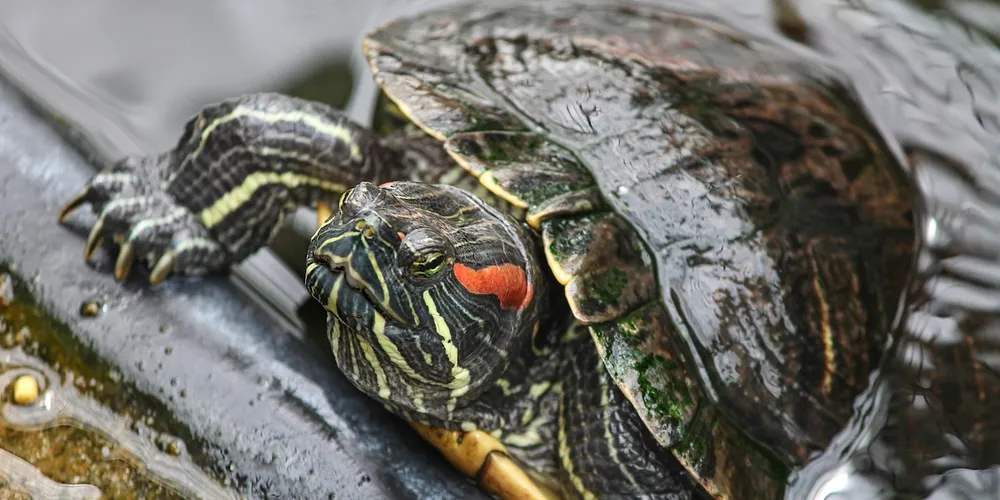
Setting up a proper home is where costs add up quickly, but it’s non-negotiable for a thriving turtle. A complete habitat easily costs $200 to $500 or more, dwarfing the purchase price of your slider. Think of it as building a miniature ecosystem that mimics their natural world. A complete cost breakdown helps you budget every category, from enclosure and lighting to filtration and ongoing care.
Aquarium and Basking Area Costs
Your turtle needs ample space to swim and dry off completely. How big a tank does a turtle need? A larger tank is essential for healthy growth, exercise, and stress reduction. A 75-gallon tank is a good starting point for a young slider, but adults thrive in 125 gallons or larger. Glass aquariums run $100 to $300, while sturdy basking platforms range from $20 to $60.
- Tank options: Basic glass aquariums are affordable; acrylic tanks cost more but resist scratches.
- Basing essentials: Floating docks, ramp-style platforms, or DIY setups using slate stones-each impacts your budget and your turtle’s comfort.
I recall setting up Bronte’s enclosure and realizing how vital a spacious basking spot is for their shell health. Skimping here can lead to stress and illness, so allocate funds for roomy, secure areas.
Heating and Lighting Equipment Expenses
Proper temperature and UVB light are lifelines for your red-eared slider. Heating and lighting kits typically cost $50 to $150, including a heat lamp, UVB bulb, and fixture. These elements prevent metabolic bone disease and support overall vitality.
- Heat sources: Ceramic heat emitters or basking bulbs maintain ideal zones of 75-85°F water and 90-95°F basking areas.
- UVB lighting: Reptile-specific UVB tubes are essential for calcium absorption; replace them every 6-12 months.
With Austen, my Russian tortoise, I saw how consistent warmth uplifts their mood and activity. Invest in a reliable thermometer to monitor conditions-it’s a small cost that safeguards their health.
Filtration and Substrate Budget
Clean water is paramount for aquatic turtles, who are messy eaters. A quality canister filter costs $80 to $200, but it’s worth every penny for clear, healthy water. Essential filtration systems keep turtle water clean by removing waste and debris. Regular maintenance helps ensure continued clarity and health. Substrate, like sand or large gravel, adds another $10 to $30 to your setup.
- Filtration types: Hang-on-back filters work for smaller tanks; canister filters handle larger volumes and waste better.
- Substrate choices: Fine sand is gentle on shells, while bare bottoms ease cleaning-avoid small gravel to prevent ingestion risks.
After maintaining Orwell’s habitat, I appreciate how a strong filter reduces water changes and stress. Choose a filter rated for twice your tank’s volume to keep ammonia levels in check.
Recurring Costs: The Price of Daily Care
Food and Supplement Budget
Feeding a red-eared slider is an ongoing expense that changes as they grow. Younger sliders are primarily carnivorous, needing high-protein pellets and live or frozen foods like bloodworms and shrimp nearly every day. My own turtle, Orwell, went through a phase where he’d only eat live crickets, which definitely added up. For a complete feeding guide, you’ll find age-appropriate recommendations, portion sizes, and a balanced mix of protein, vegetables, and calcium.
As they mature into adults, their diet shifts to include more leafy greens. I spend my Sunday afternoons prepping a week’s worth of dandelion greens, romaine lettuce, and sliced zucchini for Bronte and Austen.
- Staple Pellets: A high-quality brand can cost $15-$25 for a container that lasts a few months.
- Fresh Veggies: Budget around $10-$15 monthly for a steady supply of greens and vegetables.
- Protein Treats: Occasional shrimp, krill, or feeder fish add another $5-$10 per month.
- Calcium & Vitamin Supplements: A crucial powder to dust on food, costing about $10-$15 that lasts for half a year.
Utility and Maintenance Supplies
The real hidden cost of turtle ownership isn’t the food-it’s the electricity and upkeep. Running a powerful aquarium filter, a water heater, and a basking lamp 24/7 will have a noticeable impact on your utility bill. I saw my own electricity bill increase by about 10-15% after setting up my first full-sized turtle tank.
You’re not just paying to keep the lights on, but also to keep the water pristine and your turtle healthy.
- Electricity: Expect a $15-$30 monthly increase from running filters, heaters, and lamps.
- Water Conditioner: A must for neutralizing chlorine in tap water; a $10 bottle typically lasts 2-3 months.
- Filter Media: Cartridges or sponges need replacing monthly, adding $5-$10 to your routine.
- Partial Water Changes: This recurring task uses a significant amount of water, slightly raising your water bill.
Planning for Health and Legal Requirements
Veterinary Care and Emergency Fund
Finding an exotics vet who treats turtles is your first hurdle; affording their services is the second. A standard annual check-up for a red-eared slider can range from $75 to $150, just for a wellness exam. On average, a turtle vet visit runs around $100, depending on tests and follow-up care. I learned this the hard way when Austen needed a shell rot treatment that cost over $300.
Emergencies are not a matter of “if” but “when” with long-lived pets like turtles.
- Wellness Exams: Plan for at least one vet visit per year, costing $75-$150.
- Fecal Exams: Needed to check for internal parasites, adding $25-$50 to your annual bill.
- Emergency Fund: I strongly advise setting aside $500-$1000 specifically for unexpected illnesses or injuries.
- Common Treatments: Shell repair, respiratory infections, or vitamin deficiencies can easily cost hundreds to resolve.
Permits and Long-Term Considerations
Many people are surprised to learn that owning a red-eared slider can be a legal matter. Due to their invasive species status, several states and countries require permits or outright ban the ownership of red-eared sliders. Always check your local and state regulations before bringing one home.
You must also look decades into the future. These creatures often outlive their initial owners, requiring a solid long-term plan.
- Research Local Laws: Contact your state’s fish and wildlife department to confirm legality and any permit costs.
- Plan for Their Lifespan: With a potential life of 40+ years, designate a caretaker in your will.
- Consider Rehoming Resources: Identify reputable reptile rescues in your area should you ever be unable to care for them.
- Budget for Larger Enclosures: Your tiny hatchling will need a 100+ gallon tank as an adult, a significant future expense.
FAQs
How much does a red-eared slider typically cost at Petco?
Red-eared sliders at Petco usually range from $20 to $50 for hatchlings, similar to other pet stores. Prices for turtles at Petco and other retailers tend to be comparable, with variations by location, availability, and promotions. Always check for any ongoing promotions or bundle deals that might affect the final price.
What should I do if my red-eared slider is constipated?
Constipation can result from a diet low in fiber or insufficient hydration. Increase offerings of leafy greens like dandelion greens and ensure constant access to clean water to help resolve the issue.
Do red-eared sliders continue to grow throughout their lives?
Yes, red-eared sliders are indeterminate growers, meaning they grow slowly their entire lives. Providing a spacious habitat and balanced nutrition is crucial to support their ongoing development and prevent health issues.
How can I control my red-eared slider’s behavior in captivity?
Behavior control starts with a well-structured environment that includes basking areas and hiding spots to reduce stress. Use consistent feeding routines and gentle handling to encourage calm, predictable interactions.
What role do red-eared sliders play in ecosystems?
In non-native areas, red-eared sliders can become invasive, competing with local species for food and habitat. It’s important to never release them into the wild to protect biodiversity and ecosystem balance. For beginners, a properly cared-for red-eared slider turtle beginners guide can help you set up a suitable habitat and establish a daily care routine.
Your Path to a Happy, Healthy Turtle
Start by budgeting for the full lifecycle, from the initial purchase of your red-eared slider to their habitat setup and ongoing care. A well-planned investment in essentials like a spacious tank and reliable filter ensures your turtle’s well-being from day one.
Commit to responsible ownership by prioritizing your turtle’s welfare through regular habitat maintenance and attentive health checks. Stay curious and keep expanding your knowledge, as learning never stops in the rewarding world of pet turtle care.
Further Reading & Sources
- How much does a red eared slider turtle cost?
- Red Eared Slider Turtles for Sale | Petco
- A Cost Breakdown for Owning a Red-Eared Slider
- How Much Does a Red-Eared Slider Turtle Cost? (2025 Price Guide) | The Vet Desk
Matthew is a dedicated turtle enthusiast and conservationist with over 15 years of experience in reptile care. Known affectionately as "The Leatherback" among his peers, he combines his passion for turtles with a commitment to educating pet owners on responsible turtle care and environmental stewardship.
Aquatic Turtles