
Can You Buy Turtles at PetSmart and Petco?
If you’re wondering whether you can buy turtles at major pet stores like PetSmart and Petco, you’re likely weighing the convenience against concerns for the animal’s welfare and your ability to provide a proper home.
In this article, I’ll share insights from my years caring for turtles like Austen and Bronte, covering availability, costs, essential care, and responsible ownership practices.
Turtle Availability at PetSmart
Walking into a PetSmart, you’ll typically find a selection of aquatic turtles. Common species include the energetic red-eared slider and the intricately patterned map turtle. These are the usual residents in their aquatic habitats.
Stock can change with the seasons, often increasing during spring and summer. You can check their online store to see what’s available at your local branch before making the trip. It saves time and ensures the little friend you’re hoping for is there.
PetSmart takes its animal welfare responsibilities seriously. They require you to be at least 18 years old to purchase a turtle. This policy helps ensure the animal is going to a responsible home. They also follow all local and federal regulations, including the important ban on selling turtles with a carapace length of less than 4 inches.
Turtle Availability at Petco

At Petco, the focus is often on aquatic varieties, similar to their counterparts. You might find painted turtles or red-eared sliders swimming about. While box turtles are a beloved species, they are less commonly available in-store due to their more specialized terrestrial needs.
Petco generally sources captive-bred hatchlings for their sales. This practice supports sustainable pet ownership and helps protect wild populations. It’s a policy I deeply respect, as it aligns with good animal welfare. They are also meticulous about adhering to all wildlife sales laws.
You can browse their current turtle selection online. However, availability in your specific local store can vary, and you might encounter wait times for certain species. Calling ahead to confirm is a simple step that can prevent a disappointed journey home.
Understanding Legal Restrictions on Turtle Purchases
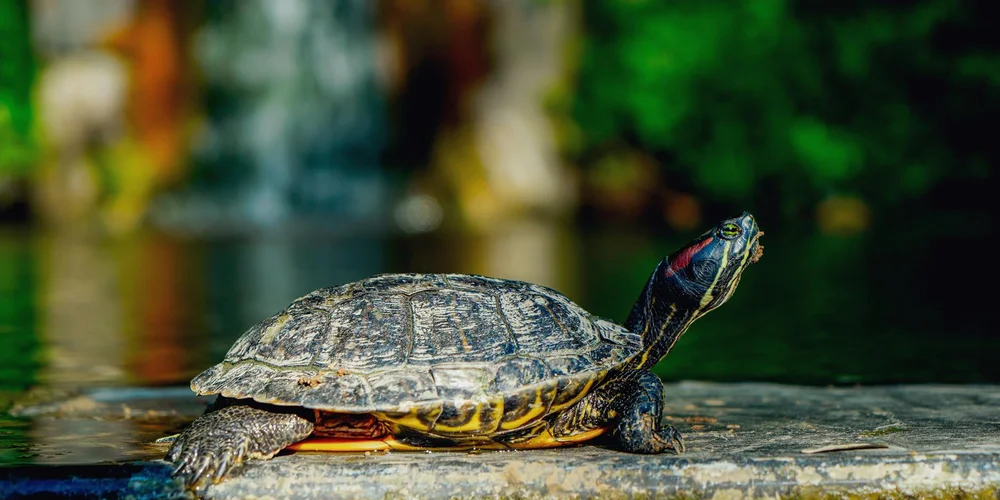
Before you even walk into a pet store, it’s vital to understand the legal landscape. Federal regulations directly impact which turtles you’ll find on the shelves, primarily to protect public health. My first turtle, a tiny red-eared slider, was purchased before I fully grasped these rules, and it taught me a valuable lesson in responsible ownership.
Federal Shell Size Regulations
The most significant federal law is the ban on selling turtle shells with a carapace length of less than 4 inches. This isn’t arbitrary. The rule exists because small turtles were historically linked to Salmonella outbreaks in young children, who might put them in their mouths. PetSmart and Petco strictly adhere to this, which is why you’ll only find juvenile or adult turtles for sale, never hatchlings. Keep in mind that legally keeping a turtle as a pet depends on your location and the species. Check your local laws before bringing one home to ensure you can own and care for it properly.
State-Specific Rules and Permits
Your location adds another layer of complexity. State laws can be far more restrictive than federal ones.
- Some states, like Oregon, completely ban the sale of certain turtle species.
- Others require special permits or licenses to own native species, treating them as wildlife rather than pets.
- A few states have strict regulations on the number of turtles you can keep.
Always check your state’s fish and wildlife department website before making a purchase; what’s legal in one state could be a violation in the next.
Interstate Transport and Pet Store Compliance
How do turtles get to your local store? Interstate transport is governed by its own set of rules to prevent the spread of disease and invasive species. Major pet stores work with licensed breeders and distributors who are well-versed in these transport regulations. They ensure all health certificates and legal paperwork are in order before any turtle is shipped. This system, while not perfect, provides a traceable chain of custody that you won’t find with many private online sellers. Laws also govern how turtles can be sold and transported, including size restrictions and required health documentation, such as turtle sale and transport laws. These regulations help protect animal welfare and public health across state lines.
Ethical Considerations in Buying Turtles
Legality is one thing; ethics is another. Purchasing a live animal is a decision that carries significant moral weight, and it’s one I’ve become more thoughtful about with each of my shelled companions. My Greek tortoise, Bronte, was a rehoming situation, and that experience opened my eyes to the importance of considering the animal’s entire life story.
Animal Welfare in the Pet Trade
The journey from breeder to store shelf can be stressful for any animal. While large chains have standardized care protocols, the initial sourcing is a critical ethical point. High-volume breeding facilities can sometimes prioritize quantity over the individual welfare of the animals. I’ve seen turtles in pet stores that seemed lethargic or had minor shell issues, which always gives me pause and makes me ask about their origin and how long they’ve been in the store.
Captive-Bred vs. Wild-Caught
This is the single most important ethical choice you can make.
- Captive-Bred Turtles: These are born and raised in controlled environments. They are generally healthier, better acclimated to human care, and their purchase does not deplete wild populations. PetSmart and Petco primarily source captive-bred animals.
- Wild-Caught Turtles: Removing turtles from their natural habitat is ecologically damaging and incredibly stressful for the animal. They often arrive with parasites, injuries, and struggle to adapt to captivity.
Always insist on a captive-bred turtle; it’s a choice that supports sustainable and more humane practices within the pet industry.
Supporting Ethical Practices
Being an ethical consumer goes beyond the point of sale. It’s about a mindset.
- Do Your Homework First: Research the specific needs of the species for years, not days. My Russian tortoise, Austen, requires a very specific diet and habitat that I had to prepare well in advance.
- Consider Adoption: Many turtle rescues are overflowing with animals in need of a good home. This is a wonderful alternative that directly addresses the problem of pet abandonment.
- Ask Questions: Don’t be shy. Ask the store staff about the turtle’s origin, its age, and its health history. A reputable store will have this information.
An impulse buy leads to unprepared owners and suffering animals, so make your decision a deliberate and informed one.
Preparing for Turtle Ownership

Bringing a turtle home means creating a complete environment before their arrival. Your first investment should always be in a proper habitat, not the animal itself. I learned this the hard way with my first turtle, scrambling to assemble his tank after purchase.
Essential Turtle Supplies
- Aquarium Tank (A 40-gallon breeder is a good starting size for many species)
- High-quality Canister Filter rated for 2-3 times the tank’s volume
- Aquarium Heater with an adjustable thermostat
- Full-spectrum UVA/UVB lighting fixture and bulbs
- Separate Basking Area with a dedicated heat lamp
- Water Conditioner to remove chlorine and chloramines
- Aquatic Turtle Pellet Food and supplements
- Variety of fresh greens and occasional protein sources
Basic Husbandry Steps
Caring for turtles involves daily attention and weekly maintenance. Establishing a consistent routine prevents health issues and stress for your shelled friend. My tortoises, Austen and Bronte, thrive on predictability.
- Daily: Offer fresh food, check water temperature, and observe behavior
- Weekly: Perform partial water changes (25-50%), clean the filter intake, and scrub algae
- Monthly: Test water parameters, deep clean decorations, and replace UVB bulbs as needed
- Seasonally: Evaluate habitat size and upgrade if your turtle has outgrown their space
Turtles live for decades with proper care. Owning a turtle is a marathon commitment that can span most of your adult life. My Russian tortoise Austen will likely be with me for another 30 years, which means planning for his care through life changes and moves. The Russian tortoise is known for a long lifespan in captivity, often several decades with proper care. This longevity underscores the importance of long-term planning for housing, diet, and routine health checks.
Common Turtle Species in Pet Stores
Pet stores typically carry a limited selection of aquatic turtles. Red-eared sliders dominate the market due to their hardy nature and attractive markings. These vibrant turtles can grow to 12 inches and require substantial tank space as adults.
Smaller options like mud turtles and musk turtles sometimes appear. For beginner owners, smaller species often prove more manageable long-term. Their reduced size means smaller habitat requirements and less waste production.
Box turtles like my Orwell occasionally surface in pet stores. Terrestrial species have completely different habitat needs than their aquatic cousins. They require moist terrestrial setups with hiding spots and shallow water dishes rather than deep aquariums.
Navigating Pet Store Policies
Major pet retailers have specific protocols for turtle sales. Expect to show identification and sometimes sign paperwork acknowledging care requirements. This documentation helps ensure buyers understand the responsibility they’re undertaking. If you’re a first-time box turtle owner, our care box turtle complete beginners guide offers practical starter tips. It covers essential topics like housing, diet, temperature, and handling.
Health guarantees typically cover the first few days after purchase. Immediate veterinary examination provides the best protection for your new turtle. I always schedule a wellness check within 48 hours of bringing home any new reptile. To help you prepare for your turtle’s first vet visit, jot down any questions you have. Also note changes in appetite, shell condition, or activity since bringing your turtle home.
Return policies vary significantly between retailers. Some stores accept turtle returns while others work exclusively with rescue organizations. Understand your local store’s policy before purchase to avoid complications.
State-by-State Legality Overview
Turtle regulations create a complex patchwork across the United States. States like California and Oregon maintain strict prohibitions on many turtle species. These laws aim to protect native ecosystems from invasive species.
Southern states often have more lenient regulations. Florida and Texas permit many common pet turtles with proper documentation. Still, specific counties or cities may impose additional restrictions.
Local regulations directly impact store inventories. What you find in a PetSmart in Arizona might be completely illegal in a New Jersey location. Always verify your local laws before planning a turtle purchase.
Setting Up a Turtle Habitat
Creating the perfect turtle home requires careful planning. Start with the largest aquarium you can accommodate and afford. Turtles grow quickly, and upgrading tanks becomes expensive and stressful for both you and your pet.
- Choose an appropriate tank size (minimum 10 gallons per inch of turtle shell)
- Install substrate – large river rocks work well for easy cleaning
- Position the filter and heater, but protect them from curious turtles
- Create a basking area with both heat and UVB lighting
- Add decorations and hiding spots to reduce stress
- Cycle the tank for several weeks before introducing your turtle
Water quality management proves crucial for aquatic species. Investing in a quality test kit helps you monitor ammonia, nitrite, and nitrate levels. I test my turtles’ water weekly to catch problems before they affect health.
Temperature control spans both water and basking areas. Maintain water temperatures between 75-80°F and basking spots around 90-95°F. This thermal gradient allows turtles to regulate their body temperature naturally. To diagnose your habitat, run a quick turtle habitat diagnostic checklist for perfect lighting, heat, and water quality. Regular checks help ensure these conditions stay within the target range.
FAQs
Where can I find turtles for sale at PetSmart?
Turtles are typically located in the aquatic or reptile section of PetSmart stores. You can verify stock by checking their website or calling your local branch before visiting.
Does Petco have turtles available in their stores?
Yes, Petco commonly sells aquatic turtles like red-eared sliders and painted turtles. Availability may vary by location, so it’s best to confirm online or in person.
Are turtles commonly stocked at PetSmart locations?
Turtles are regularly available at PetSmart, though inventory fluctuates with seasons and demand. Always check current listings to ensure the species you want is in stock. Additionally, if you’re considering donating a pet turtle, contact local shelters or reptile rescues to learn about intake policies. If you’re looking to buy, you can start with PetSmart listings or reputable rescue groups that rehome turtles.
What is the process for buying a turtle from Petco?
Purchasing a turtle from Petco may require showing identification and signing paperwork on care requirements. They often provide health guarantees and advise on proper habitat setup. However, it’s important to consider where to buy a healthy pet turtle.
Can I purchase turtles online from PetSmart?
PetSmart may offer online turtle sales, but this depends on local laws and store policies. Not all species are available for delivery, so review options on their website. For guidance on responsible acquisition, consult a reputable guide on where to buy a pet turtle to help you choose a healthy animal from legal, ethical sources. Consider adoption from shelters or rescue groups as an alternative to buying.
Your Path to a Happy Turtle Home
Based on my years caring for tortoises like Austen and Bronte, I suggest exploring PetSmart and Petco for availability while always prioritizing adoption from rescues. Verify each store’s animal health standards and have a fully prepared habitat ready before any purchase to avoid stress for your future pet.
Owning a turtle is a lifelong commitment that demands attention to their specific needs, much like the steady care I provide for Orwell. Embrace ongoing learning through resources and communities to ensure your shelled friend thrives in a nurturing environment for years to come.
Further Reading & Sources
- Pet Reptiles & Amphibians for Sale: Snakes, Turtles & More | PetSmart
- Pet Turtle & Tortoise Types | PetSmart
- Turtle supplies taht are good and bad at petsmart! #reptiles #turtle #redearedslider #turtles #aquaticturtle #petsmart #petco #reptile | TikTok
- Reptile Store – Pet Turtle Supplies, Accessories, Products | PetSmart
Matthew is a dedicated turtle enthusiast and conservationist with over 15 years of experience in reptile care. Known affectionately as "The Leatherback" among his peers, he combines his passion for turtles with a commitment to educating pet owners on responsible turtle care and environmental stewardship.
Aquatic Turtles