
How Turtles Perceive the World: A Guide to Their Senses
Published on: June 3, 2026 | Last Updated: June 3, 2026
Written By: Matthew The
Have you ever looked at your turtle and wondered if they’re truly aware of their surroundings, or if their slow movements mean they’re missing out on life’s details? It’s a common concern I’ve faced with my own shelled companions, Austen, Bronte, and Orwell, but observing their subtle reactions has shown me just how rich their sensory world really is.
We’ll dive into their vision, hearing, smell, touch, and taste, blending scientific insights with my hands-on experiences to help you better understand and care for these remarkable creatures.
Turtle Vision: How Turtles See Their Environment
A turtle’s eyes are a marvel of evolutionary design, built for a life split between land and water. Their eyes contain specialized cells called rods for low-light vision and cones for color detection, including some we humans lack. The structure includes a cornea that adjusts focus differently in each element, giving them a unique perspective on the world.
From my years with Austen and Bronte, I’ve learned they perceive us and objects through a combination of movement, shape, and light. They don’t see fine details like we do, but they are exceptionally good at detecting motion.
Key Visual Traits of Turtles
- They possess a nictitating membrane, a clear third eyelid that protects and moistens the eye underwater and on land.
- Turtles have excellent panoramic vision due to eye placement on the sides of their head, helping them spot predators.
- They are particularly sensitive to polarized light, which helps them navigate and find bodies of water.
- Their vision is generally clearer in water than in air, a reversal of our own experience.
Observing Your Pet Turtle’s Vision
- Gently wave a brightly colored (especially red) object just outside their enclosure and note if they track it with their head or eyes.
- At feeding time, place a favorite food item a short distance away and watch their approach; a direct line indicates good sight.
- Monitor their reaction to your approach. My turtle, Orwell, always perks up when he sees my shape, associating it with food.
- Check for any cloudiness in the eyes or reluctance to open them, which could signal a health issue needing a vet.
Night Vision and Low-Light Adaptations
While turtles are not truly nocturnal, many species possess decent night vision. They rely on a high density of rod cells in their retinas, which are excellent for sensing light in dim conditions. This adaptation is crucial for wild turtles foraging at dawn, dusk, or on overcast days. When it comes to sleep, though, turtles aren’t truly nocturnal; they exhibit sleep-like rest periods and can be active at various times, depending on species and environment.
I’ve noticed my Russian Tortoise, Austen, becomes more active in the early evening when the light is softer. He navigates his enclosure with surprising confidence as the sun sets.
For your pet’s enclosure, getting the lighting right is vital for their daily cycle and visual comfort.
- Provide a consistent day-night cycle with a timer for their heat and UVB lamps.
- Use a low-wattage ceramic heat emitter for warmth at night instead of a light-producing bulb, which disrupts their rest.
- Avoid turning on bright room lights suddenly after dark, as it can startle them. A small, dim night-light is a kinder option.
Color Vision and UV Sensitivity in Turtles
Turtles see the world in a richer color palette than we do. Research confirms they are tetrachromats, meaning they have four types of cone cells. This allows them to see into the ultraviolet spectrum, a world of hidden patterns and signals invisible to our eyes. Their shells and skin likely reflect UV light in ways that communicate with other turtles. So, are turtles colorblind? Not exactly—they have color vision beyond human limits, including UV, though their palette differs from ours.
They see colors like red and orange very well, which is why many commercial turtle foods are these hues. I’ve found Bronte, my Greek Tortoise, shows clear preference for red-leaf lettuce over green.
How Turtles Perceive Specific Colors and Behaviors
- Red and Orange: Highly attractive, often associated with ripe fruit and certain flowers in their diet.
- Black: A large, dark, moving shape can be perceived as a predator, causing them to retreat into their shell.
- Headbutting: This behavior, which my box turtle Orwell sometimes displays, is often a territorial or mating display. They are reacting to the shape and movement of another object (or your foot!), not its specific color.
When handling your turtle, wear clothing in neutral, calm colors to avoid overstimulating them. Always move slowly and predictably, allowing them to process your form without feeling threatened. Sudden movements from a brightly colored “blob” can be very stressful for them. To tell if your turtle is stressed, learn the signs and what to do to help. If stress is detected, pause handling and create a calm environment.
Hearing and Vibrational Awareness in Turtles

Turtles do not hear the way we do, but they are far from deaf. They lack an external ear, but have a tympanic membrane (eardrum) that is often visible as a flat disc just behind their eyes. Their hearing is specialized for low-frequency sounds and, more importantly, vibrations.
Their primary mode of “hearing” is mechanoreception, the detection of physical vibrations through their body and shell. This is why stomping on the floor near them is much more impactful than shouting their name.
On land, they detect airborne sounds best at lower frequencies. Underwater, their entire body becomes an antenna, picking up vibrations through the water with incredible sensitivity. This helps them sense approaching predators or prey.
Minimizing Acoustic Stress in Your Home
- Place the enclosure in a low-traffic area away from speakers, televisions, and noisy appliances.
- Avoid tapping on the glass of the tank; the vibration is amplified and can be terrifying for them.
- Be mindful of heavy footsteps or vacuuming directly next to their habitat. I always move my turtles to a quieter room when I need to run the vacuum nearby.
- Speak in a calm, low tone when interacting with them. They may not understand words, but they can sense the vibration of a soothing voice.
Smell and Taste: How Turtles Detect Food and Chemicals

Your turtle’s world is a rich tapestry of scents that guides nearly every aspect of its life. The vomeronasal organ, or Jacobson’s organ, is their secret weapon for chemical detection, allowing them to ‘taste’ the air and ground with incredible precision. This organ is why you’ll often see them rhythmically pumping their throat, actively sampling chemical cues from their environment.
Taste buds are located throughout their mouth and throat, helping them decide what’s edible. This dual-system of smell and taste means they often identify a favorite meal long before they see it. I’ve watched my Russian tortoise, Austen, become visibly excited, moving with purpose, the moment a piece of dandelion green enters his enclosure, long before he’s close enough to see it clearly.
Foods Turtles Love, According to Their Senses
Based on their sensory preferences, here are foods that consistently rank high on the turtle delight scale.
- Pungent Greens: Dandelion greens, mustard greens, and endive. Their strong aroma is an instant attractant.
- Brightly Colored Fruits (as treats): Strawberries, mango, and cantaloupe. The sweet scent and taste are irresistible.
- Edible Flowers: Hibiscus, nasturtiums, and rose petals. These offer a complex bouquet of scents and flavors.
- Earth-Toned Vegetables: Butternut squash and pumpkin. Their mild, sweet scent is easily detectable.
Tips for a Sensorially Enriched Diet
You can use their powerful senses to make mealtime more engaging and nutritious.
- Create a Scent Trail: Rub a bit of a favorite food, like strawberry, on a less exciting item, like a piece of hay, to encourage exploration.
- Offer a Varied Platter: Instead of one type of green, provide a mix of 3-4 different items. This allows them to forage and choose, mimicking natural behavior.
- Hide and Seek: Scatter food items throughout the enclosure, forcing them to use their nose to hunt for their meal.
Touch and Tactile Perception: Feeling the World
A turtle’s shell is not a lifeless shield; it is a living, feeling part of their body, packed with nerve endings. They can feel pressure, pain, and even light scratches on their carapace and plastron, which is why gentle handling is non-negotiable. Their skin, especially on their legs, neck, and head, is also highly sensitive to touch, temperature, and texture. This shell sensitivity means turtles perceive contact through their shells as part of their body awareness. Understanding shell sensitivity is essential for humane handling and care.
My box turtle, Orwell, has taught me the most about this. He can distinguish between the vibration of my footsteps and someone else’s, and he responds differently to a soft stroke on his neck versus a firm touch on his shell. This tactile perception is crucial for their well-being. I also watch for subtle coloration changes and posture that signal his mood. Learning to read these cues has deepened my understanding of turtle body language.
Guidance for Safe and Supportive Handling
Respecting their sense of touch builds trust and prevents stress.
- Always support their entire body from underneath. Letting their legs dangle creates immense pressure and fear.
- Approach from the front and low to the ground so they can see you coming. Sudden grabs from above mimic predator behavior.
- Pay attention to their reactions. If they pull their head in or hiss, they are asking for space. Honor that request.
Creating a Touch-Friendly Enclosure
Your turtle’s habitat should be a textural playground that supports their natural instincts.
- Vary the Substrate: Provide a mix of textures like topsoil, sphagnum moss, and smooth river rocks. This encourages digging and exploration.
- Include Rough Surfaces: A flat stone or piece of slate under their basking lamp helps them naturally file down their claws and beaks.
- Offer Hiding Spots with Different Feels: Combine a half-log (rough bark) with a terracotta pot (smooth, cool clay) to give them choices based on how they want to feel.
- Ensure Proper Hydration: A shallow water dish large enough for soaking allows them to regulate moisture on their skin and shell, which is vital for their tactile health.
Additional Senses: Thermoreception and Magnetoreception
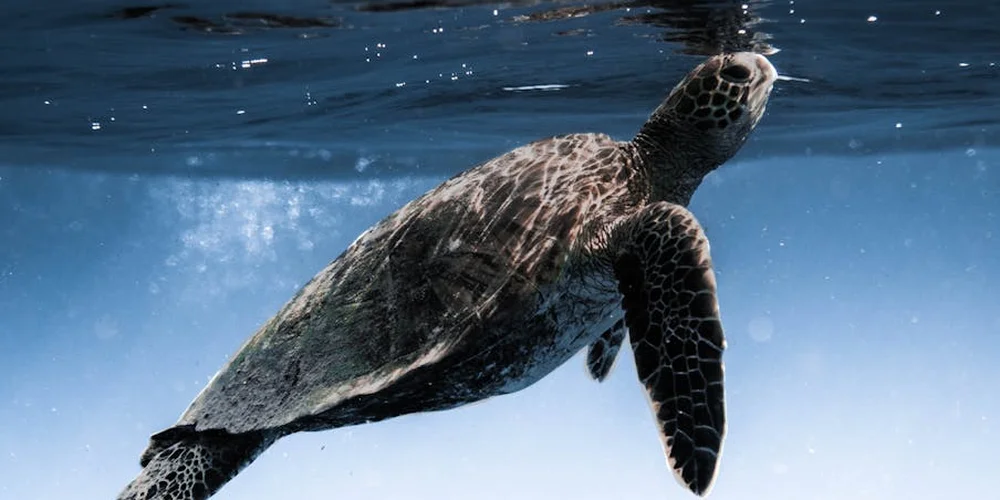
Beyond the five senses we’re familiar with, turtles possess extraordinary abilities that guide their daily lives. My Russian tortoise, Austen, has taught me that temperature isn’t just a comfort-it’s a fundamental driver of his entire existence. These hidden senses are crucial for their health and happiness.
Thermoreception: The Art of Temperature Regulation
Thermoreception is a turtle’s ability to sense and respond to minute temperature changes. They are ectotherms, meaning they rely on external sources to control their body temperature. You’ll often see your turtle basking under a heat lamp; this isn’t laziness, it’s a vital physiological process for digestion and immune function. This behavior is tied to their circadian rhythms, the internal 24-hour clock that dictates their active and rest periods. Understanding why they spend so much time out of water helps explain this behavior. Basking serves to raise body temperature, aiding metabolic processes and overall health.
Watching my turtles, I see their internal clocks in action. Bronte, my Greek tortoise, is always the first to seek out the morning sun spot in their enclosure.
- Provide a precise temperature gradient with a warm basking area and a cooler retreat zone.
- Use high-quality thermostats to prevent accidental overheating or chilling.
- Monitor seasonal light cycle changes, as these affect their daily activity rhythms.
- Ensure nighttime temperatures drop slightly to mimic a natural environment and support rest.
- Always offer access to fresh, clean water for hydration and thermoregulation.
Magnetoreception: An Internal Compass
Perhaps the most fascinating sense is magnetoreception-the ability to detect Earth’s magnetic fields. Scientists believe this internal GPS helps wild turtles navigate vast oceans to return to their natal beaches, a feat that still amazes me. While your pet turtle isn’t migrating across oceans, this sense still subtly influences their behavior and orientation in their environment.
My box turtle, Orwell, consistently arranges his hides in a particular alignment, which I suspect is his way of “setting” his internal map.
- Avoid frequently moving your turtle’s main enclosure to a new room, as this can disrupt their magnetic “home” setting.
- Be mindful of strong electromagnetic fields from electronics placed near their habitat.
- During outdoor supervised time, provide a familiar, secure base for them to return to, respecting their navigational instincts.
- Observe if your turtle has a preferred “facing” direction in its enclosure; this is often magnetically influenced.
By understanding and respecting these incredible senses, you create a habitat that supports your turtle’s innate biological needs. Acknowledging their world of temperature gradients and magnetic fields is a profound step toward truly compassionate care.
FAQs
Do turtles form bonds with their owners?
Turtles do not form emotional bonds like mammals, but they can become accustomed to their owners through consistent, positive interactions. Over time, they may learn to associate you with safety and feeding, leading to recognizable behaviors like approaching when you’re near. Do pet turtles recognize their owners or show affection? They can recognize regular caregivers and may approach or stay calmly near you, but this is recognition rather than affection in the mammalian sense.
What should I avoid doing to not overwhelm my turtle’s senses?
Avoid exposing your turtle to loud noises, strong artificial scents, or frequent changes in their environment, as these can cause stress and sensory overload. Stick to a predictable routine and handle them gently to help them feel secure and comfortable, especially when taming a shy or scared turtle.
How can I use my turtle’s senses to train them?
Leverage their sharp sense of smell by using favorite foods as rewards to encourage simple behaviors, like moving to a specific spot. Combine this with consistent visual cues, such as hand gestures, to help them learn and respond over time.
A Final Word on Your Turtle’s World
To truly connect with your turtle, start by seeing the world through their unique senses. Observing their reactions to food, touch, and their environment is the most direct way to understand their perceptions. Use this knowledge to create a habitat that stimulates their natural behaviors and keeps them engaged. This foundation also makes it easier to train and bond with your pet turtle. Start with simple, gentle cues and rewarding interactions to build trust.
Caring for a turtle is a long-term commitment to learning and adapting as you go. Your continued observation and education are the cornerstones of providing a life that respects their natural instincts and ensures their well-being.
Further Reading & Sources
- All About Sea Turtles – Senses | United Parks & Resorts
- Turtle – Wikipedia
- The Anatomy of a Turtle: Head and Its Senses
- How Do Sea Turtles Sense Their Environment? – The State of the World’s Sea Turtles | SWOT
Matthew is a dedicated turtle enthusiast and conservationist with over 15 years of experience in reptile care. Known affectionately as "The Leatherback" among his peers, he combines his passion for turtles with a commitment to educating pet owners on responsible turtle care and environmental stewardship.
Understanding Turtle Behavior