
Where to Buy and Donate Pet Turtles: A Compassionate Path
You might feel unsure about where to buy or donate a pet turtle, worrying about their welfare and finding ethical sources that prioritize their health and happiness.
This guide covers ethical breeders, adoption shelters, donation processes, and care tips, all shaped by my personal journey with turtles like Austen and Bronte.
Finding Ethical Places to Buy Pet Turtles
Bringing a new turtle into your life is exciting, but choosing where you get them from matters deeply for their welfare. My journey with my Russian tortoise, Austen, taught me that a good start is everything for their long-term health. You have several options, from local shops to online breeders, but not all are created equal.
- Local pet stores and specialized reptile shops can be wonderful resources if they prioritize animal care over quick sales.
- Online turtle sales offer incredible variety but require extra diligence to ensure the animals are shipped humanely and come from reputable sources.
- Identifying a reputable breeder means looking for transparency about the turtle’s origin, health history, and genetic lineage.
- Unethical sources often have overcrowded enclosures, refuse to answer specific care questions, or cannot provide any form of paperwork.
From my own experience, I always ask to see the turtle’s enclosure and watch how it moves and reacts. A healthy turtle like my Greek tortoise, Bronte, should be alert and active, not lethargic or hiding constantly. If you’re wondering how to tell if your turtle is sick, start by looking for changes in energy, appetite, and shell or breathing. Early signs can include lethargy, a drop in appetite, or unusual breathing sounds. Trust your gut—if something feels off about the seller or the conditions, it probably is.
- Red flags include dirty water, visible shell damage, a lack of UVB lighting, or sellers who cannot tell you the turtle’s age or previous diet.
- Always ask for any available paperwork, like a health guarantee or information about the parents, which reputable breeders are happy to provide.
Evaluating Local Pet Stores and Reptile Shops
Walking into a store should feel like entering a place of learning, not just a marketplace. The condition of the enclosures tells you everything about how the animals are valued. Clean water, proper heating, and adequate space are non-negotiable.
- Look for stores where the staff can confidently discuss species-specific needs, like the difference in diet between a Russian and a Greek tortoise.
- The turtles should appear active and have clear eyes and firm shells without any soft spots or pyramiding.
Never be shy about asking questions. When I found my box turtle, Orwell, I asked about his origin and previous care to ensure he wasn’t taken from the wild. A good shop will have answers.
- Key questions to ask: Where did this turtle come from? What has it been eating? Can you tell me about its current habitat setup?
- If the staff seems unsure or dismissive of your questions, consider it a major warning sign.
Navigating Online Turtle Sales and Breeders
The internet opens up a world of possibility, but it also requires a careful, methodical approach. Your first step is always deep research into the seller’s reputation and history.
- Start by searching for reviews on reptile forums and social media groups dedicated to turtle care.
- Look for breeders who specialize in the species you want and can provide detailed photos and videos of the actual turtle.
- Contact the seller directly with a list of questions to gauge their knowledge and responsiveness.
Shipping a live animal is inherently stressful for them. The benefit is access to specific breeds; the risk is the potential for transit-related stress or health issues upon arrival. Reputable sellers use specialized overnight services and proper packaging to minimize this risk.
- Always verify the seller’s policy on live arrival guarantees and what steps they take if a turtle arrives sick or injured.
- Be wary of prices that seem too good to be true, as they often are.
Adopting Turtles from Rescues and Shelters
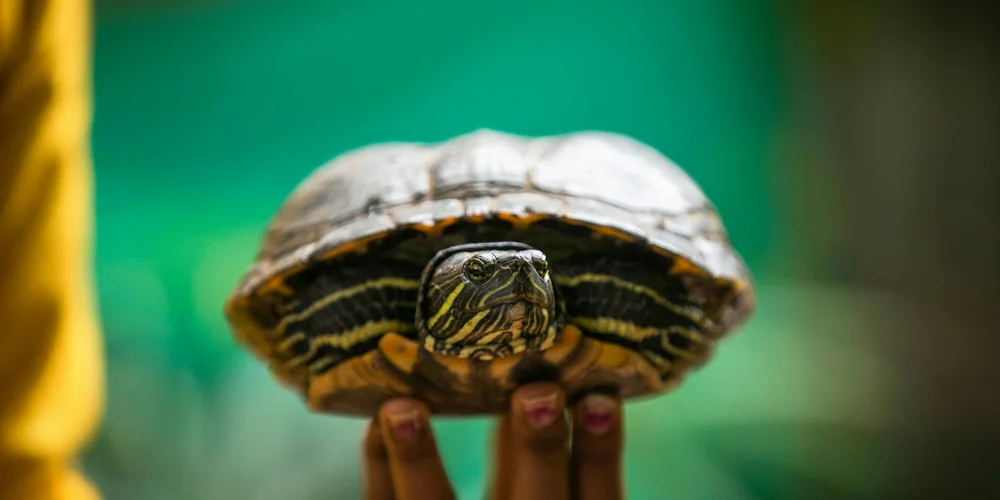
Adoption is a profoundly rewarding path that gives a second chance to an animal in need. Many turtles in rescues, like the ones I’ve volunteered with, are there through no fault of their own and simply need a committed home. The process is designed to ensure a perfect, lifelong match.
- The adoption process typically involves an application, a conversation about your experience and setup, and sometimes a virtual or in-person home check.
- You can find local shelters and sanctuaries by searching online directories for reptile rescues or contacting your local humane society for referrals.
Adopting a rescued turtle brings a unique kind of joy. Watching a shy, reserved turtle like Orwell slowly learn to trust again is one of the most heartening experiences you can have. These animals often come with known histories and personalities, making the transition into your home smoother.
- Resources for finding a rescue include websites like Petfinder, the Tortoise Group, and regional Facebook groups for reptile adoption.
- Be prepared to be patient, as the best matches are worth the wait.
Working with Reptile Rescues and Sanctuaries
Rescue organizations are run by passionate people who want the absolute best for their animals. Vetting a rescue is as important as them vetting you-look for established organizations with clear missions and transparent practices.
- Start by reviewing their website and social media for information on their adoption process and available turtles.
- Reach out via email or phone to introduce yourself and express your interest in adoption.
- Be open and honest during the application process about your home environment and reptile care experience.
Most rescues have a modest adoption fee that helps cover the cost of veterinary care, food, and shelter. This fee is a small investment in an animal that has often received significant medical and behavioral rehabilitation. A home check is standard and is simply to ensure your habitat is safe and appropriate.
Community Rehoming and Forums
Online communities can be a powerful tool for connecting turtles with new, loving families. Platforms like Reddit or specialized reptile forums are full of owners seeking to rehome pets ethically, often due to life changes.
- Look for groups with clear rules against wild-caught animal sales and that promote responsible rehoming practices.
- When you find a potential match, ask detailed questions about the turtle’s health, diet, and temperament.
Safety for both you and the animal is paramount. I always recommend a video call to see the turtle in its current environment and to speak directly with the owner. This helps you screen for a genuine rehoming situation. If you’re considering surrender, work with a reputable rescue that rehomes turtles ethically. They will ensure veterinary checks and proper housing for the turtle’s welfare.
- Tips for safe transactions include meeting in a public place if possible and ensuring the turtle is transported in a secure, climate-controlled carrier.
- A good owner will ask you questions, too, because they want to ensure their pet is going to a qualified and caring home.
How to Donate or Rehome Your Turtle Responsibly
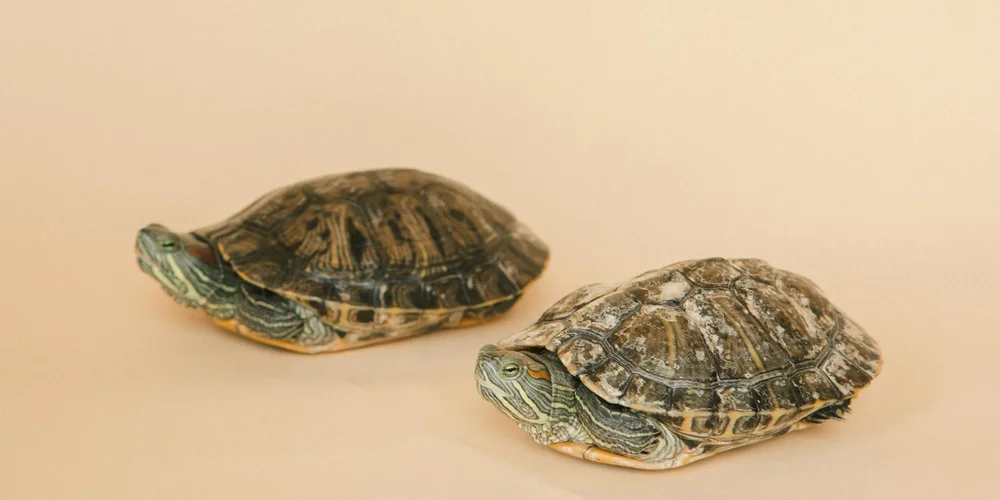
Rehoming a turtle requires careful preparation to ensure their well-being. Never abandon a turtle in the wild, as this is a death sentence for both the released animal and the local ecosystem. I learned this the hard way years ago when I took in a rescued box turtle someone had improperly released. If you’re thinking about keeping a turtle as a pet, be sure it’s legal in your area and that you can meet the long-term care requirements. Always obtain turtles from reputable breeders or rescues and check local permit requirements.
Preparing Your Turtle for a New Home
A thorough preparation process makes the transition smoother for everyone. Think of it as creating a comprehensive “resume” for your shelled friend.
- Health Check: Schedule a final vet visit to confirm your turtle is parasite-free and in good health. Obtain a copy of their medical records.
- Habitat Deep Clean: Completely disinfect the main enclosure, basking platforms, and all décor to prevent transferring any potential pathogens.
- Supply Inventory: Gather all essential supplies-the UVB bulb, heat lamp, water filter, and any unused food-to send along with the turtle.
- Update Care Records: Create a simple document detailing their favorite foods, daily routine, and any quirky personality traits.
My turtle Orwell came to me with a full folder of his history, which helped me understand his reserved nature and dietary preferences from day one.
Finding Suitable Donation Centers
Not all organizations can accept turtles, so research is key. Look for places with a proven track record in reptile welfare. Also consider turtle habitats—whether in the wild or in a kept home—as you plan the next step. Matching a turtle to an appropriate habitat is essential for welfare.
- Reptile Rescue Societies: These specialized groups have the expertise and facilities for proper long-term care or rehoming.
- Nature Centers & Zoos: Some educational institutions have adoption programs for native species, particularly box turtles.
- Local Pet Stores: A few independent, reputable stores may help facilitate a private rehoming, but always verify their policies first.
Always call ahead to confirm they have space and ask about their enclosure standards. A good center will be happy to answer all your questions.
Essential Steps Before Bringing a Turtle Home
Getting a turtle is a decades-long commitment that starts long before the animal arrives. Their slow pace of life demands our fastidious preparation. I spent a full month setting up the habitat for my Russian tortoise, Austen, before I even went to pick him up. A one-month complete health and habitat checkup for your new turtle is a practical way to ensure everything is right from day one. With a clear baseline, you can monitor health and habitat needs as your new companion settles in.
Setting Up the Perfect Turtle Habitat
A proper habitat is a complex, life-sustaining system. An incomplete setup causes immediate and chronic stress for your new pet.
- Select the Enclosure: Choose a tank or tortoise table that is at least four times the length of your turtle’s shell. Bigger is always better.
- Install Heating & Lighting: Set up a basking area with a heat lamp that creates a spot around 90-95°F. Install a high-quality UVB light strip to simulate essential sunlight.
- Establish Water & Land Areas: Aquatic turtles need deep, filtered water for swimming, while tortoises require a shallow water dish for soaking and drinking.
- Add Substrate & Enrichment: Use a safe substrate like coconut coir or cypress mulch. Add hides, rocks, and fake plants to create a secure and engaging environment.
Understanding Basic Turtle Care Needs
Daily care is a simple ritual once you understand the fundamentals. Consistency is the secret to a healthy, happy turtle.
- Feeding: Offer a varied diet. My tortoises get a mix of dark leafy greens, chopped vegetables, and the occasional edible flower. Avoid iceberg lettuce and high-protein dog food.
- Handling: Limit handling to essential activities. Always support their entire body and wash your hands before and after to protect you both.
- Health Monitoring: Watch for clear eyes, a firm shell, and regular eating habits. Lethargy, swollen eyes, or a soft shell are signs to call a vet.
A common mistake is assuming all turtles eat the same thing. My Greek tortoise, Bronte, thrives on different weeds and flowers than my Russian tortoise. Learning their individual needs is part of the joy.
Legal and Ethical Considerations in Turtle Ownership
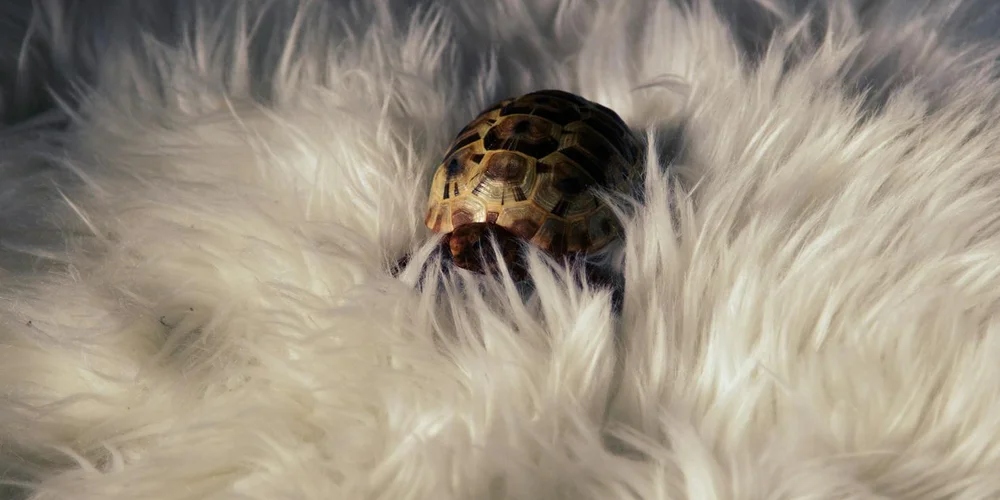
Bringing a turtle into your home is a long-term commitment, and it starts with understanding the rules and responsibilities involved. My years with Austen, Bronte, and Orwell have taught me that proper care begins long before you even meet your shelled friend.
You must check your local wildlife laws and permit requirements.
- Many states ban or restrict the ownership of native turtle species to protect wild populations.
- Certain turtles, like some tortoises, may require a permit due to their conservation status.
- Some areas have laws regarding the sale of turtles with a shell length under four inches due to salmonella risks.
Ethical pet acquisition is a cornerstone of turtle preservation.
- Always choose captive-bred turtles from reputable breeders or rescues, never wild-caught individuals.
- Supporting the illegal pet trade harms fragile ecosystems and often results in sick, stressed animals.
- Every ethical purchase helps reduce the demand for turtles taken from their natural habitats.
Checking state regulations is a straightforward but vital process.
- Visit your state’s Department of Natural Resources or Fish and Wildlife website.
- Search for terms like “reptile possession laws” or “exotic pet regulations.”
- Contact a local veterinarian who specializes in reptiles; they are often a wealth of current legal information.
Supporting turtle welfare charities is a wonderful way to give back. I find that donating to these groups helps protect the species I love so much, ensuring they thrive for generations to come.
- Look for organizations focused on habitat conservation, anti-poaching efforts, and public education.
- Consider “adopting” a turtle in the wild through a symbolic donation program.
- Volunteer your time at a local reptile rescue if they need help with enclosure maintenance or turtle care.
Navigating Legal Requirements for Turtles
Getting your paperwork in order ensures a smooth and lawful start to your turtle-keeping journey.
Follow these steps to research and comply with the law.
- Identify the exact species you wish to own, as laws are often species-specific.
- Research your city, county, and state regulations independently; they can all differ.
- If a permit is required, apply well in advance and keep a copy with your turtle’s veterinary records.
Be aware of species-specific restrictions and the documentation you might need.
- Turtles like the Red-eared Slider are banned in some jurisdictions as invasive species.
- Many tortoise species, such as the Sulcata, are regulated under CITES (the Convention on International Trade in Endangered Species).
- Proper documentation from the breeder, proving the turtle was captive-bred, is your best defense.
Promoting Ethical Practices in Turtle Care
Being an ethical turtle owner goes beyond just following the law; it’s about actively promoting the welfare of all turtles. To truly protect their health, it’s important to separate fact from myth when it comes to shell care, including debunking turtle shell myths. This guide helps you distinguish evidence-based practices from misinformation.
Education and responsible breeding are the bedrock of ethical practices. I’ve learned that an informed owner is a turtle’s best advocate, capable of providing a life that truly mimics their natural needs. This raises the question of whether keeping a turtle as a pet is ethically sound. Ethics shape every choice—from enclosure and lighting to diet and veterinary care—and responsible owners are prepared to meet a turtle’s long-term welfare. For more insights, you can explore the [ethical considerations of keeping a pet turtle](https://shellsanctuary.com/what-are-the-ethical-considerations-of-keeping-a-pet-turtle).
- Educate yourself thoroughly on a species’ lifespan, dietary needs, and enclosure requirements before buying.
- Support breeders who prioritize the health and genetic diversity of their animals over high-volume production.
- Always ask breeders about their practices; a reputable one will be transparent and happy to answer your questions.
You can get involved in educational turtle programs to spread awareness.
- Join a local herpetological society to connect with other enthusiasts and experts.
- Offer to give a short, educational talk at a local school or library about responsible turtle ownership.
- If you have a calm, handleable turtle like my Bronte, consider becoming a registered therapy animal team to visit facilities.
FAQs
How can I find a qualified reptile veterinarian for my turtle?
Search online for veterinarians who specialize in exotic pets or reptiles, and check reviews from other turtle owners. You can also ask for referrals from local reptile rescues or pet stores that focus on ethical animal care. Specifically, look for veterinarians with chelonian experience and reptile training for your turtle. When you contact clinics, ask about their experience with turtles and the procedures they commonly perform.
What are the initial costs of setting up a proper turtle habitat?
Expect to invest in an enclosure, UVB lighting, heating equipment, and filtration, which can range from $200 to $500 or more depending on the species. Ongoing expenses include food, substrate replacements, and routine veterinary check-ups to maintain their health.
How do I socialize a new turtle to help it adjust to my home?
Allow the turtle to explore its new environment without handling it excessively for the first few days to reduce stress. Gradually introduce gentle interactions by offering food by hand and speaking softly to build trust over time. This patient approach helps you build trust with your new pet turtle, laying the foundation for a calm, confident companion. By taking it slowly, you’ll strengthen your bond as you learn your turtle’s unique personality.
Your Turtle Journey Starts Here
When seeking a new turtle companion, always choose reputable breeders or adoption centers to support ethical practices. Prioritizing sources that prioritize animal welfare ensures a healthier start for your pet. If rehoming becomes necessary, connect with trusted rescues or sanctuaries for a safe transition. If you’re wondering where to buy a pet turtle, consult a reputable guide on responsible acquisition. These guides highlight ethical sellers and proper care from day one.
Owning a turtle is a long-term commitment that thrives on your dedication to their evolving needs. Stay curious and engaged with care resources to deepen your bond and enhance their well-being over the years. From my own experiences with Austen and Bronte, I’ve found that ongoing learning makes all the difference in their happiness.
Further Reading & Sources
- Home – Turtle Rescue League
- Turtle Conservancy | FAQ
- Where Can I Donate My Red-Eared Slider Turtles?
- Adopt a Green Turtle | Symbolic Adoptions from WWF
Matthew is a dedicated turtle enthusiast and conservationist with over 15 years of experience in reptile care. Known affectionately as "The Leatherback" among his peers, he combines his passion for turtles with a commitment to educating pet owners on responsible turtle care and environmental stewardship.
Aquatic Turtles