How Climate Change and Pollution Threaten Sea Turtles
You might be feeling concerned about sea turtles struggling in our warming, polluted oceans, and after caring for tortoises like Austen and Bronte, I’ve seen how environmental shifts impact reptiles-sea turtles face even greater risks that could push them toward extinction if we don’t act.
This article covers: climate change altering nesting habitats, pollution harming health and survival, and practical steps for conservation and support.
The Warming Ocean: A Sea Turtle’s Changing World
Rising ocean temperatures are quietly redrawing the maps that sea turtles have followed for millennia. Warmer waters are shifting the location and abundance of their primary food sources, like jellyfish and sea grasses. This forces turtles to alter their ancient migration routes, sometimes swimming much farther to find a meal. The energy they expend on these longer journeys directly impacts their health and ability to reproduce.
For specialized species like the Hawksbill sea turtle, the problem is even more acute. Hawksbills rely on healthy coral reefs for both food and shelter, and warming waters are causing widespread coral bleaching. Think of a coral reef like a vast, underwater forest. When the water gets too warm, the corals expel the colorful algae living in their tissues, turning them bone-white. This “bleached” coral is stressed, starving, and can eventually die. For a Hawksbill, this is like its entire grocery store and neighborhood vanishing at once. On a coral reef diet guide, you’ll often see Hawksbills listed as sponge eaters, not coral polyps. Their reliance on reef biodiversity makes reef health critical to their food supply and survival.
Beyond the heat, the ocean’s very chemistry is changing. Ocean acidification is a difficult concept, but you can think of it like this: the ocean is slowly becoming more sour. As the ocean absorbs excess carbon dioxide from the atmosphere, its pH drops. This increased acidity makes it harder for creatures like corals and clams to build their shells and skeletons. It weakens the foundation of the entire marine food web that sea turtles depend on.
Hot Sands and Skewed Sex Ratios on Nesting Beaches
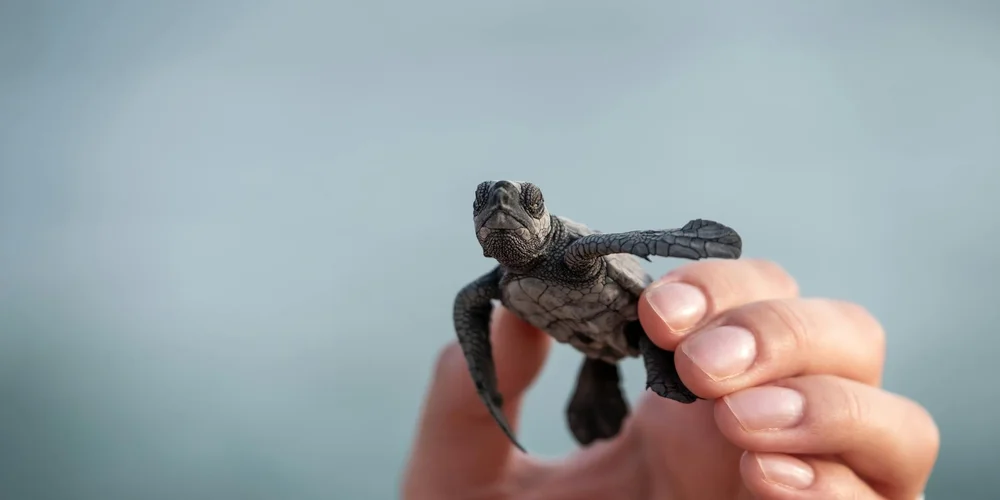
The sex of a sea turtle hatchling isn’t determined by chromosomes at fertilization like it is for us. Sea turtles use a fascinating process called temperature-dependent sex determination, where the temperature of the nest decides if the hatchling will be male or female. There is a pivotal temperature, typically around 29°C (84°F), that produces an even mix of males and females. Warmer sands produce females; cooler sands produce males. You can learn more about how turtle reproduction affects eggs and gender.
As global temperatures climb, so does the sand on nesting beaches. We are now seeing a dangerous skew in hatchling ratios, with some studies showing populations producing over 90% female hatchlings. While my own tortoises, Austen and Bronte, don’t face this specific threat, the principle of a balanced population is universal. A healthy population needs both males and females to sustain itself for generations. This temperature-driven imbalance puts the long-term future of entire species at severe risk.
Compounding this issue is the physical loss of the beaches themselves. Rising sea levels and more frequent, intense storms are eroding and inundating critical nesting habitats. A beach that was perfect for nesting a decade ago might now be underwater during high tide. Mother turtles return to their natal beaches only to find them gone, and developing nests are washed away before the eggs can even hatch. The very ground beneath them is literally disappearing.
The Peril of Plastic: From Ghost Nets to Microplastics
Plastic pollution sneaks into oceans from many everyday sources, putting sea turtles at constant risk.
- Ghost nets and fishing lines left behind by boats
- Plastic bags and bottles carried by winds and currents
- Microplastics from broken-down larger items and cosmetics
Entanglement in ghost nets or debris can trap turtles, leading to drowning, deep cuts, or starvation as they fight to break free. Watching my tortoise, Austen, navigate his enclosure reminds me how even minor obstacles cause stress, but for sea turtles, it’s a deadly struggle.
Ingesting plastic fills their stomachs, causing blockages, toxin buildup, and false feelings of fullness that lead to malnutrition. I’ve seen how careful I must be with Orwell’s food to avoid impurities, and it hits home how ocean plastics mimic this danger on a massive scale.
Chemical Contaminants and Light Pollution
Chemical runoff from farms and cities flows into seas, introducing harmful substances that sea turtles absorb.
- Pesticides and heavy metals disrupt hormones and weaken immune systems
- Oil spills coat shells and skin, hindering movement and breathing
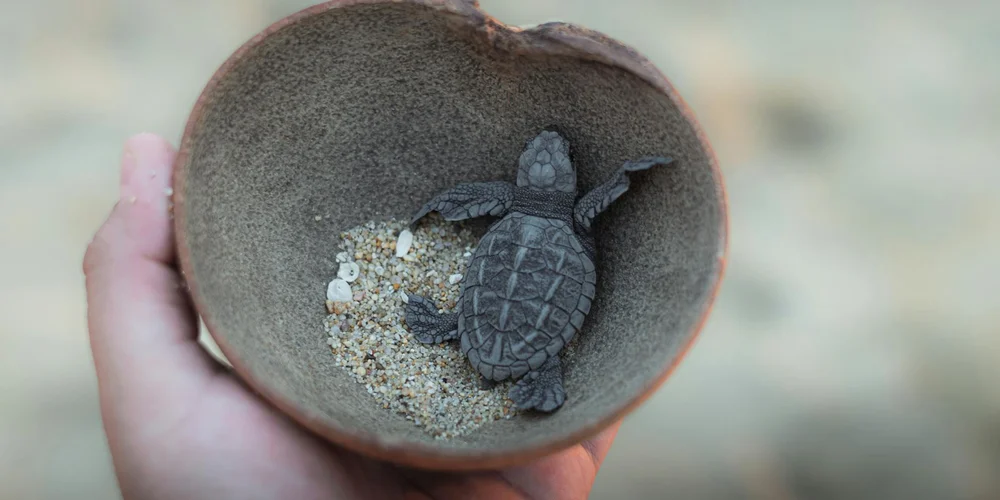
Light pollution refers to artificial lights from shores and buildings that confuse hatchlings, drawing them away from the ocean toward dangerous areas. It’s like how my turtle Bronte sometimes fixates on a bright lamp instead of her basking spot, but for hatchlings, this mistake can be fatal.
Recent data shows that in regions with intense coastal lighting, over 60% of hatchlings may die from disorientation, exhaustion, or predators. This statistic underscores why protecting nesting beaches is so urgent for their survival.
The Overlooked Threat: Fisheries Bycatch
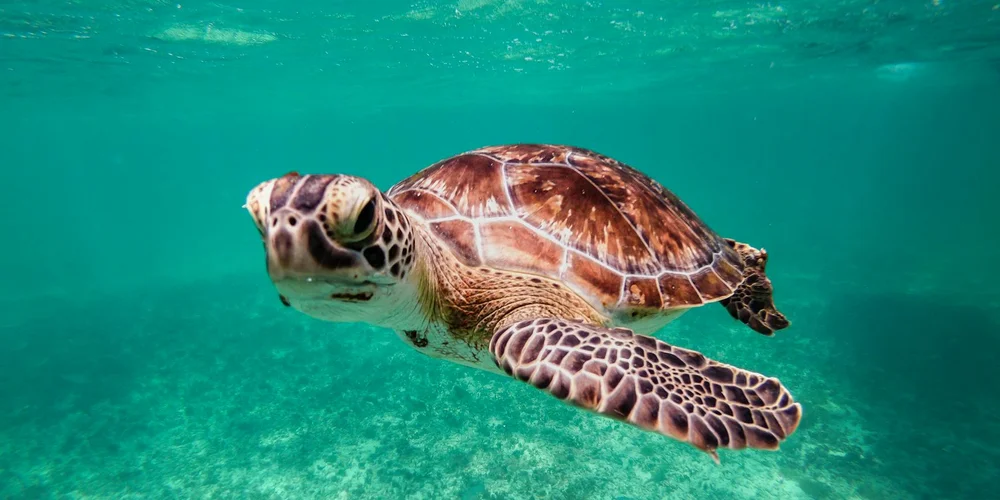
Many people picture plastic bags or oil spills when they think of dangers to sea turtles. But the single greatest threat to most sea turtle populations is a quieter, more systematic problem known as fisheries bycatch. Bycatch is the accidental capture of non-target marine life in fishing gear. For sea turtles, this often means becoming entangled and drowning before they can reach the surface to breathe.
Certain types of fishing gear are particularly hazardous to these ancient mariners.
- Gillnets and Trawls: These large, curtain-like nets are nearly invisible in the water. Turtles become trapped and cannot escape to the surface for air.
- Longlines: These fishing lines, which can stretch for miles and hold thousands of baited hooks, are a major threat. Turtles mistake the bait for food and get hooked, leading to severe injury or drowning.
Thankfully, conservation science has developed clever solutions. Bycatch reduction devices, like Turtle Excluder Devices (TEDs) in trawl nets, act as escape hatches for turtles while allowing the target catch to be retained. These modifications are a powerful example of how technology can help us share the ocean more safely.
Connecting the Dots: From Ocean Giants to Your Pet Turtle
While your pet turtle lives in a tank, not an ocean, the principles of their well-being are deeply connected to the challenges their wild cousins face. The quality of their environment is the single most important factor for their health, whether that environment is a vast sea or a carefully maintained aquarium.
Think of it this way. Just as polluted water harms a sea turtle, poor water quality in your tank can lead to shell rot and respiratory infections in your pet. I learned this the hard way with my box turtle, Orwell. A slight imbalance in his water filtration led to a minor skin irritation that was a clear warning sign. That small scare drove home how sensitive these creatures are to their aquatic environment, and made me realize that one must be careful to avoid common filtration mistakes.
The parallels extend to temperature, too. Climate change is altering the temperatures of nesting beaches, which affects the sex of sea turtle hatchlings. In your home, an improper basking lamp or water heater can prevent your turtle from properly regulating its body temperature and digesting food. It is a small-scale version of the same thermal balance. To diagnose your turtle’s habitat, follow a checklist focused on perfect lighting, heat, and water. Keeping lighting, temperature, and water quality within optimal ranges helps ensure your turtle stays healthy.
This connection makes responsible pet ownership a form of direct conservation. Always source your pet turtles from reputable, ethical breeders who prioritize animal welfare, never from the wild. Caring well for the turtle in your home fosters a deeper appreciation for all turtles and the fragile ecosystems they inhabit. Understanding the ethical considerations is crucial before bringing one into your home. My journey with Austen, Bronte, and Orwell has been my greatest teacher in understanding the quiet, steady needs of these remarkable animals.
How You Can Make a Difference for Sea Turtles
-
Cutting down on plastic use starts with simple swaps in your daily life. I always choose reusable bags and containers, much like how I provide fresh, non-plastic habitats for my tortoises Austen and Bronte. This small shift prevents plastic from harming sea turtles who mistake it for food.
- Switch to reusable water bottles and coffee cups to eliminate single-use plastics.
- Opt for products with minimal or biodegradable packaging when shopping.
- Avoid plastic straws and utensils; carry your own metal or bamboo alternatives.
- Choose bar soap and shampoo instead of bottled versions to reduce waste.
-
Backing sea turtle conservation groups amplifies their impact on protected habitats. Donating to or volunteering with organizations like the Sea Turtle Conservancy ensures nesting sites stay safe, similar to how I monitor my pets’ enclosures for hazards. These actions help save endangered sea turtles by reducing threats and protecting critical habitats. Every contribution brings us closer to healthier sea turtle populations. Your support funds research and rescue efforts.
- Adopt a sea turtle symbolically through reputable nonprofits to fund their care.
- Share educational content on social media to raise awareness among friends.
- Purchase merchandise from conservation shops where profits aid marine sanctuaries.
- Attend virtual or local events hosted by groups focused on ocean preservation.
-
Joining beach cleanups and monitoring programs connects you directly to sea turtle welfare. Participating in local cleanups feels like tidying my tortoises’ space—it brings immediate, visible benefits to the environment. Many communities offer guided programs where you can help track nests or remove debris. An ultimate turtle habitat cleaning schedule helps keep debris removal and nest checks consistent. It lines up cleanup days with tides and nesting seasons to protect sea turtles.
- Search for beach cleanup events through apps or community boards in coastal areas.
- Volunteer with wildlife agencies to record sea turtle nesting activity during season.
- Organize a small group with neighbors to regularly clean nearby shorelines.
- Report injured sea turtles or pollution sightings to local conservation hotlines.
-
Advocating for strong policies safeguards marine ecosystems from broader threats. Voting for measures that limit plastic production or expand marine reserves echoes my commitment to ethical pet care-it protects all creatures, big and small. Engage with lawmakers to push for changes like plastic bans or fishing regulations.
- Sign petitions supporting laws that reduce ocean pollution and protect habitats.
- Contact elected officials to express support for climate-friendly policies.
- Educate others about the importance of marine protected areas through conversations.
- Support businesses that prioritize sustainability and eco-friendly practices.
FAQs
What are the statistics on sea turtle pollution?
Research indicates that over 50% of sea turtles globally ingest plastic debris, leading to internal injuries and fatalities. Entanglement in pollution like fishing gear contributes to an estimated 4,600 sea turtle deaths annually in U.S. waters alone. Sea turtles help maintain healthy seagrass beds and coral reefs, supporting diverse marine life. Their roles in nutrient cycling and balancing marine food webs highlight their importance to ecosystem health.
Why does light pollution affect sea turtles?
Hatchlings rely on natural light cues, such as the moon’s reflection on water, to navigate toward the ocean after hatching. Artificial lights from coastal developments disrupt this instinct, drawing them inland where they face dehydration, predation, or traffic hazards.
Where can I find a map of sea turtle light pollution?
Organizations like the Sea Turtle Conservancy and NOAA provide interactive maps online showing global light pollution hotspots affecting nesting beaches. These resources help identify areas where conservation efforts are most needed to protect disoriented hatchlings.
Your Role in a Bigger Picture
Your direct actions-mimicking natural basking with proper UVB lighting and choosing sustainable food sources-create a healthy, resilient home for your shelled companion. This thoughtful care directly counters the environmental stressors they would face in the wild.
Remember, being a fantastic pet turtle guardian means your learning journey never truly ends. Stay curious, keep adapting your care, and you become a powerful advocate for all turtles, everywhere. You can train and bond with your pet turtle through gentle, positive reinforcement and simple daily routines. With patience and consistency, that bond grows stronger every day.
Further Reading & Sources
- The impact of climate change on sea turtles: Current knowledge, scientometrics, and mitigation strategies – ScienceDirect
- Information About Sea Turtles: Threats from Climate Change – Sea Turtle Conservancy
- Climate Change Puts Pressure on Sea Turtles – Climate Change: Vital Signs of the Planet
- Sea Turtles and Climate Change – Oceana USA
Matthew is a dedicated turtle enthusiast and conservationist with over 15 years of experience in reptile care. Known affectionately as "The Leatherback" among his peers, he combines his passion for turtles with a commitment to educating pet owners on responsible turtle care and environmental stewardship.
Water Quality