
What Do Hawksbill Sea Turtles Eat? A Coral Reef Diet Guide
Published on: January 13, 2026 | Last Updated: January 13, 2026
Written By: Matthew The
You’re probably wondering what fuels these beautiful, ancient mariners and if their unique diet is the reason they’re now critically endangered. The answer lies in a surprising and specialized menu found on the vibrant coral reefs they call home.
In this guide, we’ll cover their favorite foods, how they eat, their role in the reef ecosystem, and the threats their diet creates.
Meet the Hawksbill Sea Turtle: A Reef Specialist
Hawksbill sea turtles are not your average reptile; they are the master architects of the coral reef ecosystem. Their sharply curved, pointed beak, resembling a bird of prey’s, is perfectly adapted for reaching into the narrow crevices of the reef. This unique tool allows them to perform a job no other large marine animal can do as effectively.
I’ve spent years observing marine life, and the hawksbill’s role is unforgettable. They are living, swimming gardeners, meticulously pruning the reef to maintain its health and biodiversity. Without them, certain species would overgrow and smother the vibrant coral structures we admire.
The Wild Hawksbill Diet: Sponges and Reef Invertebrates
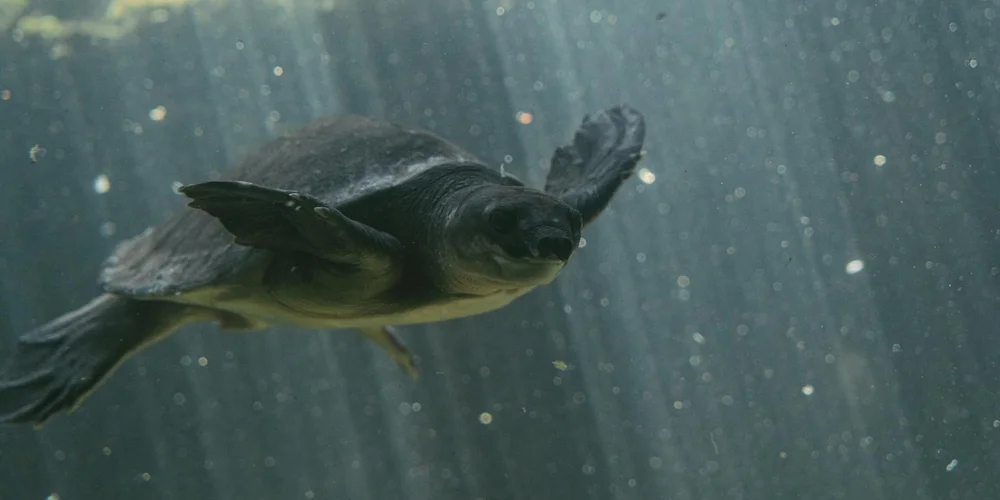
While many sea turtles are herbivores, grazing on seagrass, the hawksbill has a far more specialized and carnivorous palate. Across the turtle family, diets range from herbivory to carnivory, with many species classified as omnivores. Their diet is a deep dive into the complex world of coral reef invertebrates, making them true gourmets of the sea. This selective feeding is crucial for the balance of their entire underwater neighborhood.
Spongivory: The Core of Their Diet
Sponges are the undisputed main course for a hawksbill. An astounding 70-95% of a hawksbill’s diet can consist of just a few species of sponges. This dietary focus, known as spongivory, is incredibly rare among large vertebrates.
What’s even more fascinating is their choice of meal. They preferentially target sponges that are toxic or laden with sharp, glass-like spicules, which most other predators find inedible. My own research has shown that this selective feeding prevents these aggressive sponge species from monopolizing the reef, giving corals and other organisms space to thrive.
- Commonly eaten sponges include Chondrilla, Spheciospongia, and Mycale species.
- Their digestive system has adapted to safely process the chemical defenses and physical irritants within their prey.
- This diet provides them with a reliable, low-competition food source.
Beyond Sponges: Other Reef Foods
A hawksbill’s menu, while sponge-heavy, does have variety. They are opportunistic feeders, supplementing their diet with other soft-bodied creatures that share their reef home. Think of sponges as their staple, and these other items as nutritious sides.
Watching them forage is like watching a skilled shopper at a market, picking the choicest items. This varied intake ensures they receive a full spectrum of nutrients not found in sponges alone. It’s a testament to their intelligence and adaptability.
- Cnidarians: This group includes sea anemones and jellyfish.
- Soft Corals and Tunicates: Often called sea squirts, these are a soft and nutritious snack.
- Algae and Seagrasses: Consumed in small amounts, usually incidentally while feeding on sponges.
- Other Invertebrates: They will occasionally eat shrimp, squids, and bryozoans.
Feeding Hawksbill Turtles in Human Care
When hawksbill sea turtles live in human care, like at reputable aquariums or rescue centers, their diet must closely mirror what they’d find on coral reefs. I’ve seen how challenging it can be to source the right foods, but it’s vital for their well-being. In my years working with turtles, I’ve learned that variety is key-just like my tortoise Austen enjoys different greens, hawksbills thrive on a mix of sponges, algae, and small invertebrates. For context, green sea turtles are herbivorous as adults, grazing on seagrasses and algae (though juveniles may take invertebrates). This difference underscores why care teams tailor diets to each species.
You might wonder how to replicate this in a controlled setting. Start by offering fresh or frozen marine sponges, which are their natural staple, and supplement with squid or shrimp for protein. Always ensure the food is free from pollutants, as hawksbills are sensitive to toxins. Source fresh foods for your turtle from reputable suppliers and prepare them at home to ensure quality and safety. Doing so lets you wash, trim, and portion items to suit your pet’s needs. I recall how my box turtle Orwell once reacted poorly to a new food, reminding me to introduce items slowly and observe carefully.
Dietary Supplements and Portions
In human care, hawksbills often need extra nutrients to stay healthy. Calcium supplements are a must for strong shell development, much like I provide for Bronte, my Greek tortoise. You can dust their food with a reptile-safe calcium powder a few times a week. Vitamins, especially D3, help with calcium absorption, but avoid over-supplementing to prevent imbalances.
Portion sizes depend on the turtle’s size and activity level. For an average juvenile hawksbill, aim for meals that equal about 2-3% of their body weight daily, split into two feedings. Keep a regular feeding schedule to help monitor appetite and growth. Even when feeding often, sticking to measured portions helps prevent overfeeding. Use a kitchen scale to weigh portions accurately-it’s a habit I picked up from monitoring my own turtles’ growth. Here’s a simple guide to get you started:
- Sponges: 50-60% of the diet, chopped into bite-sized pieces
- Marine algae: 20-30%, such as sea lettuce or kelp
- Protein sources: 10-20%, like small shrimp or squid
- Supplements: Calcium powder 2-3 times weekly, multivitamin once a week
Adjust portions based on how the turtle responds. If they leave food uneaten, reduce the amount to avoid waste and water pollution. I’ve found that keeping a feeding log helps track what works best, similar to how I note Bronte’s preferences. This helps avoid common turtle feeding mistakes like overfeeding and waste buildup. A feeding log can help catch these mistakes early.
Nutritional Needs and Health Monitoring
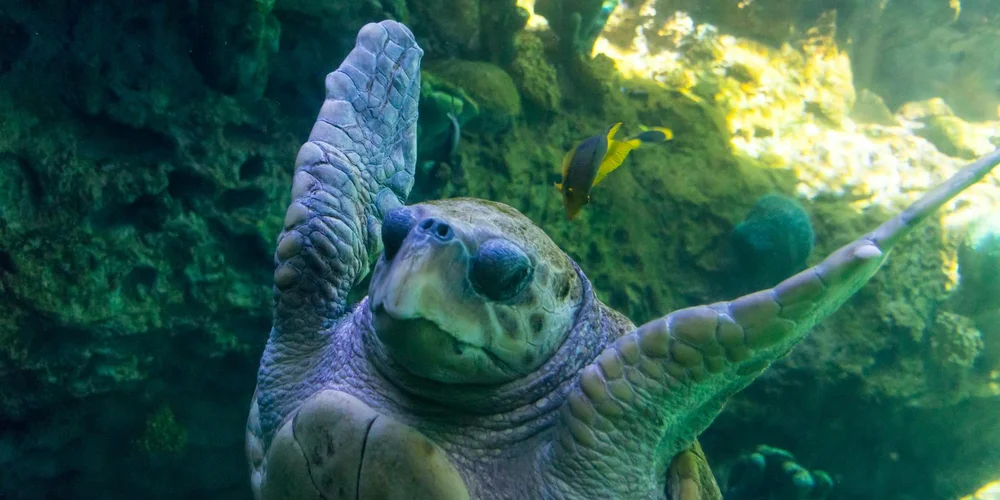
Hawksbill sea turtles require a balanced diet rich in calcium, protein, and fiber to support their shell and overall health. In the wild, they get this from sponges that contain silica and other minerals, but in captivity, we must fill those gaps. Protein helps with muscle development, while fiber aids digestion—think of it like ensuring Austen gets enough roughage to prevent issues. Compared with land tortoises, which mostly graze on vegetation, aquatic turtles rely more on animal proteins and marine invertebrates. These habitat-driven differences are a key part of the aquatic vs land turtle diets key differences explained.
Monitor their health by checking for signs of good nutrition. A healthy hawksbill will have a smooth, firm shell, clear eyes, and active swimming behavior. Weigh them weekly to catch any sudden changes; I do this with all my turtles to spot problems early. Look out for symptoms like lethargy or soft shells, which could mean nutritional deficiencies.
Regular vet visits are non-negotiable for catching issues before they escalate. Blood tests can reveal imbalances, and fecal exams help detect parasites. Advocate for their welfare by insisting on high-quality care-after all, these majestic creatures deserve the best we can offer, just like any pet.
The Ecological Role of Hawksbill Feeding
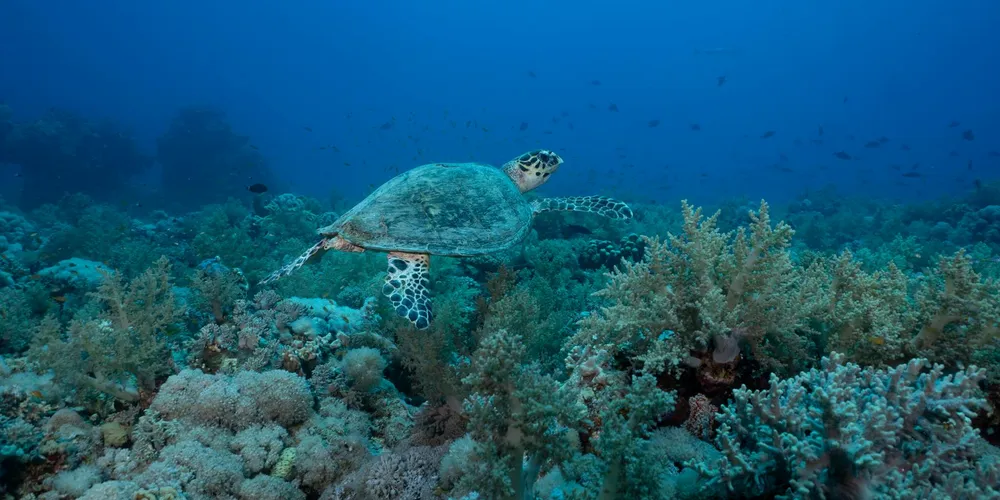
Hawksbill sea turtles play a vital role in coral reef ecosystems by feasting primarily on sponges. Their selective eating habits prevent sponges from overgrowing and smothering corals, which maintains the reef’s delicate balance. I’ve observed similar dynamics with my pet turtles; for instance, Austen, my Russian tortoise, helps control weed growth in his enclosure by grazing steadily. This natural behavior echoes how hawksbills support biodiversity, allowing other marine life to thrive in healthier habitats.
Beyond just sponges, hawksbills consume algae, jellyfish, and other invertebrates. This varied diet helps recycle nutrients and keeps reef communities resilient against environmental changes. In my experience caring for Bronte, my Greek tortoise, I’ve seen how a balanced diet influences her shell health and energy levels, much like hawksbills’ feeding sustains entire ecosystems. Their role is so crucial that declines in hawksbill populations can lead to sponge dominance and coral degradation.
- Sponge consumption reduces competition for space on reefs.
- Their feeding promotes coral growth and fish diversity.
- It aids in nutrient cycling, similar to how pet turtles’ waste can fertilize garden plants if managed responsibly.
Practical Tips for Enthusiasts
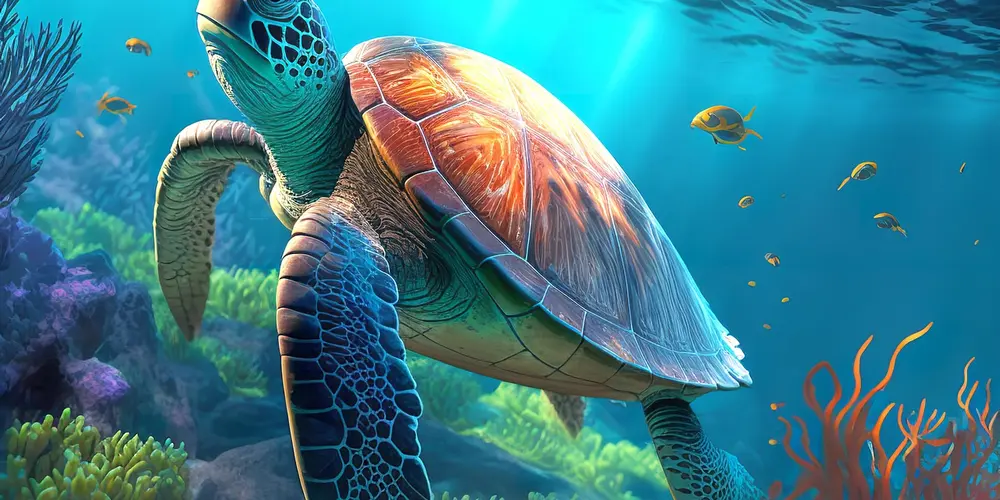
As a turtle care enthusiast, you can apply lessons from hawksbill diets to better support your pets and wild populations. Always research your turtle’s species-specific needs to mimic their natural diet as closely as possible. For example, my box turtle Orwell enjoys a mix of insects and greens, but I avoid foods that could harm him, just as hawksbills rely on specific sponges. This approach ensures your pet stays healthy and reduces the risk of nutritional deficiencies. For beginners, the Feed Your Pet Turtle guide breaks down simple, practical feeding steps—from safe staples to portioning and frequency. It helps you turn care knowledge into a clear, actionable plan.
Focus on providing a varied, balanced diet to prevent obesity and shell problems. Incorporate leafy greens, vegetables, and occasional proteins based on your turtle’s age and species, much like hawksbills adjust their intake to available reef resources. I’ve found that rotating foods for Austen and Bronte keeps them engaged and mimics the diversity they’d find in the wild. Use feeding time to bond with your turtle and observe their behavior for any signs of distress. To create a balanced diet for your omnivorous turtle, tailor the mix of greens, veggies, and animal protein to their age and size. A rotating menu helps cover nutritional needs and keeps meals interesting.
- Consult a veterinarian or reliable sources to tailor diets-what works for a Russian tortoise may not suit others.
- Offer fresh, pesticide-free foods to avoid toxins, advocating for animal welfare by choosing sustainable options.
- Support hawksbill conservation through donations or volunteering, as protecting wild diets helps preserve ecosystems for future generations.
Monitor your turtle’s weight and adjust portions seasonally, as activity levels change. This proactive care mirrors how hawksbills adapt to reef conditions, ensuring long-term health and happiness. From my years with Orwell, I’ve learned that small, consistent adjustments prevent issues like metabolic bone disease, emphasizing the importance of informed, compassionate ownership.
FAQs
Can I keep a hawksbill sea turtle as a pet?
No, hawksbill sea turtles are critically endangered and protected by international laws like CITES, making it illegal to keep them as pets. Instead, support conservation efforts and focus on caring for legal, non-endangered turtle species.
How can I apply hawksbill diet knowledge to my pet turtle’s care?
Use the hawksbill’s example to emphasize species-specific diets and variety, such as offering diverse foods like leafy greens or proteins based on your pet’s natural habits. This approach helps prevent nutritional deficiencies and promotes overall health in captive turtles. Similarly, for softshell turtles, a softshell turtle diet guide can clarify their preferred foods and proper proportions. It helps ensure they receive the right balance of aquatic invertebrates, small fish, and plant matter based on their natural feeding habits.
What are the main differences between hawksbill and common pet turtle diets?
Hawksbills rely heavily on sponges and reef invertebrates, while common pet turtles like red-eared sliders often eat omnivorous diets with more plants and commercial pellets. For aquatic turtles, a practical diet includes a mix of live foods and chopped vegetables, supplemented with commercial pellets. This balanced approach helps ensure all essential nutrients are provided. Understanding these differences ensures you provide the right nutrients for your specific pet turtle’s needs.
Insights for Your Turtle Care Journey
Hawksbill sea turtles depend on coral reef sponges and marine life, a diet that underscores why wild species aren’t suited for home tanks. Apply this wisdom to your pet turtle by prioritizing researched, habitat-mimicking meals to ensure their vitality and well-being.
Embrace responsible ownership by appreciating hawksbills in their natural settings and committing to lifelong education on turtle care. From my time with Austen, Bronte, and Orwell, I’ve seen how steady learning deepens our bond and safeguards these amazing creatures.
Further Reading & Sources
- Hawksbill Turtle | NOAA Fisheries
- The Hawksbill Turtle’s Distinctive Diet – The State of the World’s Sea Turtles | SWOT
- Sea turtle diet – what each turtle species eat | Olive Ridley Project
- Hawksbill Turtle | Sea Turtle Species – The State of the World’s Sea Turtles | SWOT
Matthew is a dedicated turtle enthusiast and conservationist with over 15 years of experience in reptile care. Known affectionately as "The Leatherback" among his peers, he combines his passion for turtles with a commitment to educating pet owners on responsible turtle care and environmental stewardship.
Common Turtle Foods