
How to Trim Your Turtle’s Nails Without the Stress
Published on: July 16, 2026 | Last Updated: July 16, 2026
Written By: Matthew The
Clipping your turtle’s nails can feel like a daunting task, filled with worries about hurting your shelled friend or causing them stress. I’ve been there with my own tortoises, Austen and Bronte, and I understand that nervous feeling completely.
This guide will walk you through gathering the right supplies, safely restraining your turtle, identifying the quick to avoid, executing the trim, and providing calming aftercare.
Why Regular Nail Trimming Matters for Your Turtle
Keeping your turtle’s nails at a proper length is fundamental for their overall health and mobility. Well-trimmed nails allow for natural, comfortable walking and digging, which are essential behaviors for a happy turtle. When nails are the right length, your pet can move without strain or awkward positioning.
- Proper nail length prevents painful scratches to their own plastron (the bottom shell) and avoids accidental injuries to their eyes or skin.
- Overgrown nails can curl under the foot, making every step uncomfortable and leading to joint stress or changes in their gait.
- Excessively long nails are more prone to snagging on tank decor or substrate, which can lead to a painful tear or even a broken toe.
I learned the importance of this routine with my Russian tortoise, Austen. Austen’s gentle and steady nature meant that after a few positive sessions, he would calmly extend his legs for a trim, almost as if he understood it was for his own comfort. This trust transformed a potentially stressful task into a simple, bonding moment.
Recognizing When Your Turtle’s Nails Need a Trim

Staying ahead of overgrowth is much easier than correcting it. Regular observation is your best tool for knowing exactly when it’s time for a trim. Look for both visual cues and changes in how your turtle behaves on different surfaces, especially as it grows over time. Understanding your turtle’s lifespan and growth size can help you anticipate when trimming might be necessary.
- Visually, the nails should not curl in a circle or appear to lift the foot off the ground when your turtle is standing flat.
- Listen for a distinct “clicking” or “tapping” sound on smooth surfaces like tile, which indicates the nails are making contact instead of the foot pads.
- Watch for nails catching on carpet fibers, reptile carpet, or even rough rocks in their enclosure.
Species can offer hints, too. My Greek tortoise, Bronte, has such graceful and deliberate movements that any slight hesitation or clumsiness is my first clue to check her nail length. For box turtles like my reserved Orwell, I pay close attention when he’s climbing over low obstacles, as overgrown nails can make this more difficult.
Here is a simple check you can perform during regular handling. Gently hold your turtle’s foot and press on the pad to extend the nails; if the tip extends visibly past the end of the toe’s scale in a relaxed position, a trim is likely needed. Performing this quick check every couple of weeks will keep you perfectly informed. Remember, proper nail care is just one aspect of overall turtle care.
Essential Tools for Safe and Effective Nail Trimming
Having the right tools on hand transforms a potentially stressful chore into a smooth, safe procedure. I keep a dedicated kit ready for my trio, which prevents last-minute scrambles and keeps everyone calm.
- Nail Clippers: For my Russian and Greek tortoises, Austen and Bronte, I use a pair of small, scissor-style pet clippers. For smaller species or more skittish turtles like my box turtle, Orwell, human fingernail clippers offer superior control.
- Nail File or Emery Board: This is non-negotiable for smoothing any rough edges post-trim. A coarse file works quickly on thicker nails, while a standard emery board is perfect for finer work.
- Styptic Powder: Accidents happen, even to the most careful owners. Having styptic powder on hand instantly stops bleeding if you accidentally nick the quick. A small container lasts for years and provides immense peace of mind.
Tool alternatives are vital for different personalities. If your turtle is particularly wiggly, a partner to hold them gently while you focus on the clipping can be the best “tool” of all.
Cleanliness is a cornerstone of reptile care. My veterinarian always stresses disinfecting clippers with isopropyl alcohol before and after each use to prevent the spread of bacteria between turtles or to yourself. A quick wipe-down protects everyone’s health.
Preparing Your Turtle and Environment for a Stress-Free Trim
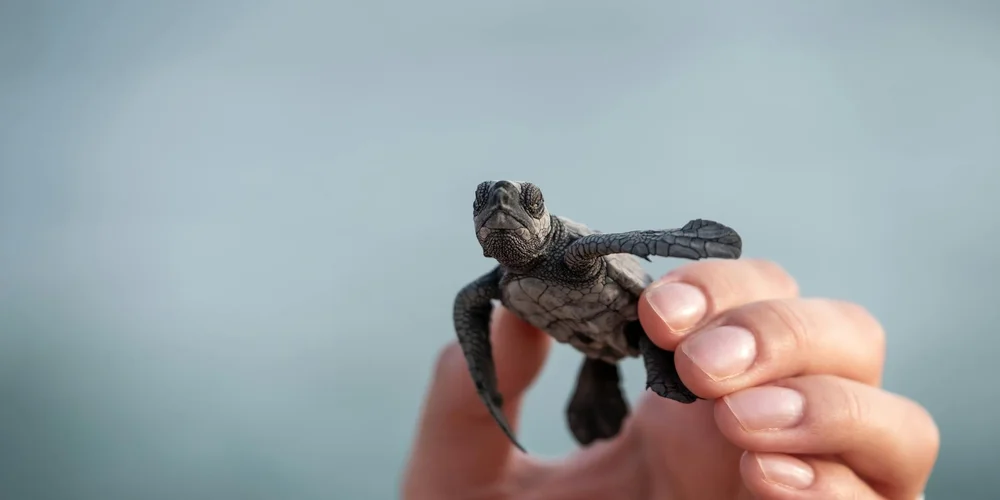
A little preparation makes the entire experience more pleasant for you and your shelled friend. Rushing the process is a surefire way to create a fearful turtle and a frustrated owner.
Begin with a lukewarm water soak for about 15-20 minutes. This soak serves a dual purpose: it softens the nails, making them easier to cut, and has a wonderfully calming effect on most turtles. I often do this in a shallow tub where they can feel secure.
Proper handling is everything. For a secure hold, I gently wrap my smaller turtles, like Orwell, in a soft, clean towel, exposing only one foot at a time. This “turtle burrito” method minimizes struggling and makes them feel tucked in and safe. For my tortoises, I support their full weight from underneath while a helper assists with the feet. It’s important to know how to properly pick up and hold different turtle species to ensure their comfort and safety.
Your demeanor sets the tone. I always use a soft, soothing voice and move in slow, predictable motions around my turtles. Avoid sudden gestures or loud noises. Speak to them calmly throughout, just as you would during any other interaction. These principles especially help a tame shy scared turtle feel safe and begin to relax. With patience and consistency, a shy turtle can grow more confident over time.
Step-by-Step Guide to Trimming Your Turtle’s Nails
Follow these steps for a confident and controlled trim. Take your time with each one.
- Position your turtle securely on a stable, non-slip surface, either using the towel-wrap method or with a helper. Ensure you have good lighting to see the nail clearly.
- Gently extend one foot and identify the quick. The quick is the pinkish vein running inside the nail. In lighter-colored nails, it’s easily visible. You must avoid cutting into this area. In dark nails, you will need to trim tiny amounts conservatively.
- Make a clean, confident cut well clear of the quick, taking off only the sharp, translucent tip of the nail. It is far safer to trim too little than too much; you can always file more later.
- If you do nick the quick and bleeding occurs, immediately apply a small amount of styptic powder with light pressure for about a minute. The bleeding should stop quickly. Remain calm to keep your turtle calm.
- Use your nail file to smooth any sharp or jagged edges left from the clipper. Run your finger over the nail to check for roughness.
- Reward your turtle with a small, favorite treat after each foot, or after the entire session is complete. This positive reinforcement builds a better association with nail care for the future.
Post-trim care is simple but meaningful. I always offer my turtles a chance to bask and decompress after a handling session, and I make sure to give them some extra greens as a thank you for their patience.
Handling Accidents and Nail Care Complications
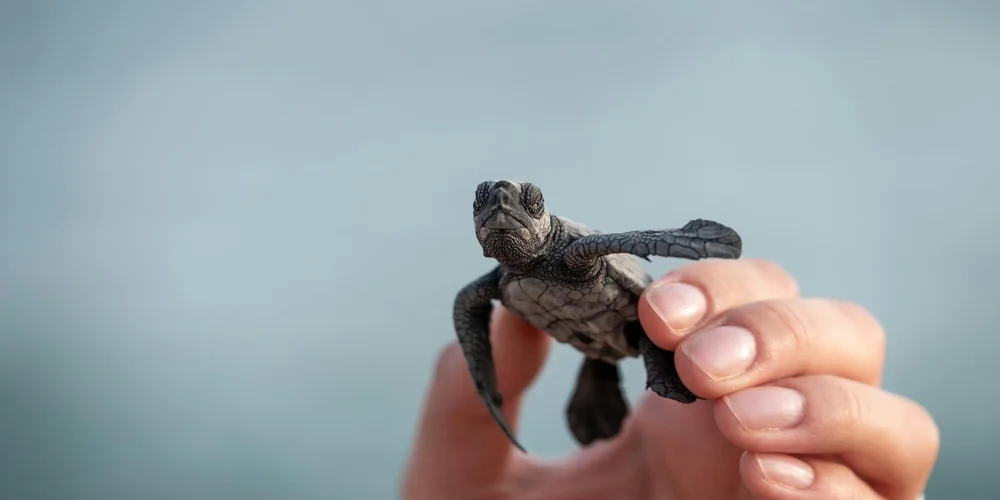
Even with the best preparation, a small slip can happen. If you accidentally cut the quick, the first thing to do is stay calm; your turtle will pick up on your anxiety. I’ve nicked Austen’s quick once, and my heart sank, but a swift response made all the difference.
Have a styptic powder or a cornstarch paste ready before you even begin trimming. Apply gentle pressure with the powder to the tip of the nail to stop the bleeding quickly. It stings a bit, so be prepared for your turtle to pull its leg back.
After any mishap, watch for signs of trouble. A little redness or swelling at the nail base can signal the start of an infection. Other red flags include persistent lethargy, refusing food, or excessive hiding. If you see these signs, it’s time to call your veterinarian.
I remember Bronte once sulked for a full day after a slightly stressful trim. Providing a quiet, warm soak and their favorite leafy greens can work wonders for soothing a stressed-out shelled friend. They forgive quickly when snacks are involved.
Species Variations in Nail Trimming and Maintenance
Not all turtles wear the same shoes. Their species greatly influences how fast their nails grow and how they need to be maintained. My Russian Tortoise, Austen, needs a trim every few months, while my Box Turtle, Orwell, seems to wear his down more naturally.
- Russian and Greek Tortoises: These species often have thicker, slower-growing nails. They typically require less frequent trims, but you must watch for curling.
- Box Turtles and Aquatic Turtles: They tend to have sharper, faster-growing claws. Box turtles like Orwell may need more regular attention to prevent scratching.
Orwell’s reserved personality means he tucks into his shell at the first sign of handling. For shyer turtles, I find that shorter, more frequent handling sessions for non-trimming activities build the trust needed for nail care. We’ve built a routine where he gets a strawberry piece after any foot touching, which has made a world of difference.
Adjust your schedule based on your turtle’s lifestyle. A turtle with a rough-textured basking area or an outdoor enclosure may naturally file its nails down, requiring less intervention from you. Understanding their basking behavior explains why they spend so much time out of water. Basking aids thermoregulation and shell health, so observe and adjust habitat and care accordingly.
Common Mistakes to Avoid in Turtle Nail Care
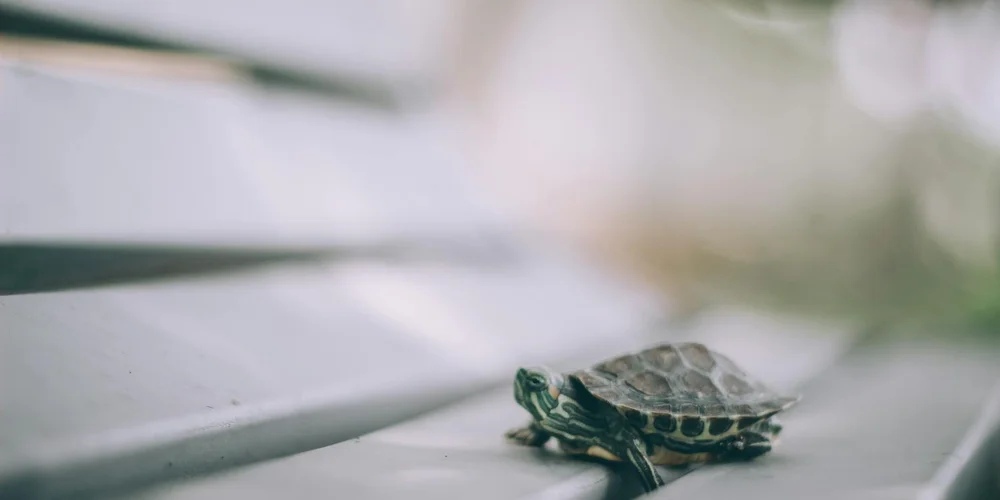
Learning what not to do is just as important as learning the right steps. Rushing the process is the most common error and often leads to accidents and a terrified turtle. I learned this the hard way during my first attempt with Bronte.
- Trimming Too Much: The goal is to take off the clear hook, not get close to the pink quick. Taking off too much is painful and can cause bleeding.
- Using the Wrong Tools: Human nail clippers can crush the nail. Always use small, sharp scissor-style clippers made for pets or birds.
- Ignoring Regular Maintenance: Letting nails grow too long makes the quick grow longer too, making future trims more difficult and risky.
- Forcing a Struggling Turtle: If your turtle is fighting you hard, stop. Try again later or another day. Forced restraint creates long-term fear.
Patience is not just a virtue here; it’s a requirement for safe and stress-free grooming. Setting a calm, consistent routine tells your turtle that this is a normal part of life. If you notice signs of stress—such as hiding, reduced appetite, or rapid breathing—pause and reassess the tank conditions or seek advice from a reptile vet.
If you’re ever unsure, seek a visual guide. I often point fellow turtle owners to detailed video demonstrations from reputable reptile channels on YouTube or the knowledgeable communities on Reddit’s turtle forums. For a focused age check, try the determine your turtle’s age complete visual guide, which walks you through the key indicators with clear photos. Seeing another person do it can build your confidence immensely.
FAQs
Where can I find a professional to trim my turtle’s nails near me?
Search for local reptile veterinarians or exotic pet specialists in your area. Many of these professionals offer nail trimming services for turtles and can ensure it’s done safely.
Are YouTube videos helpful for learning how to trim turtle nails?
Yes, YouTube has many visual guides from experienced turtle owners and reptile channels. Look for videos with clear demonstrations and positive reviews to learn proper techniques. If you’re caring for a box turtle, a care box turtle complete beginners guide can help you cover essentials like housing, diet, and basic handling.
Can I get reliable advice on trimming turtle nails from Reddit?
Reddit communities like r/turtles or r/reptiles allow you to ask questions and share experiences. Always cross-check any advice with trusted sources to ensure accuracy.
How much does it typically cost to have a professional trim my turtle’s nails?
Costs can vary depending on your location and the provider, but it’s often affordable. Contact local reptile vets for specific pricing and to schedule an appointment.
What should I do if I’m nervous about trimming my turtle’s nails myself?
Start by watching tutorial videos and practicing with a helper to build confidence. If you’re still unsure, seek a professional to avoid stress for you and your turtle. As you practice, focus on gentle, consistent handling to train and bond your turtle. A calm, positive routine helps your turtle trust you and enjoy training together.
Your Turtle’s Nail Care Journey
After trimming nails for my own turtles, like gentle Austen and graceful Bronte, I rely on calm handling and proper tools to keep the process safe. Focus on clipping only the transparent tip to prevent pain and make each session quick and comfortable for your pet.
Owning a turtle means committing to their well-being through every stage of life, from hatchling to senior. As they age, their needs can shift, so understanding turtle lifespan and aging helps you adapt care over decades. Stay curious about their care, and you’ll nurture a happy, healthy companion who thrives under your watchful eye.
Further Reading & Sources
- r/turtle on Reddit: Trimming turtle nails
- Terribly overgrown Box Turtle nails – General Turtle Discussions – Turtle Forum
- Expert Guide: How to Trim Your Turtle’s Nails Safely
- Can turtle nails be cut and how to do it properly?
Matthew is a dedicated turtle enthusiast and conservationist with over 15 years of experience in reptile care. Known affectionately as "The Leatherback" among his peers, he combines his passion for turtles with a commitment to educating pet owners on responsible turtle care and environmental stewardship.
Safe Handling Techniques