
How to Get a Stubborn Turtle to Eat Vegetables and Greens
Published on: September 4, 2026 | Last Updated: September 4, 2026
Written By: Matthew The
If your turtle is stubbornly ignoring its vegetables, you might be feeling concerned about its nutrition and long-term health. I’ve been right there with my own turtles-Austen, Bronte, and Orwell-each with their unique quirks, and I know how puzzling it can be when they refuse what’s best for them.
This article covers identifying the root causes, offering appealing food options, using gradual introduction techniques, and monitoring for health improvements.
Understanding Your Turtle’s Reluctance to Eat Greens
Your turtle might turn up its nose at greens for several reasons tied to its natural instincts and health. Species-specific diet preferences play a huge role; for instance, my Russian Tortoise Austen often prefers fibrous plants, while Orwell the Box Turtle can be more hesitant due to his omnivorous leanings. Habitual eating patterns form early, so if your pet got used to tastier treats, switching to veggies feels like a downgrade. Health issues, like parasites or metabolic bone disease, can also curb their appetite, making them picky eaters.
- Ignoring food bowls completely, even when hungry
- Selective eating, where they only nibble on favorite items
- Pushing greens aside repeatedly during feeding time
- Showing less energy or hiding more than usual
Hydration is a silent player in your turtle’s eating habits. When my Greek Tortoise Bronte doesn’t drink enough, she skips meals because water helps break down tough greens in her system. A dehydrated turtle may struggle to digest fiber, leading to a stubborn refusal of healthy foods. In supportive care, steady hydration and gentle feeding matter. A hydrated, comfortable turtle eats more easily and recovers more calmly.
Choosing the Best Vegetables and Greens for Your Turtle
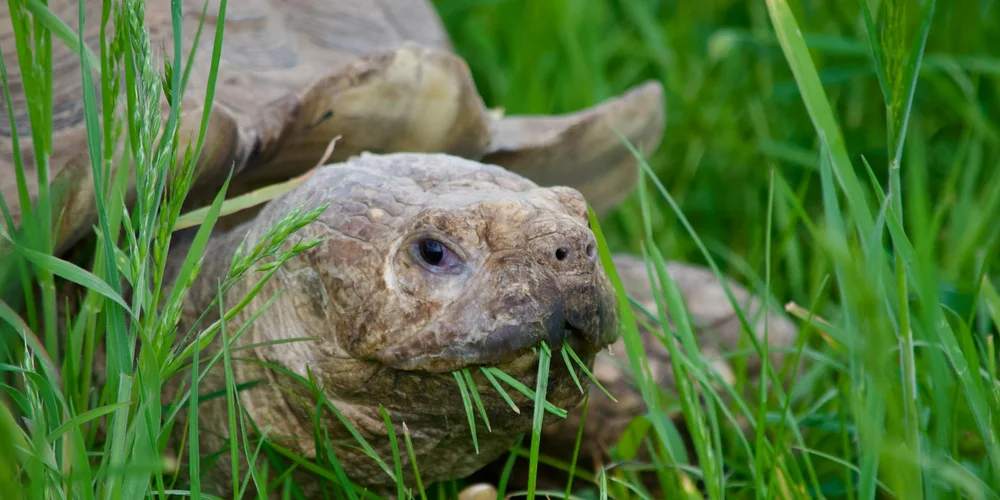
Picking the right greens can make all the difference in enticing your turtle to eat well. Focus on safe, nutrient-packed options like dandelion greens and collard greens, which offer high fiber and variety to keep meals interesting. Dietary fiber helps support turtles’ digestion by promoting gut motility and nutrient absorption. Including a variety of fibrous greens also helps keep their digestive system healthy. I’ve found that mixing colors and textures—like adding shredded squash to leafy piles—catches their eye and encourages nibbling.
- Leafy greens: Dandelion greens, collard greens, and turnip greens are rich in calcium for strong shells
- Squash varieties: Butternut and acorn squash provide vitamin D3, aiding calcium absorption
- Other veggies: Carrot tops and bell peppers add crunch and vitamins without excess sugar
Variety isn’t just about taste; it ensures your turtle gets a balanced diet. In my experience, rotating greens weekly prevents boredom and mimics the diverse foraging they’d do in the wild, supporting overall health. Always wash produce thoroughly to remove pesticides that could harm your pet.
| Green/Vegetable | Nutrition Highlights | Palatability for Turtles |
|---|---|---|
| Dandelion Greens | High in calcium and fiber | Very appealing, often a favorite |
| Collard Greens | Rich in vitamins A and K | Moderately liked, may need mixing |
| Butternut Squash | Good source of vitamin D3 and beta-carotene | Highly palatable when cooked soft |
| Kale | Calcium-rich but goitrogenic in excess | Variable; some turtles love it, others avoid |
Preparation Methods to Improve Greens Palatability
Getting those leafy greens into a stubborn turtle often comes down to how you prepare them. A little effort in the kitchen can transform a rejected meal into an eagerly awaited treat.
Chopping, Blanching, and Pureeing
These three techniques are your best friends when dealing with a picky eater.
- Chopping Finely: Large leaves can be intimidating. I finely chop greens like collard and dandelion into tiny, bite-sized pieces that are easy for my tortoises to manage. This was a game-changer for my Russian tortoise, Austen, who would previously just walk over whole leaves.
- Blanching Briefly: A quick dip in hot water can work wonders. Submerge chopped greens in boiling water for just 10-15 seconds, then immediately transfer them to an ice bath. Blanching softens tough fibers and releases a stronger, more enticing aroma that grabs their attention. My Greek tortoise, Bronte, became much more interested in her kale after I started doing this.
- Pureeing into a “Salad Dressing”: For the most stubborn cases, I blend a small amount of their favorite fruit, like a bit of strawberry or mango, with greens and water into a smooth puree. I then drizzle this over the chopped vegetables. It coats everything with a familiar, sweet scent that encourages them to take that first, crucial bite.
Presentation and Texture Adjustments
How the food feels and looks matters just as much as how it tastes.
- Moisture is Key: Always serve greens slightly damp. The shimmer of water and the easier-to-eat texture are far more appealing than a dry, brittle leaf.
- Mix Textures: Combine the softness of blanched greens with the slight crunch of finely grated squash or carrot. This variety in mouthfeel can pique their curiosity and keep them engaged with their meal.
- Create a “Salad Mosaic”: Instead of a pile of one green, I create a small, colorful plate with different chopped items. The visual variety seems to stimulate their interest.
Strategies to Entice a Stubborn Turtle to Eat Greens
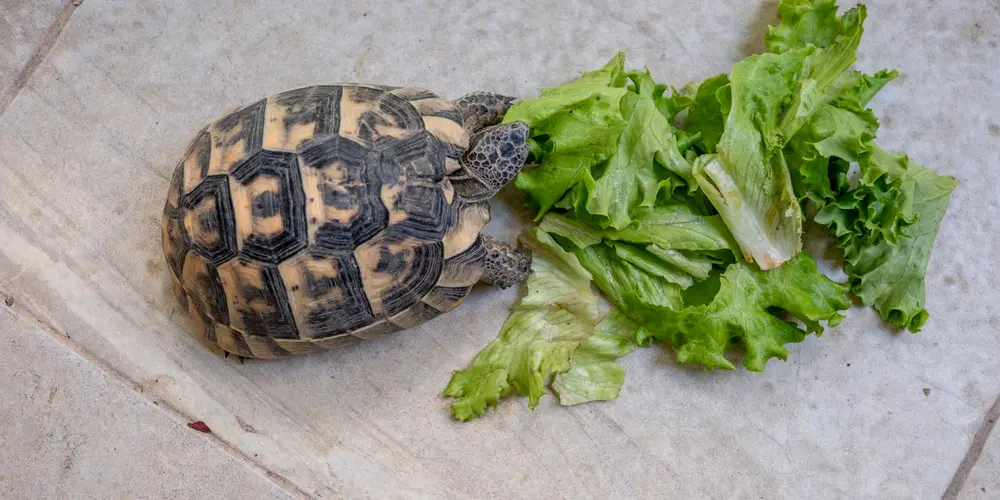
Sometimes, preparation isn’t enough. You need a strategy. Patience and creativity are your most important tools here.
Mixing, Scent Cues, and Timing
- The Favorite Food Mix-In: Start by placing a tiny piece of a loved food, like a hibiscus flower or a bit of bell pepper, right on top of the greens. They’ll often eat the goodie and a bit of the green with it.
- Use Scent to Your Advantage: Rub a fragrant herb like basil or a piece of fruit on the greens before serving. The lingering smell can be a powerful attractant.
- Vary Offering Times: Try feeding at different times of day. I found my box turtle, Orwell, is far more receptive to new foods in the late afternoon after he’s had time to warm up and become active.
Gradual Introduction and Preventing Boredom
This is a marathon, not a sprint.
- Start Small: Begin with a ratio of 90% favorite food to 10% new green. Over a week or two, slowly increase the green portion while decreasing the favorite.
- Rotate Greens Frequently: Don’t serve the same green two days in a row. A rotating menu of 3-4 different greens prevents taste bud fatigue and ensures nutritional balance. One day it’s endive, the next it’s escarole, then turnip greens.
- Be Consistent but Patient: Offer the greens every day, even if they are ignored. It can take dozens of exposures for a turtle to finally accept a new food.
Stimulating Appetite with Enrichment
Turn mealtime into playtime.
- Create a Foraging Box: Scatter the chopped greens throughout a shallow tray of untreated soil or coconut coir. The act of searching and digging for food is a natural, stimulating behavior that can encourage eating.
- Hide and Seek: Tuck small piles of food under a flat stone or inside a terracotta pot. Making them work a little for their food mimics their wild instincts and makes the reward sweeter.
Establishing a Healthy Feeding Schedule and Portions
A predictable routine provides security, which can make a turtle more willing to try new things. Consistency builds trust between you and your shelled friend. To build trust with your new pet turtle, spend quiet time near its enclosure and let it approach you. Be patient and gentle in your interactions.
Feeding Frequency and Portion Sizes
This varies significantly by age and species.
- Juveniles (Under 3-5 years): Should be fed daily. A good portion size is a pile of mixed greens roughly the size of their shell.
- Adults (Like my 10-12 year olds): Can be fed every other day or even 3-4 times a week. An appropriate portion is a pile of greens about the size of their body, excluding the head and limbs. Adjust this based on their appetite; you don’t want a lot of leftovers.
Monitoring Appetite and Hydration
Pay close attention during feeding times.
- Watch to see what they eat and what they leave behind. This tells you their current preferences.
- Ensure they are well-hydrated. A hydrated turtle is more likely to have a healthy appetite. I always provide a shallow water dish for drinking and soaking, and I notice my tortoises often drink right after eating their moist greens.
The Pillars of a Good Diet: Consistency and Variety
These two concepts work together.
- Be Consistent with Your Schedule: Feed at roughly the same time each day. This regulates their metabolism and expectations.
- Be Varied with Your Offerings: No single green provides complete nutrition. Aim for a “salad” composed of 3-5 different calcium-rich greens, weeds, and flowers at every feeding. This rotation is the best way to prevent nutritional deficiencies and keep mealtime interesting.
Introducing Greens into Your Turtle’s Diet Gradually
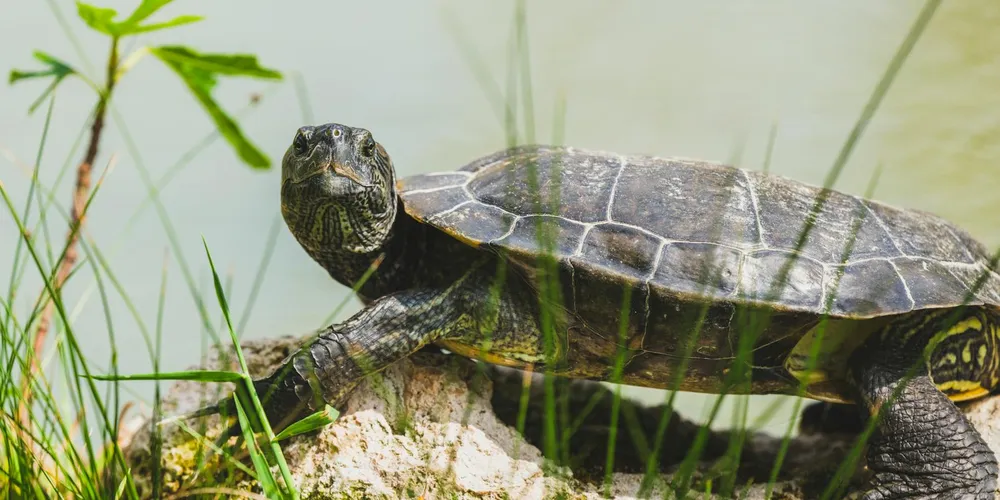
Patience is your greatest tool when changing a turtle’s diet. My Russian tortoise, Austen, taught me that rushing only leads to stubborn refusal. A slow, methodical approach respects their instincts and builds trust with new foods. To truly wean your turtle off an unhealthy, addictive diet, introduce new foods gradually and pair them with familiar favorites. Over time, these small adjustments reduce cravings and expand their palate.
Your Step-by-Step Transition Plan
- Start by placing a single, tiny piece of a safe green, like dandelion or endive, on top of their favorite food.
- Over the next week, gradually increase the ratio of greens to their old food, aiming for a 50/50 mix.
- Try “baiting” by wrapping a small piece of fruit or a flower petal around a leaf to make it more enticing.
- Once they are reliably eating the mixture, begin reducing the amount of their old food each week.
This process can take a month or longer. Do not be discouraged by slow progress.
Boosting Nutrition with Supplements
During this transition, their nutrition is paramount. I lightly dust the new greens with a calcium powder without Vitamin D3 for my turtles that have proper UVB lighting. Choosing the best UVB lights is essential for calcium absorption and a healthy shell. Calcium supplements work best when UVB exposure is adequate. Proper supplementation ensures they get vital nutrients even if they aren’t eating a full, balanced plate yet. A reptile-specific multivitamin powder used once or twice a week can also fill any gaps.
My Greek tortoise, Bronte, was particularly wary of collard greens. I persisted with the staging method for nearly six weeks, and the day she finally took a full, unadorned bite felt like a major victory. My box turtle, Orwell, required a different tactic; he only accepted greens after I hand-fed him the first few pieces, building a positive connection.
Enrichment and Behavioral Tips to Encourage Eating
Turtles are intelligent creatures who benefit from mental stimulation at mealtime. A bored turtle is often a picky turtle. Transforming feeding time into an engaging activity can make all the difference in their willingness to try new things.
Effective Enrichment Strategies
- Vary the presentation: Scatter leaves across their enclosure instead of using a bowl to encourage natural foraging.
- Adjust the environment: Ensure their basking area reaches the proper temperature, as a warm turtle has a faster metabolism and better appetite.
- Interactive feeding: Use feeding rocks or hide greens under safe, clean objects for them to discover.
Building Positive Associations
Training isn’t just for dogs. When Orwell sniffs or licks a new green, I offer verbal praise. Sometimes, I follow it with a tiny, favorite treat like a raspberry. This conditions them to see the new food as a precursor to good things. Keep training sessions short and always end on a positive note, even if progress is small.
Reading Your Turtle’s Cues
Watch their body language closely. A hungry turtle is often active and may pace near their usual feeding spot. If they actively turn away from a food or use their head to push it out of the bowl, they are telling you they dislike it. Respecting their preferences within the bounds of a healthy diet is key to a stress-free relationship. Not every turtle will love every green, and that’s okay. If a turtle is sick or reluctant, hand-feeding can help encourage intake, but keep it gentle and brief. Offer very small amounts by hand and watch for stress signals, stepping back if needed.
When to Seek Veterinary Advice for Feeding Issues
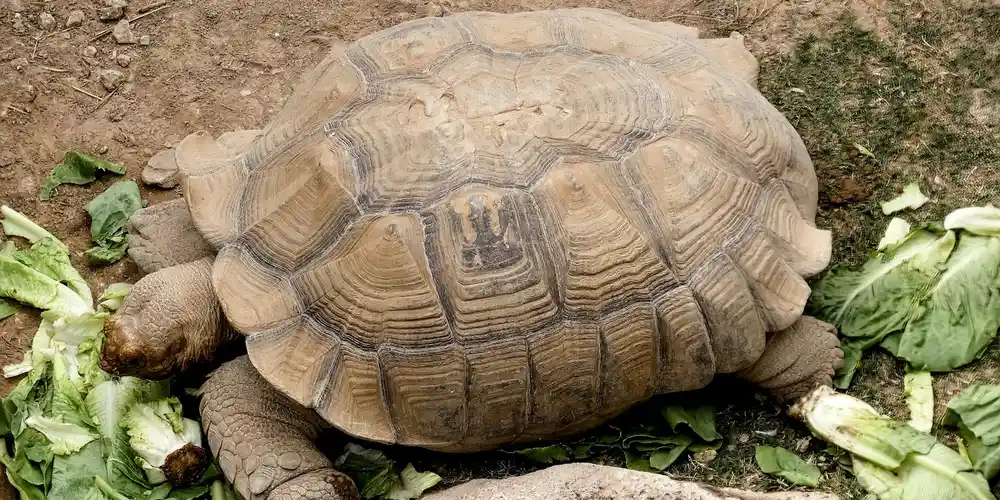
Sometimes, a lack of appetite is more than just pickiness. It can be the first sign of an underlying health issue that needs professional attention. Your vigilance is their first line of defense against serious illness.
Be alert for signs of malnutrition, such as soft or pyramiding shell, lethargy, or swollen eyes. Dehydration can also kill an appetite; check for sunken eyes or loose skin. Respiratory infections, indicated by bubbly nostrils or wheezing, make it difficult for them to eat and breathe at the same time.
Your Veterinary Consultation Checklist
You should schedule a vet appointment if you observe any of the following:
- Complete refusal of all food, including favorites, for more than 5-7 days.
- Noticeable weight loss or a visibly thinning body.
- Any signs of illness paired with a lack of appetite (lethargy, nasal discharge, irregular stools).
- Your turtle has not eaten properly since a recent environmental change or new pet introduction.
Annual check-ups are a non-negotiable part of responsible turtle guardianship, even if your pet seems perfectly healthy. These visits establish a health baseline and allow a vet to catch subtle issues early, ensuring your shelled friend enjoys a long, vibrant life. Their welfare depends on our proactive care. During a routine checkup, expect a basic physical exam, shell and skin inspection, and a quick weight check. The vet will review your turtle’s diet, habitat, and any changes in behavior or appetite.
FAQs
Does the turtle eat greens?
Many turtle species can eat greens as part of a healthy diet, though individual preferences vary. If your turtle refuses greens, it may need time to adjust or could have underlying health issues. If you’re wondering why your turtle isn’t eating, you can try encouraging it by offering a variety of greens and a consistent feeding routine. Avoid forcing feedings and watch for signs of illness.
Are the turtle mats green?
Turtle mats, such as feeding mats, often come in green to blend with natural setups. The color is primarily for aesthetic purposes and does not affect the turtle’s willingness to eat from them. Scientists also study turtle shell coloration patterns to understand camouflage and thermoregulation. These patterns reflect evolutionary adaptation to different habitats.
Are the turtle mats green on Amazon?
On Amazon, turtle mats are available in various colors, including green, depending on the seller. Always check the product description and images to confirm the exact color before purchasing.
Are the turtle mats green on Argos?
Argos may stock turtle mats in green, but availability can change based on inventory and location. Review their online catalog or visit a store to see current options and colors.
Are the turtle mats green on Dunelm?
Dunelm occasionally offers pet accessories like turtle mats, which might include green varieties. It’s advisable to browse their website or contact customer service for specific product details and colors.
Your Turtle’s Greens Journey: A Gentle Wrap-Up
With my tortoises Austen, Bronte, and Orwell, I found that persistence and playful food mixing often win over even the most stubborn eaters. Introducing new greens alongside their trusted favorites can transform mealtime into a positive, gradual adventure.
Remember, responsible turtle care means committing to lifelong learning about their unique dietary and health needs. For land and aquatic turtles alike, this is an essential guide to their care. Stay engaged with reliable resources to ensure your shelled friend thrives in your care for years to come.
Further Reading & Sources
- What Do Turtles Eat? A Guide To Feeding Your Pet Turtle | Chewy
- What Vegetables Can Turtles Eat? 19 Vet Reviewed Options & FAQ | Hepper Pet Resources
- r/turtles on Reddit: How do you guys get your turtles to eat their greens?
- What to Feed Your Pet Turtle | The Best Food for Box Turtles and Other Species
Matthew is a dedicated turtle enthusiast and conservationist with over 15 years of experience in reptile care. Known affectionately as "The Leatherback" among his peers, he combines his passion for turtles with a commitment to educating pet owners on responsible turtle care and environmental stewardship.
Common Turtle Foods