
Sustainable Algae Control for Your Aquatic Turtle Tank
Published on: September 6, 2026 | Last Updated: September 6, 2026
Written By: Matthew The
That green film clouding your turtle’s home isn’t just an eyesore-it can signal an imbalance in their miniature ecosystem. I’ve spent years tending to my own aquatic companions, and I know that slimy coating can feel like a constant, losing battle.
This guide covers natural light management, effective cleaning routines, beneficial tank mates, and long-term water quality strategies. We’ll explore simple, sustainable methods to restore clarity and create a healthier habitat for your shelled friend.
Understanding Algae in Your Turtle Tank
Algae are simple, plant-like organisms that thrive in water with light and nutrients. Think of them as the uninvited guests who show up to the party when conditions are just a little too perfect. In natural ecosystems, they play a vital role, but in our enclosed turtle tanks, their presence needs careful management.
Common Types of Aquarium Algae
You’ll likely encounter a few main characters in your tank’s algae story.
- Green Water Algae: This turns your water into a murky, pea-soup green. It’s a free-floating bloom that makes it hard to see your turtles, let alone admire their graceful swimming.
- String Algae: Appearing as long, hair-like green strands, this type clings to decorations, plants, and filter outlets. It can create a surprisingly tangled mess.
- Blue-Green Algae (Cyanobacteria): This one is a slick, smelly film that coats surfaces in shades of blue-green or dark green. It’s not a true algae and can be more problematic.
How Algae Impacts Your Turtle and Tank
A little algae isn’t a crisis; my Russian Tortoise, Austen, sometimes nibbles on the green film on his rocks. However, an unchecked bloom can quickly throw your entire aquatic world out of balance. I once battled a severe green water situation that not only made tank maintenance a guessing game but also seemed to stress my turtles, as they became less active and more reclusive.
Excessive algae consumes oxygen at night, competes with any live plants you have, and can harbor harmful bacteria. It’s a clear sign that your tank’s ecosystem is out of whack, and your turtles are living in that environment.
| Algae Type | Visual Description | Growth Rate | Safety for Turtles |
|---|---|---|---|
| Green Water | Murky, cloudy green water | Very Fast | Generally safe but indicates poor water quality |
| String Algae | Long, hair-like green strands | Moderate to Fast | Safe; some turtles may eat it |
| Blue-Green Algae | Slimy, smelly blue-green film | Fast | Potentially toxic; can cause health issues |
Root Causes of Algae Blooms
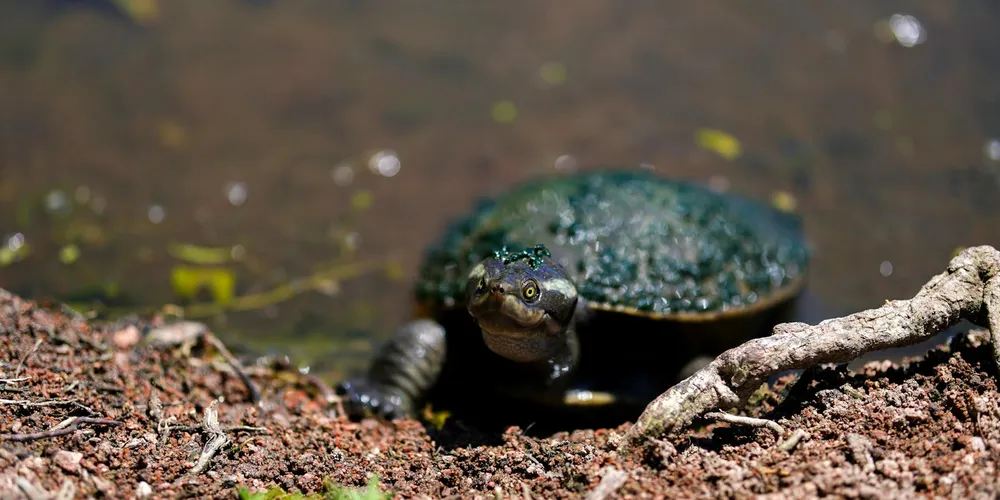
Algae don’t just appear out of nowhere. They are a direct response to specific conditions in your tank. Understanding these triggers is the first step toward sustainable control.
Primary Factors Fueling Algae Growth
Three key elements act as a feast for algae.
- Excessive Lighting: Leaving tank lights on for more than 10-12 hours a day, or placing the tank in direct sunlight, is like giving algae an all-you-can-eat buffet ticket.
- High Nitrates and Phosphates: These are the main course for algae. They accumulate from turtle waste, uneaten food, and decomposing plant matter.
- Overfeeding and Poor Filtration: A filter that can’t keep up with the bioload, combined with overfeeding, creates a nutrient-rich soup that algae adore.
Common Mistakes Turtle Owners Make
We’ve all been there. Here are a few habits that can accidentally encourage algae.
- Using a light that is too strong for the tank size.
- Neglecting weekly partial water changes.
- Not cleaning the filter media regularly.
- Feeding portions that are larger than your turtle can eat in 5-10 minutes.
Diagnosing the Problem in Your Tank
I learned this lesson with my Greek Tortoise, Bronte’s, aquatic area. The water was persistently cloudy, and I couldn’t figure out why until I did a simple audit. I realized the timer for her basking light was faulty, leaving it on for nearly 16 hours a day. Combined with my generous feeding habits, I had created the perfect algae incubator. Fixing the timer and adjusting her diet made a world of difference within a week.
Your tank is telling you a story; you just need to know how to listen. A sudden bloom is a clear message to check your lighting schedule, feeding routine, and filtration efficiency.
Sustainable Prevention Strategies
Managing algae starts with smart, eco-friendly habits that keep your turtle’s home clean and healthy. I’ve seen firsthand how small changes in light, feeding, and filtration can transform a murky tank into a clear, thriving space for turtles like Orwell, who appreciates a calm environment.
Light Management Steps
Algae love light, but you can control it without harming your turtles. Adjusting light duration and intensity mimics natural cycles, reducing algae’s food source while keeping your pets active. For diagnosing your turtles’ habitat checklist, follow a quick checklist for perfect lighting, heat, and water. This helps you catch issues early and keep the enclosure safe.
- Set a timer for 8-10 hours of light daily to prevent overexposure.
- Use LED bulbs with adjustable intensity-start low and increase if plants need it.
- Avoid placing the tank in direct sunlight, which spikes algae growth rapidly.
- Monitor your turtle’s behavior; if they seem sluggish, tweak the light slightly.
Proper Feeding Habits
Overfeeding is a common culprit for algae, as excess waste fuels growth. Feed your turtles only what they can eat in 5 minutes, twice a day, to minimize leftovers.
- Offer high-quality pellets and occasional veggies, like leafy greens, to reduce phosphorus.
- Remove uneaten food within 30 minutes to keep water clean.
- Observe your turtle’s appetite-my experience with Bronte taught me that consistent feeding prevents waste buildup.
Eco-Friendly Filtration and Water Changes
A good filter and routine water changes are your best allies. Choose a filter rated for twice your tank’s volume to handle turtle waste efficiently. A proper filter is essential in an aquatic turtle setup because they produce a lot of waste. It helps keep ammonia and nitrite in check and keeps the water clear.
- Clean filter media monthly with tank water to preserve beneficial bacteria.
- Perform 25% water changes weekly, using dechlorinated water to avoid stress.
- Test water parameters regularly; stable conditions discourage algae blooms.
Setting Up a Balanced Ecosystem
Creating a self-regulating tank takes patience, but it pays off. Follow this numbered guide to build a habitat where plants and bacteria work together against algae.
- Start with a substrate layer of sand or gravel to anchor plants and host bacteria.
- Add fast-growing live plants, like anacharis or java fern, to compete with algae for nutrients.
- Introduce beneficial bacteria supplements during setup to kick-start biological filtration.
- Cycle the tank for 4-6 weeks before adding turtles, monitoring ammonia and nitrite levels.
- Adjust lighting and feeding based on plant health and algae signs for long-term balance.
Effective and Safe Algae Removal
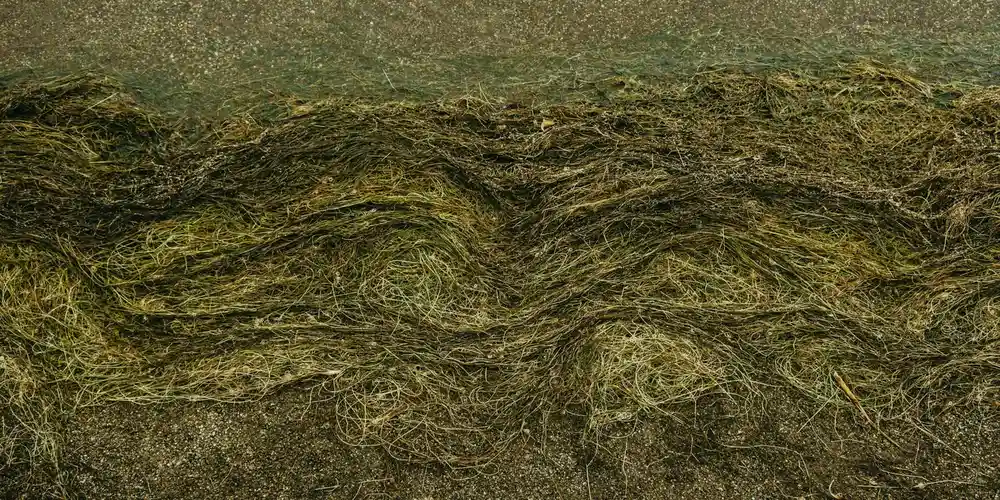
When algae appear, gentle methods can clear them without chemicals. I always prioritize approaches that keep turtles like Austen safe, as sudden changes can stress them.
Manual Cleaning Methods
Hands-on cleaning is immediate and chemical-free. Use a algae scraper or soft cloth for glass, and a net for surface skimming to remove visible growth.
- Scrape glass during water changes to avoid disturbing turtles.
- Skim floating algae daily with a fine net to prevent it from settling.
- Vacuum the substrate lightly to pick up debris without uprooting plants.
Natural Control with Plants and Bacteria
Live plants and bacteria are nature’s cleaners. Adding species like hornwort absorbs excess nutrients, while bacteria break down waste that algae feed on.
- Incorporate floating plants, such as duckweed, to shade the water and limit light.
- Use bacterial additives weekly to maintain a healthy microbiome, reducing algae triggers.
- Observe how plants thrive; in my tanks, this natural balance has cut algae by half over time.
Safe, Eco-Friendly Products
Avoid harsh chemicals that harm turtles and water quality. UV sterilizers are a great investment, using light to kill algae spores without residues, especially when used alongside filtration systems designed for turtle tanks.
- Install a submersible UV sterilizer in the filter line for continuous control.
- Consider barley straw extracts, which release compounds that inhibit algae growth.
- Steer clear of algaecides; they can upset water chemistry and stress your pets.
Step-by-Step Cleaning Without Stress
A calm routine keeps your turtles happy during maintenance. Follow this process to clean effectively while minimizing disruption to your aquatic friends. This is part of the ultimate turtle habitat cleaning schedule. Sticking to the plan helps keep water quality steady and turtles calm.
- Prepare a separate container with dechlorinated water to temporarily hold your turtle.
- Turn off equipment and gently remove decorations for scrubbing with tank water.
- Clean the glass and skim surfaces, then vacuum 20-30% of the substrate.
- Refill with treated water matching the tank’s temperature to avoid shock.
- Reintroduce your turtle slowly, watching for signs of comfort like normal swimming.
Maintaining Optimal Water Quality
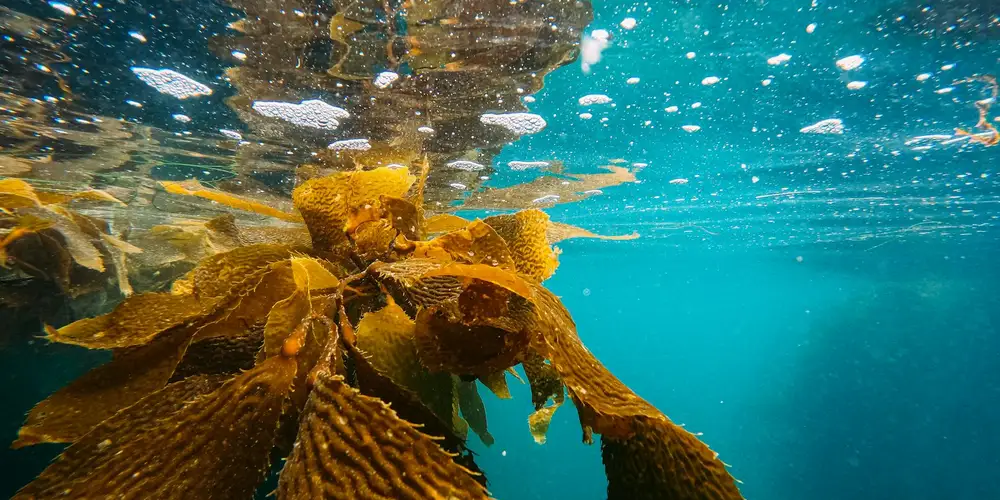
Think of your turtle’s tank as a tiny, self-contained world. The single most powerful tool you have against algae is mastering the invisible chemistry of the water. It’s less about fighting the green slime and more about creating an environment where it simply can’t thrive.
The Nitrogen Cycle: Your Secret Weapon
Algae feeds on excess nutrients, primarily nitrates. These come from the natural nitrogen cycle. When your turtle produces waste, it breaks down into ammonia, then nitrites, and finally nitrates. A well-established nitrogen cycle processes waste efficiently, keeping nitrate levels low and algae at bay. My own tanks for Austen and Bronte only stabilized after I truly understood this process. For beginners, a solid guide on the nitrogen cycle helps you plan cycling time, test nitrates, and avoid overfeeding. This is exactly the kind of practical insight you’ll find in a turtle tank beginners guide. A cycled tank doesn’t just smell better; it looks clearer.
Testing: Don’t Guess, Test
You can’t manage what you don’t measure. I keep a simple liquid test kit on hand and check these parameters every other week:
- Nitrates: Aim to keep them below 20 ppm (parts per million). This is algae’s favorite food.
- Phosphates: Another major algae fuel. Target is under 1 ppm.
- pH: Turtles generally prefer a neutral pH around 7.0-7.5.
- Ammonia and Nitrites: These should always read 0 ppm in a healthy, cycled tank.
Your Weekly Maintenance Checklist
Consistency is everything. This 15-minute routine has kept my tanks pristine for years.
- Filter Check: Rinse filter media in old tank water you’ve removed. Never use tap water, as it kills the beneficial bacteria.
- Partial Water Change: Swap out 25-30% of the tank water with dechlorinated fresh water.
- Glass Wipe: Use a dedicated algae scrubber on the viewing panes.
- Vacuum Debris: Use a gravel vacuum to suck up uneaten food and waste from the substrate.
- Inspect Equipment: Ensure heaters and filters are running smoothly and quietly.
This weekly ritual is non-negotiable for long-term clarity. It’s like taking out the trash regularly; if you let it pile up, problems multiply quickly.
Natural Helpers for Algae Control
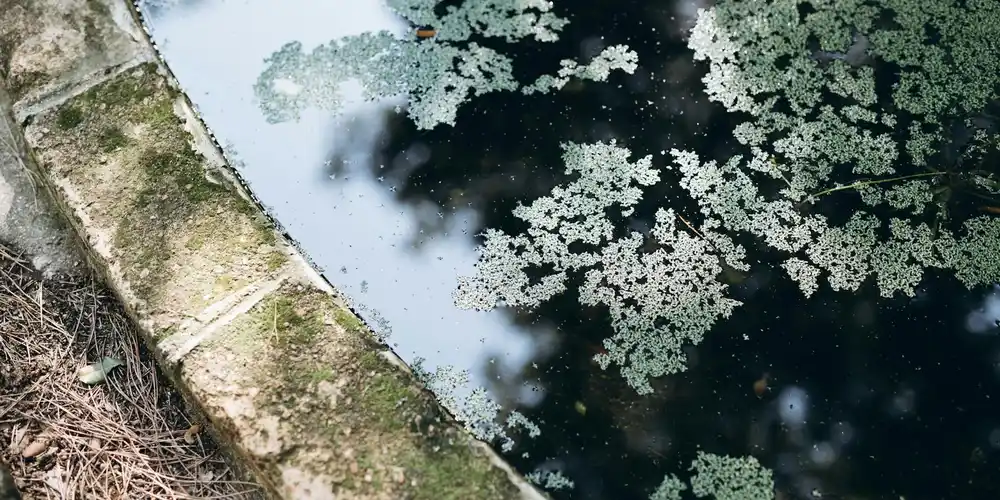
You don’t have to battle algae alone. Introducing a small cleanup crew can make a huge difference. Adding natural helpers creates a more balanced ecosystem and reduces your manual cleaning workload. I’ve experimented with various species alongside my turtles, and their safety is the top priority.
Compatible Tank Mates
Not every cleaner is turtle-proof. You need hardy, fast-moving species that your turtle will mostly ignore.
- Mystery Snails: These are my top pick. They are large, have a trapdoor to seal themselves in, and are fantastic algae grazers. Orwell, my box turtle, has never shown more than a passing curiosity in them.
- Nerite Snails: The undisputed champions of algae eating. They cannot reproduce in freshwater, so you won’t have a population explosion. Their only downside is they sometimes lay tiny, hard-to-remove white eggs on decorations.
- Amano Shrimp: Surprisingly effective and quick. They are excellent for nibbling algae in hard-to-reach places. They are best suited for larger tanks with plenty of hiding spots.
Benefits and Crucial Risks
While these helpers are wonderful, you must be cautious. The primary risk is that your turtle will see them as a snack, not a coworker. Always introduce new organisms to a well-fed turtle and provide ample hiding places like rock caves or dense plants. Monitor their interactions closely for the first few days. These tips appear in the care land and aquatic turtles essential guide. It walks you through safe introductions and appropriate enclosure setups for both land and aquatic turtles.
Introduction and Care Tips
Acclimate new helpers slowly by floating their bag in the tank to equalize temperature, then gradually adding small amounts of tank water to their bag over an hour. This slow introduction prevents shock and gives them the best start. Remember, these creatures also produce waste, so don’t overstock your cleanup crew.
| Helper | Algae-Eating Effectiveness | Ease of Care | Turtle Safety |
|---|---|---|---|
| Nerite Snail | Excellent | Very Easy | High (Hard Shell) |
| Mystery Snail | Good | Easy | High (Large Size) |
| Amano Shrimp | Very Good | Moderate | Moderate (Needs Hiding Spots) |
FAQs
What are the best algae eaters for a turtle tank?
Nerite snails and mystery snails are highly effective as they graze on algae without posing a threat to turtles. Always provide hiding spots like caves or plants to keep these helpers safe from curious turtles.
How can I safely remove algae without chemicals?
Use an algae scraper or soft cloth during water changes to manually clean surfaces without stressing your turtle. Adding fast-growing live plants, like hornwort, can naturally absorb excess nutrients that algae feed on. This is just one of many tips you can find in our detailed how to clean a turtle tank properly.
Are chemical algae removers safe for turtle tanks?
Avoid chemical algaecides as they can harm turtle health and disrupt water balance. Instead, consider UV sterilizers or bacterial additives that control algae sustainably without toxic residues.
What do experienced turtle owners suggest for algae control?
Many recommend limiting light to 8-10 hours daily and performing weekly water changes to reduce nitrate buildup. Overfeeding is a common mistake, so feed only what your turtle consumes in a few minutes. These routines form a daily, weekly, and monthly care plan for a water turtle. Sticking to this schedule helps keep your pet healthy and happy.
Why does algae return quickly after cleaning?
Rapid regrowth often signals unresolved issues like excessive lighting or high nutrient levels from overfeeding. Regular testing for nitrates and phosphates can help identify and correct these imbalances.
A Clear Path Forward for Your Turtle’s Habitat
Focus on balancing light and nutrients through regular water changes and tank maintenance to curb algae overgrowth. Are live plants beneficial in turtle habitats? In many setups, they improve water quality and provide natural enrichment. Integrating live plants or safe algae-eaters creates a self-regulating ecosystem that supports your turtle’s health naturally.
Commit to observing your turtle’s behavior and adjusting care routines as they age, ensuring their home remains a safe haven. As aging is a natural part of a turtle’s life, monitor changes in appetite, activity, and shell health to tailor care over time. This awareness can help support a longer, healthier lifespan for your aquatic friend. Embrace the journey of learning; every bit of knowledge you gain helps your aquatic friend thrive for years to come.
Further Reading & Sources
- r/turtle on Reddit: HELP!!!!!! IS THIS MUCH ALGAE OK FOR MY TURTLE TANK AND HOW DO I DIX IT. 100% WATER CHANGE???
- How to Remove Algae from Fish and Turtle Tanks – The Tye-Dyed Iguana – Reptiles and Reptile Supplies in St. Louis.
- Turtle Tankmates – Algae Eater Success! – YouTube
- Redearslider.com :: View topic – Are algae removal products safe for turtle tanks?
Matthew is a dedicated turtle enthusiast and conservationist with over 15 years of experience in reptile care. Known affectionately as "The Leatherback" among his peers, he combines his passion for turtles with a commitment to educating pet owners on responsible turtle care and environmental stewardship.
Water Changes