
Benefits of Live Plants in Turtle Habitats
Published on: December 24, 2025 | Last Updated: December 24, 2025
Written By: Matthew The
You might wonder if adding live plants to your turtle’s home is worth the effort or if it could cause more harm than good, like unwanted nibbling or maintenance hassles.
From my decade with Austen, Bronte, and Orwell, I’ve seen how plants enrich their daily lives in ways fake decor can’t match. This article covers improved water quality, natural behavior stimulation, health benefits, and easy setup tips.
The Multifaceted Benefits of Live Plants
Boosting Water Quality and Health
Live plants act like nature’s own filtration system in your turtle’s habitat. They absorb harmful nitrates and ammonia from waste, which helps keep the water cleaner and safer for your shelled friends. I’ve noticed with Orwell’s aquatic setup that adding plants like Anubias reduced algae growth and made water changes less frequent.
Plants also release oxygen during photosynthesis, improving the overall environment. This natural aeration supports your turtle’s respiratory health and can prevent issues like shell rot or skin infections. In Bronte’s enclosure, the plants have made the air feel fresher and more balanced.
- Nitrate reduction: Plants consume excess nutrients, lowering toxin levels.
- Oxygen production: Enhances water quality and supports healthy breathing.
- Algae control: Competes with algae for resources, keeping tanks clearer.
Enriching Behavior and Reducing Stress
Adding plants gives your turtle places to hide, explore, and feel secure. A well-planted habitat mimics their natural wild settings, which calms them and reduces stress-related behaviors. Ensuring proper planting in the enclosure is crucial because misplaced or inappropriate plants can cause more harm than good. Austen, my Russian tortoise, spends hours gently pushing through ground cover, which seems to soothe his steady nature.
Foraging on safe plants encourages natural instincts and mental stimulation. This enrichment prevents boredom and can lessen aggressive tendencies, making your pet happier and healthier. I’ve seen Bronte become more graceful and thoughtful as she navigates her planted areas.
- Hiding spots: Provides security from perceived threats.
- Foraging opportunities: Stimulates natural eating behaviors.
- Physical activity: Encourages movement and exploration.
Choosing the Perfect Plants for Your Turtle
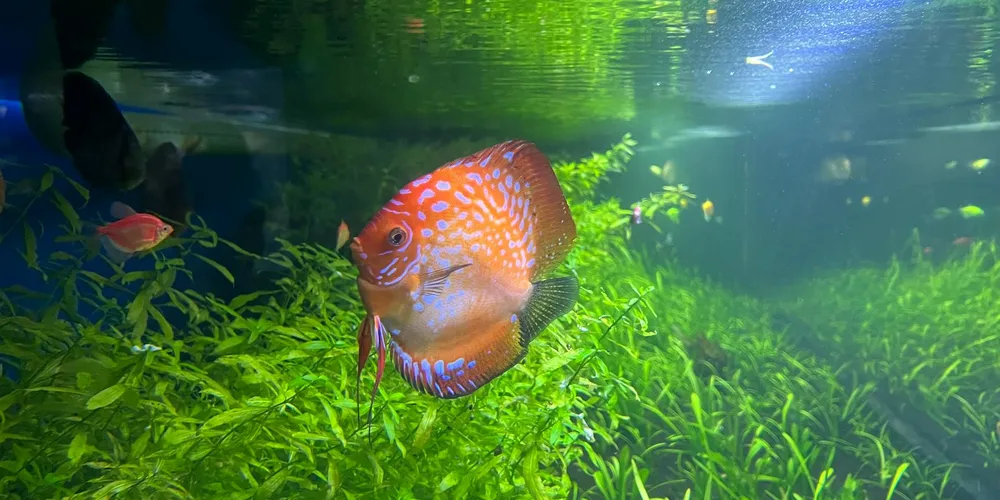
Top Aquatic Plants for Turtle Ponds
Select plants that are non-toxic, durable, and easy to maintain. Java Fern and Anubias are excellent choices because they can handle some nibbling and don’t require high light. In Orwell’s pond, these have thrived without needing constant care, and he enjoys resting under their leaves.
Floating plants like Water Lettuce provide shade and help filter the water. They create a cozy overhead canopy that turtles love to bask near or hide under. This setup has made Orwell’s reserved personality feel more at ease in his aquatic home, especially since it’s important to understand when turtles floating is normal or a cause for concern.
- Java Fern: Hardy and attaches to rocks or wood.
- Anubias: Slow-growing and resistant to turtle bites.
- Water Lettuce: Offers shade and improves water clarity.
Ideal Ground Cover and Shade Providers
For terrestrial turtles, choose plants that offer cover and are safe to eat. Clover and grasses like Bermuda make great ground cover that tortoises can graze on without harm. Austen and Bronte both enjoy nibbling on these, and it adds a lush, natural feel to their enclosures. These plant choices are part of our care aquatic turtles essential guide, which covers habitat, nutrition, and enrichment for both terrestrial and aquatic species. Choosing edible, safe vegetation helps mimic natural ecosystems and support overall health.
Shade plants such as Spider Plants or safe succulents protect turtles from overheating. They create cool, shaded areas that mimic the sheltered spots turtles seek in the wild. I’ve planted these in Bronte’s habitat, and she often rests there thoughtfully during warm days.
- Clover: Edible and spreads easily for continuous cover.
- Spider Plants: Non-toxic and provide dense shade.
- Safe succulents: Low-maintenance and offer hiding places.
Ensuring Plant Safety in the Habitat
Before you add any greenery, you must be certain it won’t harm your shelled friend. My tortoise, Austen, once took a curious nibble on a plant I hadn’t properly vetted, and the resulting vet visit was a stark reminder that not all plants are created equal. Always research each plant species thoroughly, cross-referencing multiple reputable sources.
I maintain a simple mental checklist for plant safety. It has saved me more than once.
- Non-Toxic: The plant must be confirmed safe for reptiles. Common safe choices include Spider Plants, Java Fern, and certain succulents like Hens and Chicks.
- No Pesticides: Plants from standard garden centers are often treated with systemic pesticides that can linger and poison your turtle. I only use plants from reputable aquarium stores or grow my own from organic cuttings.
- No Sharp Edges: Avoid plants with thorns, spines, or rigid, sharp leaves that could injure eyes or soft skin.
Maintenance and Care for Habitat Plants
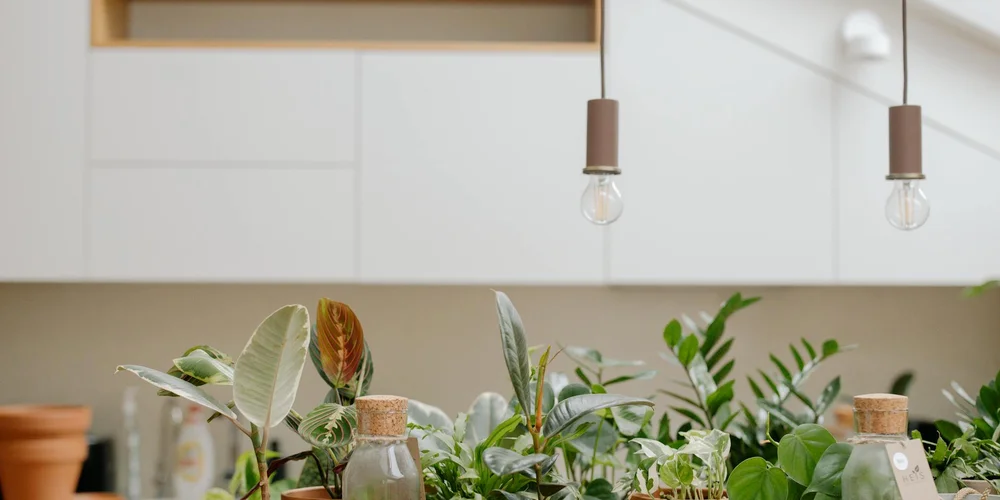
Plants are living things, and they need care to thrive alongside your turtle. A healthy plant is not just decoration; it’s a functional part of your turtle’s ecosystem, actively contributing to cleaner water and better air. Think of it as a symbiotic relationship you are fostering. Ethical care also means realistically evaluating whether you can meet a turtle’s long-term needs, including space, lighting, and ongoing maintenance. Before adopting, consider whether you can commit to the care required to support both your pet and its plants.
Your maintenance routine will depend on your specific setup, but a few universal principles apply.
- Lighting: Most aquatic and semi-aquatic plants need full-spectrum lighting for 10-12 hours a day, just like your turtle.
- Fertilization: Use only turtle-safe, aquatic plant fertilizers. Over-fertilizing can lead to algae blooms and harm your pet.
- Cleaning: Gently wipe dust and algae from plant leaves during water changes to ensure they can photosynthesize efficiently.
Pruning and Stability Tips
Turtles are not gentle landscapers. They will climb on, dig around, and sometimes snack on your plants. Pruning isn’t just about aesthetics; it’s about managing plant health and preventing decay that could foul the water. I find it a peaceful, weekly ritual. That rhythm fits the ultimate turtle habitat cleaning schedule I follow. Regular maintenance helps keep water clean and turtles thriving.
Use clean, sharp scissors to trim away dead or dying leaves. This encourages new growth. For stem plants, you can often cut the top and replant it, effectively propagating your greenery.
Stability is the other half of the battle. My box turtle, Orwell, is a master of redecorating, so I’ve learned a few tricks.
- Anchoring: Weigh down the roots of plants with smooth, large river rocks. This protects the root system from curious diggers.
- Planting Depth: Plant them a little deeper than you normally would to provide a more secure base in the substrate.
- Floating Cover: For persistent bulldozers, consider adding some floating plants like Frogbit. They provide cover and are almost impossible to uproot.
Enhancing Your Turtle’s World with Plants
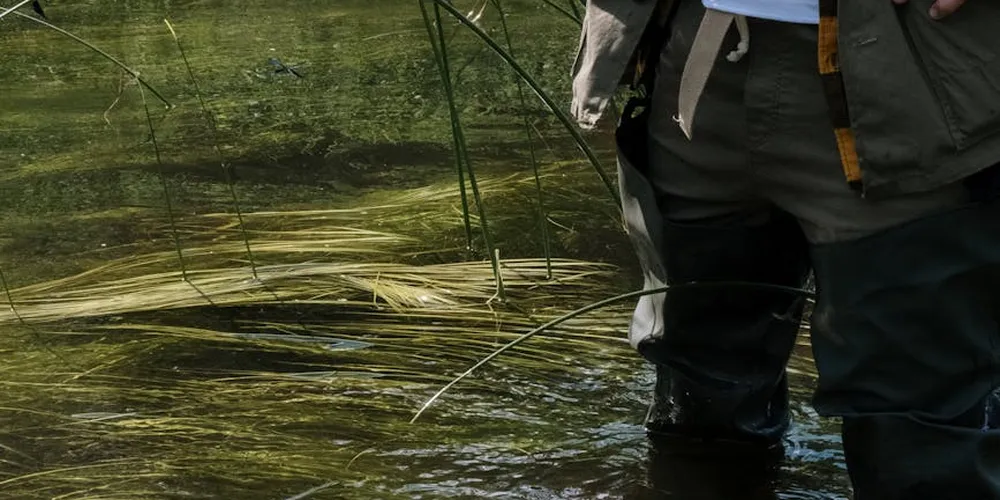
Beyond just looking pretty, live plants fundamentally change the daily experience for your turtle. They provide a dynamic, enriching environment that plastic decorations simply cannot replicate. My Russian tortoise, Austen, spends hours gently nudging and exploring the spider plants in his enclosure, a behavior I never saw with his old fake log. That’s why I aim to create a naturalistic turtle habitat with proper decor that supports plant life. Thoughtful decor—live plants, safe hides, and natural textures—encourages exploration and more authentic behaviors.
A More Natural Diet and Foraging Experience
Many safe plants double as a fresh, nutritious snack. This encourages natural foraging behaviors.
- Dandelion greens and hibiscus leaves are personal favorites in my household.
- Grazing on these plants provides essential fiber and vitamins.
- It turns feeding time into a stimulating activity, not just a passive meal.
Improved Water Quality (For Aquatic Turtles)
If you have an aquatic setup, plants are your silent filtration partners.
- They absorb harmful nitrates from the water, using them as food.
- This natural process helps keep the water cleaner for longer between changes.
- My box turtle, Orwell, shares his space with java fern, which helps manage waste from his frequent dips.
Mental and Physical Stimulation
A plain tank is a boring tank. Plants create a landscape to explore.
- Turtles will climb on, hide under, and navigate around foliage.
- This provides crucial exercise and prevents lethargy.
- It satisfies their innate curiosity and reduces stress by offering secure hiding spots.
Troubleshooting Common Plant Problems
It’s normal to face a few hurdles when introducing plants. Don’t be discouraged; most issues have simple, effective solutions. I’ve had my share of chewed-up plants and mysterious wilting.
Your Turtle is Destroying the Plants
Some turtles are just enthusiastic gardeners.
- Choose tougher, fast-growing plants like anubias or pothos that can handle a little nibbling.
- Ensure your turtle is getting a complete, balanced diet; sometimes destruction stems from a nutritional gap.
- You can use small rocks around the plant base to protect the roots from being dug up.
Plants are Wilting or Dying
This usually comes down to lighting or species selection.
- Match the plant’s light needs to your habitat’s setup. Many common houseplants need more light than a turtle tank provides.
- Research plant hardiness. Some simply won’t thrive in the specific humidity and temperature of a turtle enclosure.
- Double-check that any fertilizers or soils used are 100% organic and free of pesticides, which can be toxic.
Algae Growth on Plants or Decor
Algae competes with your plants for nutrients.
- Reduce the photoperiod; too much light fuels algae blooms. Aim for 10-12 hours of light per day.
- Perform regular, partial water changes to remove excess nutrients.
- Introduce a clean-up crew like nerite snails, which are safe with turtles and will graze on the algae.
FAQs
Can I plant herbs in a turtle enclosure?
Yes, many herbs like basil and mint are safe and can be planted in turtle enclosures. They offer edible enrichment and encourage natural foraging behaviors for your pet.
Which plants attract insects that turtles feed on?
Flowering plants such as marigolds and dandelions can attract small insects that turtles naturally prey on. This provides a supplemental food source and stimulates hunting instincts in your turtle. In the ultimate beginner’s guide to feeding your pet turtle, these foraging opportunities should supplement, not replace, a balanced diet. Make sure plants and insects are pesticide-free and appropriate for turtles.
Which native plants support turtle ecosystems?
Native plants like local grasses or aquatic species help replicate a turtle’s wild environment and support ecosystem balance. They are often hardy and require minimal care while benefiting local wildlife. A safe, accessible basking spot completes the habitat, helping regulate temperature. Place a flat rock or basking platform in a sunny, dry area near the plants to create the perfect basking area for your aquatic turtle.
Creating a Thriving, Plant-Filled Home for Your Turtle
Introducing safe, non-toxic live plants provides essential enrichment and helps maintain cleaner water for your turtle. Choosing the right species is the first step toward a more natural and engaging habitat. Key factors to consider when choosing a turtle species include size, habitat needs, climate compatibility, diet, and long-term care. These considerations help ensure your enclosure and routine support a healthy, thriving turtle.
Observing how your turtle interacts with its planted environment is a rewarding part of responsible pet ownership. Caring for these living additions deepens your connection to the fascinating world of pet turtle care, a journey of lifelong learning. For those just starting out, the care pet box turtle complete beginners guide offers practical, beginner-friendly tips to help you get started.
Further Reading & Sources
- An Aquascape Guide for Turtle Tanks – The Tye-Dyed Iguana – Reptiles and Reptile Supplies in St. Louis.
- Adding Live Plants to Your Indoor Turtle Habitat
- Making a Garden for Pet Turtles – Fine Gardening
- Best Live Plants for Turtle Aquariums: Expert Q&A
Matthew is a dedicated turtle enthusiast and conservationist with over 15 years of experience in reptile care. Known affectionately as "The Leatherback" among his peers, he combines his passion for turtles with a commitment to educating pet owners on responsible turtle care and environmental stewardship.
Aquatic Turtles