
Understanding Protein Needs for Carnivorous vs. Herbivorous Turtles
Published on: September 8, 2026 | Last Updated: September 8, 2026
Written By: Matthew The
Figuring out the right protein for your turtle can feel overwhelming, especially when one wrong meal could impact their health and happiness.
Based on my years caring for turtles like Austen, my steady Russian Tortoise, and Orwell, my intelligent Box Turtle, I’ve learned that protein balance is not just about food-it’s about fostering a thriving life.
In this article, we’ll explore protein sources, daily feeding guidelines, common mistakes, and health signs to watch for.
The Role of Protein in Turtle Nutrition
Protein serves as the fundamental building block for your turtle’s body, much like bricks form the structure of a house. It’s essential for creating new tissue, repairing daily wear and tear, and providing a crucial source of energy. Without adequate protein, your turtle’s body simply cannot perform its most basic functions.
These proteins are made from chains of amino acids. Some amino acids can be synthesized by your turtle, while others, called essential amino acids, must come directly from their food. The quality of a protein source is determined by its digestibility and its profile of these essential amino acids. A highly digestible protein with a complete amino acid profile is far more valuable than one that is hard to process or nutritionally incomplete.
Protein intake is deeply intertwined with your turtle’s energy levels and nitrogen balance. A proper nitrogen balance indicates your turtle is using protein for growth and repair, rather than excreting it as waste or burning it for fuel.
Why Protein Matters for Your Turtle’s Health
Think of protein as the construction crew for your turtle’s entire body. It directly influences three critical areas of their wellbeing.
A strong, resilient shell is a direct result of proper protein intake, as it provides the materials needed for keratin and bone development. I’ve noticed my Russian Tortoise, Austen, has a beautifully smooth and hard shell, a testament to a lifetime of correct nutrition.
Protein is also the primary driver of muscle development. For active, swimming carnivorous turtles, powerful muscles are non-negotiable for hunting and mobility. Even my more sedentary box turtle, Orwell, needs adequate protein to maintain the muscle strength required for his daily explorations.
Furthermore, a robust immune system relies on proteins to create antibodies and disease-fighting cells. Providing the right amount of high-quality protein is one of the most effective ways to support your turtle’s long-term health and vitality.
Key Factors Influencing Protein Requirements
A one-size-fits-all approach to protein does not work in turtle care. Several factors dramatically alter how much protein an individual turtle needs.
- Species and Natural Diet: A carnivorous snapping turtle has vastly different needs than a herbivorous tortoise.
- Life Stage: Hatchlings and juveniles require more protein for rapid growth than slower-growing adults.
- Health and Reproductive Status: A sick turtle recovering from illness or a female producing eggs needs a protein boost.
- Metabolism and Activity Level: A highly active aquatic turtle will burn through protein faster than a terrestrial species.
- Environmental Temperature: Warmer temperatures generally increase metabolic rate, which can raise protein requirements.
Carnivorous Turtles: High-Protein Diet Essentials
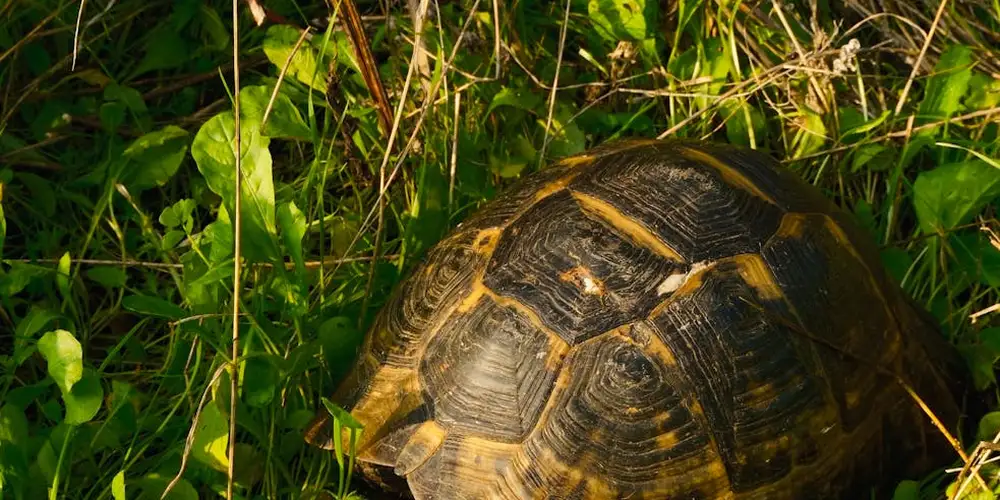
Carnivorous turtles, like many common aquatic species, are built for a life of hunting. Their bodies are engineered to thrive on a diet rich in animal-based proteins, which fuels their fast growth and high-energy lifestyles. In my experience, trying to limit protein for these species can lead to stunted growth and a weakened immune system.
Their rapid metabolism and need for constant repair from an active life in the water demand a consistent supply of high-quality protein. Feeding should be frequent for young, growing carnivorous turtles, often daily, tapering to every other day or a few times a week for healthy adults to prevent obesity. In pond settings, feeding should be adjusted to water quality and available forage. For practical tips, see our feed turtles pond practical guide.
Daily Protein Needs for Carnivorous Species
The protein content in a carnivorous turtle’s diet shifts significantly as they mature. Here is a general guide to their needs.
| Life Stage | Recommended Protein in Diet |
|---|---|
| Hatchlings | 50% – 65% |
| Juveniles | 40% – 55% |
| Adults | 25% – 45% |
These percentages are a starting point; you must always observe your turtle’s body condition and adjust accordingly. A plump, sedentary adult may need less, while a breeding female will need more.
Best Animal-Based Protein Sources
Variety is the cornerstone of a healthy carnivorous turtle diet. Rotating through different protein sources ensures a broad spectrum of nutrients. Many keepers include chicken as a lean, easily digestible protein. This animal-protein guide explains how to safely incorporate meat like chicken into a balanced turtle diet.
- Gut-loaded Insects: Crickets, dubia roaches, and earthworms. Gut-loading-feeding the insects a nutritious diet before offering them-dramatically increases their vitamin and mineral content for your turtle.
- Feeder Fish: Guppies or minnows provide excellent stimulation and nutrition. Avoid goldfish, as they are fatty and contain thiaminase.
- Aquatic Snails and Shrimp: These are natural prey items that offer protein and enrichment.
- Prepared Commercial Diets: High-quality turtle pellets can form a reliable base, but should be supplemented with whole foods.
I always recommend dusting insects with a calcium supplement a few times a week to support shell and bone health, especially for fast-growing juveniles. Be cautious not to overfeed; a good rule is to offer an amount of food roughly the size of your turtle’s head.
Herbivorous Turtles: Low-Protein Plant-Based Diets
Species like many tortoises are true vegetarians, thriving on a diet rich in plants and very low in protein. Their digestive systems are built for fermenting fibrous plants, not processing heavy animal proteins. I’ve seen this firsthand with my box turtle, Orwell, who becomes sluggish and loses his curious spark if his diet strays into high-protein territory.
Their protein needs are remarkably low, often just 10-15% of their total diet. The real focus should be on high-fiber intake to keep their gut moving and their digestion smooth. Preventing excess protein is key to avoiding long-term health complications.
Balancing Plant Proteins for Optimal Health
Not all plant proteins are created equal, but you can easily create a complete amino acid profile by mixing different greens. The secret is variety, offering a rotating menu of safe, digestible plants to cover all their nutritional bases. Orwell gets most excited when I mix in edible flowers with his daily greens.
Here is a list of excellent plant sources to combine:
- Leafy greens: Collard greens, dandelion greens, endive
- Edible flowers: Hibiscus, nasturtiums, rose petals
- Other vegetables: Opuntia cactus pads, zucchini, bell peppers
Risks of Too Much Protein in Herbivorous Diets
Feeding a herbivore like a tortoise too much protein is like putting the wrong fuel in a car; it will cause the system to break down. Excess protein puts immense strain on their kidneys and can lead to irreversible shell deformities known as pyramiding. I monitor Orwell closely for any subtle changes.
Watch for these symptoms of protein overload:
- Unusual, rapid weight gain
- Lethargy and reduced activity
- Swelling in the limbs or eyes
- Abnormal, pyramid-like raised scutes on the shell
Prevention is straightforward: stick to a strict plant-based diet and avoid all high-protein commercial pellets or animal-based treats.
How Life Stage Affects Protein Needs

A turtle’s need for protein is not static; it evolves dramatically throughout its life. Think of protein as the building blocks for growth in youth and the maintenance crew for health in old age. This is true for all species, from my speedy young box turtle to my steady older tortoises.
Hatchlings and juveniles are in a constant state of construction, requiring more protein for shell and tissue development. For breeding females, the demand spikes again as they produce eggs, requiring extra resources for both themselves and their future offspring. This increased need must always be balanced with ample calcium for strong eggshells.
Protein Requirements for Hatchlings and Juveniles
Young turtles are little growing machines, and their diet must support that explosive development. For the first few years of life, a higher protein intake-closer to 25-35% of the diet for some species-is crucial for proper formation. Their meals should be offered daily to fuel their fast metabolism.
Follow these steps as your young turtle grows:
- From hatchling to 1 year: Offer protein-rich foods daily, finely chopped.
- 1 to 3 years (Juvenile): Begin reducing protein frequency to every other day.
- 3 to 5 years (Sub-adult): Transition to an adult feeding schedule, significantly cutting back on protein.
Adjusting Protein for Adult and Senior Turtles
Once a turtle reaches adulthood, its growth plates have closed. The primary goal shifts from building new tissue to maintaining existing health, which requires far less dietary protein. For herbivorous adults like my tortoises, this means a diet of almost entirely leafy greens and high-fiber plants.
Senior turtles may need even fewer calories and protein as their activity levels naturally decline. Regularly monitoring their weight is the best way to ensure you are not overfeeding and putting stress on their aging organs. In senior turtle care, adjusting diet and habitat can help aging pets stay comfortable. Consider softer substrates and easier access to basking spots to support joints and digestion.
Make these adjustments based on their life stage and activity:
- Highly active adults: Maintain a standard low-protein diet.
- Less active/Senior adults: Slightly reduce overall food quantity, keeping the focus on fiber.
- All adults: Protein should be a rare supplement, not a staple.
Selecting and Preparing Protein Sources
Choosing the right protein sources ensures your turtle gets the nutrients it needs without risks. I always opt for high-quality proteins that mimic what turtles eat in the wild, focusing on safety and ease of digestion. Over the years with my turtles-Austen, Bronte, and Orwell-I’ve learned that variety prevents boredom and supports health. Commercial foods offer convenience, while fresh items add natural enrichment. Supplements like calcium powder can fill gaps, but use them sparingly to avoid imbalances. Homemade options let you control ingredients, but always research recipes to keep meals balanced and safe.
Evaluating Protein Quality and Digestibility
Protein quality hinges on digestibility and amino acid profiles, which affect how well your turtle absorbs nutrients. Look for sources with high protein digestibility coefficients, meaning more protein is usable by your turtle’s body. Animal-based proteins often score higher here, especially for carnivorous species. Amino acid profiles matter too; complete profiles with all essential amino acids support growth and repair. From my experience, Orwell, my box turtle, digests earthworms better than plant-based proteins due to his carnivorous leanings. Below is a list of common foods and their general digestibility traits-use this as a starting point for evaluations.
- Earthworms: High digestibility, rich in essential amino acids-ideal for carnivorous turtles.
- Crickets: Moderate to high digestibility, good protein source but dust with calcium for balance.
- Leafy greens like kale: Lower digestibility for herbivores, but provide fiber and some protein.
- Commercial pellets: Formulated for high digestibility, often fortified with vitamins.
Incorporating Commercial and Natural Foods
Balancing commercial and natural foods keeps diets interesting and nutritious. I mix pre-made diets with fresh items to give my turtles the best of both worlds, ensuring they get consistent nutrition without missing out on natural behaviors. Commercial foods are reliable and easy to store, but they can lack the freshness that stimulates appetite. Natural foods, like live insects or garden greens, encourage foraging and provide sensory variety. However, they may carry parasites if not sourced safely. Below, a table summarizes the pros and cons to help you decide what works for your pet: Commercial diets vs homemade diets – Pros and Cons for Turtle Health.
| Option | Pros | Cons | Recommendation |
|---|---|---|---|
| Commercial Pellets | Convenient, nutritionally balanced | Can be less engaging, may contain fillers | Use as a base diet, especially for busy owners |
| Fresh Insects | High in protein, encourages natural hunting | Risk of parasites, requires live storage | Offer 2-3 times weekly for carnivorous turtles |
| Leafy Greens | Rich in fiber, supports gut health | Lower protein content, may spoil quickly | Daily staple for herbivores, occasional for others |
| Homemade Mixes | Customizable, fresh ingredients | Time-consuming, risk of nutrient imbalances | Supplement occasionally with vet-approved recipes |
Maintaining Balance: Protein and Overall Health
Protein balance is key to preventing health issues in turtles. Too little protein can stunt growth, while too much may lead to obesity or organ strain, so aim for a middle ground based on your turtle’s species and age. I’ve seen how imbalances affect my pets; for instance, Austen’s steady growth improved when I adjusted his protein intake. Focus on the calcium-phosphorus ratio—aim for 2:1 to support shell and bone health. That ratio is the single most important rule in turtle nutrition. When you prioritize it, other dietary tweaks—like protein balance and vitamin D3 supplementation—fit more predictably. Vitamin D3, from sunlight or supplements, helps calcium absorption. Gut microbiota plays a role too; a diverse diet fosters healthy bacteria that aid protein breakdown. Environmental factors like temperature matter; warmer setups boost metabolism, increasing protein needs slightly.
Signs of Protein Imbalance and How to Correct It
Watch for symptoms that signal protein issues in your turtle. Deficiency often shows as slow growth, lethargy, or a dull shell, while overconsumption can cause obesity, pyramiding on the shell, or digestive troubles. With Bronte, my Greek tortoise, I once noticed sluggishness and adjusted her diet to include more protein-rich greens, which perked her right up. If you spot signs, first assess your feeding routine and consult a vet if needed. Steps for correction include reducing protein for overfed turtles or adding high-quality sources for deficiencies. Anecdotal fixes from my experience: For Orwell’s weight gain, I cut back on insects and added more fibrous veggies, and his activity levels improved within weeks.
- Deficiency symptoms: Slow growth, weakness, poor appetite-increase protein gradually with safe sources.
- Overconsumption signs: Weight gain, shell deformities, lethargy-reduce protein and boost exercise and fiber.
- Diagnosis steps: Observe behavior, check weight, review diet logs, and seek veterinary advice for persistent issues.
- Adjustment tips: Shift feeding frequencies, incorporate variety, and monitor changes over 2-4 weeks.
Practical Feeding Guidelines for Different Turtles
Tailor feeding schedules to your turtle’s species and life stage for optimal health. Start by identifying if your turtle is carnivorous, herbivorous, or omnivorous, then adjust protein levels accordingly—juveniles need more for growth, while adults require maintenance diets. Based on my routine with Austen, Bronte, and Orwell, I feed carnivorous types like box turtles protein-rich meals 3-4 times weekly, and herbivores like tortoises get daily greens with occasional protein boosts. Remember, turtles often benefit from a consistent feeding schedule rather than ad-hoc meals. This helps prevent overfeeding and supports steady growth. Below, a bullet list of do’s and don’ts helps you avoid common mistakes and keep meals balanced.
- Do’s for carnivorous turtles: Offer live or frozen insects, use commercial pellets as staples, and provide calcium supplements.
- Don’ts for carnivorous turtles: Avoid overfeeding protein, skip raw meat due to bacteria risks, and don’t neglect vitamin D3 sources.
- Do’s for herbivorous turtles: Focus on leafy greens and vegetables, include high-fiber plants, and ensure calcium-rich options like cuttlebone.
- Don’ts for herbivorous turtles: Don’t rely solely on fruit, avoid high-oxalate greens daily, and don’t forget to vary the diet to prevent deficiencies.
FAQs
Do aquatic turtles have different protein requirements than land turtles?
Aquatic turtles, often carnivorous, need higher protein diets to fuel their active swimming and hunting behaviors. Land turtles, like many tortoises, are typically herbivorous and require low-protein, high-fiber diets to support their slower metabolisms and digestive health. Here, we explain the key differences between aquatic and land turtle diets to help you feed each species appropriately. Understanding these distinctions helps ensure species-appropriate feeding and long-term health.
How does pregnancy or reproduction affect protein needs in female turtles?
Female turtles experience increased protein demands during reproduction to support egg development and maintain their own health. Offering extra high-quality protein sources, like insects or fortified pellets, helps meet these needs for successful breeding.
What are signs of protein deficiency in turtles?
Protein deficiency may appear as slow growth, weakness, or a lack of energy in your turtle. Other indicators include a dull, soft shell and reduced appetite, which require dietary adjustments with vet guidance. To prevent these problems, avoid common turtle feeding mistakes and aim for balanced meals. Monitor portion sizes and variety to prevent protein excess or imbalance.
How do environmental factors like temperature and diet influence protein needs?
Warmer environments can boost a turtle’s metabolism, increasing protein requirements for energy and tissue repair. A balanced diet tailored to these conditions ensures proper nutrient intake without overloading their system.
Are commercial turtle foods adequate for meeting protein requirements?
High-quality commercial foods are designed to provide balanced protein but should be part of a varied diet for optimal nutrition. Supplement with fresh, species-appropriate foods to prevent deficiencies and promote natural eating behaviors.
Your Turtle’s Thriving Diet
Feed your carnivorous turtle a protein-rich diet like insects and fish, while your herbivore thrives on leafy greens and vegetables. Getting this fundamental balance right is the single most important thing you can do for their long-term health and shell strength. Proper nutrition—balancing calcium, phosphorus, and vitamins—directly influences shell health. A diet appropriate to your turtle’s species helps maintain strong, healthy shells.
Watch your turtle’s behavior and growth, as these are the best indicators that their diet is working. Committing to learning about their specific needs is the heart of being a wonderful and responsible turtle keeper, especially when it comes to providing a balanced diet for omnivorous turtles.
Further Reading & Sources
- Nutrition in Turtles – Management and Nutrition – Merck Veterinary Manual
- The Varied Diets of Turtles: A Comprehensive Guide – A-Z Animals
- Reptile Nutrition – Carnivore, Omnivore, Herbivore | Our Reptile Forum
- Are Turtles Omnivores, Herbivores, Or Carnivores? (Actual Facts)
Matthew is a dedicated turtle enthusiast and conservationist with over 15 years of experience in reptile care. Known affectionately as "The Leatherback" among his peers, he combines his passion for turtles with a commitment to educating pet owners on responsible turtle care and environmental stewardship.
Common Turtle Foods