
Can Turtles Eat Meat and Chicken? A Guide to Animal Protein
Published on: January 31, 2026 | Last Updated: January 31, 2026
Written By: Matthew The
You might be wondering if feeding meat or chicken to your turtle is safe or could harm their health, and I’ve been there too with my own shelled companions.
This article covers: turtle species that eat animal protein, nutritional benefits, potential risks, and safe feeding practices.
Understanding Your Turtle’s Natural Diet
Think of a turtle’s diet as a map of its home. What a turtle eats in the wild is a direct reflection of its habitat and species. My Russian tortoise, Austen, forages for leafy greens and the occasional flower, while my box turtle, Orwell, actively hunts for slugs and worms in the garden.
Aquatic turtles are often opportunistic hunters. The scent of a wiggling worm or a slow-moving insect triggers a deep-seated instinct to chase. This predatory behavior means many semi-aquatic species are naturally omnivorous, requiring a mix of plant and animal matter for complete health. Are turtles herbivores, carnivores, or omnivores? In practice, most aquatic turtles are omnivores, feeding on both vegetation and animal prey, with the balance shifting by species and season. Their diet is not a strict menu, but a changing buffet based on what their environment provides.
Land-dwelling tortoises, like my gentle Austen, are built differently. Their digestive systems are fine-tuned for breaking down fibrous plants. Offering a high-protein food to a tortoise can cause serious kidney and shell growth problems over time. Knowing whether your shelled friend is a pond prowler or a grassland grazer is the first step to feeding them right.
Animal Protein Options for Pet Turtles
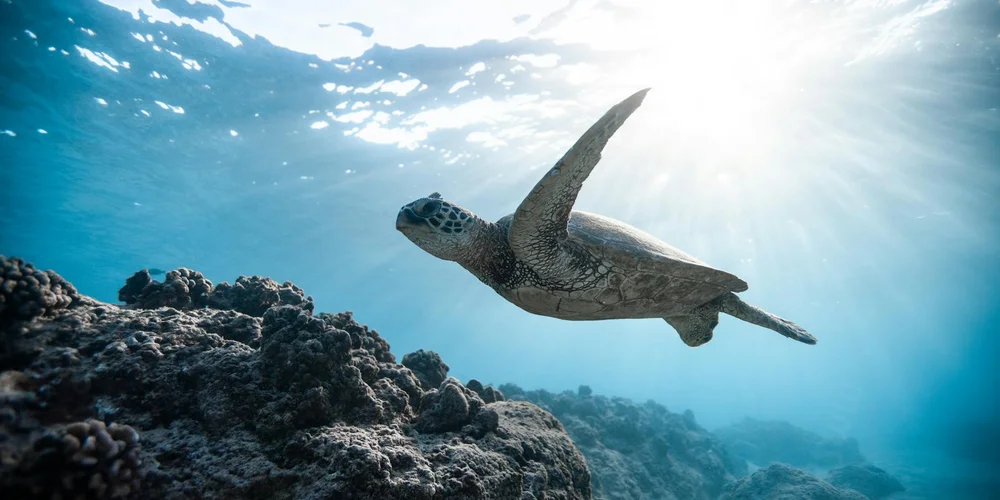
For turtles that do need animal protein, variety is the spice of life and the key to good health. I rotate through different options to keep my turtles engaged and to ensure they get a broad spectrum of nutrients.
- Earthworms and nightcrawlers (a favorite for many species)
- Gut-loaded crickets and dubia roaches
- Small feeder fish like guppies or minnows
- Freshwater shrimp and snails
- Occasional treats of bloodworms or brine shrimp
Feeding live or moving prey can provide essential mental stimulation and exercise. Watching Orwell stalk a cricket is a lesson in patience and precision. Always source feeders from reputable suppliers to avoid introducing parasites to your turtle’s habitat.
Can Turtles Safely Eat Chicken?
This is a common question, and the answer requires careful consideration. Yes, some turtles can eat small amounts of plain, cooked chicken as a very occasional treat, but it is far from an ideal staple. The lean protein is acceptable, but the risks often outweigh the benefits. Bread is another item people wonder about; in most cases, it is not suitable for turtles. Understanding which foods are safe or unsafe helps you feed them responsibly.
I have offered a tiny, unseasoned piece of boiled chicken breast to my box turtle perhaps twice in his life. The high fat content in most store-bought chicken, along with any seasonings, oils, or salt, can be harmful to a turtle’s delicate system. Their bodies are not designed to process such rich, land-animal meat regularly. Source fresh, unseasoned foods and prepare them at home for your turtle. This keeps ingredients under your control and helps you tailor meals to your pet’s needs.
Stick to proteins that mirror their natural diet. Insects, worms, and aquatic prey are biologically appropriate and much safer choices than cooked poultry. If you do offer chicken, ensure it is a minuscule, plain, and thoroughly cooked morsel, given no more than once every few months.
Alternative Protein Sources Beyond Meat
You don’t always need to reach for the meat to satisfy your turtle’s protein needs. Several high-quality commercial foods are specifically formulated to provide complete and balanced animal protein for turtles. These pellets should form the reliable base of their protein intake. In our feed your pet turtle ultimate beginners guide, you’ll find tips on balancing pellets with other protein sources for a healthy, varied diet.
For a more natural approach, consider these excellent alternatives that are often safer than processed meats.
- High-Quality Turtle Pellets: Look for brands where the first ingredient is a whole fish or insect meal.
- Leafy Greens with Protein: Some plants, like alfalfa sprouts and duckweed, offer a surprising amount of protein.
- Edible Snails: These provide protein and the extra benefit of calcium from their shells.
- Hard-Boiled Egg: A small piece of the white can be a rare, protein-rich treat.
A varied diet prevents nutritional deficiencies and keeps mealtime interesting for your shelled companion. I find that mixing a high-quality pellet with a few live worms or a fresh snail covers all the bases for my aquatic and semi-aquatic turtles, supporting their health and honoring their wild instincts.
Risks and Precautions When Feeding Animal Protein
While animal protein can be beneficial, it’s not without its dangers. Feeding raw or improperly prepared meat introduces significant health risks that can seriously harm your turtle. I learned this early on after a scare with my Russian tortoise, Austen, who became lethargic from what I suspect was contaminated food. That experience opened my eyes to how easy it is to fall for common feeding myths. In Turtle Diet Debunked: 8 Feeding Myths That Actually Harm Your Pet, I break down the myths and explain safer feeding practices.
Proper Meat Preparation for Turtle Safety
Safety starts in your kitchen. Always cook any meat thoroughly to kill harmful bacteria like salmonella and e.coli that can make your turtle gravely ill. I boil chicken or lean ground beef until it’s well-done, with no pink remaining.
- Cook all meat thoroughly without any oils, salts, or seasonings.
- Cut the meat into tiny, bite-sized pieces to prevent choking.
- Serve the meat at room temperature to avoid shocking their system.
- Remove any uneaten meat from the enclosure within a few hours to prevent spoilage.
Portion control is your best friend here. A piece of meat no larger than the size of your turtle’s head is a safe and manageable serving for a single feeding. This prevents overconsumption and digestive issues.
Species-Specific Protein Requirements
Not all turtles are created equal when it comes to their dietary needs. Your turtle’s species is the single most important factor in determining how much, and how often, they should have animal protein. My box turtle, Orwell, has very different needs than my tortoises.
Protein Feeding Frequency by Turtle Type
Think of protein as a supplement, not a staple. Overfeeding protein, especially to species not adapted for it, can lead to shell deformities, kidney failure, and rapid, unhealthy growth. It’s a lesson I had to learn through careful observation and vet consultations.
Here is a simple guide based on common turtle types:
- Box Turtles (like Orwell): Omnivores. They can have small amounts of lean meat 1-2 times per week as part of a varied diet.
- Aquatic Turtles (e.g., Red-Eared Sliders): Juveniles are more carnivorous. They can have protein 2-3 times a week. Adults need less, shifting to once a week or even bi-weekly.
- Tortoises (like Austen and Bronte): Primarily herbivores. They should rarely, if ever, be fed meat. Their systems are not designed to process it efficiently.
Your turtle’s age also plays a critical role. Younger, growing turtles often require more frequent protein meals than their senior counterparts, who thrive on a more plant-based diet. Adjust their intake as they mature for a long, healthy life.
Recognizing Protein-Related Health Issues
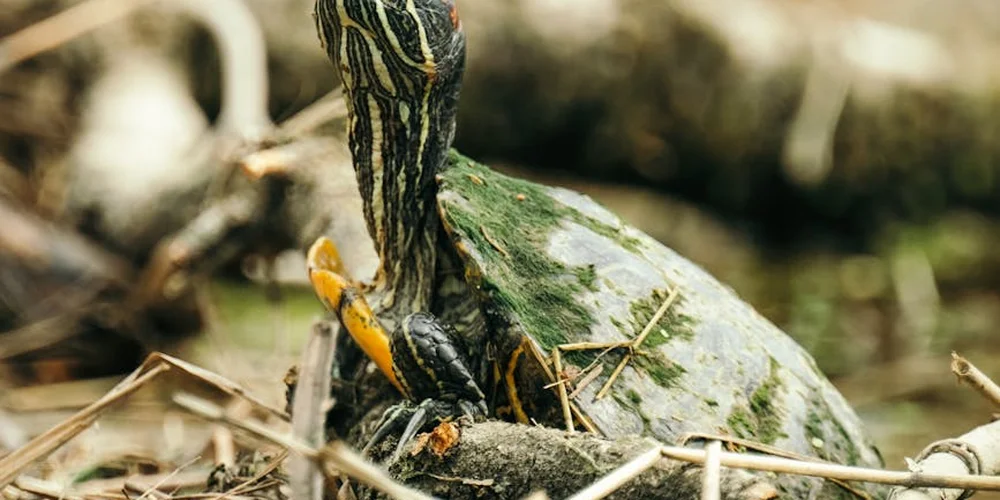
I’ve seen firsthand what happens when a turtle’s diet contains too much animal protein. Excess protein can quietly strain their internal organs, particularly the kidneys and liver, leading to serious long-term health problems. It’s a slow process, which is why vigilance is so important.
Watch for these physical and behavioral changes in your turtle:
- Pyramiding: This is a tell-tale sign where the scutes on the shell begin to grow upward in a pyramid-like shape instead of remaining smooth and flat.
- Unexplained swelling in the limbs or around the eyes, which can indicate metabolic issues.
- Lethargy and a sudden, persistent loss of appetite.
- Abnormal shell growth or softening, even with proper UVB lighting.
My Greek tortoise, Bronte, once went through a period of sluggishness after I was a bit too generous with protein-rich treats. That experience taught me to always err on the side of caution with animal-based foods. If you notice any of these symptoms, it’s a clear signal to reassess their diet and consult a reptile-savvy veterinarian.
Balancing Animal Protein with Other Nutrients
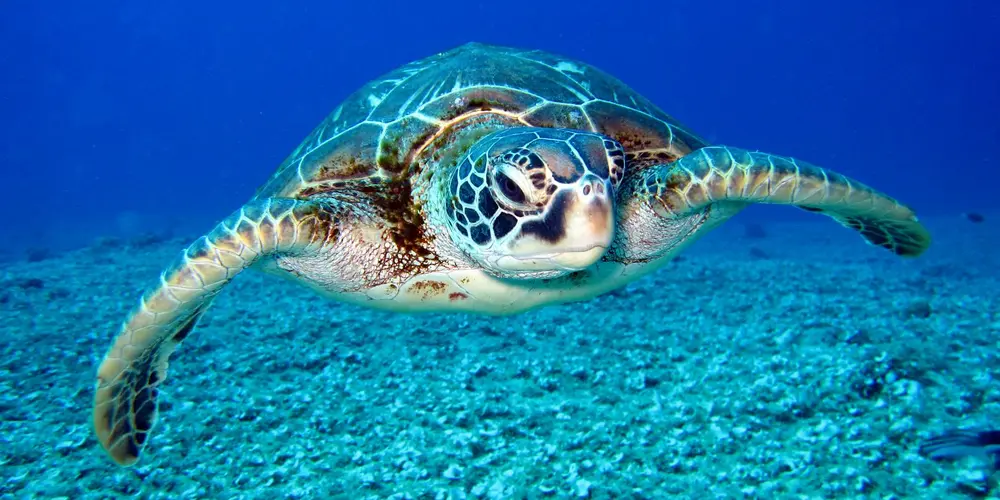
Think of a turtle’s diet as a delicate ecosystem. Animal protein is just one part of a much larger nutritional landscape that must be carefully managed. For most common pet species, it should be a small, occasional component, not a staple.
A balanced diet for an omnivorous turtle typically looks like this:
- Plant Matter (70-80%): A variety of dark, leafy greens like dandelion greens, endive, and collard greens. This should form the foundation of their meals.
- Vegetables (15-20%): Shredded squash, bell peppers, and the occasional carrot for vitamins and fiber.
- Animal Protein (5-10%): This small portion is where your pre-killed insects or occasional bit of lean chicken would fit.
Calcium is non-negotiable for shell and bone health. I make it a habit to lightly dust my turtles’ food with a calcium powder supplement a few times a week. This is especially crucial when they are fed any animal protein, as it helps maintain the critical calcium-to-phosphorus balance.
Here is a simple feeding frequency guide for animal protein based on age and species:
| Turtle Type | Juvenile | Adult |
|---|---|---|
| Aquatic (e.g., Red-Eared Slider) | 2-3 times per week | Once a week |
| Box Turtle (e.g., my turtle Orwell) | Twice a week | Once every 10-14 days |
| Most Tortoises (e.g., Russian, Greek) | Rarely to never | Never |
Observing your turtle is the best guide. If you’re wondering how to tell if your turtle is sick, watch for changes in appetite, activity, or shell appearance. Their behavior and physical condition will tell you more than any rigid schedule ever could. A healthy turtle is an active one with a strong, smooth shell and a clear, bright-eyed expression.
FAQs
Can turtles eat meat?
Yes, some turtle species can safely eat meat as part of a balanced diet. Always offer cooked, unseasoned meat in small amounts to avoid health issues. If you include human foods, stick to safe, plain options and avoid seasoning, sauces, or salty snacks.
Do turtles eat meat in the wild?
Many wild turtles consume meat from insects, worms, or small prey based on their species and habitat. This natural behavior supports their omnivorous dietary needs in the wild. For softshell turtles specifically, diet varies by species and environment, so a species-specific diet guide can help identify which foods are typical for each kind.
Do turtles eat meat or cheese?
Turtles should not eat cheese, as it is difficult for them to digest and offers no nutritional benefit. Instead, provide appropriate animal proteins like insects or occasional lean meat for species that require it. For aquatic turtles, a balanced diet can include pellets and vegetables, with live foods offered as a supplement when appropriate.
Can turtles eat meat in the wild?
Yes, omnivorous turtles in the wild regularly eat meat from available sources like insects and small aquatic animals. This protein intake is essential for their growth and energy in natural environments.
What is the turtle seal meaning?
The term “turtle seal” is not a standard phrase in pet turtle care and may refer to a misunderstanding. It is best to consult reliable sources on turtle diets rather than focusing on unclear terms.
Wrapping Up: A Balanced Approach to Turtle Diets
From my years with Orwell, my box turtle, I’ve learned that offering small, cooked pieces of unseasoned meat can be safe for omnivorous species. Always tailor protein intake to your turtle’s specific needs to avoid health issues and support a varied diet.
Caring for a turtle like my gentle Austen reminds me that responsible ownership involves staying curious about their evolving needs. Keep exploring trusted care guides and observing your pet to ensure they lead a thriving, enriched life.
Further Reading & Sources
- Amazon.com : BNYEE 3 in 1 Meat Turtle Food – Chicken & Duck & Fish Meat Natural Freeze Dried Human-Grade Turtle Treats : Pet Supplies
- Can Turtles Eat Chicken? Our Vet Answers & Explains | PangoVet
- r/turtle on Reddit: Can Red-Eared turtles eat boiled chicken?
- Can Turtles Eat Chicken? Nutrition Facts & FAQ (Vet Answer) | Hepper Pet Resources
Matthew is a dedicated turtle enthusiast and conservationist with over 15 years of experience in reptile care. Known affectionately as "The Leatherback" among his peers, he combines his passion for turtles with a commitment to educating pet owners on responsible turtle care and environmental stewardship.
Common Turtle Foods