
Growing Your Own Turtle Food: Safe Plants for an Edible Garden
Published on: September 10, 2026 | Last Updated: September 10, 2026
Written By: Matthew The
Are you concerned about whether the plants in your garden are safe and nutritious for your turtle to eat? I’ve spent years tending to my own shelled companions, like Austen and Bronte, and I understand that worry firsthand.
This guide covers safe plant options, easy growing steps, nutritional benefits, and tips to avoid harmful species.
Why Grow Your Own Turtle Food?
Cost-Effective and Sustainable
Buying fresh greens from the store every week adds up quickly. Growing your own food turns a recurring expense into a one-time investment in seeds and soil. I’ve saved a noticeable amount on my grocery bill since starting my little garden patch for Austen and Bronte.
You also cut down on plastic packaging and the environmental cost of transporting produce. It’s a small step, but it makes your pet care routine feel more grounded and responsible.
Freshness and Nutritional Benefits
Store-bought greens can lose their nutritional punch after days in transit and on shelves. Picking a leaf and offering it minutes later ensures your turtle gets the maximum vitamins and minerals. Diet and nutrition directly impact shell health, influencing strength, color, and integrity. What your turtle eats can make a measurable difference. I see a visible difference in the vibrancy of my tortoises’ shells when their diet is garden-fresh.
The flavor is more potent, and the texture is crisper, which seems to make mealtime more exciting for them. It’s the difference between a stale cracker and a warm piece of bread.
Educational and Engaging for Families
This project transforms routine feeding into a hands-on learning experience. Watching a seed sprout and grow into turtle food teaches patience, biology, and responsibility in a tangible way. My young nieces love helping me harvest dandelion greens for “the slow dinosaurs.”
It connects everyone to the natural cycle of food, from planting to plate-or in this case, to the feeding rock. It fosters a deeper appreciation for where our food, and our pets’ food, truly comes from.
Essential Safe Plants for Turtle Diets
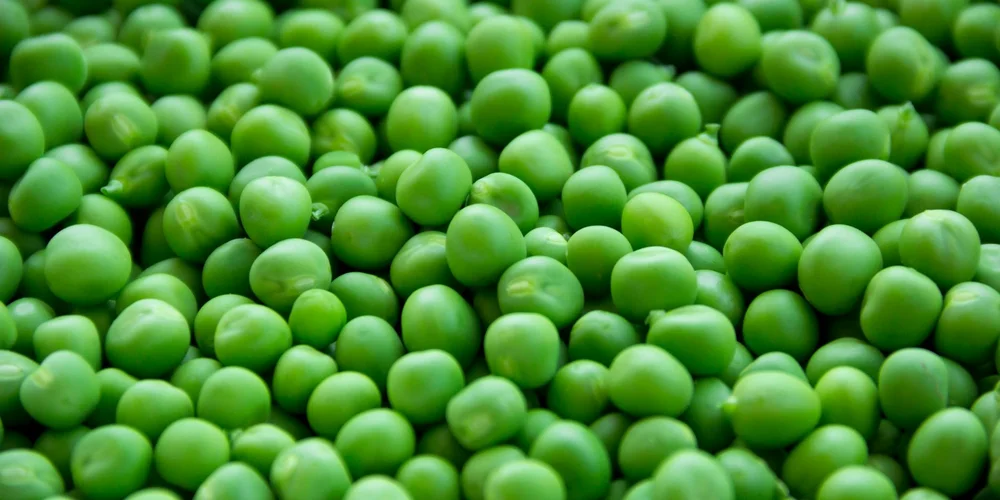
Leafy Greens for Daily Feeding
These should form the cornerstone of your homegrown menu. They are typically easy to grow and provide a reliable base.
- Collard Greens
- Mustard Greens
- Endive and Escarole
- Turnip Greens
A steady supply of these greens ensures your turtle gets the fiber and calcium it needs for daily health. I always have a row of collards growing; they’re a steadfast favorite.
Dandelion Greens and Other Weeds
Don’t dismiss the “weeds” in your yard-many are turtle superfoods. Dandelion greens are a powerhouse of calcium and vitamin A, far surpassing many cultivated plants. Just be 100% certain they haven’t been treated with pesticides or herbicides.
Other safe, foragable options include:
- Plantain (the broadleaf weed, not the fruit)
- Clover
- Chickweed
Herbs for Variety and Flavor
Herbs are wonderful for adding a burst of new scent and taste to meals. Introducing herbs like basil or mint can stimulate a picky eater’s appetite and provide beneficial antioxidants. Orwell, my box turtle, is particularly fond of the occasional parsley sprig.
Excellent herb choices include:
- Parsley (in moderation)
- Basil
- Cilantro
- Mint
Vegetables and Occasional Treats
These plants add excitement and variety but should be given less frequently than the staple greens. Think of these as the special weekend meals that break up the weekly routine. Their higher sugar or water content means they’re best in moderation.
My go-to garden treats are:
- Zucchini and Summer Squash
- Pumpkin (the flesh, not the sugary pie filling)
- Carrot Tops (the greens, not the orange root)
- Bell Peppers (seeds removed)
How to Start Your Turtle Food Garden
Planning Your Garden Space
Choose a sunny, sheltered spot that gets at least six hours of direct sunlight daily. This mimics the natural basking areas turtles like my Russian tortoise Austen enjoy, promoting healthy plant growth. I started with a simple raised bed for Austen and Bronte, using untreated wood to avoid chemicals. If space is tight, containers work beautifully-just ensure they have drainage holes to prevent waterlogging.
Measure your available area and sketch a rough layout. A small 3×3 foot plot can yield enough greens for a medium-sized turtle like Orwell, my box turtle, reducing store-bought reliance. Consider accessibility for easy watering and harvesting, placing it where you can monitor plant health regularly.
Selecting and Planting Safe Greens
Pick plants that are non-toxic and nutrient-rich for turtles. Based on my years with Austen, Bronte, and Orwell, I always include dandelion greens, clover, and hibiscus leaves for variety and vitamins. Many turtles also enjoy safe, edible flowers as part of their diet, such as dandelion blossoms or hibiscus flowers, when grown without pesticides. Flowers can be a tasty, nutritious supplement to greens. Avoid plants like ivy or oleander, which can harm your pet.
- Source seeds or seedlings from organic suppliers to ensure no pesticides are present.
- Prepare soil with compost for richness-I mix in worm castings for extra nutrients.
- Sow seeds at the depth recommended on packets, spacing them to allow room for growth.
Plant in stages for a continuous supply. I stagger plantings every two weeks so Bronte never runs out of fresh snacks. Label each section to track what’s growing and when it’s ready for harvest.
Initial Watering and Care Steps
Water gently after planting to settle the soil without washing seeds away. Keep the soil moist but not soggy, as overwatering can lead to root rot, something I learned early on with Orwell’s favorite patch. Use a watering can with a fine spray to avoid disturbing young plants.
- Check soil moisture daily by touching the top inch-if dry, it’s time to water.
- Mulch with straw or leaves to retain moisture and suppress weeds naturally.
- Monitor for signs of growth, typically within 7-14 days, and thin seedlings if crowded.
Protect young plants from extreme weather. I use lightweight row covers to shield them from heavy rain or pests, ensuring a strong start. This simple step has saved many of Austen’s meals from being ruined.
Caring for Your Edible Garden
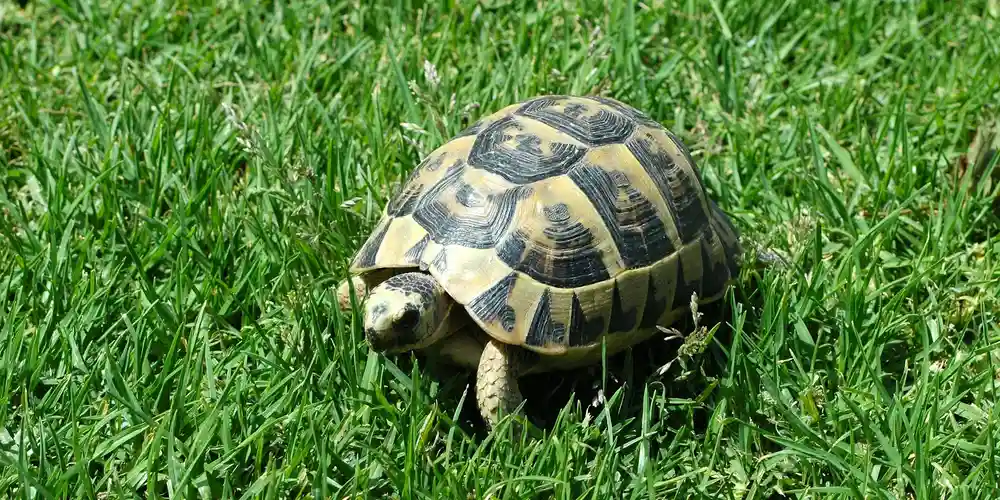
Watering and Light Requirements
Water in the early morning to reduce evaporation and prevent fungal issues. Aim for consistent moisture, like a damp sponge, to support lush growth that turtles like Bronte find irresistible. During hot spells, I water every other day, but always adjust based on rainfall and soil feel.
Ensure plants receive ample light-most edible greens thrive in full sun. If growing indoors, use a grow light for 10-12 hours daily, mimicking the natural cycles my tortoises experience. Rotate containers occasionally for even exposure, preventing leggy plants.
Dealing with Pests Naturally
Avoid chemical pesticides to protect your turtle’s health. I rely on companion planting, like marigolds, to repel aphids and other pests from Orwell’s food source. This method is safe and enhances garden biodiversity. That way, you can feed terrestrial turtles a varied diet of weeds, insects, and fruits. It also supports a steady supply of these foods right from your garden.
- Handpick larger pests, such as snails, and relocate them away from the garden.
- Spray a diluted neem oil solution on affected leaves to deter insects without harm.
- Encourage beneficial insects, like ladybugs, by planting flowers nearby.
Inspect plants weekly for early signs of trouble. Catching issues quickly has saved my harvests multiple times, keeping Austen’s diet pure and wholesome. Remember, a healthy garden means a happy, well-fed turtle.
Harvesting and Storing Turtle Food
Harvest leaves when they’re young and tender for peak nutrition. Use clean scissors to cut outer leaves, allowing the plant to regrow-this technique keeps Bronte’s supply steady for weeks. Avoid pulling plants by the roots unless you’re replanting.
- Rinse harvested greens gently to remove dirt and debris.
- Pat them dry with a towel to prevent mold during storage.
- Store in a breathable container in the refrigerator for up to five days.
Freeze excess greens for later use. I blanch dandelion leaves briefly before freezing to preserve nutrients, ensuring Austen has treats even in colder months. Always offer fresh options first to maximize benefits for your turtle’s well-being.
Avoiding Toxic Plants in Your Turtle Garden
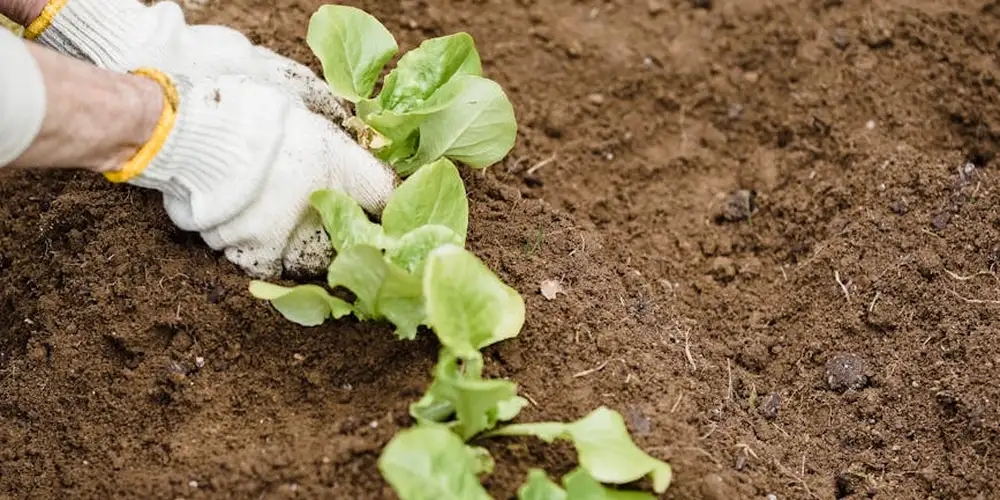
Common Toxic Plants to Steer Clear Of
Creating a safe grazing space is your top priority. I learned this the hard way when my curious box turtle, Orwell, once took a nibble of a decorative plant I hadn’t properly identified.
Some common garden plants can cause serious digestive upset, neurological issues, or worse for your shelled friend.
- Rhubarb: The leaves contain high levels of oxalic acid, which is toxic to reptiles.
- Nightshades: This family includes tomatoes, potatoes, and eggplants. While the ripe tomato fruit is sometimes debated, the leaves and vines are definitively poisonous.
- Foxglove and Oleander: These beautiful flowering plants are highly toxic to nearly all animals, including turtles.
- Daffodils and Tulips: The bulbs are the most dangerous part, but it’s safest to exclude the entire plant.
- Avocado: All parts of the avocado plant, especially the leaves and pit, contain persin, a fungicidal toxin.
Safe Alternatives and Substitutions
You don’t have to sacrifice a beautiful garden for safety. My own turtle enclosure is lush with edible and visually appealing plants. Some of these plants are safe for turtles or tortoises, providing enrichment, while others are unsafe and kept out of reach. It’s important to choose plants carefully for a healthy, safe turtle or tortoise enclosure.
Focus on cultivating a vibrant patch of these turtle-approved greens that are both nutritious and safe.
- Swap ornamental flowers for edible ones: Plant nasturtiums, hibiscus, or rose petals. My Greek tortoise, Bronte, adores the occasional hibiscus flower treat.
- Grow a “salad bar” of leafy greens: Dandelion greens, clover, and plantain are hardy, easy-to-grow weeds that are packed with nutrients.
- Incorporate safe herbs: Mint, basil, and parsley are excellent aromatic choices that many turtles enjoy.
- Use hardy succulents: Certain sedums and hen-and-chicks (Sempervivum) are safe, drought-tolerant, and add great texture.
Tips from Experienced Turtle Owners
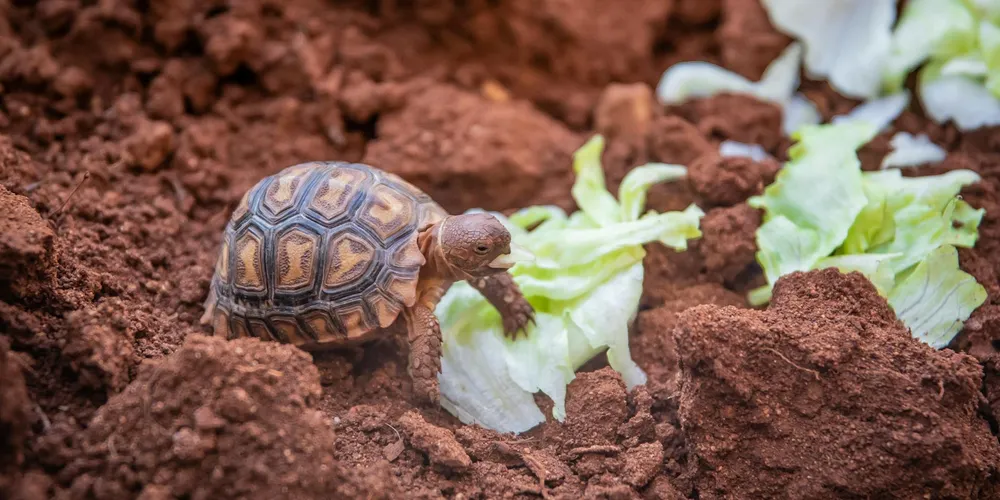
Seasonal Gardening Adjustments
Your turtle’s edible garden is a living system that changes with the seasons. I adjust my care for Austen and Bronte’s outdoor pen throughout the year. In my seasonal turtle care guide, I tailor routines for spring, summer, fall, and winter. This keeps their habitat safe and thriving as conditions shift.
A little foresight in spring and autumn ensures a steady food supply and keeps your turtles healthy.
- Spring Planting: Start your cool-weather crops like dandelion and clover early. This gives them a head start before the summer heat.
- Summer Shade: Use taller plants or a small shade cloth to protect more delicate greens from scorching in peak summer. This also creates cool hiding spots.
- Autumn Harvest: As growth slows, I deliberately let some plants like broadleaf plantain go to seed. This ensures they’ll self-sow for the next year.
- Winter Prep: In colder climates, I grow a small indoor tray of wheatgrass and clover on a sunny windowsill. It provides fresh greens when the outdoor garden is dormant.
Encouraging Picky Eaters
Not every turtle will immediately dive into a new green. Orwell was notoriously fussy, requiring a bit of creativity to expand his diet.
The key is patience and presentation, turning new foods into an irresistible discovery.
- Chop and Mix: Finely chop a new, safe plant and mix it thoroughly with a food they already love. They’ll inevitably taste the new item while eating their favorite.
- Create Texture Variety: Some turtles prefer broad leaves, others like finely shredded greens. Experiment to see what texture your turtle finds most appealing.
- Use the “Living Salad” Method: Instead of picking leaves, let your turtle graze directly from the living plant. The act of foraging can stimulate their appetite.
- Be Consistent: Offer the new food repeatedly, even if they ignore it at first. It can take over a dozen introductions before a cautious turtle decides to try it.
FAQs
Can turtles eat fruits from a home garden?
Yes, some fruits like strawberries or melons are safe as occasional treats due to their sugar content. Always remove seeds and offer in moderation to prevent digestive issues.
How do I identify a safe plant if it’s not listed in guides?
Consult reputable sources like veterinary websites or turtle care books that specialize in reptile-safe flora. Avoid any plant with unknown toxicity, and when in doubt, stick to well-documented options. To apply this guidance to feeding, this guide focuses on aquatic plants that turtles can safely eat. It will help you identify safe options and how to offer them as part of a balanced diet.
What is the best frequency for feeding homegrown plants to my turtle?
Offer leafy greens daily as a staple, while treats like herbs or vegetables can be given 2-3 times weekly. Adjust based on your turtle’s species, age, and overall diet to maintain balance. For detailed guidelines, check out our feeding schedule for turtles.
Are organic fertilizers safe to use in a turtle food garden?
Yes, organic options like compost or worm castings are generally safe and enrich soil without harmful chemicals. Avoid synthetic fertilizers or pesticides that could residue on plants and harm your turtle, especially when you’re creating a bio-secure environment for your pet turtle.
Can I grow turtle food entirely indoors year-round?
Absolutely, using containers with drainage and a grow light can provide a consistent supply in any season. Focus on easy-to-grow plants like clover or basil that thrive in controlled environments.
Cultivating Care Through Your Garden
Focus on cultivating a variety of safe, nutrient-rich plants like dandelion greens and hibiscus, ensuring your turtle’s diet is both balanced and engaging. A well-planned edible garden provides not just food, but environmental enrichment that mimics their natural foraging behaviors.
Responsible turtle ownership means observing how your pet interacts with this homegrown bounty and adjusting your garden accordingly. Commit to this journey of continuous learning; your growing knowledge is as vital to their well-being as the food you so lovingly provide. Whether your turtle is aquatic or terrestrial, daily care routines—from water changes and filter upkeep to basking spots and substrate safety—shape their health and happiness. Comparing these needs helps you tailor care to your pet’s unique lifestyle.
Further Reading & Sources
- Safe Plants for the Planted Turtle Aquarium – Habitats and Equipment – Turtle Forum
- 5 Best Turtle-Safe Plants for a Thriving Tank – Glass Grown Aquatics
- r/turtle on Reddit: What plants can go in Red Eared Slider tank that won’t hurt the turtle
- Turtle Safe Aquatic Plant Packs – Wetplants
Matthew is a dedicated turtle enthusiast and conservationist with over 15 years of experience in reptile care. Known affectionately as "The Leatherback" among his peers, he combines his passion for turtles with a commitment to educating pet owners on responsible turtle care and environmental stewardship.
Common Turtle Foods