
Safe and Unsafe Plants for Your Turtle or Tortoise Enclosure
Published on: December 30, 2025 | Last Updated: December 30, 2025
Written By: Matthew The
If you’re creating a home for your turtle or tortoise, you might be worried about picking plants that could harm your pet instead of helping them thrive. From my own journey with Austen, Bronte, and Orwell, I’ve seen how the wrong greenery can cause stress or health issues, so let’s start with confidence and care for your shelled companion.
We’ll cover: safe plant options, toxic plants to avoid, and practical steps for a healthy enclosure setup.
Why Your Pet’s Plant Choices Matter
Choosing the right plants isn’t just about decoration. Every leaf and flower you place in the habitat becomes part of your turtle’s world, and potentially, their next meal. I learned this the hard way when my curious box turtle, Orwell, decided to sample a plant I hadn’t properly vetted. It was a stressful vet visit that taught me to be more diligent.
Your selections directly impact their health and safety. The wrong plant can be toxic, causing anything from mild digestive upset to severe, life-threatening illness. Creating a safe enclosure is your first and most important line of defense for their well-being.
Beyond safety, the right plants provide vital enrichment and nutrition. They mimic a natural foraging environment, which is crucial for your pet’s mental and physical stimulation. Watching my tortoises, Austen and Bronte, deliberately seek out and nibble on their favorite greens is a clear sign of a contented animal.
Safe and Nutritious Edible Plants
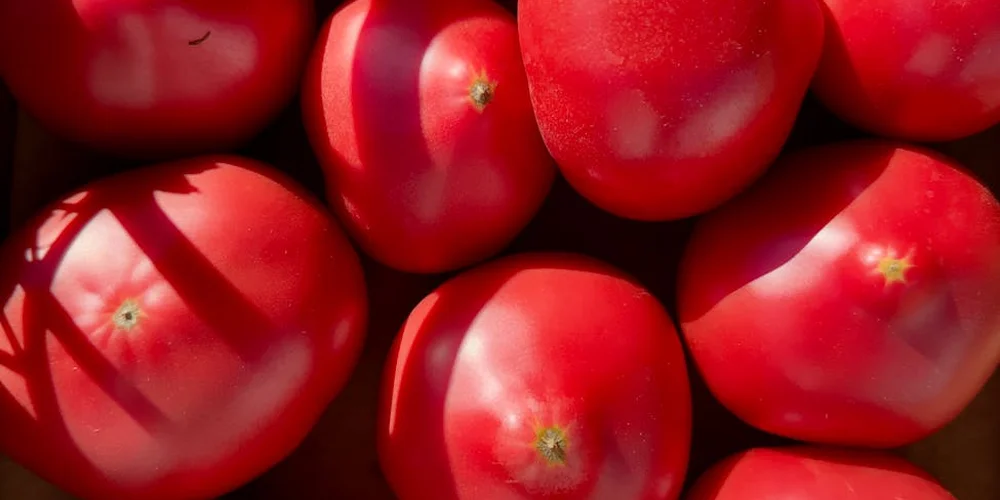
Focusing on edible plants transforms the enclosure into a living salad bar. These plants offer a fresh, pesticide-free source of vitamins and fiber that complements their main diet. I always grow a few of these in pots that I can rotate into their space, ensuring a constant supply.
Excellent Leafy Greens
These are the workhorses of a turtle’s plant-based diet. They are generally low in oxalates and provide good hydration. Keeping essential water quality parameters in check is vital for a healthy turtle tank. Regular testing of ammonia, nitrite, nitrate, pH, and temperature helps maintain a safe aquatic environment for your turtles.
- Collard Greens: A calcium-rich staple that my Russian tortoise, Austen, devours with gusto.
- Dandelion Greens: Don’t weed them out! The entire plant-leaf, flower, and root-is safe and highly nutritious.
- Endive and Escarole: These have a slightly bitter taste that many tortoises enjoy, and they are great for adding variety.
- Turnip Greens: Another fantastic option packed with vitamins A and K.
Beneficial Herbs and Flowers
These add flavor, variety, and medicinal properties to their environment. I often plant these around the edges of the enclosure.
- Hibiscus Flowers: A real treat! Both the flowers and leaves are safe, and my turtles find them irresistible.
- Rose Petals: Ensure they are from bushes not treated with pesticides. They are a sweet, occasional snack.
- Mint: It’s safe and can help with digestion, but plant it in a container as it spreads aggressively.
- Basil: A fragrant herb that is perfectly safe for them to nibble on.
Grasses and Succulents
These are excellent for grazing species and add interesting texture to the habitat.
- Wheatgrass: Easy to grow and provides a great source of fiber for grazing.
- Spider Plant: Non-toxic and very hardy, it can withstand a bit of trampling and nibbling.
- Hens and Chicks (Sempervivum): These succulents are safe and add a beautiful, low-growing element to the landscape.
Creating a Safe Plant Menu for Different Species
Tailoring plant choices to your turtle or tortoise’s species is like crafting a personalized diet – it keeps them healthy and happy. I’ve learned through caring for Austen, my Russian Tortoise, that he thrives on fibrous, leafy greens, while Bronte, my Greek Tortoise, prefers more delicate flowers. Start by researching your pet’s natural habitat and dietary preferences to build a safe, varied menu. This approach is exactly what the feed your pet turtle ultimate beginners guide covers for new keepers. It walks you through safe greens, proper portions, and a simple rotation plan.
Herbivorous Tortoises Like Russian and Greek Species
For species such as Russian and Greek tortoises, focus on edible weeds and flowers they’d encounter in the wild. In my enclosure setups, I include plants like dandelions and clover, which Austen and Bronte nibble on daily without any issues. These options mimic their natural foraging behavior and provide essential nutrients.
- Dandelion greens and flowers: High in calcium and fiber.
- Hibiscus leaves and blooms: Rich in vitamins and a favorite of Bronte’s.
- Plantain weeds: Easy to grow and packed with minerals.
- Mulberry leaves: Soft and palatable for steady eaters like Austen.
Semi-Aquatic Turtles Like Box Turtles
Box turtles, such as my reserved Orwell, enjoy a mix of land and water plants. I’ve found that incorporating aquatic-friendly greens helps Orwell stay hydrated and engaged. Live plants in turtle habitats can provide moisture, shade, and enrichment. Always ensure plants are pesticide-free and rinsed thoroughly to avoid contaminants.
- Water lettuce: Floats easily and provides shade.
- Duckweed: A quick-growing snack that turtles love.
- Spider plants: Non-toxic and great for hiding spots.
- Boston fern: Adds humidity and is safe for occasional munching.
General Tips for All Species
Rotate plants regularly to prevent boredom and nutrient deficiencies. Observing my pets’ reactions over the years has taught me that variety reduces stress and encourages natural behaviors. Test new plants in small amounts first to check for any adverse effects.
- Identify your turtle or tortoise’s species and its typical diet.
- Source plants from reputable growers to avoid pesticides.
- Introduce one new plant at a time and monitor for changes in appetite or health.
- Remove any uneaten or wilted plants promptly to maintain cleanliness.
Poisonous Plants to Avoid at All Costs
Some plants can cause serious harm or even be fatal to your shelled friends, so vigilance is key. I once had a close call when Orwell wandered near oleander in my garden-it reinforced why I always double-check plant safety. Stick to known safe options and remove any suspicious vegetation from their environment immediately.
Toxic plants often contain compounds that disrupt digestion or cause organ damage. For animal welfare, I advocate erring on the side of caution and researching every plant before introduction. Below is a list of common offenders to steer clear of.
- Rhubarb leaves: Contain oxalic acid, which can lead to kidney failure.
- Avocado plants: Persin in the leaves and fruit is highly toxic to many reptiles.
- Oleander: All parts are poisonous and can cause heart issues.
- Foxglove: Contains digitalis, which affects the heart and nervous system.
- Lily of the valley: Can induce vomiting, seizures, or worse in turtles.
- Dieffenbachia: Causes oral irritation and swelling if ingested.
Why These Plants Are Dangerous
Ingesting even small amounts of toxic plants can lead to symptoms like lethargy, vomiting, or respiratory distress. Early detection saved Bronte once when she showed signs of discomfort after encountering an unknown weed-prompt removal and a vet visit made all the difference. Always keep a list of emergency contacts handy.
Safe Alternatives to Common Toxic Plants
If you’re unsure, replace risky plants with harmless substitutes. I often use spider plants or marigolds as go-to options because they’re non-toxic and easy to maintain. This simple swap protects your pet and adds beauty to the enclosure.
- Instead of ivy, try creeping Jenny for ground cover.
- Swap out azaleas with safe flowering plants like pansies.
- Replace sago palm with sturdy, edible grasses like wheatgrass.
How to Prepare and Introduce Plants to the Enclosure
Before any plant meets your shelled friend, it needs a thorough preparation. I always quarantine new plants for at least two weeks away from the main enclosure to monitor for pests or disease. This simple step has saved my enclosures from mites and fungal issues more than once.
Cleaning is your next critical task. Even plants labeled “organic” can harbor residues.
- Gently rinse the entire plant-leaves, stems, and roots-under lukewarm running water.
- For a deeper clean, I prepare a mild bath using one part 3% hydrogen peroxide to three parts water, soaking the roots for about 15 minutes.
- Rinse the plant thoroughly one final time to remove any cleaning solution residue.
Introducing the plant requires a gentle touch. Place the plant in its pot temporarily for a day or two, allowing your turtle or tortoise to investigate this new object without being able to destroy it immediately. My Russian tortoise, Austen, always needs this adjustment period to satisfy his curiosity. This cautious approach helps avoid common enclosure mistakes, such as introducing new décor too abruptly. It also helps ensure the plant remains safe and undisturbed during the tortoise’s adjustment.
After the initial introduction, you can plant it securely in the substrate. Bury the root ball deeply and consider placing smooth, flat stones around the base. This technique discourages digging right at the stem, giving the plant a fighting chance to establish itself. Watch your pet’s behavior closely for the first few days to ensure they aren’t showing excessive interest in uprooting their new greenery.
Indoor and Outdoor Enclosure Planting Tips
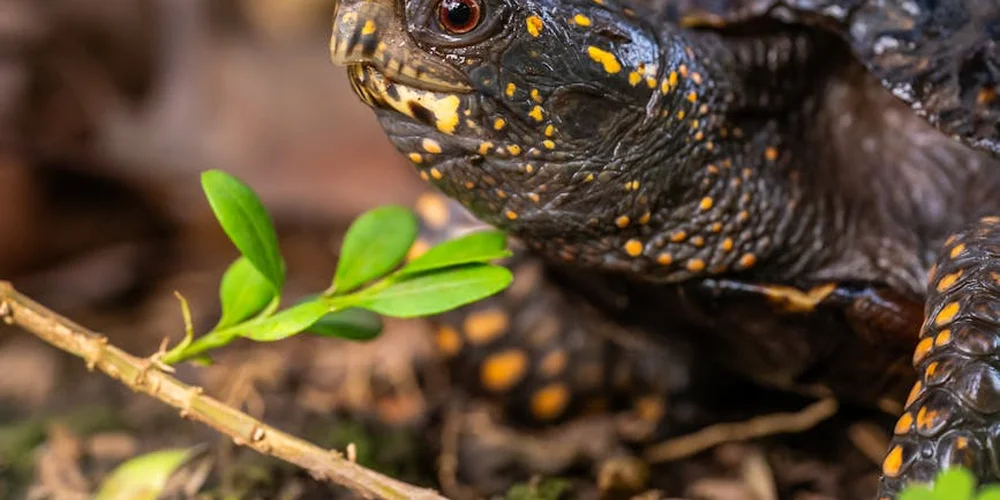
Planting strategies differ significantly between indoor and outdoor habitats. Understanding these nuances is key to creating a thriving, living landscape for your pet.
Indoor Enclosure Essentials
Lighting is the most crucial factor for indoor plants. Most edible plants and safe ornamentals require high levels of full-spectrum light, which often means investing in a dedicated plant growth bulb alongside your reptile’s UVB lamp. For turtles, UVB lighting is essential to prevent metabolic bone disease by supporting calcium metabolism. Set it up by using a reptile-specific UVB bulb and placing it at the distance recommended by the manufacturer. I keep my Greek tortoise Bronte’s enclosure on a 12-hour light cycle to mimic a natural day.
Your substrate choice directly impacts plant health.
- Create a layered system: a drainage layer of clay pebbles at the bottom, followed by a mesh barrier, then a rich, organic topsoil mixed with coconut coir.
- This setup prevents waterlogged roots, a common cause of plant failure in indoor enclosures.
Select plants that tolerate the specific humidity levels your turtle or tortoise species requires. Spider plants and certain succulents have thrived for me in arid setups, while pothos and bromeliads do well in more humid tropical turtle environments. To support these humidity needs, maintain stable humidity levels in the terrestrial habitat. Use a hygrometer to monitor and adjust with mild misting or ventilation as needed. Always research the plant’s needs alongside your pet’s requirements.
Outdoor Enclosure Strategies
Your local climate dictates everything. Choose native, non-toxic plants that are already adapted to your weather patterns, rainfall, and soil type. This approach creates a more sustainable, low-maintenance habitat. My box turtle Orwell enjoys a patch of wild strawberry and clover that grows naturally in our region.
Protection is paramount in an outdoor space.
- Create designated “plant zones” surrounded by large, immovable rocks or buried hardware cloth barriers.
- Plant densely. A thick ground cover is harder for a determined tortoise to destroy than a few isolated plants.
- Include “sacrificial” edible plants like mulberry or hibiscus bushes on the periphery to distract from your more decorative centerpieces.
Seasonal changes require forethought. In colder months, I protect the root systems of perennial plants with a thick layer of mulch before my tortoises go into their winter brumation. This ensures the plants bounce back vigorously in the spring, ready for another year of gentle nibbling and providing shade.
Recognizing and Responding to Plant Poisoning
Even with the best intentions, a curious tortoise like my Russian, Austen, might take a nibble of something they shouldn’t. Recognizing the early signs of plant poisoning can make a critical difference in your pet’s health. I’ve learned to watch for subtle changes in behavior that signal something is wrong.
Signs Your Turtle or Tortoise May Have Eaten a Toxic Plant
Look for these symptoms, which can appear suddenly or develop over hours. My Greek tortoise, Bronte, once had a bout of lethargy that tipped me off.
- Lethargy or unusual lack of movement
- Loss of appetite or refusal to eat their regular food
- Excessive drooling or bubbles around the mouth
- Swelling around the face, neck, or limbs
- Diarrhea or discolored waste
- Difficulty breathing or open-mouth breathing
- Vomiting or signs of regurgitation
Immediate Steps to Take
If you suspect your shelled friend has ingested a toxic plant, stay calm and act quickly. Your first action should always be to remove the animal from the enclosure to prevent further nibbling.
- Gently move your turtle or tortoise to a separate, plain container with no plants.
- Identify the plant you believe was eaten. Take a picture or bring a sample with you.
- Contact an exotic veterinarian immediately. Describe the plant and the symptoms you are observing.
- Do not attempt to induce vomiting or give any home remedies unless specifically instructed by the vet.
Beautiful and Functional Plant Alternatives
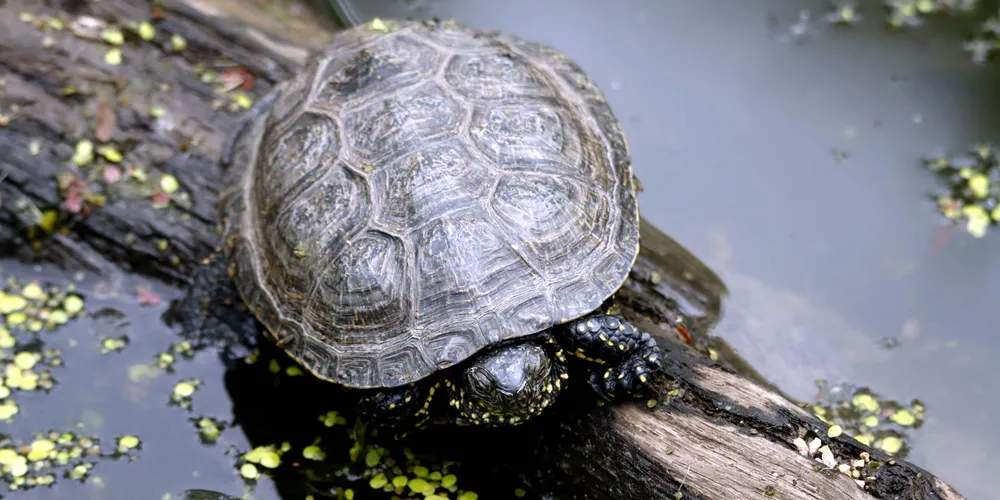
Creating a safe habitat doesn’t mean you have to sacrifice beauty. The best plants for an enclosure are both non-toxic and serve a purpose, whether as a food source, hiding spot, or enrichment. I’ve cultivated a lovely, edible landscape for my trio that they can interact with freely.
Top Safe Plant Choices for Enclosures
These are the hardy, non-toxic plants that have thrived alongside my pets. Orwell, my box turtle, particularly enjoys burrowing under the spider plants. Also, substrate safety matters in turtle enclosures—avoid toxic beddings. Steer clear of cedar or pine shavings; opt for tile, reptile carpet, or inert soils.
- Spider Plant: Extremely hardy, non-toxic, and provides excellent ground cover for shy reptiles.
- Hibiscus: Both the leaves and flowers are safe and highly nutritious for occasional consumption.
- Sedum (Stonecrop): A succulent that handles drier conditions and is perfectly safe if sampled.
- Violets: Safe, low-growing, and add a lovely splash of color to the habitat.
- Wheatgrass: Easy to grow from seed and provides a tasty, edible carpet for them to graze on.
Functional Plant Placement
Think about how your tortoise will use the space. Strategic placement turns plants into functional furniture, creating a more natural and stimulating environment. I use taller plants to create visual barriers, which helps my more reserved tortoises feel secure. When you set up a perfect indoor tortoise enclosure, consider how the layout guides movement and access to heat, light, and hides. A thoughtful plan makes daily care easier and your tortoise happier.
- Use sturdy, broad-leafed plants to create shaded areas and cool hiding spots.
- Plant edible varieties along frequently traveled paths to encourage natural grazing behaviors.
- Place trailing plants near hides or rocks to create a more secluded, den-like feel.
- Ensure all plants are planted in organic, fertilizer-free soil to prevent chemical exposure.
| Plant Name | Light Requirement | Best For | My Tortoise’s Favorite |
|---|---|---|---|
| Spider Plant | Low to Bright Indirect | Ground Cover, Hiding | Orwell (Box Turtle) |
| Hibiscus | Bright, Direct Light | Edible Leaves & Flowers | Bronte (Greek Tortoise) |
| Wheatgrass | Bright Light | Grazing, Enrichment | Austen (Russian Tortoise) |
Common Questions
Where can I find tortoise safe plants for sale?
Look for reputable reptile supply stores, specialized online nurseries, or local plant sellers who guarantee their plants are grown without pesticides. You can also grow many safe plants, like dandelions or spider plants, from seed or cuttings to ensure their safety.
What are the best tortoise safe plants for an enclosure?
The best plants are non-toxic, hardy enough to withstand some trampling, and serve as a food source, such as hibiscus, spider plants, and edible grasses like wheatgrass. When you create a safe outdoor enclosure for your tortoise, choose plants that are non-toxic and sturdy enough to withstand outdoor conditions. Focus on species that mimic your tortoise’s natural diet and provide both enrichment and cover within the habitat.
Can I use tortoise safe plants indoors?
Yes, many safe plants thrive indoors with proper full-spectrum lighting that mimics their natural needs. Hardy, non-toxic choices like spider plants, certain succulents, and herbs are excellent for adding a living element to an indoor enclosure.
What are safe plants for a Sulcata tortoise?
Sulcata tortoises are grazers, so safe plants for them include grasses like wheatgrass and Bermuda grass, along with edible, fibrous weeds like dandelion and plantain. These options provide the high-fiber diet essential for their digestive health and mimic their natural foraging behavior.
What plants are safe for a Hermann’s tortoise enclosure?
Hermann’s tortoises thrive on a diet rich in leafy weeds and flowers, making plants like dandelion, hibiscus, and clover excellent and safe choices. Incorporating a variety of these plants helps replicate the diverse, fibrous Mediterranean flora they would naturally consume.
Cultivating a Safe Habitat
Always choose non-toxic, pesticide-free plants that can handle a little nibbling, and meticulously research any new addition before it enters the enclosure. This simple practice, combined with providing a varied, appropriate diet, is the foundation of a thriving and secure habitat for your shelled companion.
Being a responsible pet owner means committing to a lifetime of learning about your animal’s specific needs. Your dedication to understanding and improving their environment is a beautiful expression of the bond you share, so keep exploring and growing alongside your turtle or tortoise. For more information, check out how to care for land and aquatic turtles.
Further Reading & Sources
- Live plants safe for Box turtles | Tortoise Forum
- 40 Box Turtle Safe Plants For Enclosures – All Turtles
- 5 Best Turtle-Safe Plants for a Thriving Tank – Glass Grown Aquatics
- Making a Garden for Pet Turtles – Fine Gardening
Matthew is a dedicated turtle enthusiast and conservationist with over 15 years of experience in reptile care. Known affectionately as "The Leatherback" among his peers, he combines his passion for turtles with a commitment to educating pet owners on responsible turtle care and environmental stewardship.
Common Hazards