
Box Turtle Cost: Your Complete Price Guide for New Owners
Thinking about bringing a box turtle home and worried about the financial surprises? I remember feeling that same uncertainty when Orwell, my reserved but clever 7-year-old box turtle, joined our family-getting the costs right from day one ensures they thrive.
We’ll explore: initial purchase, habitat setup, food and supplies, veterinary expenses, and ongoing care.
Initial Purchase Price of a Box Turtle
When you decide to bring a box turtle home, the first cost you’ll face is the purchase price itself. Prices can range from $50 to over $200, depending on factors like species, age, and where you buy them. I remember getting Orwell, my box turtle, for about $120 from a trusted breeder who prioritized healthy, captive-bred animals. Buying from breeders often costs more but supports ethical practices, while pet stores might offer lower prices but come with health risks. Rescues are a budget-friendly option, sometimes under $50, and you give a turtle a second chance at life. Always check for signs of good health, like clear eyes and active behavior, to avoid costly vet bills later.
- Breeders: $100-$250 for common species
- Pet stores: $50-$150, but inspect carefully
- Rescues or shelters: $20-$80, including initial vet care
- Factors affecting price: age, rarity, and shell condition
Investing in a healthy turtle from the start saves money and stress down the road. I’ve learned that skipping corners here can lead to bigger expenses, so choose wisely for your new friend’s sake.
Essential Habitat Setup and Enclosure Costs
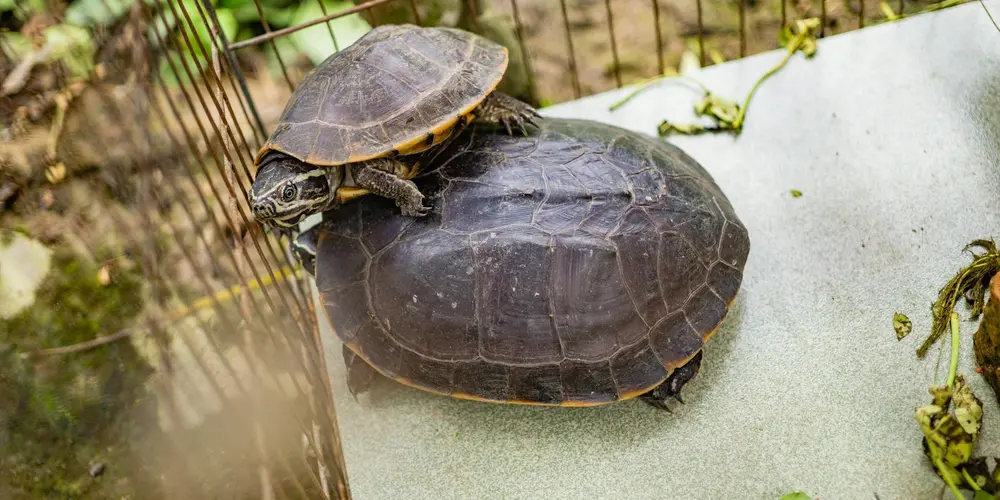
Creating a comfortable home for your box turtle is non-negotiable for their well-being. Proper setup prevents health issues and mimics their natural environment, which I’ve seen keep Orwell thriving over the years. This part of ownership requires an upfront investment, but it pays off in your turtle’s happiness and longevity. Think of it as building a safe haven where they can explore, hide, and bask just like in the wild.
Terrarium and Substrate Expenses
A good terrarium is the foundation of your turtle’s habitat. For an adult box turtle like Orwell, I recommend a 40-gallon tank or larger, costing $100 to $300 new, or $50 to $150 if you find a used one in good condition. Size matters: the tank should be roomy enough for Orwell to move around and bask. If space is limited, consider a larger enclosure when possible. Glass or plastic enclosures work well, but ensure they have secure lids to prevent escapes. Substrate, or bedding, is crucial for burrowing and moisture—Orwell loves digging in a mix of topsoil and coconut coir. Avoid cheap options like gravel, which can harm their shells.
- Terrarium: $100-$300 for new; $50-$150 used
- Substrate: $20-$50 for a bag that lasts months
- Popular choices: coconut coir, cypress mulch, or organic soil
- Extra items: hiding spots ($10-$30) and shallow water dishes ($5-$15)
Setting up the right environment from day one reduces stress and encourages natural behaviors. I’ve found that a well-chosen substrate makes cleaning easier and keeps your turtle content. A proper substrate also supports digging and nesting by providing space to burrow and helping maintain the right moisture. When done right, it helps your turtle express instinctual nesting behaviors in a safe, natural setup.
Lighting, Heating, and Habitat Electronics
Box turtles need specific lighting and heating to stay healthy, much like they’d get from the sun outdoors. Without proper UVB light, they can develop metabolic bone disease, which I’ve helped friends avoid by investing in quality equipment. A full setup includes UVB bulbs, heat lamps, and thermometers to monitor conditions. Orwell’s enclosure uses a timer for consistent day-night cycles, which mimics his natural rhythm and keeps him active. Do box turtles need UVB lighting and heat lamps?
- UVB light: $30-$60 for a bulb that lasts 6-12 months
- Heat lamp and bulb: $20-$40 to maintain a basking spot of 85-90°F
- Thermometer and hygrometer: $10-$25 to track temperature and humidity
- Timer: $10-$20 for automated lighting cycles
Regularly replacing bulbs ensures your turtle gets the UV rays they need for shell and bone health. This upfront cost is a small price for preventing vet visits and ensuring a long, vibrant life.
Ongoing Monthly Maintenance and Food Budget
Diet, Supplements, and Feeding Supplies
Feeding a box turtle is more complex than just tossing in some lettuce. Their diet must be varied, mimicking what they’d forage for in the wild to ensure they get all necessary nutrients. From my years with Orwell, I’ve learned they thrive on a rotation of protein, vegetables, and fruits.
Here is a typical monthly shopping list and its estimated cost:
- Fresh Produce (dark leafy greens, squash, berries): $15 – $25
- Protein Sources (earthworms, slugs, cooked chicken): $10 – $20
- Calcium Supplement (powdered, dusted on food 2-3 times weekly): $5 – $10
- Multivitamin Supplement (powdered, used once weekly): $5 – $8
You’ll also need a few basic supplies for feeding time.
- A shallow, heavy ceramic dish for food ($8 – $15). This prevents tipping.
- A separate, similar dish for fresh water ($8 – $15).
- A pair of dedicated feeding tweezers for offering protein ($4 – $7).
This brings the total ongoing monthly food and supply cost to a manageable $40 – $75, depending on where you source your items. I find buying worms from a bait shop and growing my own greens keeps Orwell’s costs on the lower end.
Veterinary Care and Health Expense Planning
Preventive Wellness and Common Health Issues
A proactive approach to veterinary care is the single best way to manage long-term costs. Finding an experienced reptile vet *before* you have an emergency is a critical first step for any responsible owner. My first exotic vet visit for Austen was purely educational, and it was worth every penny.
Budget for these essential preventive care visits:
- Initial Wellness Check-up: $75 – $150. This establishes a baseline.
- Annual Check-up: $50 – $100. A yearly exam catches small issues early.
- Fecal Exam: $25 – $45. This test for internal parasites should be done annually.
Even with perfect care, box turtles can develop health problems. Being financially prepared for these potential issues is a core part of pet ownership. Common ailments often stem from dietary or habitat imbalances. Many owners wonder what the most common health issues box turtles face. Understanding these common problems helps with early detection and timely care.
- Respiratory Infection: $200 – $500 for diagnostics, medication, and follow-ups.
- Metabolic Bone Disease (from poor diet/lighting): Treatment can cost $300 – $800+ for X-rays, calcium injections, and habitat corrections.
- Shell Repair (from injury): A complex procedure can easily exceed $600.
- Parasite Treatment: $100 – $250 for medication and re-testing.
I strongly recommend setting aside $20-$40 a month into a dedicated turtle health fund to avoid financial stress during a veterinary emergency. This fund doubles as a dedicated emergency fund for your turtle’s vet care, helping cover exams, meds, and treatments when they’re needed. Being prepared means you can seek timely care rather than delaying due to cost. This small, consistent savings builds a safety net for your shelled friend’s well-being.
Hidden and Unexpected Ownership Costs

When I brought Orwell home, the initial setup felt manageable. The real financial journey began with the ongoing, often overlooked expenses that keep a turtle thriving, not just surviving. These costs can quietly add up if you aren’t prepared.
Veterinary Care
Reptile vets are specialists, and their expertise comes at a premium. A routine wellness check can cost between $75 and $150, and that’s when your turtle is perfectly healthy. If Orwell needs parasite treatment or has a respiratory infection, the bill can easily climb to $300 or more. Understanding turtle vet costs—including checkups and common medical expenses—can help you budget and plan preventive care. Being prepared also reduces stress if a more intensive visit becomes necessary.
Supplements and Medications
A balanced diet requires more than just greens and protein. You will need a constant supply of calcium powder and a multivitamin supplement to prevent metabolic bone disease. I dust Orwell’s food twice a week. A good-quality calcium powder costs around $15 and lasts a few months.
Substrate and Bedding
Your turtle’s flooring isn’t a one-time purchase. You must replace the substrate entirely every few months to maintain hygiene and prevent mold. I use a mix of coconut coir and cypress mulch for Orwell, which costs about $20-$30 per full enclosure change.
Equipment Replacement
Heating and lighting elements don’t last forever. Your UVB bulb, critical for your turtle’s shell and bone health, must be replaced every 6 to 12 months, even if it still lights up. The UV output diminishes over time. A new bulb costs $30-$50. Heat lamps also burn out periodically. To keep your turtle thriving, diagnose your setup with a quick habitat checklist focused on lighting, heat, and water. This helps you see when it’s time to replace bulbs or adjust temps.
Unexpected Repairs
Turtles are surprisingly strong. I’ve had to replace a dome lamp fixture after Orwell repeatedly bashed into it, and I know owners who’ve had to repair or replace screen tops their turtles managed to dislodge. It’s wise to have a small fund for these little accidents.
Total Cost Breakdown: First Year and Annual Estimates
Looking at the numbers holistically helps you plan responsibly. Based on my experience with Orwell and general market prices, here is a realistic financial picture. Remember, these are estimates and can vary based on your location and choices.
First-Year Total Investment
The first year is always the most expensive as you acquire everything. You are looking at a significant initial outlay to ensure a proper, healthy start for your new shelled friend.
- Enclosure/Tank: $150 – $400
- Heating & Lighting Setup: $100 – $200
- Initial Decor & Substrate: $80 – $150
- The Turtle Itself: $50 – $250
- Initial Vet Check-up: $75 – $150
- First Year’s Food & Supplies: $150 – $300
Your total first-year investment will likely range from $605 to $1,450. This establishes a foundation for a long, healthy life.
Recurring Annual Costs
After the first year, costs become more predictable and manageable. Your annual budget will focus on maintenance, consumables, and health care. This is the long-term financial commitment.
- High-Quality Food: $120 – $250
- Substrate & Bedding: $60 – $100
- UVB Bulb Replacement: $30 – $50
- Supplements: $30 – $50
- Annual Vet Wellness Visit: $75 – $150
- Miscellaneous/Replacements: $50 – $100
Plan for recurring annual costs between $365 and $700. Setting aside a little money each month makes these expenses much easier to handle when they arise.
Is a Box Turtle Worth the Financial Commitment?

Looking at a spreadsheet of expenses can feel overwhelming. But the true value of a box turtle isn’t found in a receipt; it’s measured in the quiet, steady companionship they offer over decades. I’ve shared my home with Orwell for seven years, and while I’ve certainly written checks, the return on investment has been priceless.
Weighing the Costs Against the Experience
You’re not just buying an animal; you’re funding a tiny, fascinating ecosystem and a long-term relationship. This financial commitment directly translates into the quality and length of your turtle’s life. A proper enclosure isn’t an optional luxury—it’s their entire world. Many first-time owners miss the hidden costs that pile up over time—heat, lighting (UVB), substrate, and routine vet care. Being aware of these ongoing expenses from the start helps you protect both your turtle’s life and your budget.
- Initial Setup: A significant one-time investment for a habitat that can last for years.
- Recurring Expenses: Food, substrate, and utilities are your ongoing contributions to their wellbeing.
- Healthcare Fund: A vital safety net for an animal that can live for 50 years or more.
A Realistic Look at Annual Ownership
Beyond the startup costs, your yearly budget will look something like this. Planning for these recurring costs prevents financial stress and ensures consistent care.
| Expense Category | Estimated Annual Cost |
|---|---|
| High-Quality Food (Protein & Veggies) | $150 – $300 |
| Substrate & Habitat Maintenance | $100 – $200 |
| UVB Bulb Replacement (Every 6-12 months) | $40 – $80 |
| Utility Cost Increase (Heating/Lighting) | $50 – $100 |
| Veterinary Wellness Check | $75 – $150 |
The Intangible Returns You Can’t Price
My box turtle, Orwell, has taught me more about patience and observation than any book. The joy comes from witnessing their unique personality unfold in slow motion. It’s the subtle thrill of seeing them meticulously hunt a worm or bask contentedly under their lamp.
- They are quiet, clean companions perfect for quieter households.
- Their daily routines offer a grounding, mindful rhythm to your own life.
- You become a steward for a remarkable creature with complex needs and behaviors.
Caring for a box turtle is a lesson in gentle consistency, a commitment that rewards you with a profound connection to a different kind of life. If you’re prepared for the responsibility, both financial and temporal, the value far exceeds the cost.
FAQs
How much does a box turtle cost near me?
Local prices can differ due to regional availability and breeder density. Always verify costs with nearby pet stores, rescues, or exotic veterinarians for accurate estimates.
What is the average box turtle cost in the USA?
Across the United States, expect to pay between $50 and $250 for common species from reputable sources. Factors like rarity and demand can cause fluctuations in different states.
What are the symptoms of box turtle constipation?
Look for signs such as no feces in the enclosure, reduced activity, or a swollen abdomen. Prompt veterinary care is essential to address underlying health issues.
Why is my box turtle constantly sitting in water?
This may signal dehydration, skin irritation, or incorrect habitat humidity levels. If you’re asking how to tell if your turtle is sick, watch for unusual lethargy, appetite loss, or swelling. Monitor your turtle’s behavior and adjust water access and enclosure conditions as needed.
Are there home remedies for box turtle constipation?
Gentle warm water soaks can encourage defecation and provide relief. Consult a reptile veterinarian to rule out serious conditions before attempting any remedies.
Embracing the Steady Pace of Box Turtle Ownership
After seven years with Orwell, my reserved but intelligent box turtle, I’ve learned that costs extend far beyond the first purchase. Investing in a proper habitat, nutritious food, and routine vet care builds a foundation for a long, content life together—one that’s well worth it when you consider the overall costs and benefits of owning a turtle.
Responsible turtle ownership is a journey of continuous growth and care. By always seeking new knowledge and prioritizing your pet’s welfare, you ensure a rewarding bond that deepens over time.
Further Reading & Sources
- Box turtle for sale | baby box turtles for sale | eastern | 3 toe ornate
- r/turtle on Reddit: Cost of box turtles?
- Tortoises & Turtles For Sale With Overnight Delivery | Big Apple Herp
- Box and Wood Turtles for Sale | 7-Day Guarantee | The Turtle Source
Matthew is a dedicated turtle enthusiast and conservationist with over 15 years of experience in reptile care. Known affectionately as "The Leatherback" among his peers, he combines his passion for turtles with a commitment to educating pet owners on responsible turtle care and environmental stewardship.
Terrestrial Turtles