
Turtle Identification and Classification: Your Simple Guide
Published on: November 18, 2025 | Last Updated: November 18, 2025
Written By: Matthew The
Have you ever looked at a turtle and felt a tug of curiosity, mixed with worry that you might not know how to help it? I remember first seeing my Russian Tortoise, Austen, and realizing that his brown and tan shell held a story I needed to understand.
We will walk through this together, covering: shell and physical traits, habitat and behavior clues, the science of classification, and why getting it right matters for their welfare.
- Spotting key features like shell shape and color patterns
- Reading behavioral hints from my own turtles’ personalities
- Breaking down classification into easy pieces
- Applying this knowledge to care for turtles responsibly
The Wonderful World of Turtles: Classification Basics
When I first started caring for my turtles, the sheer variety felt overwhelming. To tell turtles apart in a meaningful way, we use a system called taxonomy, which is simply a method for organizing all living things based on their shared characteristics. Think of it like a massive, ever-evolving library where every creature has a specific address.
Understanding Taxonomy: Genus and Species
That library “address” has two parts you’ll encounter most: genus and species. The genus is the broader group, like a last name shared by close relatives. The species is the specific first name. My Russian Tortoise, Austen, has the scientific name *Testudo horsfieldii*-‘Testudo’ is the genus, and ‘horsfieldii’ is the species. My Greek Tortoise, Bronte, is *Testudo graeca*; they share a genus but are different species. This tells me they’re close cousins with different needs.
This isn’t just academic. Knowing your turtle’s scientific name cuts through common name confusion. What one person calls a “box turtle” might be one of several species. My box turtle, Orwell, is a Terrapene carolina-that precise name gives me a true blueprint for his care, from humidity to hibernation habits. It’s the most reliable map you have.
Your Turtle’s Blueprint: Key Identification Features
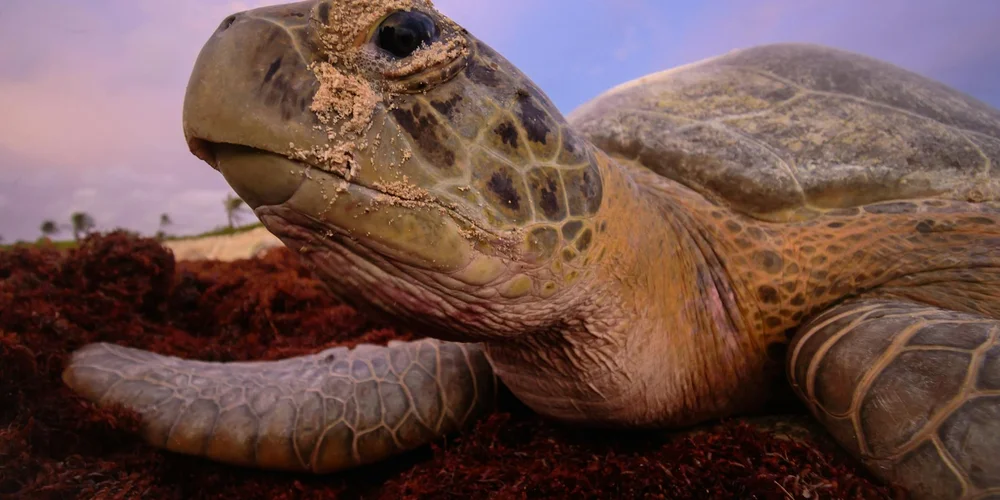
Forget guesswork. Your turtle’s body is a detailed guidebook written in scutes and scales. From shell to tail, basic turtle anatomy shows how each part supports protection and movement. Learning to read it changes everything.
Decoding the Shell: Carapace, Plastron, and Scutes
The shell is a living masterpiece, not just a helmet. The top dome is the carapace. The flat underside is the plastron. These are built from bony plates covered in scutes-those individual keratin shields you see.
- Carapace Shape: Is it highly domed like Bronte’s Greek tortoise shell, perfect for protection, or more streamlined like a aquatic slider’s?
- Scute Patterns: Count the scutes! Most land tortoises like mine have specific, starburst-like patterns. The arrangement and color are a signature.
- Plastron Hinges: This is a box turtle’s superpower. Orwell can completely close up like a little safe. If your turtle can do this, you’re likely looking at a *Terrapene* or *Cuora* species.
Running your fingers gently over Austen’s carapace, I feel the smooth, concentric growth rings on each scute-each one a record of a season of good care (or struggle). The shell tells a story.
Head, Beak, and Limb Details
Look closely at the face. The shape of the head and the structure of the beak are dead giveaways for diet and habitat.
- Beak Type: A short, blunt beak like Bronte’s is built for clipping tough grasses and weeds. A hooked, pointed beak is for tearing food.
- Head Scales: The pattern and size of scales behind the eyes vary massively between species.
- Forelimbs: Are they flat, paddle-like flippers for swimming, or stout, columnar legs with thick scales for digging? Austen’s front legs are perfect shovels.
- Hind Limbs and Tail: Elephantine back legs indicate a heavy, terrestrial tortoise. Webbed feet point to a more aquatic life.
Orwell’s intelligent, watchful eyes are set high on his head, and his limbs allow for surprising climbing escapades-traits of a woodland box turtle. Every detail is a clue. By learning this language of form, you stop seeing just a “pet turtle” and start recognizing a unique individual with a clear history written in its very bones.
A Closer Look at Common Pet Turtle Species
Spotting the Difference: Similar Species Compared
You might glance at a pet turtle and think they all look alike. I felt that way too when I first welcomed Austen and Bronte into my home. Over a decade with them, and years with Orwell, taught me that subtle clues reveal their true identities. Learning these differences ensures you meet their unique needs, which is a heartfelt part of responsible pet care.
Take Russian and Greek tortoises. Both sport domed shells and calm demeanors, but their shells tell distinct stories. Austen’s Russian tortoise shell has brown and tan plates with dark markings that flow like watercolor strokes. Bronte’s Greek tortoise shell glows golden brown with dark blotches, giving her a speckled, sun-dappled look. These patterns are not random; they reflect adaptations to different native landscapes, from steppes to scrublands.
Now, consider box turtles like Orwell. People sometimes group them with tortoises because they live on land. Orwell’s carapace is a deep brown canvas with bright yellow lines, like cracks of sunlight on forest soil. His personality is more introspective, often retreating into his shell for quiet thought. Recognizing he is not a tortoise guides you to create a moist, leafy environment he naturally craves.
Here is a side-by-side view to help you visualize the key traits.
| Species | Shell Color & Pattern | Personality | Typical Size | Care Note |
|---|---|---|---|---|
| Russian Tortoise | Brown and tan with dark markings | Gentle and steady | 6-8 inches | Needs a dry, spacious enclosure with burrowing spots. |
| Greek Tortoise | Golden brown with dark blotches | Graceful and thoughtful | 5-7 inches | Thrives on a diverse diet rich in leafy greens and flowers. |
| Box Turtle | Dark brown with yellow patterns | Reserved but intelligent | 4-6 inches | Requires high humidity and a shallow water dish for soaking. |
Look at their shell shapes next. Russian and Greek tortoises have smooth, high arches. Box turtles have a hinged lower shell that clicks shut. That hinge is a brilliant defense mechanism for box turtles like Orwell, and respecting it means never prying them open.
Watch how they move. Austen plods with a steady, deliberate rhythm across his terrain. Bronte moves with a lighter, more cautious grace. Orwell explores with slow, investigative pauses, using his beak to probe the ground. These behavioral rhythms offer daily hints about their species and individual spirits.
Examine their feet for another clue. Tortoise feet are stout and columnar, built for walking on earth. Box turtle feet have a subtle webbing and scalier texture, suited for damp ground. Getting the feet right helps you choose the correct substrate, preventing painful foot problems and advocating for their comfort. This ties into turtle anatomy—how legs, toes, and feet are built for different movements and habitats. Understanding these parts helps you see how a turtle lives.
I once met a keeper who fed a Greek tortoise like a Russian, missing the need for extra dietary variety. The tortoise lacked energy until we adjusted its meals. Accurate identification is a quiet act of love, paving the way for a long, vibrant life for your shelled friend.
A Step-by-Step Guide to Identifying Your Turtle
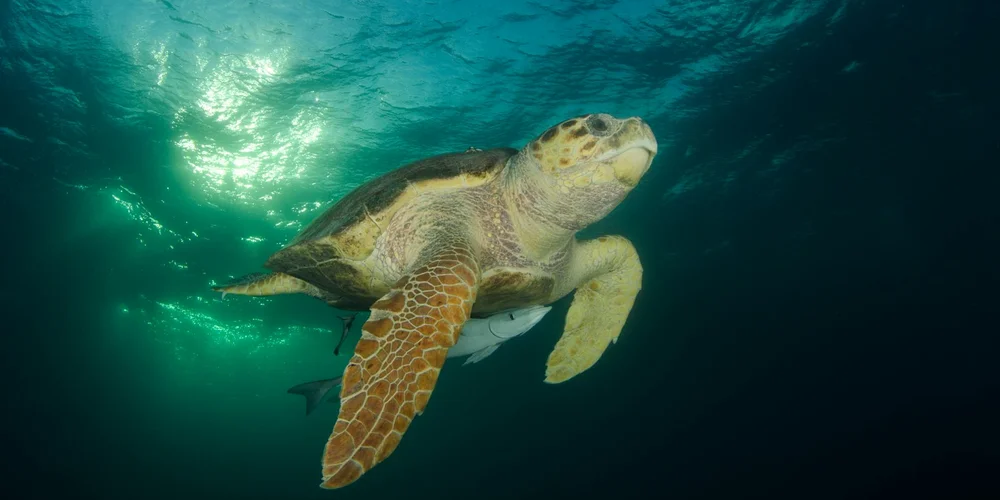
Using Diagnostic Features and Identification Keys
Figuring out your turtle’s species might feel like a puzzle at first, but I promise it’s a gentle, rewarding process. The key is to move slowly, observe calmly, and let the clues your turtle provides guide you, much like reading a map written in scutes and scales. I’ve spent many quiet afternoons with my own shelled companions, Austen, Bronte, and Orwell, learning their unique signatures. This is the kind of mindful, beginner-friendly approach you’ll find in a complete beginners guide to caring for a pet box turtle. It covers basics like enclosure, lighting, and daily care to help newcomers start right.
Start With the Shell: Your Primary Diagnostic Tool
The shell is your turtle’s biography, telling stories of its lineage and lifestyle. In turtle anatomy, the shell comprises the carapace on top and plastron beneath, with the bony plates fused to the spine and ribs. This shell biology explains how protective armor also influences movement and growth. Look at these features first:
- Shape and Profile: Is it highly domed like a helmet (like my Greek tortoise, Bronte) or relatively flat and streamlined for swimming?
- Scute Patterns: Count and observe the large scales on the carapace (top shell). The arrangement, like the beautiful dark blotches on Bronte’s golden backdrop, is a major clue.
- Keels and Texture: Some shells have a raised ridge, or keel, running down the center, while others are smooth.
- Plastron Hinges: Gently check the bottom shell. Can it close up completely like a box? My box turtle, Orwell, has this fantastic built-in door, a dead giveaway for his group.
Taking a moment to sketch or photograph the shell’s pattern from above can be incredibly helpful for later comparison, turning a fleeting observation into a permanent reference.
Move to the Head, Limbs, and Skin
Once you’ve noted the shell, bring your attention to the finer details. These are often the most distinctive features.
- Head Scales and Markings: Look for stripes behind the eyes, spots on the jaw, or unique scale shapes. My Russian tortoise, Austen, has a sweet, unmarked head, while many water turtles have vibrant stripes.
- Feet and Toes: Are the feet webbed for paddling or stout and elephantine for digging? Austen’s sturdy, scaled legs are perfect for her earthy lifestyle.
- Skin Texture and Color: Note the skin on the neck and legs. Is it smooth, bumpy, or does it have prominent tubercles?
Correct identification isn’t just a fun fact-it’s the foundation of proper care, ensuring you meet your pet’s specific dietary, lighting, and habitat needs for a long, healthy life.
How to Use an Identification Key
An identification key sounds scientific, but think of it as a friendly, decision-tree flowchart made of words. You start at the beginning with a simple question, and each answer sends you to the next question, narrowing down the possibilities until you arrive at a likely species.
- Find a Reputable Key: Use keys from established reptile societies, university herpetology departments, or trusted pet care guides.
- Answer Honestly: Go through the questions one by one based on your observations. If a question is about habitat and you found your turtle in a pet store, you may need to research its natural history.
- Embrace the Process: You might not nail it on the first try. I once misidentified a key feature on a rescued turtle, which led me to research deeper and learn even more.
- Cross-Reference: Once the key suggests a species, look up multiple photos and descriptions from different sources to confirm. Does your turtle match the typical size, color, and behavior?
This methodical approach takes the guesswork out and replaces it with confidence, transforming an unknown creature into a familiar friend with a name and a story.
Why Getting It Right Matters
Knowing if your turtle is a Russian Tortoise like Austen or a Box Turtle like Orwell dictates everything from the humidity in its enclosure to the type of ultraviolet light it requires. Mistaking a grassland species for a forest dweller can lead to chronic health issues, something no caring owner wants for their quiet companion. Your patience in identification is your first and most profound act of stewardship.
Helpful Tools for Turtle Identification
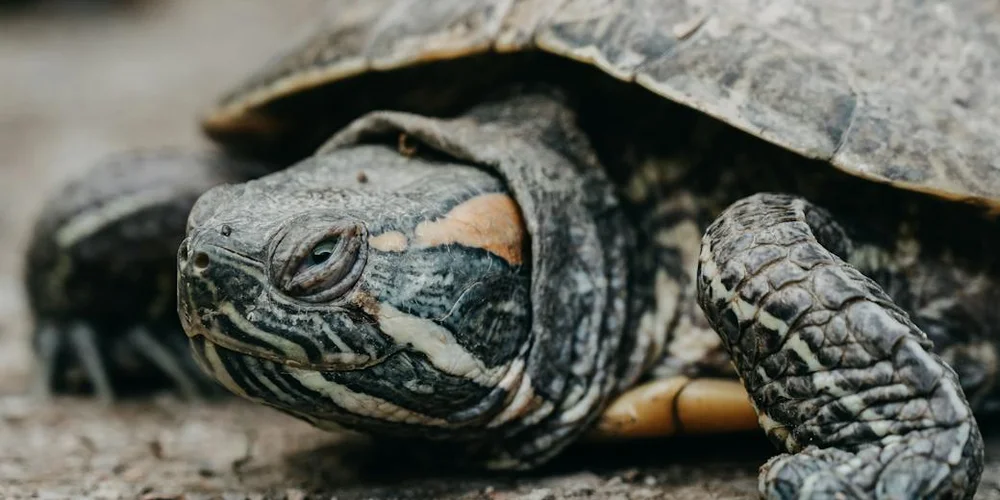
Figuring out who your shelled friend is can feel like detective work, but you don’t need a magnifying glass-just a few good photos and the right online companions. I’ve spent countless afternoons with my own trio, Austen, Bronte, and Orwell, learning that the smallest shell scute or the faintest eye stripe holds the key to their story.
Taking Photos That Help With ID
Think of your camera as your primary identification tool. A blurry picture of a retreating shell won’t tell you much. The goal is to capture clear, well-lit images of specific features, always prioritizing your turtle’s comfort over the perfect shot. Move slowly, and never force a limb if they’re tucked in tightly.
Here is the photographic checklist I follow whenever I’m helping someone identify a new turtle:
- The Top-Down Shell Shot: This is your most critical photo. Place your turtle on a solid, contrasting color (a plain towel works) and capture the carapace from directly above. Good, even light prevents shadows from hiding patterns.
- The Belly View: Gently tilt your turtle to photograph the plastron (the bottom shell). The patterns and hinges here are absolute giveaways for species like box turtles, which my Orwell demonstrates with his movable sections.
- Head and Neck Close-Up: Look for stripes, spots, or distinctive scales behind the eyes. The shape of the beak can also be a clue.
- Leg and Tail Details: Note the scale texture and any webbing between the toes. The length and shape of the tail matter too.
- A Size Reference: Place a ruler or a common object like a coin next to your turtle in one of the shots. Scale is incredibly helpful.
Patience is your best lens when photographing a shy creature. I learned this with Bronte, my Greek tortoise; her most graceful markings are only visible when she feels perfectly serene and extends her neck. Offer a favorite leaf as a distraction, and let the camera wait until they are ready.
Where to Take Your Photos Next
Once you have your gallery, you need a place to get answers. Online reptile forums and dedicated turtle identification groups on social media are filled with experienced enthusiasts and experts who love to help. When you post, include all the photos from your checklist and your general location (state or region), as many turtles are native to specific areas. If you’re specifically trying to find wild turtles, these communities can share tips on where to look and the best times to spot them without disturbing their habitats. Always follow local wildlife regulations and practice respectful observation.
For a more structured approach, several university herpetology departments and wildlife conservation sites offer digital guides. A basic turtle identification guide can be especially helpful for beginners, laying out the most common traits to check in your photos. It can serve as a quick reference as you start observing turtles in the field. These resources often use pattern-matching keys, asking you a series of questions about what you see in your photos to narrow down the possibilities. It’s a fantastic way to learn the terminology and truly understand *why* your turtle is classified a certain way.
| Tool Type | Best For | A Personal Note |
|---|---|---|
| Online Communities & Forums | Getting quick, crowd-sourced opinions and advice from long-time keepers. | This is how I confirmed Austen was a Russian tortoise-a kind stranger pointed out the single supracaudal scute above his tail. |
| University & Conservation ID Guides | Learning the scientific process of identification in a self-paced, accurate way. | These guides taught me to distinguish between similar shell patterns, like the subtle differences between Bronte’s Greek tortoise scutes and other Mediterranean species. |
| Your Own Photo Library | Tracking changes in shell health and growth over time for your specific pet. | Comparing Orwell’s shell patterns from year to year shows me his healthy growth and gives me a permanent visual record of his unique artwork. |
Turtle Conservation and Responsible Pet Ownership
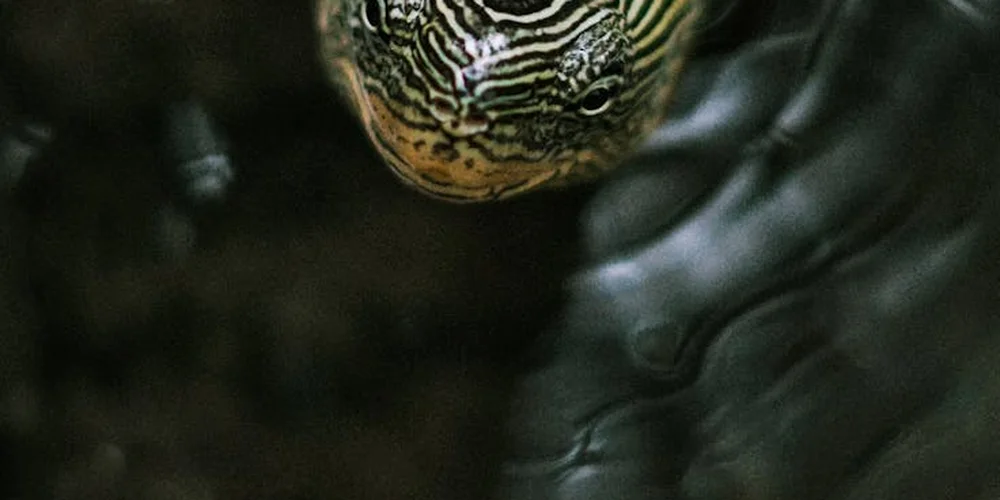
Sharing my home with Austen, Bronte, and Orwell has been a profound lesson in slow, steady grace. Their quiet presence is a daily reminder that these creatures are not just pets, but ancient lineages sharing our modern world. This joy comes with a parallel responsibility, one that extends far beyond the walls of their enclosures.
The Quiet Crisis Facing Turtles
Many turtle and tortoise species are under immense pressure. The shell that evolved as a perfect fortress for millions of years is no match for contemporary threats. Seeing Bronte’s intricately patterned shell reminds me that each marking is a story of evolution, a story we risk losing.
The primary dangers are widespread:
- Habitat Loss: Wetlands are drained, forests are cleared, and nesting beaches become resorts. The specific patches of earth a species needs to feed, breed, and survive simply vanish.
- The Illegal Pet Trade: This is a devastating blow. Wild turtles are snatched from their homes, often suffering immensely during transport, to be sold illegally. Every time someone buys a wild-caught turtle, they fund this cruel cycle and drain wild populations.
- Road Mortality: Turtles move slowly and instinctively. A road bisecting their wetland or forest is often a death sentence, especially for females searching for nesting sites.
- Pollution and Climate Change: From plastic waste mistaken for food to shifting temperatures that affect egg incubation, these large-scale changes disrupt fragile life cycles.
Your Role as a Keeper and Advocate
Owning a turtle is a lifelong commitment that can directly support conservation when done thoughtfully. Orwell, my box turtle, was a rehomed pet. Choosing adoption is perhaps the single most powerful conservation action a prospective owner can take. It gives an animal a second chance and reduces demand for wild-caught individuals. If you must ethically rehome a turtle, do so by contacting a reputable rescue or herp society and avoiding abandonments or wild releases. This careful surrender helps ensure the turtle continues to receive proper care and protects local ecosystems.
Here is a roadmap for responsible, conservation-minded pet ownership:
Before You Bring a Turtle Home
- Adopt, Don’t Shop: Search for reptile rescues or shelters. Many are overflowing with turtles that need a forever home, just like Orwell needed mine.
- Research Relentlessly: If you seek a specific species like a Russian (like Austen) or Greek (like Bronte) tortoise, find a reputable breeder who can provide documentation of captive breeding. Ask questions. A good breeder cares about where their animals go.
- Commit for the Long Haul: Many turtles outlive cats and dogs. My tortoises could be with me for another 30 or 40 years. Your life will change; they are a constant.
- Vet the Vet: Locate an experienced reptile veterinarian before you have an emergency. Wellness checks are vital.
Providing a Sanctuary
Your pet’s enclosure is more than a cage; it’s their entire world. Mimicking their natural needs as closely as possible is a form of daily respect for the wild creature they are.
- Space: Bigger is always better. Austen explores every inch of his large indoor table.
- Heat and Light: Specific gradients of warmth and proper UVB lighting are non-negotiable for shell and bone health. It’s their simulated sun.
- Diet: Feed species-appropriate, nutritious foods. My tortoises get a varied salad of leafy greens, weeds, and the occasional edible flower-not just bland lettuce.
- Enrichment: Offer things to explore, dig in, and climb over. A bored turtle is an unhappy turtle.
Advocating Beyond Your Home
Your care can ripple outward. Be a voice for their wild cousins by supporting legitimate conservation groups working on habitat protection and anti-poaching. If you see a turtle in the wild (and it’s safe to do so), you can help it across a road in the direction it was already heading. Never relocate it. Teach others. Share the story of why your pet turtle is special and why their wild habitats must be preserved. The gentle curiosity in Bronte’s eyes is a heritage worth protecting for generations we will never meet.
FAQs
Are there any mobile apps that can help identify my pet turtle?
Yes, several mobile apps use image recognition technology to suggest species based on photos you upload. Always verify app suggestions with authoritative sources like veterinary guides or herpetology websites for reliable care information.
What should I look for in a turtle identification chart?
A useful chart will display clear diagrams of carapace shapes, scute arrangements, and distinct head markings for popular pet species. It should also list scientific names to prevent mix-ups from varying common names across regions.
How can I identify turtles commonly kept as pets in Florida?
In Florida, frequent pet choices include the Florida Box Turtle and aquatic types like the Peninsula Cooter. Consulting with local reptile rescues or experienced breeders can help confirm identification and ensure proper habitat setup.
Where can I find a good turtle identification quiz online?
Reputable reptile care platforms and university herpetology programs often host free quizzes to practice identifying species. These tools typically use images and feature-based questions to reinforce key diagnostic skills.
What are key features for identifying turtles in Virginia?
Virginia natives like the Eastern Box Turtle and Wood Turtle are sometimes kept as pets, recognized by their unique shell patterns and plastron hinges. Paying attention to local habitat clues and leg structure can aid in accurate identification.
Steering Your Turtle Care with Confidence
From my decade with Austen, the gentle Russian tortoise, I know that pinpointing your turtle’s species shapes everything from their sunny basking spot to their leafy greens. Proper classification isn’t just a label; it’s the blueprint for a thriving life, ensuring you meet their unique biological needs. These are key factors to consider when choosing a turtle species: climate needs, space, diet, and temperament. Getting these right helps ensure you pick a good match for your home.
Treat pet ownership as a promise to grow alongside your animal, always updating your care practices with the latest reputable advice. By putting their welfare first through informed choices, you build a lasting bond rooted in respect and understanding.
Further Reading & Sources
- Turtle – Wikipedia
- Turtle ID Guide
- Turtle | Species, Classification, & Facts | Britannica
- Turtle Identification Guide: ID Any Species by Shell & Traits (2025 In Depth Guide) – All Turtles
Matthew is a dedicated turtle enthusiast and conservationist with over 15 years of experience in reptile care. Known affectionately as "The Leatherback" among his peers, he combines his passion for turtles with a commitment to educating pet owners on responsible turtle care and environmental stewardship.
Unusual Turtle Species