
How Often Should You Clean and Replace Turtle Substrate?
Published on: January 3, 2026 | Last Updated: January 3, 2026
Written By: Matthew The
You might be worried about keeping your turtle’s substrate clean to ensure their health and happiness, a common concern I’ve faced with my own shelled friends.
We’ll cover cleaning frequencies, replacement schedules, signs of dirty substrate, and personal tips from my experience with Austen, Bronte, and Orwell.
Understanding Turtle Substrate and Its Role
-
Substrate is simply the material lining the bottom of your turtle’s tank or enclosure, acting as the foundation of their living space.
-
It serves several key purposes: it enhances the tank’s aesthetic appeal by mimicking natural habitats, supports your turtle’s instinct to dig and burrow for comfort, and provides a home for beneficial bacteria that help break down waste.
<!–
-
From my own experience with turtles like Austen, my Russian Tortoise, I’ve found that a mix of soil and sand encourages his gentle digging habits, while Bronte, the Greek Tortoise, thrives with finer substrates that suit her graceful movements.
Choosing the right substrate isn’t just about looks-it directly supports their natural behaviors and overall happiness.
Why Substrate Cleaning Frequency Matters for Health
-
Dirty substrate can quickly lead to harmful ammonia and nitrite spikes from accumulated waste, putting your turtle at risk for respiratory issues and lethargy.
-
Poor substrate hygiene affects shell health by trapping debris that may cause infections or shell rot, and it compromises overall tank cleanliness, making the environment stressful for your pet.
Regular cleaning prevents these problems and keeps your turtle’s home safe and inviting.
-
It also controls unpleasant odors and maintains a balanced aquatic environment, which I’ve seen firsthand with Orwell, my Box Turtle-keeping his substrate fresh reduces tank smells and supports his reserved but curious nature.
Your Turtle Substrate Maintenance Schedule
-
Daily debris removal keeps your turtle’s home fresh and prevents harmful bacteria. I start each morning by scooping out any visible waste or uneaten food with a small net or spoon. For my Russian tortoise Austen, who’s gentle but messy, this quick routine takes just a few minutes and stops odors from building up. It’s also a good habit before you clean and disinfect their enclosure more thoroughly on a regular schedule.
-
Weekly partial water changes and substrate vacuuming maintain water quality and reduce toxins. Every Saturday, I change about 25% of the water and use a gravel vacuum to clean the substrate. This helps suck up hidden debris without stressing my turtles. With Bronte, my Greek tortoise, I focus on areas where she often rests to keep her space pristine.
- Use a siphon vacuum to gently stir and clean the substrate surface.
- Replace the removed water with dechlorinated water at the same temperature.
- Check filter function to ensure it’s not clogged with waste.
-
Monthly partial substrate changes depend on your turtle’s size and how crowded the tank feels. For smaller setups like Orwell’s box turtle enclosure, I swap out one-third of the substrate to avoid shocking the environment. Larger tanks or multiple turtles might need this every three weeks. I base it on how much waste I see-more activity means more frequent refreshes.
-
Full substrate replacement every 4-6 months gives your turtle a clean slate and prevents long-term buildup. I schedule this deep clean seasonally, removing all old substrate and rinsing the tank thoroughly. This routine has kept my turtles healthy by eliminating hidden mold or parasites that daily cleaning can miss.
Spotting Signs Your Substrate Needs Attention
-
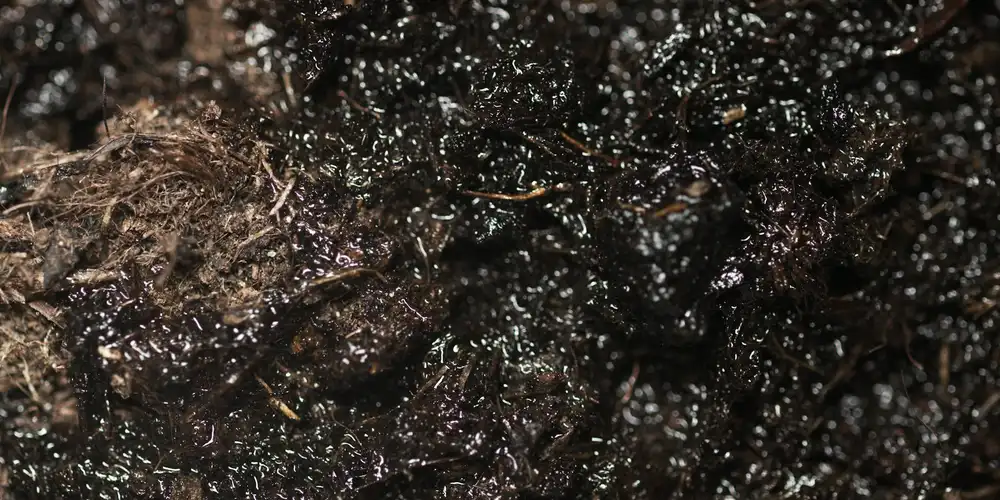
Visual inspection cues like discoloration or cloudiness warn you before problems escalate. Look for a greenish tint or slimy biofilm on the substrate-I’ve spotted this in Austen’s tank after heavy feeding. Persistent murkiness, even after cleaning, often means it’s time for a change.
- Discoloration: Brown or black patches indicate decay.
- Biofilm buildup: A slippery layer that harbors bacteria.
- Cloudy water: Doesn’t clear up with normal filtration.
-
Smell indicators like a strong, pungent odor signal ammonia risk from waste breakdown. If you catch a whiff of something foul near the tank, don’t ignore it. I learned this when Bronte’s enclosure started smelling earthy but sharp-a sign harmful gases were accumulating.
-
Turtle behavior changes, such as lethargy or avoiding certain areas, suggest discomfort. Orwell used to hide more when his substrate was dirty, showing me he felt stressed. Watch for reduced appetite or unusual scratching-these are pleas for a cleaner home.
Choosing the Best Substrate for Easier Cleaning
Picking the right substrate can make your cleaning routine smoother and keep your turtle healthier. The material you choose directly impacts how often you need to clean and how much effort it takes. Remember, the best substrate can vary by species—aquatic, terrestrial, and arboreal turtles often have different needs. Understanding these differences helps tailor the substrate to your turtle’s natural habits. Let’s look at some common options based on my years of caring for my own shelled friends.
-
Sand substrate feels soft under their feet but tends to trap waste and food particles, making it messy over time. Gravel substrate, with its larger chunks, allows debris to settle between pieces, which can be easier to sift during partial cleans. From my experience, gravel reduces the frequency of deep cleans compared to sand. I’ve noticed that Orwell, my reserved box turtle, prefers gravel as it mimics his natural habitat and doesn’t stick to his shell as much.
-
Particle size plays a big role in how much debris gets trapped. Fine substrates like sand hold onto waste tightly, leading to more bacterial growth if not cleaned often. Coarser materials, such as large gravel, let waste fall through to the bottom, where it’s simpler to remove with a siphon. Smaller particles mean more frequent cleaning to prevent odors and health issues. With Austen, my gentle Russian tortoise, I’ve found that medium-sized gravel keeps his enclosure cleaner longer because it doesn’t compact as easily.
-
My personal preference leans toward a mix of gravel and coconut coir for most turtles. This combination balances comfort for the turtle with ease of maintenance for you. For Bronte, my graceful Greek tortoise, I use a gravel-based setup because it’s straightforward to spot-clean and doesn’t irritate her delicate skin. Over the years, I’ve learned that avoiding very fine sands saves me time and reduces stress during cleaning sessions.
Step-by-Step Guide to Cleaning and Replacing Substrate
Cleaning your turtle’s home doesn’t have to be daunting. Following a clear routine ensures your pet stays safe and the habitat stays fresh. I’ve refined this process through many cycles with my own turtles, and it works wonders. That’s where the ultimate turtle habitat cleaning schedule comes in. It organizes tasks into daily, weekly, and monthly steps so maintenance stays simple and thorough.
-
Gather your tools before starting to make the job efficient. You’ll need a siphon for water changes, buckets for waste and clean water, and nets to handle any debris or, if necessary, the turtle. Having everything ready prevents delays and keeps the cleaning session smooth. Alongside cleaning, establish a regular turtle tank water testing schedule to monitor key water parameters over time. Track things like ammonia, nitrite, nitrate, pH, and temperature to catch issues early. I always keep a dedicated set of tools to avoid cross-contamination.
-
For full cleans, safely remove your turtle by gently scooping them up with both hands, supporting their shell fully. Place them in a temporary container with some water and a hide spot to reduce stress. Never rush this step; a calm turtle means a safer experience for both of you. Make sure any temporary container has proper hiding and basking spots to keep your turtle comfortable. With Orwell, I’ve found he stays calmer if I talk to him softly during the move.
-
Partial cleaning lets you maintain cleanliness without disturbing your turtle. Essential filtration systems help keep turtle water clean between partial cleans. A reliable filter reduces waste buildup and helps maintain clear water for Bronte. Use a siphon to vacuum the substrate surface, focusing on areas with visible waste. This method is perfect for quick touch-ups between full cleans and minimizes disruption. I do this weekly for Bronte, and it keeps her enclosure smelling fresh without needing to remove her.
-
For full substrate removal, start by draining most of the water, then scoop out the old material into a bucket. Rinse the tank thoroughly with reptile-safe disinfectant, let it dry, and add new substrate evenly. Replace the substrate completely every few months to prevent buildup of harmful bacteria. When I do this for Austen, I make sure the new layer is deep enough for him to burrow slightly, which he enjoys.
-
Dispose of old substrate safely by bagging it and placing it in the trash, not composting or reusing it, to avoid spreading pathogens. Proper disposal protects other animals and the environment from potential contamination. I always double-bag it to prevent leaks, a lesson I learned after a messy incident early on.
Pro Tips for Reducing Substrate Maintenance
-
Selecting the right filter makes a world of difference in keeping your turtle’s home tidy. I rely on a high-quality canister filter for Austen’s setup, which handles waste efficiently and reduces how often I need to clean. When comparing canister vs internal filters for turtle habitats, size and maintenance matter. Canister filters typically offer stronger filtration for larger or messier tanks, while internal filters are smaller and easier to place in limited spaces. Turtles like my Russian tortoise produce a surprising amount of debris, so opt for filters rated for tanks larger than yours to ensure they can keep up.
-
How you feed your turtle directly impacts substrate cleanliness. I always feed Bronte in a separate shallow dish to prevent food from sinking into the substrate and rotting. This simple habit, learned from years with my Greek tortoise, cuts down on waste and keeps the water clearer for longer.
-
Adding helpful tank mates can lighten your cleaning load. Small snails have been great companions for Orwell, as they nibble on algae and leftover food without stressing him out. Just be sure any additions are safe and non-aggressive to avoid harm to your turtle or the helpers.
-
Stable temperatures support the good bacteria that break down waste naturally. Using a reliable heater in Austen’s tank has kept bacterial colonies thriving, which means less frequent substrate changes. Aim for a steady range specific to your turtle’s species to maintain this delicate balance.
FAQs
What tools do you need for turtle substrate cleaning?
Essential tools include a siphon for water changes, buckets for waste and clean water, and nets for handling debris. Regularly checking essential water quality parameters such as pH, ammonia, nitrite, nitrate, and temperature helps ensure your turtle’s tank stays healthy. Having these on hand makes the cleaning process efficient and reduces stress for your turtle.
Can you clean substrate without removing turtles?
Yes, you can perform partial cleans using a siphon to vacuum the substrate surface while the turtle stays in the tank. This approach minimizes disruption and is perfect for quick maintenance between full cleans.
How should you dispose of old substrate safely?
Securely bag the old substrate and place it in the trash to avoid spreading pathogens or contaminating the environment. Do not compost or reuse it, as it may harbor harmful bacteria that could affect other animals.
Your Turtle’s Happy, Healthy Habitat
Based on my years with tortoises like Austen and Bronte, I stick to daily spot cleaning and a full substrate swap every few months. This simple routine drastically reduces waste buildup and supports your turtle’s overall well-being. This is the essential turtle tank setup groundwork, part of the complete daily, weekly, and monthly care guide. That guide breaks down daily spot cleaning, weekly checks, and monthly substrate refreshes to keep your turtle thriving.
Always prioritize your turtle’s health by staying informed and adjusting care as they grow. Commit to lifelong learning about species-specific needs to provide the safest, most enriching home possible. This care guide for land and aquatic turtles offers practical tips to help you implement those principles in everyday care.
Further Reading & Sources
- Aquatic Turtle Rock and Substrate Cleaner | Microbe-Lift
- Turtle Water Conditioner & Tank Cleaner | The Bio Dude
- Turtles 101: How to Clean and Care for Your Turtle’s Tank | PetMD
- How To Clean Your Turtle’s Tank | Turtle | Turtle Times
Matthew is a dedicated turtle enthusiast and conservationist with over 15 years of experience in reptile care. Known affectionately as "The Leatherback" among his peers, he combines his passion for turtles with a commitment to educating pet owners on responsible turtle care and environmental stewardship.
Substrate and Flooring