
What Vegetables Can Turtles Eat? A Complete Safe List
Published on: January 12, 2026 | Last Updated: January 12, 2026
Written By: Matthew The
Feeding your turtle the wrong vegetables can cause serious health issues, leaving you worried about their well-being and diet balance.
This guide covers safe vegetables, unsafe ones, portion sizes, preparation tips, and insights from my own turtle care journey.
Understanding a Turtle’s Vegetable Diet
Vegetables form the backbone of a healthy turtle diet, providing essential vitamins and fiber that support shell strength and overall vitality. Offering a diverse mix of veggies mimics their natural foraging habits and prevents nutritional gaps. I’ve seen this firsthand with my Russian tortoise, Austen, who thrives on a varied plant-based menu.
Not all vegetables are created equal; some can cause digestive issues or nutrient imbalances if overfed. Always research each vegetable before introducing it to avoid potential health risks. Over the years, I’ve learned that moderation and variety are key to keeping turtles like Bronte and Orwell happy and healthy. When it comes to human foods, bread is not a good staple for turtles and should be avoided or given only as a tiny, infrequent treat. Understanding safe vs unsafe foods is essential for keeping Bronte and Orwell thriving.
Think of vegetables as the main course in your turtle’s meal plan, with fruits and proteins as occasional treats. To create a balanced diet for your omnivorous turtle, start with vegetables as the base. Then add protein and fruit in moderation to keep meals varied. A balanced vegetable diet helps maintain proper hydration and supports a strong immune system. My box turtle, Orwell, enjoys the crisp textures of fresh greens, which keep him engaged and active.
Safe Leafy Greens and Vegetables for Daily Feeding
Nutrient-Rich Leafy Greens
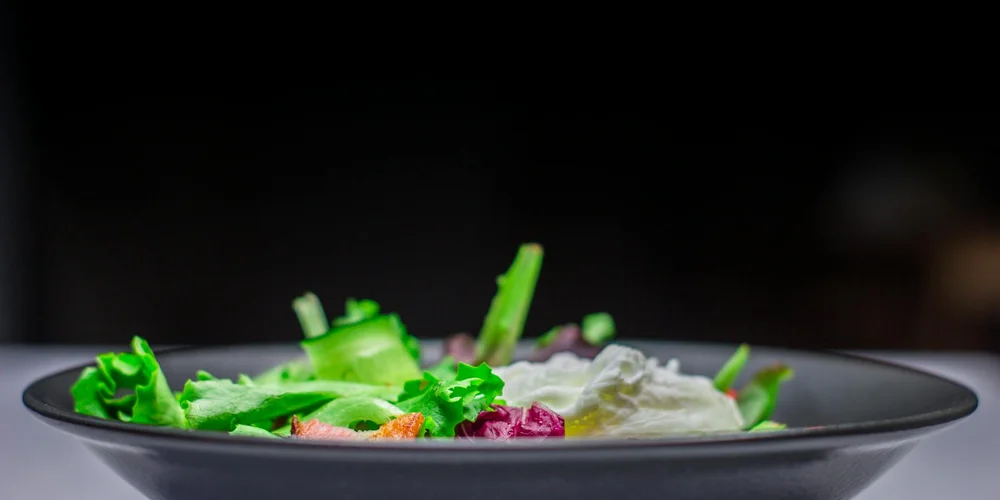
Leafy greens are packed with calcium, vitamin A, and other nutrients crucial for turtle health. Including these in daily meals promotes sturdy shell development and prevents metabolic bone disease. I rotate greens like kale and dandelion leaves for Austen to ensure he never gets bored.
- Dandelion greens: High in calcium and antioxidants; my Greek tortoise, Bronte, adores their slightly bitter taste.
- Collard greens: Rich in vitamins K and C; they have a sturdy texture that turtles find satisfying to crunch.
- Mustard greens: Offer a peppery flavor and are excellent for digestive health.
- Turnip greens: Loaded with fiber and folate; I chop them finely for easy eating.
- Kale: A powerhouse of nutrients, but feed in moderation due to goitrogens that can affect thyroid function.
Wash all greens thoroughly to remove pesticides and chop them into bite-sized pieces for easy consumption. Mixing different greens ensures a broad spectrum of nutrients and keeps meals exciting. Bronte’s graceful nibbling on collard greens is a daily highlight in my care routine.
Other Safe Vegetable Options
Beyond leafy greens, many vegetables add variety and essential nutrients to your turtle’s diet. Incorporate colorful veggies like carrots and bell peppers to provide beta-carotene and vitamin C. Orwell, my box turtle, perks up when he spots orange slices of carrot in his food bowl. Carrots are a simple way to boost beta-carotene, but they should be offered in moderation. A complete feeding guide covers the benefits, risks, and recommended portions for turtles.
- Carrots: Grated or steamed for easier digestion; they’re a great source of vitamin A.
- Bell peppers: Red, yellow, or green varieties add crunch and antioxidants; remove seeds before serving.
- Zucchini: Soft and hydrating; I slice it thinly for a refreshing treat.
- Squash: Butternut or acorn types are rich in vitamins; cook lightly to soften if needed.
- Green beans: Steamed and chopped, they offer fiber and a satisfying snap.
Avoid vegetables high in oxalates, like spinach, which can bind calcium and lead to deficiencies. Stick to low-oxalate options to support long-term health and vitality. Watching Austen methodically explore a plate of mixed veggies reminds me how simple, wholesome choices make all the difference.
Vegetables to Limit or Use as Occasional Treats
Just like with my own shelled family, variety is wonderful, but some veggies should only make guest appearances. These vegetables aren’t necessarily harmful, but they contain compounds that can cause issues if they become a regular part of the diet. I think of them as the “sometimes foods” in our turtle pantry.
Vegetables High in Oxalates
Oxalates can bind to calcium and prevent your turtle from absorbing it properly, which is terrible for shell and bone health.
- Spinach
- Swiss Chard
- Beet Greens
- Parsley
My Russian tortoise, Austen, might get a single small spinach leaf as a very rare treat, but that’s it.
Vegetables High in Goitrogens
In large amounts, these can interfere with thyroid function. An occasional nibble is fine, but don’t make them a staple.
- Kale
- Broccoli
- Cabbage
- Brussels Sprouts
Rotating your greens is the safest strategy to prevent any one compound from building up in their system. I offer these maybe once every couple of weeks at most.
Vegetables with Poor Calcium-to-Phosphorus Ratios
Turtles need more calcium than phosphorus. When the balance is off, it can lead to metabolic bone disease.
- Carrots (feed in moderation)
- Sweet Potatoes
- Corn
- Peas
Corn and peas are also quite starchy. My box turtle, Orwell, loves peas, so I’ll give him one or two as a high-value training reward, not as food.
Unsafe or Toxic Vegetables to Avoid
This list is non-negotiable. These are the vegetables you must never, ever feed to your turtle under any circumstances. I keep a list on my fridge as a constant reminder, because their safety is always the top priority.
Common Toxic Items
These plants contain substances that are directly poisonous to reptiles and can cause severe illness or be fatal.
- Onions, Garlic, Chives, and Leeks: All members of the allium family can cause digestive upset and damage red blood cells, leading to anemia.
- Avocado: Every part of the avocado-the fruit, pit, skin, and leaves-contains persin, a toxin that is particularly dangerous to turtles.
- Rhubarb: The leaves are extremely toxic due to high levels of oxalic acid, and it’s safest to avoid the plant entirely.
- Potato Leaves and Stems: While the cooked potato flesh might be offered in tiny, rare amounts, the green parts of the plant are toxic.
- Tomato Leaves and Vines: Similar to potatoes, the ripe fruit is sometimes debated, but the plant itself is part of the nightshade family and is toxic.
When in doubt, always leave it out. It is far better to skip a questionable food item than to risk a terrifying and expensive emergency vet visit.
How to Prepare Vegetables for Your Turtle
Washing and Chopping Techniques
Start by rinsing all vegetables under cool, running water to wash away dirt and any pesticide residues. This simple step protects your turtle from harmful chemicals and keeps their diet clean and safe. I use a soft vegetable brush for items like carrots or squash, especially for my tortoise Austen, who appreciates the extra care. Many common garden plants and even a few flowers are safe for turtles to eat as occasional treats. Always confirm which plants are safe for your turtle’s species before offering them.
Chop vegetables into small, manageable pieces based on your turtle’s size. For younger or smaller turtles, aim for bite-sized bits no larger than their head to prevent choking hazards. With Orwell, my box turtle, I’ve found that finely shredded greens work best, while Bronte enjoys slightly larger chunks due to her graceful chewing style.
- Use a sharp knife or kitchen scissors for even cuts.
- Remove any tough stems or seeds that could cause digestive issues.
- Store prepped veggies in an airtight container to maintain freshness.
Raw vs. Lightly Cooked Options
Most vegetables are best served raw to preserve their natural nutrients and crunch. Raw greens like romaine lettuce or kale provide essential vitamins and hydration, which I’ve seen keep my turtles active and healthy. Austen, for instance, loves the crisp texture of raw dandelion greens straight from the garden.
Lightly steaming tougher vegetables can make them easier to digest, especially for older turtles. Cooking softens fibers in veggies like squash or sweet potatoes, reducing the risk of impaction in sensitive species. I occasionally steam carrots for Orwell, as it brings out a sweeter flavor he adores without losing nutritional value.
- Raw options: leafy greens, bell peppers, cucumbers-ideal for daily meals.
- Lightly cooked choices: steamed zucchini, boiled peas-offer once or twice a week for variety.
- Avoid overcooking to prevent nutrient loss; aim for a tender but firm texture.
Tailoring Vegetables to Your Turtle’s Species and Age

Species-Specific Preferences
Different turtle species have unique dietary needs rooted in their natural habitats. Russian tortoises like Austen thrive on a mix of fibrous greens such as collard greens and endive, which mimic their wild foraging habits. In contrast, Greek tortoises like Bronte prefer softer leaves like escarole, reflecting her graceful, thoughtful nature.
Box turtles, including Orwell, benefit from a balanced approach with more variety. Incorporate vegetables like shredded carrots and snap peas alongside their protein sources to support their reserved but intelligent demeanor. I’ve noticed Orwell shows more curiosity when his meals include colorful, textured veggies.
- Russian tortoises: focus on high-fiber greens like mustard greens and turnip tops.
- Greek tortoises: include tender options such as romaine lettuce and basil leaves.
- Box turtles: mix in veggies like green beans and bell peppers for enrichment.
Age-Based Dietary Adjustments
Younger turtles need more easily digestible, nutrient-dense vegetables to support rapid growth. For hatchlings and juveniles, finely chop or puree veggies to ensure they can eat without strain, much like how I prepared Bronte’s meals when she was smaller. If you’re following a hatchling nutrition guide, you’ll find recommended foods and portions for baby turtles. These guidelines help ensure their diet supports healthy growth. This helps prevent choking and encourages healthy development.
Adult and senior turtles require higher fiber and lower protein to maintain weight and digestive health. Increase fibrous vegetables like kale and dandelion greens for older turtles, as I do with Austen now that he’s reached ten years. Adjust portions based on activity level to avoid obesity, a common issue in captive turtles. As part of senior turtle care, also tweak the habitat as aging progresses. Regular checks help tailor diet and housing for an aging pet.
- Hatchlings (under 1 year): offer soft, mashed veggies daily in small amounts.
- Juveniles (1-5 years): introduce larger pieces and a wider variety weekly.
- Adults (5+ years): emphasize high-fiber options and monitor for signs of aging, like slower eating.
Feeding Frequency and Portion Sizes
Getting the amount of food right is just as important as the type of food. I learned this the hard way with my Russian tortoise, Austen, who would happily overeat if I let him. To prevent overfeeding, establish a consistent feeding schedule and offer greens daily, adjusting portions as needed. A good rule of thumb is to offer a portion of fresh greens and vegetables that is roughly the size of your turtle’s shell.
Think of their head as a portion guide. A meal should be about the same volume as your turtle’s head and neck combined. This visual cue prevents overfeeding, which is a common issue that can lead to pyramiding in their shell and other health problems. Avoid common turtle feeding mistakes by using this rule at every meal. Consistent portions support balanced nutrition and reduce the risk of obesity and digestive issues.
Feeding Schedule by Age
- Juveniles (Under 1 year): Feed daily. They are growing rapidly and need consistent nutrition.
- Adults (1 year and older): Feed every other day, or offer a smaller portion daily. My adult turtles, Bronte and Orwell, thrive on an every-other-day schedule.
Always remove any uneaten fresh food after a few hours. Leaving veggies to wilt in the habitat promotes bacterial growth and can spoil their water. It is better to offer a little less than to deal with the mess and potential health risks of leftovers.
Sourcing and Storing Fresh Vegetables
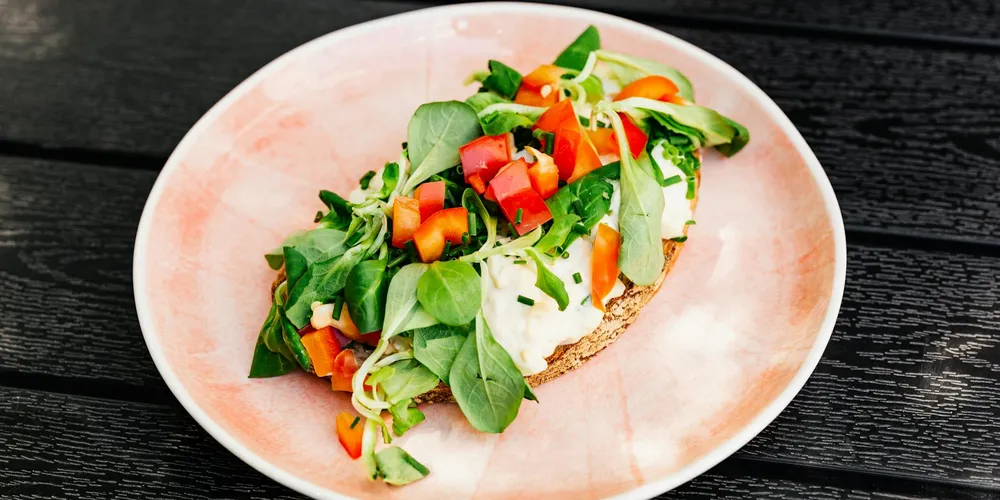
Where you get your turtle’s greens matters for their health and your peace of mind. I prioritize organic produce, especially for the vegetables on the “eat daily” list, to minimize pesticide exposure. If organic is not an option, washing becomes non-negotiable.
How to Properly Wash Vegetables
- Rinse the leaves or vegetables under cool, running water.
- Gently rub the surfaces to remove any visible dirt or residue.
- For a more thorough clean, soak leafy greens in a bowl of water with a splash of white vinegar for 10-15 minutes, then rinse well.
- Pat everything dry with a clean towel or use a salad spinner.
A proper wash removes more than just dirt; it washes away potential chemical treatments and reduces the risk of introducing pests into your home.
Keeping Veggies Fresh and Crisp
Nobody likes a limp piece of kale, especially your turtle. I store my turtle greens the same way I store my own salad greens to maximize freshness. After washing and thoroughly drying them, I place the leaves in a sealed container or a zip-top bag with a single, dry paper towel inside.
- The paper towel absorbs excess moisture that causes rot.
- The sealed container prevents the greens from drying out and wilting.
- Most leafy greens stored this way will stay crisp for 5-7 days in the refrigerator’s crisper drawer.
For harder vegetables like zucchini or bell peppers, I simply store them whole in the crisper and chop them right before feeding. This simple storage system ensures every meal is as nutritious and appealing as the first.
FAQs
How can I safely introduce a new vegetable to my turtle?
Start by offering a tiny piece mixed with their usual favorites to gauge their interest and tolerance. Observe for any adverse reactions, like changes in behavior or digestion, over the next day or two.
What should I do if my turtle refuses to eat vegetables?
Try offering a variety of textures and colors to spark curiosity, such as shredded carrots or finely chopped greens. If your turtle isn’t eating, this gentle, encouraging approach can help rekindle its appetite. Persistently include small amounts in their meals, as turtles can be hesitant but often adapt with repeated exposure.
Are there any vegetables that are particularly good for keeping my turtle hydrated?
Cucumbers and zucchini have high water content and can help maintain hydration levels, especially in warmer environments. Serve them raw and chopped to maximize their refreshing benefits without overfeeding.
Can I feed my turtle vegetables that are slightly wilted or past their prime?
Avoid using wilted or spoiled vegetables, as they may harbor bacteria or molds that could harm your turtle. Always provide fresh, crisp veggies to ensure nutritional value and prevent potential health issues. Learn how to source and prepare fresh foods for your turtle.
How do I know if my turtle is getting enough vegetables in its diet?
Monitor for consistent growth, a firm shell, and regular bowel movements, which indicate a balanced vegetable intake. Adjust portions based on their activity level and species needs to avoid deficiencies or overfeeding.
Your Turtle’s Lifelong Health Starts Here
From my time caring for Austen, Bronte, and Orwell, I’ve found that offering a rotating menu of leafy greens and approved vegetables supports their vitality. Stick to well-researched, safe options to prevent dietary mishaps and keep your shelled friend thriving.
Responsible turtle ownership means dedicating yourself to their long-term care and staying informed as new insights emerge. I urge you to regularly seek out reliable information and connect with fellow enthusiasts to ensure your pet enjoys a full, happy life.
Further Reading & Sources
- What Do Turtles Eat? A Guide To Feeding Your Pet Turtle | Chewy
- What Do Turtles Eat? | PetMD
- What Do Pet Turtles Eat? Diets, Mealtimes, Amounts
- r/turtles on Reddit: How do you guys get your turtles to eat their greens?
Matthew is a dedicated turtle enthusiast and conservationist with over 15 years of experience in reptile care. Known affectionately as "The Leatherback" among his peers, he combines his passion for turtles with a commitment to educating pet owners on responsible turtle care and environmental stewardship.
Common Turtle Foods