
Can Turtles Eat Carrots? (Benefits, Risks & Feeding Guide)
Published on: January 25, 2026 | Last Updated: January 25, 2026
Written By: Matthew The
You might be wondering if carrots are safe for your turtle, worrying about digestive troubles or nutritional gaps that could affect their health and happiness.
This article covers: benefits, risks, feeding guide.
Yes, Turtles Can Eat Carrots
I’ve fed carrots to my Russian tortoise, Austen, for years, and he always gets excited when he sees that bright orange color. Carrots are a perfectly safe and healthy vegetable to offer most common pet turtle species as part of a varied diet. They are not a staple food, but rather a nutritious supplement.
The Nutritional Benefits of Carrots for Turtles

Carrots pack a powerful nutritional punch that can be great for your shelled friend. Their vibrant color is a clue to the goodness inside.
A Powerhouse of Vitamin A
This is the star benefit of carrots. Vitamin A is absolutely critical for maintaining healthy eyes, skin, and shell tissue in turtles. A deficiency can lead to serious health issues like swollen eyelids and respiratory infections. Including vitamin A-rich foods like carrots helps prevent these problems.
Essential Fiber for Digestion
The fibrous nature of carrots is wonderful for a turtle’s digestive system. This fiber helps keep their gut moving properly and can prevent issues like constipation. My Greek tortoise, Bronte, seems to have a particularly sensitive digestive tract, and the fiber in carrots has always agreed with her.
Other Key Vitamins and Minerals
Beyond vitamin A, carrots offer a supporting cast of other nutrients.
- Vitamin K1: Aids in proper blood clotting.
- Potassium: Supports healthy nerve function and muscle control.
- Antioxidants: Help combat cellular damage and support overall health.
Dental Health
Chewing on raw, crunchy carrot pieces provides a mild abrasive action on a turtle’s beak. This natural chewing action can help wear down their continuously growing beak, much like a natural file. It’s a simple way to support good dental hygiene.
Understanding the Risks and Feeding in Moderation
While carrots offer vitamins, they also contain natural sugars and compounds that require careful management. Overfeeding carrots can lead to an imbalance in your turtle’s diet, potentially causing digestive upset or vitamin A toxicity over the long term. My Russian tortoise, Austen, once had a slightly orange tinge to his waste after I got a bit too enthusiastic with carrot treats-a clear sign I needed to pull back.
The primary concern with carrots is their oxalate content. Oxalates can bind to calcium, making it harder for your turtle to absorb this crucial mineral. For shell and bone health, calcium absorption is non-negotiable, so high-oxalate foods must be a small part of the overall menu. I think of carrots like a special weekend breakfast—enjoyable and beneficial, but not something you’d eat every single day. Many garden plants and some flowers are Turtle-safe garden plants and flowers that are safe for turtles to eat in moderation. Including safe greens and turtle-friendly flowers as part of a balanced menu can add variety without overdoing high-oxalate items.
Creating a Balanced Feeding Schedule
Carrots should be a supplement, not a staple. Here is a simple guide I follow for my own shelled companions:
- For most adult tortoises: Offer finely grated carrot as a topping on leafy greens no more than once or twice per week.
- For aquatic turtles: A small piece of carrot can be a monthly treat, as their primary diet is protein-based.
- A good rule of thumb: Carrots should not make up more than 5-10% of the total vegetable portion of their diet.
Observing your turtle’s health and droppings is the best way to tailor this schedule to their individual needs. At a routine veterinary checkup, you can expect a physical exam, weight measurement, and possibly fecal tests to assess digestion. Bring notes on any changes you’ve seen to help the vet evaluate droppings and overall health.
How to Prepare and Serve Carrots Safely

Proper preparation is key to making carrots safe and digestible for your turtle. Always start by thoroughly washing and scrubbing the carrot to remove any dirt, pesticides, or wax coatings. I use a dedicated vegetable brush for Austen and Bronte’s food to ensure it’s perfectly clean. In many aquatic turtle diets, vegetables and formulated pellets make a daily staple, with occasional live foods used to enrich feeding. Carrots can be part of that mix.
Step-by-Step Preparation Guide
- Wash and Scrub: Use cool running water and a brush to clean the carrot’s surface.
- Peel (Optional but Recommended): Peeling removes the toughest outer layer, making it easier for your turtle to eat and digest.
- Cook or Grate: For easier digestion, you can lightly steam or boil the carrot until it’s soft. Alternatively, you can serve it raw but must grate it finely or chop it into tiny, manageable pieces.
- Cool Completely: If you cooked the carrot, let it cool down to room temperature before serving.
Lightly cooking carrots softens their tough cellular walls, making the vitamins inside more accessible for your turtle to absorb. My Greek tortoise, Bronte, seems to prefer the softer texture of a steamed carrot piece over a raw one.
Serving Styles for Different Turtles
- For Small Tortoises: Finely grated raw or cooked carrot is easiest for them to eat.
- For Larger Tortoises: You can offer small, thin coin-shaped slices or small chunks.
- For Aquatic Turtles: Offer a small, sinking piece in the water, but remove any uneaten portions within a few hours to keep their tank clean.
Mixing the prepared carrot with a base of dark, leafy greens like dandelion or turnip greens creates a more nutritionally complete and enticing meal. This is how I ensure my turtles get a variety of nutrients in every bite.
Creating a Balanced Diet: Carrots as Part of the Menu
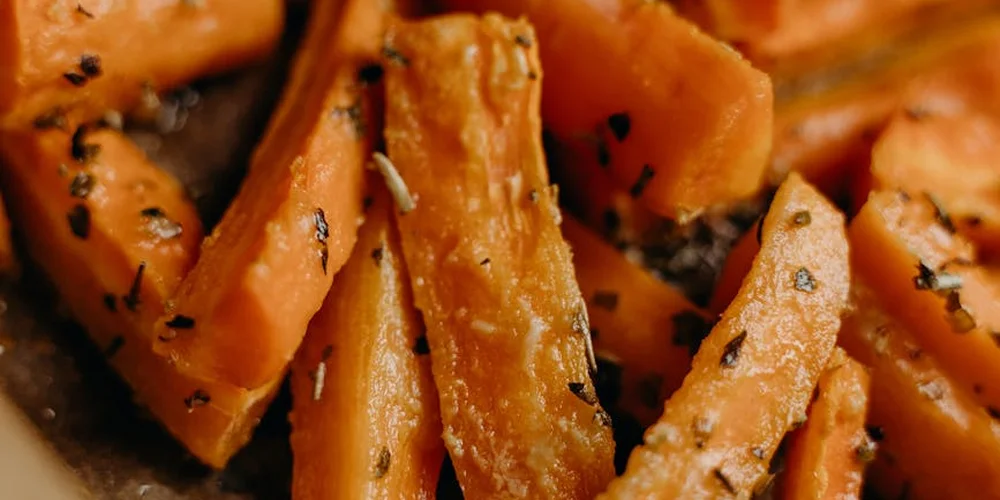
Think of your turtle’s diet like a colorful mosaic, where each food piece contributes to the whole picture of health. Carrots are a vibrant orange tile in that mosaic, but they should never be the entire picture. I learned this early on with my Russian tortoise, Austen, who would happily eat carrots every day if I let him. Variety is the true key to a thriving turtle. That difference becomes clear when you compare aquatic versus land turtle diets—the key differences explained. Land tortoises lean toward greens, while many aquatic turtles include animal protein in their meals.
Carrots offer a wonderful boost of Vitamin A, which is crucial for good vision, healthy skin, and a robust immune system. This nutrient is particularly vital for preventing eye and respiratory issues, which are common in captive turtles. The beta-carotene gives them that brilliant color and acts as a powerful antioxidant. I always notice my turtles’ shells seem to have a extra sheen when they’ve had their weekly carrot treat.
You must prepare carrots correctly for easy and safe eating. For smaller turtles, I always shred carrots finely using a cheese grater. For my larger shelled friends, I chop them into tiny, bite-sized cubes. A quick steam or blanch can soften carrots just enough to make them easier to digest, especially for younger turtles. Never feed them raw, whole carrots, as this is a serious choking hazard. Source fresh, pesticide-free produce and rinse it well before preparation. Preparing fresh foods for your turtle helps ensure proper nutrition and safer, easier meals.
Here is a simple weekly guide to safely incorporating carrots:
- Frequency: Offer carrots 1-2 times per week.
- Portion Size: A piece no larger than the size of your turtle’s head is a perfect serving.
- Method: Always mix shredded or finely chopped carrots with other leafy greens.
- Observation: Watch for any changes in their droppings; overly orange waste can mean you’re feeding a bit too much.
Top Vegetable Alternatives to Carrots

Rotating your turtle’s veggies prevents boredom and ensures a wider spectrum of nutrients. Building a diverse menu is your best defense against nutritional deficiencies. I also consult a complete safe list of vegetables turtles eat to guide my choices, ensuring every addition is appropriate. This keeps Bronte’s meals balanced and safe. My Greek tortoise, Bronte, gets especially excited when I bring out the “green plate” with a new mix for her to explore.
These leafy greens should form the foundation of your turtle’s vegetable intake:
- Dandelion Greens: A fantastic source of calcium and readily accepted by most turtles.
- Collard Greens: Packed with vitamins and low in oxalates, which can interfere with calcium absorption.
- Endive: A great, mildly bitter green that adds variety.
- Turnip Greens: Another excellent calcium-rich option.
For adding different textures and colors, these vegetables are wonderful occasional additions:
- Zucchini: Soft, hydrating, and easy to digest when chopped.
- Butternut Squash: Cooked and mashed, it’s a great source of fiber and vitamins.
- Bell Peppers (red, yellow): Full of Vitamin C and add a lovely crunch.
- Green Beans: Steamed and chopped, they are a fun, long treat for turtles to nibble on.
Some vegetables should be fed sparingly, as special treats. These are like the dessert of the turtle world-delicious but not for every day.
- Kale: Once considered a superfood, it’s now known to be high in goitrogens and should be fed in moderation.
- Spinach: Very high in oxalates, so it’s best as a very rare treat.
- Corn: High in sugar and phosphorus, so only a few kernels on rare occasions.
FAQs
Should I feed carrots to hatchling turtles?
Hatchling turtles can eat carrots, but they should be finely grated and offered sparingly as a treat. Always ensure it’s part of a varied diet to support their rapid growth and development. In a hatchling nutrition guide, carrots are listed as an occasional treat rather than a staple. For best results, follow a species-appropriate diet and consult reliable care resources or a veterinarian.
What size carrot pieces for turtles?
Carrot pieces should be small and manageable, such as finely grated for small turtles or thin coin-shaped slices for larger ones. This helps prevent choking and makes digestion easier for your pet.
How often can a turtle eat carrots?
Most turtles should have carrots only once or twice a week to avoid overconsumption. Limiting frequency helps prevent issues like vitamin A toxicity or digestive upset from excess oxalates, especially when considering how often and how much to feed your turtle.
Are carrots safe for turtles?
Carrots are safe for turtles when prepared properly and fed in moderation. However, overfeeding can lead to health risks, such as calcium absorption problems due to oxalates. It’s important to know what human foods turtles can eat to ensure their health and well-being.
Are there better vegetables than carrots for turtles?
Yes, dark leafy greens like dandelion or collard greens are often better staples due to their high calcium and low oxalate content. Rotating vegetables ensures a balanced diet and prevents nutritional deficiencies.
Final Thoughts on Carrots for Turtles
Offer carrots as an occasional, well-prepared treat to add variety and nutrients to your turtle’s diet. For an omnivorous turtle, a balanced approach means mixing plant matter, protein, and appropriate pellets to meet all nutritional needs. Remember that a balanced commercial pellet diet, supplemented with appropriate leafy greens, should always form the foundation of their meals.
Always observe your turtle after introducing any new food to ensure it agrees with them. Caring for a turtle is a long-term commitment that thrives on our willingness to keep learning and adapting to their specific needs.
Further Reading & Sources
- r/Redearedsliders on Reddit: carrots
- Can Turtles Eat Carrots? Our Vet Answers & Explains | Hepper Pet Resources
- Carrot Soak for Turtles: How to Make and the Benefits – YouTube
- Can Turtles Eat Carrots? Our Vet Answers | PangoVet
Matthew is a dedicated turtle enthusiast and conservationist with over 15 years of experience in reptile care. Known affectionately as "The Leatherback" among his peers, he combines his passion for turtles with a commitment to educating pet owners on responsible turtle care and environmental stewardship.
Common Turtle Foods