
What Do Baby Turtles Eat? A Guide to Hatchling Nutrition
Published on: January 20, 2026 | Last Updated: January 20, 2026
Written By: Matthew The
You might be holding your baby turtle and feeling a mix of excitement and worry about what to feed it, concerned that the wrong food could stunt its growth or cause health issues.
This article covers: key food types, feeding schedules, nutritional balance, and common mistakes to steer clear of.
Understanding Baby Turtle Diets: A Foundation for Growth
Baby turtles, often called hatchlings, are mostly omnivores from the start. They need both plant and animal foods to fuel their rapid growth and development. In my years caring for turtles like Austen and Bronte, I’ve seen how a varied diet early on builds a strong foundation for their entire lives.
- Omnivorous nature means hatchlings eat insects, plants, and more. This mix mimics what they’d find in the wild, keeping them healthy and active. For instance, my Russian Tortoise Austen enjoys both leafy greens and occasional protein treats, showing how natural this balance is.
- Protein needs are higher for babies than adults. Young turtles use extra protein to build muscles, shells, and organs quickly. While adult turtles might eat more greens, hatchlings require frequent, protein-rich meals to support their energy levels.
- Calcium and vitamin D3 are non-negotiable for shell and bone health. Without enough calcium, shells can soften, and vitamin D3 from UVB light helps them absorb it properly. I always ensure my turtles have access to UVB lighting, much like Orwell’s setup, to prevent deficiencies.
Essential Foods for Baby Turtle Health
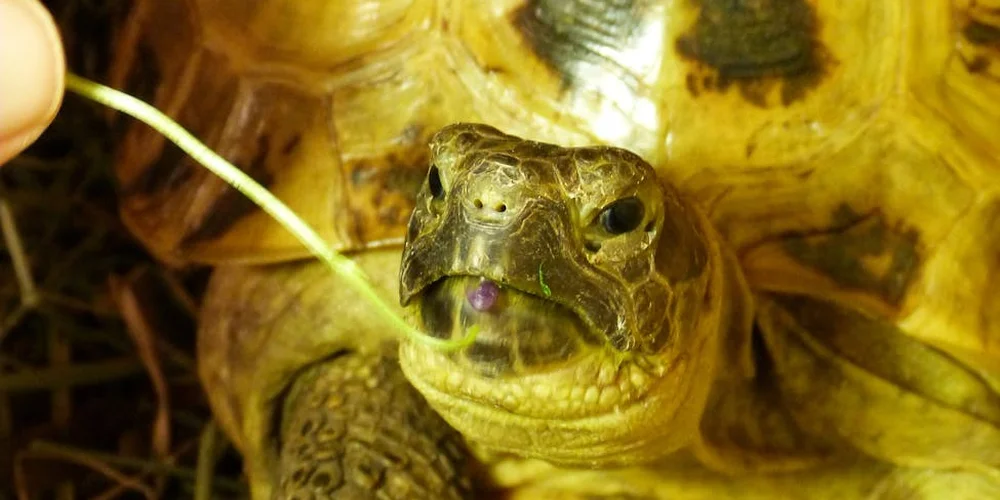
Feeding baby turtles the right foods sets them up for a vibrant life. Stick to a mix of staples and fresh options to cover all nutritional bases. From my experience, this approach keeps hatchlings like Bronte thriving and reduces health issues down the road. In a baby turtle diet special nutritional needs feeding guide, we’ll outline exact foods and portions to meet growth and immune needs. This tailored guidance helps caregivers support hatchlings during their crucial early months.
- Commercial hatchling pellets serve as a reliable staple. They’re specially formulated to provide balanced vitamins and minerals for growing turtles. I use them as a base for Orwell’s meals, and they’ve consistently supported his steady growth.
- Appropriate live foods include daphnia and brine shrimp. These tiny creatures offer high protein and encourage natural hunting behaviors. Watching baby turtles chase after brine shrimp is not only fun but also boosts their mental stimulation.
- Safe vegetables and leafy greens add essential fiber and nutrients. Options like romaine lettuce, kale, or chopped carrots are great choices. Avoid iceberg lettuce, as it’s low in value-Bronte prefers darker greens for their richness.
- Aquatic plants are vital for species that live in water. Plants like duckweed or water lettuce provide hiding spots and supplemental nutrition. Incorporating these into their habitat mimics their natural environment and supports overall well-being.
Species-Specific Feeding Guidelines
Baby Snapping Turtle Diet
Raising a baby snapping turtle requires a dedicated, protein-focused approach. Their rapid growth and energetic nature demand a diet rich in animal protein to support strong shell and muscle development. In my early days, I underestimated just how much protein they truly need, but observing their voracious appetite quickly corrected that.
- High protein requirements: Aim for a diet that is about 70-80% protein. This isn’t a suggestion; it’s a necessity for their wellbeing.
- Appropriate live and prepared foods: I’ve had great success with a rotating menu of live ghost shrimp, small earthworms, and gut-loaded crickets. For prepared options, high-quality commercial turtle pellets designed for carnivorous species are a staple, and the occasional treat of a small piece of tilapia fillet is always a hit.
Baby Painted Turtle Diet
Baby painted turtles are delightful little omnivores, and getting their diet right is all about balance. Providing a mix of protein and plant matter from the start encourages healthy, lifelong eating habits and prevents them from becoming picky. I find their feeding time to be a peaceful, engaging part of my day. It’s especially important for painted turtles as they have specific nutritional needs.
- Balanced omnivorous approach: I recommend a 50/50 split between protein and vegetation for young hatchlings. This mimics what they would naturally find in a pond.
- Favorite food items from experience: Mine go absolutely wild for live brine shrimp and daphnia. For greens, tender duckweed and finely chopped romaine lettuce are consistently devoured. Don’t forget a good quality pellet as a nutritional base.
Baby Box Turtle Diet
Feeding a baby box turtle like my Orwell is a different experience entirely, focused on land-based offerings. Their diet is less about swimming prey and more about foraging for a vibrant array of fruits, vegetables, and proteins found on the forest floor. Watching them methodically explore their food is a lesson in patience.
- Land-based feeding considerations: Since they are not aquatic feeders, all food must be presented in a shallow, easy-to-access dish. Keeping their food clean and dry is paramount.
- Favorite fruits and vegetables: Orwell has a particular soft spot for mashed strawberries and finely grated squash. I also regularly offer small pieces of mushroom and dandelion greens, which are packed with nutrients they’d find in the wild.
Creating the Perfect Feeding Routine
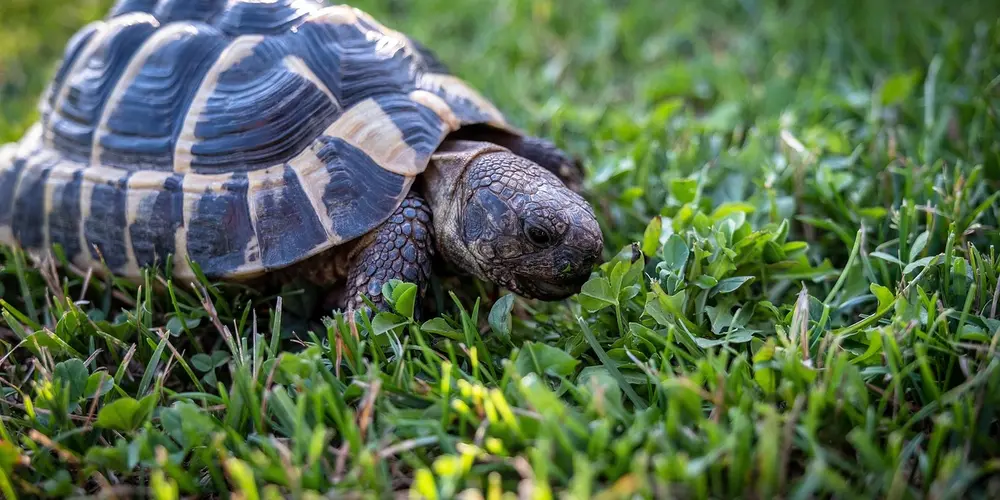
A consistent routine is the backbone of good health for your baby turtle. Hatchlings are growing at an incredible rate, and their tiny bodies need frequent, appropriately sized meals to fuel that development without being overwhelmed. A solid routine also helps you monitor their health and appetite closely.
- Daily feeding frequency for hatchlings: You should offer food to your baby turtle once every single day. Their metabolisms are incredibly fast at this stage of life.
- Proper portion sizes to prevent overfeeding: A great rule of thumb I follow is to offer an amount of food that is roughly the size of your turtle’s head. This visual guide helps prevent obesity and keeps their water cleaner.
- Best times of day to feed: Turtles are most active during the daytime. I always feed my crew in the morning, which gives them the whole day to bask and properly digest their meal under their heat lamp. This aligns with their natural circadian rhythm.
Nutritional Supplements and Hydration
Watching my Russian tortoise, Austen, grow taught me that proper nutrition goes beyond just the food itself. Calcium is the cornerstone of a healthy shell and strong bones for your growing hatchling.
Calcium Powder Application Methods
I use a simple method to ensure my turtles get their calcium. Lightly dust their food with a fine calcium powder, just enough to give it a faint, ghostly coating. I do this about three to four times a week for my younger ones. You want the food to look like it has a light morning frost, not a heavy snowfall.
Role of UVB Lighting in Nutrient Absorption
Calcium is useless if their little bodies can’t process it. This is where UVB lighting becomes non-negotiable. UVB rays allow your turtle to synthesize vitamin D3, which acts as the key that unlocks calcium absorption. Without it, the calcium you diligently provide just passes through their system. My Greek tortoise, Bronte, basks for hours under her UVB lamp, and her graceful growth is a testament to its importance.
Importance of Clean Water for Hydration
Turtles are messy, and their water gets dirty fast. I change the water in Orwell’s shallow dish daily. Hydration is vital for kidney function and helps prevent dangerous impactions from undigested food. A clean water source encourages them to drink and, for some species like my box turtle, to soak, which aids in hydration and shedding.
Preparing and Serving Hatchling Meals
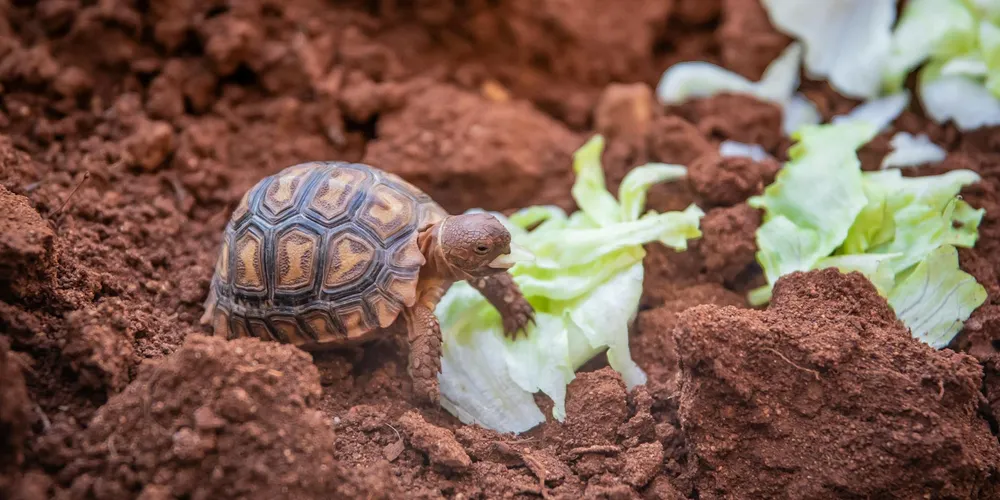
Preparing food for a creature with a mouth smaller than a pea requires a bit of finesse. The golden rule is that food pieces should be no larger than the space between your turtle’s eyes. This prevents choking and makes eating much less stressful for them.
Proper Food Size for Tiny Mouths
I use herb scissors to finely chop leafy greens like dandelion and turnip greens for Austen and Bronte. For protein sources, like the worms I occasionally offer Orwell, I’ll chop them into tiny, manageable segments. It takes an extra minute, but seeing them eat comfortably is worth it.
Soaking Dry Foods When Necessary
If you use a high-quality commercial pellet as part of their diet, always soak it first. Soaking pellets in a little water until they are soft and mushy makes them easier to eat and digest, and it adds a bit of extra hydration to their meal. I offer these softened pellets in a small, shallow dish to keep their main habitat cleaner.
Creating Varied Meal Rotations
I never serve the same exact meal two days in a row. Variety isn’t just the spice of life; it’s the foundation of health. A rotating menu prevents nutritional gaps and keeps your hatchling interested in their food. My weekly plan might look like this: dark leafy greens Monday, a mix of greens and a bit of soaked pellet Tuesday, a “fasting” day with just a single type of weed Wednesday, and so on. This mimics the varied diet they would find in the wild and supports their overall well-being.
Monitoring Health Through Eating Habits
Watching your baby turtle’s eating patterns gives you a clear window into their overall well-being. Regular, enthusiastic feeding is one of the best signs that your hatchling is thriving and content. From my time with Bronte, my graceful Greek Tortoise, I noticed her steady appetite always matched her calm, thoughtful personality, signaling she was digesting her meals well.
Signs of Good Digestion and Growth
Healthy baby turtles show consistent growth and energy. A smooth, firm shell and steady weight gain are reliable indicators that your little one is processing nutrients correctly. Look for these positive signals in your hatchling’s daily routine.
- Consistent, formed feces without unusual colors or odors.
- Bright, alert eyes and active swimming or crawling.
- A shell that hardens over time without soft spots or deformities.
- Regular interest in food, often approaching it eagerly.
Identifying Nutritional Deficiencies
Nutritional gaps can show up in subtle ways at first. If your turtle’s shell feels spongy or they seem lethargic, it might point to a lack of essential calcium or vitamins. I recall Orwell, my reserved Box Turtle, once had a slight slowdown in growth, which we corrected by adjusting his diet with more variety.
- Soft or misshapen shells often mean insufficient calcium.
- Lethargy or refusal to eat can signal a vitamin D3 deficiency.
- Swollen eyes or skin issues might indicate an imbalance in their diet.
When to Consult a Reptile Veterinarian
Some situations need expert eyes right away. If your baby turtle stops eating for more than a few days or shows signs of distress, don’t hesitate to seek professional help. Reptile vets have saved many of my pets over the years, and early intervention is key to their long-term health. When you bring a healthy turtle in for a routine checkup, you can expect a quick physical exam, a weight measurement, and a careful look at the shell, eyes, and breathing. The vet will also ask about diet, habitat, and any changes you’ve noticed.
- Persistent lack of appetite or weight loss.
- Visible breathing difficulties or unusual lethargy.
- Any injuries or abnormalities in movement.
Foods to Avoid: Keeping Hatchlings Safe
What your baby turtle doesn’t eat is just as vital as what they do. Sticking to species-appropriate foods prevents many common health issues and supports a long, happy life. I’ve learned through trial and error with my own turtles that some everyday items can be surprisingly harmful.
Common Household Foods That Are Dangerous
Many human foods are toxic to turtles and should never be offered. Avocado, chocolate, and dairy products can cause severe digestive upset or even poisoning in young turtles. Chocolate contains theobromine and caffeine, which turtles metabolize slowly. This can trigger vomiting, tremors, or heart problems. Always double-check before sharing scraps from your kitchen.
- Avocado contains persin, which is toxic to reptiles.
- Chocolate has theobromine, harmful to their systems.
- Dairy products like milk or cheese are hard for them to digest.
- Processed foods high in salt or sugar can lead to obesity.
Inappropriate Live Feeders to Avoid
Not all live prey is safe for hatchlings. Insects like fireflies or wild-caught bugs may carry parasites or toxins that could harm your turtle. I only use reputable sources for live food to keep my pets, like Austen, safe from unnecessary risks. To prevent parasites in your turtle’s habitat enclosure, maintain a clean setup and quarantine new prey before feeding. Regular habitat maintenance and careful sourcing help keep the environment pest-free.
- Fireflies are highly toxic and can be fatal if ingested.
- Wild-caught insects might have pesticides or diseases.
- Large prey that could cause choking or injury.
Plants That Could Harm Young Turtles
Some plants look harmless but pose real dangers. Common houseplants like philodendron or ivy can be poisonous if nibbled on by curious hatchlings. I always research any new plants before adding them to my turtles’ enclosures to ensure their environment stays secure. This means knowing which plants are safe and which aren’t.
- Philodendron and other aroids contain oxalates that irritate mouths.
- Ivy varieties can cause gastrointestinal issues.
- Rhubarb leaves are high in oxalic acid, which is toxic.
FAQs
Why did my baby turtle die suddenly?
Sudden death in baby turtles can stem from improper habitat temperatures or exposure to toxins. Always monitor their environment and diet closely to avoid these risks.
Can baby turtles get sunburned?
Yes, baby turtles are susceptible to sunburn if overexposed to direct sunlight without adequate shade. Provide a basking area with both heat and hiding spots to prevent this.
What should be on a baby snapping turtle diet sheet?
A baby snapping turtle diet sheet should highlight high-protein items like live ghost shrimp and earthworms. For variety and added nutrients, you can also offer small amounts of vegetables alongside live foods and pellets. Include commercial carnivorous pellets and occasional small fish for balanced nutrition.
How can I identify dehydration in a baby turtle?
Look for signs like sunken eyes, dry skin, or reduced activity in your baby turtle. Ensure constant access to clean water and proper humidity to maintain hydration. Recognizing sickness in turtles early can help ensure they receive the care they need promptly.
What is the recommended basking temperature for baby turtles?
Most baby turtles thrive with a basking spot temperature between 85°F and 95°F. Use a thermometer to regulate the heat and prevent overheating or chilling.
Your Tiny Turtle’s Bright Future Starts Now
Providing the right food for your baby turtle is the single most important thing you can do for its health and longevity. Remember to always research your specific turtle’s species for its ideal diet and ensure it gets plenty of calcium for strong shell development.
Caring for a hatchling is a wonderful, long-term commitment that deepens with your growing knowledge. Knowing the signs that your turtle may need veterinary care is part of responsible care. If you notice symptoms like lethargy, lack of appetite, shell abnormalities, or breathing issues, schedule a visit to your local reptile veterinarian for a check-up and to keep learning; your dedication truly makes all the difference in your turtle’s world.
Further Reading & Sources
- Aquatic Turtle Food – Hatchling Formula | Zoo Med Laboratories, Inc.
- North American Box Turtle Hatchling Care
- TropicZone Aquatic Turtle Diet Stage-1 Hatchling Formula – TropicZone Specialty Pet Foods
- r/turtle on Reddit: Hatchling care
Matthew is a dedicated turtle enthusiast and conservationist with over 15 years of experience in reptile care. Known affectionately as "The Leatherback" among his peers, he combines his passion for turtles with a commitment to educating pet owners on responsible turtle care and environmental stewardship.
Common Turtle Foods