
What Do Painted Turtles Eat? A Guide to Aquatic Turtle Nutrition
Published on: January 7, 2026 | Last Updated: January 7, 2026
Written By: Matthew The
As a long-time turtle keeper with companions like my Russian Tortoise Austen, I know that feeding your painted turtle can feel overwhelming. You might worry about offering the wrong foods or missing key nutrients that could impact your turtle’s health and happiness.
This guide will walk you through their natural diet, safe food options, feeding schedules, common mistakes to avoid, and tips for a balanced aquatic turtle menu.
The Natural Diet of Painted Turtles
Do Painted Turtles Eat Fish?
Yes, painted turtles actively hunt and consume small fish in their natural habitats. Fish provide essential proteins and fats that support their growth and energy levels. I have observed aquatic turtles in ponds swiftly catching minnows and other tiny swimmers. This behavior mimics their wild instincts, where fish make up a significant part of their diet alongside insects and crustaceans.
In the wild, they target slow-moving or juvenile fish. Offering live or frozen feeder fish in captivity can stimulate their natural foraging behavior. Always choose species like guppies or goldfish that are safe and nutritious for your turtle.
Plant-Based Foods in the Wild
Painted turtles graze on a variety of aquatic vegetation to balance their diet. Plants like duckweed, water lettuce, and algae supply vital fiber and vitamins. From caring for my own reptiles, I have seen how greens aid in digestion and overall health. In natural settings, they nibble on submerged plants and floating leaves, which helps prevent nutritional gaps. By comparison, land turtles rely more on terrestrial greens, fruits, and flowers. This contrast highlights the key differences between aquatic and land turtle diets.
Their plant intake increases as they age. Juvenile turtles focus more on protein, while adults incorporate more greens into their meals. This shift ensures they get a mix of nutrients throughout their life stages.
Building a Balanced Diet for Captive Painted Turtles
Protein Sources for Optimal Health
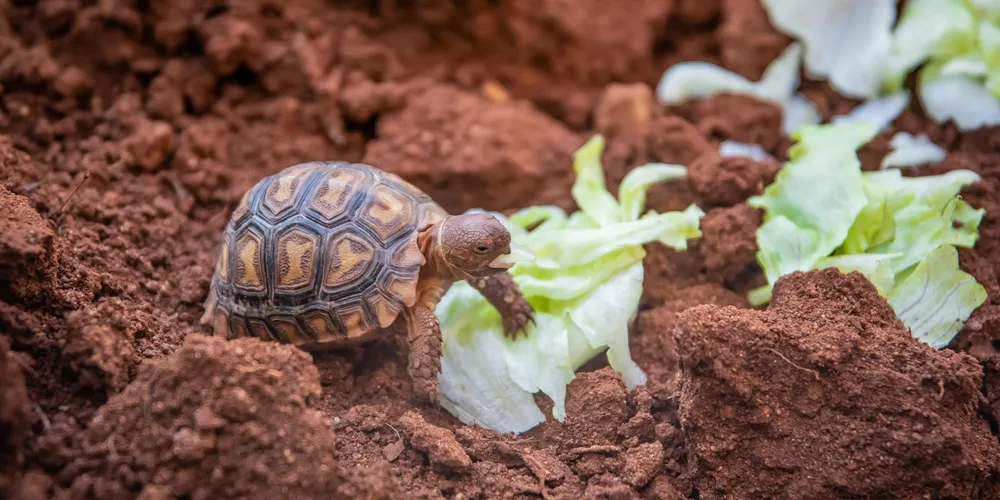
Providing diverse protein sources is key to keeping your painted turtle vibrant and healthy. Rotate between live insects, worms, and small fish to mimic their natural eating habits. I often feed my turtles earthworms, crickets, and occasional shrimp to maintain variety. This approach prevents boredom and supports muscle development.
- Earthworms: Rich in protein and easy to digest.
- Crickets: Offer a crunchy texture that turtles enjoy.
- Small feeder fish: Stimulate hunting instincts and provide omega fatty acids.
Avoid overfeeding protein to prevent shell deformities. Stick to a schedule where protein makes up about 25-50% of their diet, depending on age. Younger turtles need more protein for growth, while adults benefit from a balanced mix.
Vegetation and Greens for Vital Nutrients
Incorporate fresh greens and aquatic plants to round out their nutritional needs. Dark leafy greens like kale, collard greens, and dandelion leaves are excellent choices. For a complete, safe list of vegetables turtles can eat, consult a reputable care guide. I have found that offering a mix of vegetables keeps my turtles engaged and healthy. These foods provide calcium and vitamins that strengthen their shells and boost immunity.
- Kale: High in calcium and vitamin A.
- Duckweed: A floating plant that mimics wild forage.
- Romaine lettuce: Use in moderation for hydration and fiber.
Steer clear of iceberg lettuce due to its low nutritional value. Always wash greens thoroughly to remove pesticides and contaminants. This simple step safeguards your turtle from harmful substances.
Role of Commercial Pelleted Foods
Commercial pelleted foods can serve as a reliable foundation for your turtle’s diet. High-quality pellets are formulated to meet the nutritional requirements of aquatic turtles. I use pellets as a base and supplement with fresh foods to ensure variety. Look for brands that list whole ingredients and avoid fillers like artificial colors.
Pellets should not replace fresh foods entirely. Combine them with live prey and greens to create a well-rounded meal plan. For aquatic turtles, this means feeding a mix of live foods, pellets, and vegetables. Keeping a balance of these elements helps ensure protein, nutrients, and fiber for healthy growth. This method has helped my turtles maintain steady growth and vibrant colors over the years.
Soak pellets in water before feeding to aid digestion. This practice makes the food easier to eat and reduces the risk of impaction. It is a small adjustment that can greatly improve your turtle’s comfort and health. This tip is part of the ultimate beginners guide to feeding your pet turtle. It helps new owners establish a safe, effective feeding routine.
Age-Specific Feeding Guidelines
Just like my tortoises, Austen and Bronte, have different needs, a painted turtle’s diet changes dramatically with age. Feeding them appropriately for their life stage is the single most impactful thing you can do for their long-term health. A growing hatchling and a mature adult have completely different metabolic engines.
Hatchling Painted Turtle Diet
Hatchlings are little protein-powered growth machines. For their first year, their bodies are building bone, shell, and muscle at an incredible rate. Their diet should be heavily weighted towards high-quality animal protein, offered daily.
From my experience raising young reptiles, I’ve found a daily feeding routine works best to support their rapid development without overloading their tiny systems.
- Protein Staples: Live or frozen bloodworms, small crickets, and commercially raised livebearer fry (like guppies) are excellent choices. They provide movement that stimulates hunting behavior.
- Commercial Support: High-quality, hatchling-formulated turtle pellets should make up about 25% of their diet. Look for brands with a protein content around 40-45%.
- Plant Introduction: Even at this stage, offer finely chopped dark leafy greens like romaine or dandelion greens. While they may ignore them initially, it gets them accustomed to the sight and smell.
Adult Painted Turtle Diet
Once your turtle reaches maturity (around 3-5 years), its growth slows to a crawl. Its dietary needs shift significantly towards a more herbivorous lifestyle. An adult painted turtle’s diet should be roughly 50-60% plant-based material. Overfeeding protein at this stage is a common mistake that can lead to shell pyramiding and kidney issues.
I feed my adult box turtle, Orwell, on a strict schedule to prevent obesity, and the same principle applies to your painted turtle.
- Plant-Based Foundation: Their diet should be built on aquatic plants like anacharis, duckweed, and water lettuce. Romaine lettuce, kale, and shredded carrots are great additions.
- Reduced Protein: Animal protein should be a treat, offered only 2-3 times a week. Think of a few earthworms, a couple of feeder fish, or a small portion of pellets.
- Feeding Frequency: Most adults do well being fed a solid meal every other day. This mimics a more natural foraging rhythm and helps maintain a healthy weight.
Essential Supplements and Why They Matter
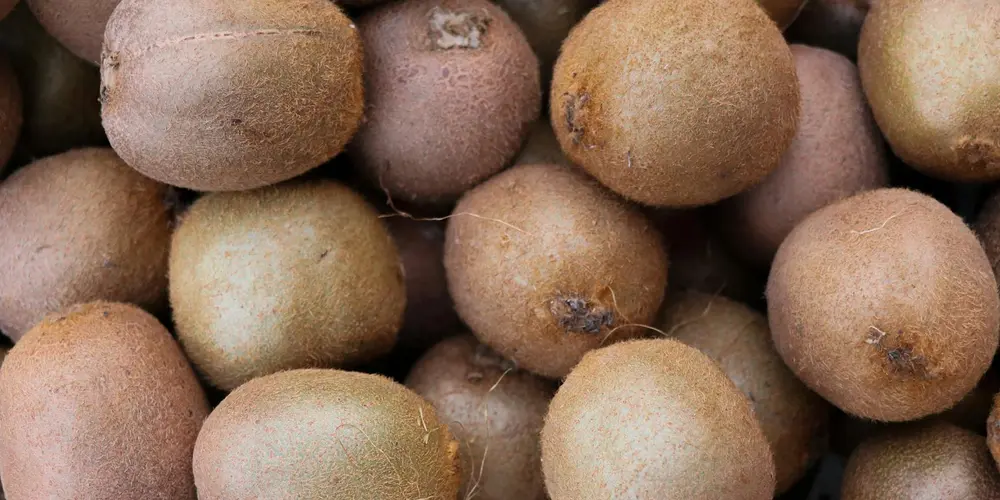
Even the most perfectly planned diet can lack specific micronutrients in captivity. Supplements are not optional extras; they are fundamental to preventing debilitating and painful metabolic diseases. In the wild, turtles get a vast array of minerals from the soil, plants, and prey we simply cannot fully replicate.
Calcium and Phosphorus Balance
Calcium is the literal building block of your turtle’s shell and skeleton. But it doesn’t work alone. The ratio of calcium to phosphorus in the diet is critically important, ideally around 2:1. Too much phosphorus binds with calcium and prevents its absorption, leading to metabolic bone disease (MBD).
I always keep a cuttlebone in all my turtles’ enclosures. They gnaw on it as needed, which is a perfect, self-regulating calcium source.
- Dust their protein-based foods with a pure calcium carbonate powder (without Vitamin D3) at every other feeding.
- Gut-load feeder insects with calcium-rich foods before offering them to your turtle.
- Be mindful that many commercial pellets are high in phosphorus, making external calcium supplementation even more vital.
Vitamin D3 for Shell and Bone Strength
You can feed all the calcium in the world, but without Vitamin D3, your turtle’s body cannot use it. Vitamin D3 acts like the key that unlocks the door for calcium absorption. In nature, turtles synthesize D3 naturally by basking under the sun’s UVB rays.
Since our indoor lighting can’t perfectly match the sun, we must supplement.
- Invest in a high-quality UVB bulb designed for reptiles and replace it every 6-12 months, as its output diminishes long before the light burns out.
- Provide a dry, warm basking spot directly under the UVB light so your turtle can synthesize its own D3.
- Use a multivitamin supplement that includes Vitamin D3, but use it sparingly-once a week is plenty. It’s far safer to let them produce most of their D3 through proper basking.
Feeding Frequency and Portion Control
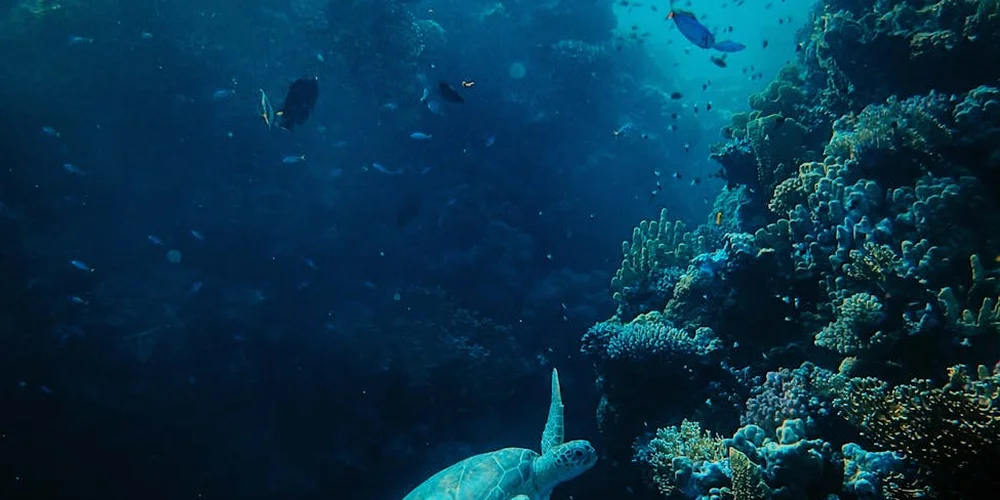
Getting the feeding schedule right is one of the most common challenges for new turtle owners. I learned this the hard way with my Russian tortoise, Austen, who would eat everything in sight if I let him. For a healthy adult painted turtle, feeding them the proper amount every other day is a solid routine, as described in one of the best feeding schedules for turtles.
Portion size is just as critical as timing. A good visual guide is to offer an amount of food that would roughly fit inside your turtle’s head, excluding the neck. This prevents overfeeding, which is a fast track to obesity and water quality issues.
Seasonal Adjustments in Diet
Your turtle’s metabolism is deeply connected to its environment, particularly temperature. In warmer summer months, their digestion is more active, and you might notice a slightly increased appetite. This is a good time to ensure their diet is rich and varied. As winter approaches and brumation begins, feeding typically slows or pauses for many turtles. Gradually adjust portions and keep the enclosure clean to support a smooth transition into dormancy.
As the days shorten and temperatures drop, even for indoor turtles, their metabolism will naturally slow. You may need to reduce feeding frequency. If your turtle is going through a brumation period (a form of hibernation for reptiles), you must gradually reduce and then stop feeding in the weeks leading up to it to allow their system to clear.
Foods to Avoid and Health Red Flags
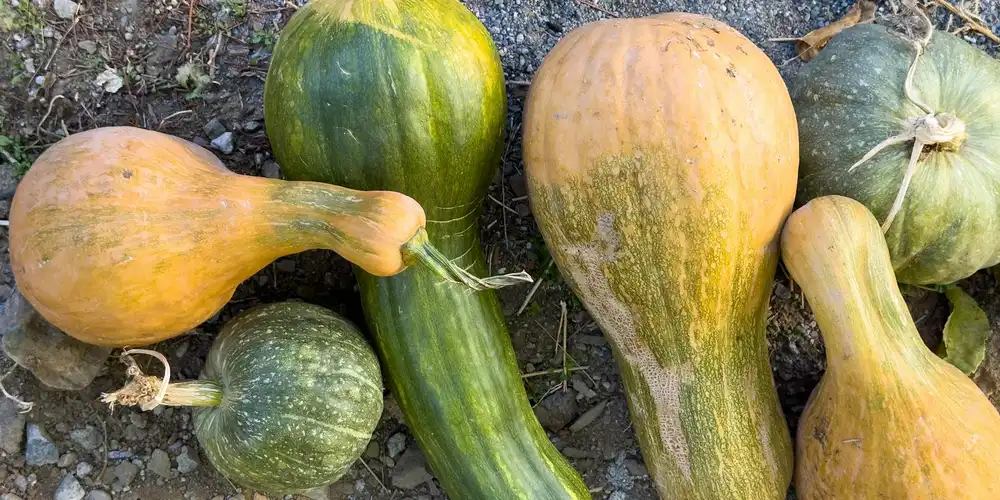
Just because a turtle will eat something doesn’t mean it should. Providing a safe diet is a fundamental part of animal welfare. Sticking to a diet designed for their species is the safest way to ensure their long-term health and vitality. Some turtles can safely eat certain plants and flowers, but always verify which ones are appropriate for your species. Introduce any new plants slowly and monitor your turtle’s response.
Common Toxic Plants and Substances
Many common household plants and human foods can be dangerous for your aquatic friend. It’s best to be cautious and avoid these entirely.
- Toxic Plants: Avoid any plant from the lily family, ivy, daffodils, and azaleas. When in doubt, leave it out.
- Processed Human Food: Bread, dairy products, and sugary snacks offer no nutritional value and can cause serious digestive upset.
- High-Fat Meat: Fatty cuts of beef or pork are difficult for them to process and can lead to health issues.
- Avocado and Rhubarb: These contain substances that are toxic to many reptiles and should never be offered.
Monitoring Your Turtle’s Health
Your turtle’s behavior and appearance are the best indicators of its well-being. Regular, gentle observation is your most powerful tool for catching potential problems early. A healthy painted turtle is alert, has clear eyes, and a firm shell without any soft spots or discoloration. To tell if your turtle is sick, watch for changes like reduced activity, appetite loss, swollen eyes, or discharge, and consult a reptile-savvy veterinarian promptly if you notice any of these signs.
Watch for these warning signs that something might be wrong.
- A sudden loss of appetite or refusal to eat for more than a few days.
- Lethargy or an inability to swim properly, such as listing to one side.
- Swollen eyes, a runny nose, or bubbles from the nose or mouth, which can indicate a respiratory infection.
- Soft spots on the shell or a slimy film, which are signs of shell rot.
If you notice any of these symptoms, consulting a veterinarian who specializes in reptiles is the most responsible course of action.
FAQs
What is the diet chart for painted turtles?
A diet chart outlines a balanced mix of protein, greens, and pellets tailored to their age and life stage. For example, juveniles need daily protein, while adults thrive on more plants and less frequent protein meals.
What is the painted turtles diet for beginners?
Beginners should start with high-quality commercial pellets as a staple and add fresh greens like kale or romaine lettuce. Supplement with occasional protein sources such as earthworms or feeder fish to ensure variety and proper nutrition.
What is the diet plan for painted turtles?
A weekly diet plan involves rotating protein sources like insects or fish 2-3 times a week for adults, alongside daily greens and pellets. This approach helps you create a balanced diet for your omnivorous turtle. By rotating protein sources, greens, and pellets, you cover essential nutrients while keeping meals varied. Always adjust portion sizes to match the turtle’s head size and feed every other day to prevent overfeeding.
What is the painted turtle diet on Reddit?
On Reddit, many owners suggest a varied diet rich in live foods and plants to mimic natural habits, but it’s essential to verify advice with reliable sources. Avoid common pitfalls like over-reliance on pellets or unsafe foods recommended in forums.
Why did my painted turtle die suddenly?
Sudden death can stem from poor water quality, nutritional imbalances, or undetected illnesses like shell rot or respiratory infections. Regular habitat maintenance and a balanced diet are key to preventing such health crises.
Keeping Your Painted Turtle Thriving
Providing a balanced diet of commercial pellets, live protein, and leafy greens is the foundation of your painted turtle’s health. Rotating these food items prevents nutritional gaps and keeps mealtime interesting for your shelled friend.
Caring for an aquatic turtle is a long-term commitment that requires you to stay curious and informed. Your dedication to learning directly shapes the quality and length of your turtle’s life, making you its most important advocate.
Further Reading & Sources
- Painted Turtles as Pets: Aquatic Turtle Care
- Painted turtle diet | The Planted Tank Forum
- r/turtles on Reddit: diet advice for painted turtle
- What Do Painted Turtles Eat? 20+ Foods They Thrive On – A-Z Animals
Matthew is a dedicated turtle enthusiast and conservationist with over 15 years of experience in reptile care. Known affectionately as "The Leatherback" among his peers, he combines his passion for turtles with a commitment to educating pet owners on responsible turtle care and environmental stewardship.
Common Turtle Foods