
Can Pet Turtles Safely Eat Grapes? What You Need to Know
Published on: January 30, 2026 | Last Updated: January 30, 2026
Written By: Matthew The
If you’re holding a grape and wondering if it’s a safe snack for your pet turtle, you’re not alone-many owners worry about potential choking hazards or hidden toxins in everyday fruits.
In this article, we’ll cover grape safety for turtles, proper feeding methods, portion guidelines, common risks, and healthy treat alternatives.
Grape Safety: Are Grapes Safe for Pet Turtles?
Yes, most pet turtles can safely eat grapes, but this comes with important conditions. Think of grapes as a special weekend dessert, not a daily vegetable side dish.
The main risks involve the seeds, skin, and high sugar content. Grape seeds can be a choking hazard and may contain trace amounts of compounds that are problematic in large quantities. I always meticulously remove every single seed from a grape before offering a piece to my Russian tortoise, Austen.
The skin, while not toxic, can be tough for some turtles to digest, especially smaller or younger ones. I peel a small section of the grape for my more delicate Greek tortoise, Bronte, to make it easier on her system. I also consider which human foods turtles eat safely and offer them only as occasional treats. Grapes, peeled and in tiny pieces, can be safe for some species.
Finally, the natural sugar is a big concern. Too much sugar can lead to digestive upset, like diarrhea, and long-term health issues. I learned this the hard way when Orwell, my box turtle, once managed to snag an entire grape I’d dropped. The messy result the next day was a powerful reminder to always serve tiny, controlled portions.
Nutritional Value: Benefits of Grapes in a Turtle’s Diet
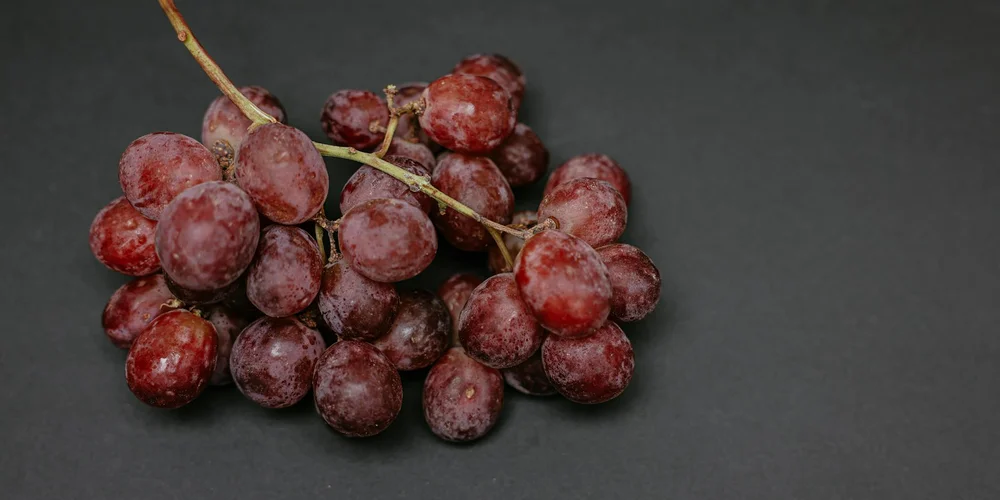
When fed correctly, grapes can offer a nice nutritional boost. They are like a juicy, vitamin-packed supplement to your turtle’s main meal plan.
Their primary value lies in hydration and certain vitamins. However, they should never replace the core components of a turtle’s diet, which are dark, leafy greens and other fibrous vegetables. For my tortoises, grapes are a rare treat that follows a hearty meal of dandelion greens and bell peppers. These vegetables form the cornerstone of a balanced diet for any turtle species.
Key Nutrients in Grapes
Grapes contain a few nutrients that can support your turtle’s health in small doses.
- Vitamin C: This supports a healthy immune system and helps with tissue repair.
- Vitamin K: Essential for proper blood clotting, which is vital for healing even small scrapes on their shells or skin.
- Potassium: Helps with nerve function and muscle health.
It’s crucial to remember that grapes are low in calcium and have an unfavorable calcium-to-phosphorus ratio. Since turtles need lots of calcium for strong bones and shells, a grape-heavy diet would throw this balance off, potentially leading to metabolic bone disease. This is why variety is non-negotiable.
Hydration and Digestion
The high water content in grapes is a great way to provide a little extra hydration, especially on a warm day. I sometimes offer a small, peeled grape piece to Austen after he’s been basking for a while, and he always seems to appreciate the moist refreshment.
This same feature is a double-edged sword. Too much of this watery, sugary fruit can overwhelm their digestive system. I’ve noticed that when Bronte has even a slightly larger piece than usual, her droppings become much softer. Moderation is the key to harnessing the hydrating benefits without causing digestive distress.
Risks and Precautions When Feeding Grapes
Feeding grapes comes with specific risks that require your attention. The high sugar content in grapes can disrupt your turtle’s delicate digestive system if fed too often. I’ve seen this firsthand with my own shelled friends.
Always source organic grapes when possible to minimize pesticide exposure. Pesticide residues on conventional produce can be harmful to a turtle’s small body. Your turtle’s long-term health is worth that extra bit of effort.
A thorough wash is non-negotiable. I make a habit of washing all fruits and vegetables in a vinegar-water solution before they ever get near my turtles’ food dish. This simple step dramatically reduces surface chemicals. Similarly, disinfect your turtle’s enclosure safely, using a pet-safe disinfectant and following the label directions. Rinse thoroughly and let it dry before reintroducing them.
Your most powerful tool is observation. Watch your turtle closely after introducing any new food, including grapes, and never hesitate to consult your exotic veterinarian with questions. Their specialized knowledge is invaluable for proactive care.
Common Digestive Issues
Recognizing the signs of trouble early can prevent a minor issue from becoming serious. Lethargy, a loss of appetite, or unusual stools are clear signals that something is off. My Greek tortoise, Bronte, once taught me this lesson after a new food didn’t agree with her.
Trust your instincts as a pet parent. If your turtle seems uncomfortable or isn’t acting like themselves for more than a day, it’s time to seek professional help. Common signs your turtle may need veterinary care include lethargy, loss of appetite, or shell abnormalities. A quick call to your vet provides peace of mind and ensures your pet gets the care they need.
Age and Species Considerations
Not all turtles should try grapes. Baby and juvenile turtles have more sensitive digestive systems and should stick to their core, nutrient-dense growth diet. In a basic hatchling nutrition guide, you’ll find tips on what baby turtles can eat and when to introduce new foods. Introducing sugary fruits too early can cause problems.
Species matters immensely. My Russian tortoise, Austen, handles the occasional grape piece well, but I am far more cautious with my Box Turtle, Orwell. Some species are simply better equipped to process fruit than others. Research your specific turtle’s natural diet for the best guidance.
Step-by-Step Guide to Preparing and Feeding Grapes

Following a careful process ensures the treat is both safe and enjoyable for your turtle.
- Select one or two seedless, organic grapes.
- Wash them thoroughly under cool running water, scrubbing the skin gently.
- Pat the grapes dry with a clean paper towel.
- Slice each grape into quarters; for smaller turtles, cut those pieces in half again.
- Offer one small piece to your turtle and observe their reaction.
- Remove any uneaten fruit from the enclosure within a few hours to prevent spoilage.
This method prevents choking and allows you to control the portion size effectively. I always prepare treats this way for my trio.
Washing and Cutting Techniques
Proper prep is your best defense against hidden dangers. I use a mix of one part white vinegar to three parts water for a final rinse, which helps dissolve wax and pesticide residues. A quick scrub with a dedicated produce brush works wonders on the skin.
Cutting is about safety. Every grape must be cut into pieces small enough that your turtle cannot choke-think no larger than the size of their head. It’s a little extra work, but it’s a non-negotiable part of responsible treat-giving.
Feeding Frequency and Portions
Moderation is the golden rule. Grapes should be a rare delight, not a dietary staple-think once every couple of weeks at most. Their main diet should always be leafy greens and appropriate proteins.
Portion size depends on your turtle’s size. A single grape, properly cut, is more than enough for one serving for most adult turtles. For smaller species, a couple of small pieces are plenty. Overfeeding, even with a healthy treat, can lead to nutritional imbalances.
Moderation and Healthy Feeding Practices

-
Grapes can be a fun treat, but they should never replace the core of your turtle’s diet. Balance is everything when it comes to keeping your shelled friend thriving for years. I learned this early on with my Russian tortoise, Austen, who thrives on a mix of leafy greens like dandelion and turnip greens, paired with occasional protein like earthworms. For aquatic turtles, feeding typically centers on a mix of commercial pellets, vegetables, and live foods to keep them healthy. Regular variety helps prevent picky eating and supports their aquatic lifestyle.
In my routine, fruits like grapes make up less than 10% of their weekly meals. Stick to a schedule where greens are the daily staple, protein is offered a few times a week, and sugary fruits are rare surprises. This approach has kept Austen, Bronte, and Orwell in great shape without any diet-related issues.
Monitoring After Feeding
-
Watch your turtle closely for any changes in behavior or digestion after they eat grapes. Signs of a problem can include lethargy, loss of appetite, or unusual stool like diarrhea. My box turtle, Orwell, once had a mild reaction to a new food, so I always check that he’s active and eating normally afterward. That’s part of how I tell if my turtle is sick: I look for changes in activity, appetite, and digestion. If anything seems off, I take note and consider a vet check.
Keep an eye on their energy levels and shell condition over the next day. Proactive care means noting small shifts early, so you can adjust their diet or seek vet advice if needed. This simple habit helps prevent bigger health worries down the line.
Safe Fruit Alternatives for Your Turtle

-
If you want to offer variety without the risks of grapes, try safer fruits like strawberries, melon, or peeled apple slices. These options are lower in sugar and easier on your turtle’s digestive system when given in small amounts. In a complete guide on what turtles eat, strawberries are highlighted as a safe berry option to include in moderation. They illustrate how berries fit into a balanced turtle diet. My Greek tortoise, Bronte, loves a tiny piece of strawberry as a special reward, and it adds color and fun to her meals.
Incorporate vegetables like shredded carrots or bell peppers for extra nutrients. To create a balanced diet for your omnivorous turtle, pair plant foods with appropriate protein sources such as insects or small aquatic prey. A varied diet with these alternatives supports optimal health and keeps your turtle engaged and happy. Rotating foods ensures they get a wide range of vitamins, just like I do for all my turtles to mimic their natural foraging habits.
FAQs
Are there any turtle species that are particularly sensitive to grapes?
Yes, some species like box turtles or those with herbivorous diets may be more prone to digestive upset from grapes. Always check your turtle’s specific dietary requirements and consult a vet if unsure.
Can I feed my turtle grapes if they have a pre-existing health condition?
It’s best to avoid grapes if your turtle has conditions like diabetes or chronic digestive issues. Many turtles can safely munch on certain plants and flowers as part of a balanced diet. Seek advice from an exotic veterinarian to ensure any treats align with their health needs.
How do I properly store grapes for turtle feeding?
Keep grapes refrigerated in a sealed container to maintain freshness and prevent spoilage. Always wash them thoroughly right before serving to remove any residues or contaminants.
Final Thoughts on Grapes and Your Turtle’s Diet
You can safely share a grape with your turtle as a very occasional treat, provided you always remove the seeds and cut the fruit into small, manageable pieces. Moderation is your best guide, turning a potential risk into a simple, safe snack.
Caring for a turtle is a long-term commitment to understanding their unique dietary and habitat needs. Your dedication to continuous learning is the truest form of love you can offer your shelled companion.
Further Reading & Sources
- Can Turtles Eat Grapes? Our Vet Answers | Hepper Pet Resources
- Can Turtles Eat Grapes? Our Vet Answers | PangoVet Pet Corner
- r/turtle on Reddit: grapes- good or bad
- r/turtle on Reddit: How many grapes can red sliders eat per week?
Matthew is a dedicated turtle enthusiast and conservationist with over 15 years of experience in reptile care. Known affectionately as "The Leatherback" among his peers, he combines his passion for turtles with a commitment to educating pet owners on responsible turtle care and environmental stewardship.
Common Turtle Foods