
Water Quality Woes: 6 Common Filtration Mistakes Turtle Owners Make
Published on: February 14, 2026 | Last Updated: February 14, 2026
Written By: Matthew The
Is your turtle’s water murky or smelly despite your best efforts? You might be making simple filtration errors that put your pet’s health at risk.
In this article, I’ll share insights from caring for my own turtles-Austen, Bronte, and Orwell-and cover the top six mistakes: using the wrong filter size, neglecting filter cleaning, overfeeding, improper water change schedules, ignoring water chemistry, and poor filter placement.
Why Proper Filtration Matters for Your Turtle’s Health
Your turtle spends most of its life in water, so clean conditions are non-negotiable for its well-being. Poor filtration leads to ammonia spikes from waste, which can cause shell rot, respiratory infections, and chronic stress. I’ve seen how even my tortoises, like Austen, thrive in clean habitats-imagine how vital it is for aquatic friends.
Turtles produce more waste than fish, overwhelming standard filters not designed for them. Consistent water quality supports their immune system and prevents avoidable vet visits. A turtle tank water quality testing maintenance schedule helps keep conditions stable. Routine tests for ammonia, nitrite, nitrate, pH, and temperature catch issues early. Advocating for animal welfare means giving every pet a healthy home, starting with the water they live in.
The Basics of Turtle Tank Filtration
Filtration isn’t just about clear water—it’s a three-part process that keeps your turtle safe. Mechanical filtration traps debris, biological filtration breaks down toxins, and chemical filtration removes impurities. Think of it like a mini-ecosystem working nonstop. Essential filtration systems keep turtle water clean by continuously circulating and filtering. Regular maintenance ensures they perform at their best.
- Mechanical: Captures visible waste like uneaten food and feces.
- Biological: Uses beneficial bacteria to convert ammonia into less harmful substances.
- Chemical: Often involves activated carbon to absorb odors and dissolved pollutants.
From setting up tanks over the years, I learned that balancing all three types ensures a stable environment. Skip one, and you risk water that looks clean but hides dangers.
Mistake 1: Choosing an Undersized Filter

Many owners pick filters based on fish tank guidelines, not realizing turtles need much more power. An undersized filter can’t handle the waste load, leading to cloudy water and unhealthy conditions. That’s why the best filter for an aquatic turtle tank matters. A turtle-specific filter provides higher flow and better waste processing. I once tried a small filter for a temporary setup and ended up cleaning daily—it’s a recipe for frustration.
Your turtle’s health depends on a filter that matches its messy habits. Weak filtration forces toxins to accumulate, stressing your pet and increasing disease risk. Always err on the side of more capacity, not less.
How to Size Your Filter Correctly
Getting the right size involves simple math and knowing your turtle’s needs. Start by calculating your tank’s volume in gallons, then multiply it by two or three for turtles. This accounts for their high waste production.
- Measure tank dimensions: Length x Width x Height (in inches) divided by 231 gives gallons.
- Factor in turtle size and number: Larger or multiple turtles need even stronger filters.
- Check filter flow rate: Aim for a turnover of 4-6 times the tank volume per hour.
When I upgraded Bronte’s habitat, I used a canister filter rated for triple her tank size; water stayed crystal clear. If you’re deciding between a canister and an internal filter for turtle habitats, it’s helpful to compare flow rates, maintenance needs, and space. A quick comparison can help you pick the right setup for your enclosure. For more details, check out the best anchor text: canister vs internal filters. Investing in robust filtration saves you time and keeps your turtle vibrant.
Mistake 2: Incorrect Filter Installation
You might think setting up a filter is straightforward, but small errors can lead to big issues. An improperly installed filter can cause poor water circulation, noise, and even harm your turtle’s health over time. If your turtle’s water always stays dirty, this filtration maintenance troubleshooting guide can help explain why and how to fix it. Learn common causes and practical steps to keep the tank clean.
With Orwell, my box turtle, I once placed the filter too high, creating splashes that made him retreat into his shell. Turtles like calm, steady environments, and incorrect setup disrupts that.
Best Practices for Filter Setup
Follow these steps to ensure your filter runs smoothly from day one. I’ve refined this process through trial and error with all my turtles.
- Select a filter rated for a larger tank size than you have, as turtles produce more waste than fish.
- Position the filter to create a gentle current, avoiding direct flow onto basking areas to prevent stress.
- Prime the filter by filling it with water before plugging it in to eliminate airlocks and ensure immediate operation.
- Secure all hoses and attachments firmly to prevent leaks that could lower water levels unexpectedly.
Test the water flow after installation to confirm it reaches all tank corners, helping to disperse waste evenly. This simple check can save you from future headaches.
Mistake 3: Poor Filter Media Maintenance

Ignoring your filter media is like letting trash pile up in your home-it eventually affects everything. Clogged or old media reduces filtration efficiency, allowing toxins like ammonia to build up and endanger your turtle.
I learned this lesson with Austen’s setup; skipping media checks led to cloudy water and him becoming less active. Regular care makes a visible difference in their well-being.
When and How to Care for Your Filter Media
Stick to a routine to keep your media in top shape. For Bronte’s tank, I follow a monthly schedule that balances cleanliness with bacterial health.
- Rinse mechanical media, like sponges, in old tank water every 2-4 weeks to remove debris without harming beneficial bacteria.
- Replace chemical media, such as carbon, every 4-6 weeks or as the manufacturer advises, to maintain adsorption power.
- Inspect biological media monthly for blockages; gently agitate it in used tank water to preserve the nitrogen cycle.
Always handle media with care to avoid crushing or over-cleaning, which can destroy the delicate ecosystem your turtle relies on. This approach supports a healthier habitat and reduces stress on your pet.
Mistake 4: Overlooking Water Flow Adjustments
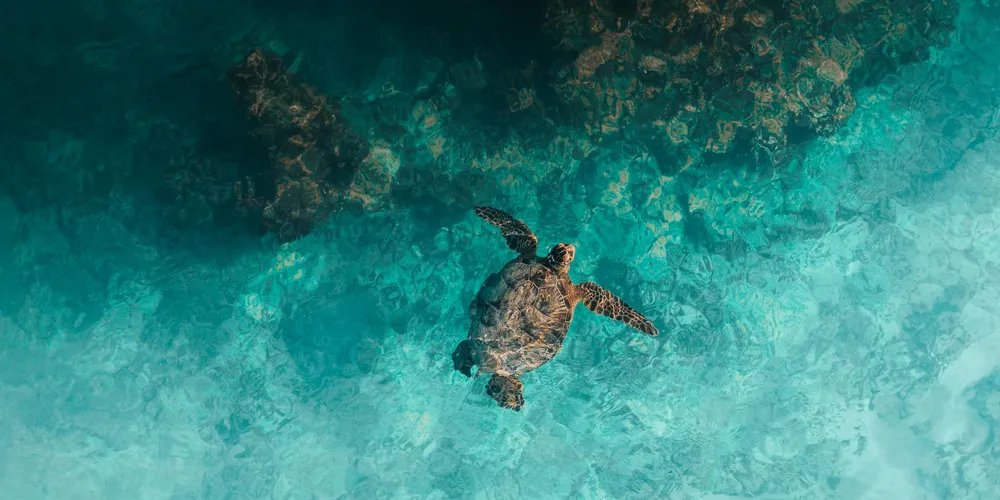
Setting the Ideal Water Flow
Many turtle owners forget that water flow isn’t just about filtration-it’s about your turtle’s comfort and health. Too much current can stress your turtle, making them avoid swimming or eating, while too little fails to remove waste effectively. I’ve observed this with my own reptiles; even my tortoise Austen shows stress when his habitat has poor air circulation, reminding me how sensitive these creatures are.
Start by checking your filter’s flow rate and adjust it based on your turtle’s size and species. A gentle, steady flow that allows your turtle to swim comfortably without fighting the current is your goal. Use this simple method to test it: place a small, sinking pellet in the water and watch if it moves slowly across the tank without swirling violently. These checks are part of our aquatic turtle tank problems—step-by-step troubleshooting guide. Continue with the next steps to troubleshoot common tank issues.
- For small turtles, aim for a flow that barely ripples the surface.
- Larger species might handle a moderate flow, but always monitor their behavior.
- Adjust the filter settings gradually over a few days to avoid shocking your pet.
If your turtle hides or struggles to surface, reduce the flow immediately. I learned this the hard way when I first set up a tank and saw my friend’s turtle become lethargic from overpowering currents. Regular checks ensure your turtle enjoys a habitat that feels natural and safe.
Mistake 5: Skipping Regular Water Changes
Creating a Balanced Water Change Routine
Skipping water changes might seem harmless, but it leads to toxin buildup that harms your turtle’s shell and health. Waste and ammonia accumulate quickly, turning clear water into a hazardous environment. From my experience with Bronte, my Greek tortoise, I know that even small changes in habitat cleanliness prevent infections and keep pets thriving.
Establish a routine that fits your schedule without overwhelming you. Changing 25-50% of the water weekly works well for most setups, balancing cleanliness with stability. Use a siphon to remove debris from the bottom, and always treat new water with a dechlorinator to protect your turtle’s sensitive skin. This is part of the essential turtle tank setup and its complete daily, weekly, monthly care guide. Sticking to these tasks helps keep the tank stable and your turtle healthy.
- Test water parameters like pH and ammonia before each change.
- Remove old water slowly to avoid stressing your turtle.
- Add fresh, temperature-matched water to maintain a consistent environment.
Stick to this rhythm, and you’ll notice your turtle is more active and vibrant. I’ve found that consistency here is key-just like how Orwell, my box turtle, thrives on a predictable feeding schedule. This simple habit supports animal welfare by reducing disease risks and promoting a happy, healthy life.
Mistake 6: Failing to Monitor Water Parameters

You might think your turtle’s water looks fine, but appearances can be deceiving. Ignoring water parameters is like guessing the weather without a forecast-it often leads to unexpected storms for your pet’s health. I learned this the hard way with Orwell, my box turtle, when subtle changes in his behavior signaled underlying water issues I hadn’t caught early enough.
How to Test and Maintain Water Quality
Testing your turtle’s water doesn’t have to be complicated. Start with a reliable test kit to measure key factors like ammonia, nitrite, nitrate, and pH levels weekly. I use liquid test kits for Austen and Bronte’s habitats because they give precise readings that help me spot trends before problems escalate. Keeping these essential parameters in the healthy range is how you maintain a healthy turtle tank. Consistent readings help you catch problems early before they affect your pets.
- Check ammonia first-it should always read zero to prevent respiratory stress.
- Monitor nitrite and nitrate; aim for nitrite at zero and nitrate below 20 ppm to avoid shell rot.
- Test pH levels, keeping them stable between 6.5 and 8 for most turtle species.
Perform partial water changes of 25-50% weekly to dilute toxins and replenish minerals. Consistency here is your best friend-it keeps the water balanced and reduces stress on your turtle’s immune system. With Bronte, my Greek tortoise, I pair this with filter checks to ensure debris doesn’t throw off the chemistry.
- Use a gravel vacuum during water changes to remove waste from the substrate.
- Record your test results in a simple log to track patterns over time.
- Adjust feeding habits if nitrate spikes; overfeeding is a common culprit.
Temperature matters too-keep it steady between 75-85°F to support digestion and activity. Small, regular adjustments prevent drastic swings that can harm delicate species like Russian tortoises. From my experience with Austen, a stable environment means fewer vet visits and a happier, more active turtle.
FAQs
How often should I completely replace my filter media?
You should never replace all filter media at once, as this removes the beneficial bacteria essential for breaking down toxins. Only replace mechanical and chemical media as needed, and always rinse biological media in old tank water to preserve the bacterial colony.
What can I do if my filter creates a current that is too strong for my turtle?
You can reduce the filter’s current by attaching a spray bar to disperse the water flow or by placing a rock or decoration in front of the output to break up the direct stream. Always observe your turtle’s behavior after making adjustments to ensure it is no longer stressed.
What are the signs that my tank water needs changing before the scheduled routine?
Visible signs include cloudiness, a foul odor, or a filmy layer on the water’s surface. Behavioral signs from your turtle can include lethargy, reduced appetite, or frequently rubbing its eyes, which indicate poor water quality.
Navigating Towards Healthier Turtle Habitats
Focus on consistent filter maintenance and proper sizing to sidestep common pitfalls that cloud your turtle’s water. Pairing regular cleanings with mindful feeding habits transforms their environment from murky to marvelous. To keep that clarity, follow the ultimate turtle habitat cleaning schedule—weekly filter checks and water changes, with monthly substrate cleanouts. Consistency makes the water sparkle without surprises.
Commit to lifelong learning about pet turtle care, as each species has unique needs that evolve over time. Staying curious and proactive in your approach ensures your turtle enjoys a vibrant, thriving life under your watch.
Further Reading & Sources
- 5 Common Turtle Care Mistakes – Turtle Rescue League
- r/turtle on Reddit: Supercharge your filter – How to properly setup filteration
- 9 Common Mistakes Made by Turtle Parents and How To Avoid Them | PetMD
- Red-Eared Slider Water Management: Filtration & Treatment
Matthew is a dedicated turtle enthusiast and conservationist with over 15 years of experience in reptile care. Known affectionately as "The Leatherback" among his peers, he combines his passion for turtles with a commitment to educating pet owners on responsible turtle care and environmental stewardship.
Water Quality