
Safe Outdoor Time for Your Turtle: A Step-by-Step Guide
Published on: February 19, 2026 | Last Updated: February 19, 2026
Written By: Matthew The
You want to give your turtle the joy of sunshine and fresh air, but the fear of them getting lost, hurt, or stressed can be paralyzing. I’ve felt that exact worry every time I considered letting my Russian tortoise, Austen, explore beyond his indoor enclosure.
In this guide, we’ll cover: preparing a secure outdoor space, identifying potential hazards, managing the duration of visits, and reading your turtle’s body language for signs of stress or contentment. A little planning makes all the difference for a safe and happy adventure.
Why Supervised Outdoor Time Benefits Your Turtle
Natural sunlight provides a full spectrum of light that even the best artificial UVB bulbs struggle to replicate perfectly. I’ve noticed my tortoises, Austen and Bronte, become more vibrant and active after just 20 minutes of real sunshine. The sun encourages natural Vitamin D3 synthesis, which is fundamental for proper calcium absorption and a strong, healthy shell.
Beyond the physical perks, the mental stimulation is incredible. I set up a small, shallow dish of water for Austen, my Russian tortoise, to walk through, and he now actively seeks it out during our outside sessions. Watching them explore different textures like grass, smooth stones, and soft soil provides a level of enrichment I simply can’t recreate indoors. For Bronte, my Greek tortoise, I’ll sometimes hide a piece of her favorite dandelion green under a single, safe leaf, and her focused hunting is a joy to watch.
- Improved Appetite: Both Austen and Bronte consistently eat with more enthusiasm after some time outside.
- Increased Activity: Natural exploration replaces repetitive glass-surfing or hiding behaviors.
- Stronger Shell and Bones: Direct sunlight is the most effective way to process dietary calcium.
- Reduced Stress: A change of scenery and natural stimuli can lower anxiety levels.
Essential Preparations Before Heading Outside
Weather and Environmental Checks
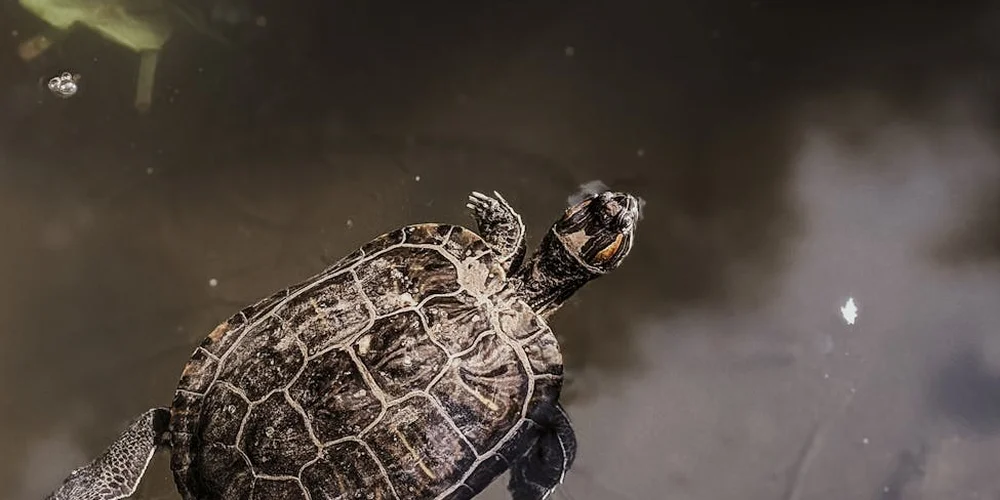
I never take my shelled family outside without a quick environmental scan. The ideal temperature range for most common pet turtles and tortoises is between 70°F and 85°F (21°C – 29°C). I always check that there is a mix of sunny basking spots and shaded areas available so they can self-regulate their temperature. I also follow a quick habitat-diagnosis checklist for perfect lighting, heat, and clean water.
- Use a simple digital thermometer to check the ambient air temperature in both sun and shade.
- Avoid going out during the hottest part of the day, typically between 11 am and 3 pm.
- Ensure humidity levels are appropriate for your species; my Russian tortoise Austen prefers it drier, while Orwell the box turtle appreciates a bit more moisture.
- Never place them in direct, harsh sunlight without an easy escape route to cooler, shaded cover.
Gathering Your Safety Gear
Having the right gear on hand transforms a potentially risky outing into a secure and enjoyable experience. After a close call with Orwell, who is a surprisingly adept climber, I never skip any of these items. His adventurous spirit taught me that you can never be too prepared.
- Turtle Playpen: A dedicated, escape-proof enclosure with solid sides at least 1.5 times the height of your turtle’s shell length.
- Shallow Water Bowl: A heavy, tip-resistant dish for hydration and a quick cool-down soak.
- Improvised Shelter: A small cardboard box or a commercially available reptile hide placed in the shade.
- Basic First Aid Kit: Include sterile saline, styptic powder for minor scrapes, and tweezers.
My pro tip is to weigh down the corners of a pop-up playpen with rocks. Orwell once leveraged his strength against the mesh and nearly tipped a corner; a few smooth, heavy stones solved that problem instantly. Always do a visual perimeter check every few minutes to ensure no gaps have appeared.
Creating a Secure Outdoor Enclosure
Selecting Safe Surfaces and Location
Finding the perfect spot is your first step toward a successful outdoor adventure. I always look for a quiet, fenced-in area away from busy streets and the prying eyes of birds or curious pets.
Your turtle’s safety hinges on a location that is both predator-free and easy for you to watch constantly. A corner of a backyard garden often works perfectly. For a supervised free-roaming setup, this space should be turtle-proofed and easy to monitor. Keep barriers secure and remove potential hazards so your turtle can explore safely under your watch.
- Choose a flat area with a mix of short, untreated grass and soft soil. Avoid areas sprayed with pesticides or fertilizers.
- Ensure there is ample shade provided by a tree, a shrub, or a portable sunshade to prevent overheating.
- Stay close to your home for quick access to water or to bring your pet inside if the weather changes suddenly.
Setting Up Basking and Shelter Zones
Think of your outdoor space as a miniature version of their indoor habitat. Turtles, like my Russian Tortoise Austen, thrive when they can regulate their own body temperature. Do turtles need nighttime heat management? In outdoor setups, a sheltered warm spot at night helps prevent cold stress and mirrors their natural temperature cycles. A simple nighttime heat management plan is a key part of any turtle care guide.
Creating a distinct temperature gradient from warm basking spots to cool hiding areas is non-negotiable for their comfort. This mimics their natural behavior perfectly.
- Position a flat, smooth stone or a slate tile in a sunny patch to serve as a basking platform.
- Directly adjacent, set up a shelter using a half-buried terracotta pot on its side or a small wooden hide box buried in the shade.
- Place a shallow, heavy water dish that they cannot tip over in the shaded zone for easy drinking and a quick cool-down soak.
The Step-by-Step Introduction Process
Starting with Short, Gradual Exposure
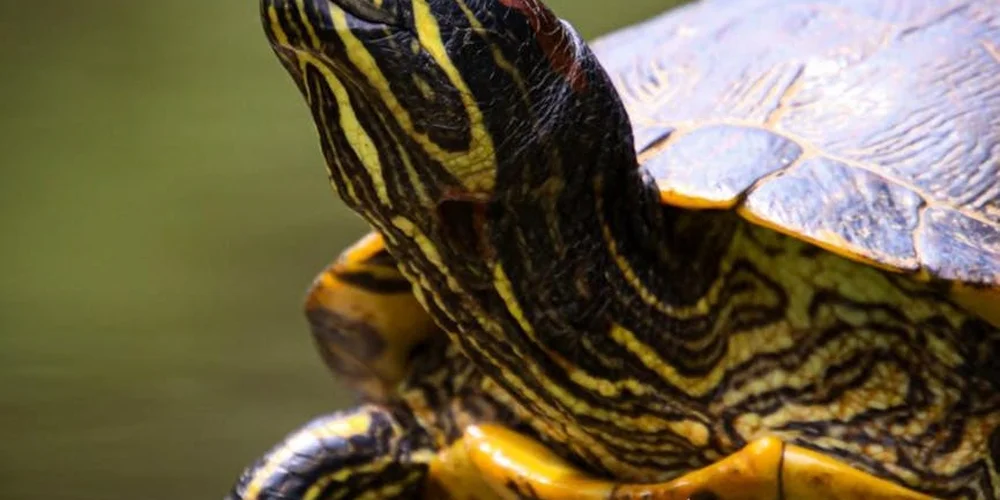
The first time outside can be overwhelming for a turtle used to the consistent safety of its tank. I learned this with Bronte, who would immediately retreat into her shell at the slightest breeze. That experience reminded me how quickly an aquatic turtle can become stressed. It underscored the importance of understanding aquatic turtle safety to prevent drowning or injury outdoors.
Begin with brief, 10 to 15-minute sessions to let your turtle acclimate without feeling threatened. Patience here builds a foundation of trust. During the first week, follow the 10 essential tasks checklist to settle your new turtle. These small steps help establish routine and reduce stress.
- Carry your turtle gently to the enclosure, supporting its entire body and shell with both hands.
- Place them down softly in the shaded area, allowing them to exit their shell and explore on their own terms.
- Over a week or two, gradually extend the time by 5-minute increments as they appear more relaxed and curious.
Monitoring Behavior for Signs of Distress
Your turtle communicates its comfort level through its actions, not its voice. Color changes, shell sheen, and eye brightness are clues that accompany those actions. Watching Orwell taught me to read the subtle signs of stress versus contentment, including how coloration shifts signal its mood.
Constant, quiet observation is your most important tool for ensuring a positive experience. If you see any of these cues, it’s time to head inside.
- Signs of stress include hiding their head and limbs for an extended period, frantic scrambling against the enclosure walls, or excessive hissing.
- A lack of interest in moving or exploring their surroundings can also indicate they are too cold or simply not enjoying the experience.
- End the session immediately if you notice heavy, open-mouthed breathing, which signals overheating, or if they attempt to eat unsafe plants or substrate.
Handling Common Outdoor Risks
Predator and Escape Prevention Strategies
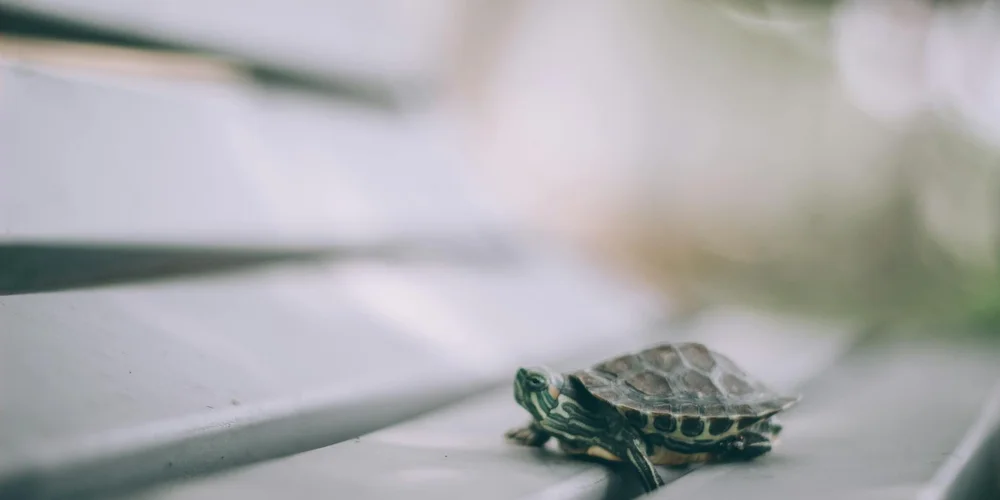
Your yard might seem safe, but it’s a landscape of potential dangers for a small, slow-moving reptile. I never let my tortoises, Austen and Bronte, outside without a physical barrier securing their play area. A simple, low-sided plastic playpen works wonders for containing them while allowing them to graze.
- Always use a secure, opaque-sided playpen at least three times the height of your turtle’s shell.
- Check your entire yard fence for gaps or holes before each outdoor session, no matter how small.
- Place their enclosure in a shaded area, away from shrubs where cats or other predators could hide.
- Never, ever leave them unattended, even for a minute to grab a drink.
I learned this the hard way with my Greek tortoise, Bronte. A hawk once swooped down, and I only had time to wave my arms and shout because I was right there. That heart-stopping moment cemented my rule: my presence is their primary defense. Now, I sit with them, enjoying the sun together, always within arm’s reach.
First Aid and Emergency Readiness
Accidents can happen in an instant, so being prepared is non-negotiable. Keep a small kit with a spray bottle of cool water, sterile gauze, and a small container to act as a temporary carrier.
If your turtle seems lethargic, is panting, or is trying to bury itself frantically, it’s likely overheating. If you’re wondering how to tell if your turtle is sick, watch for signs that persist beyond heat exposure and consider a vet visit if unsure. Immediately move them to a cool, shaded spot and gently mist their shell and legs with cool (not cold) water. For minor cuts or scrapes, gently clean the area with water.
- For overheating: Relocate to shade, provide water to drink, and mist their skin and shell.
- For injury: Apply gentle pressure with gauze to stop bleeding and contact your vet immediately.
- Have your exotic vet’s phone number and the address of the nearest emergency animal clinic saved in your phone.
Time is critical with reptiles. Don’t wait to see if they “get better”; call your vet at the first sign of serious distress. Their slow metabolism means by the time they show obvious illness, they have been unwell for some time.
Post-Outdoor Care and Hygiene
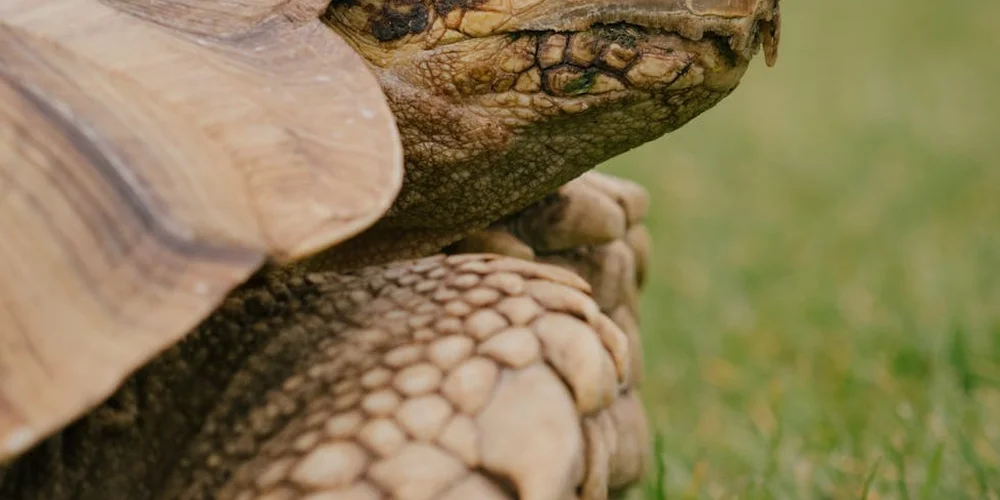
Bringing the outdoors inside can introduce unwanted guests. I always give Orwell a thorough but gentle rinse in lukewarm water when he comes back from his garden adventures. This washes away dirt, potential pesticides, and any tiny hitchhikers.
Clean their playpen or any outdoor gear with a mild, reptile-safe disinfectant. This simple habit prevents the spread of bacteria and parasites into their main indoor habitat.
- Perform a visual check of their skin, shell, and leg folds for any ticks or mites.
- Look for any new scratches, soft spots on the shell, or changes in their usual behavior.
- Monitor their appetite and energy levels for the next 24 hours to ensure they aren’t stressed.
This post-outdoor routine takes me less than ten minutes. That small investment of time ensures my shelled companions stay healthy and happy after enjoying the fresh air. It gives me peace of mind, knowing I’ve done everything to keep them safe from hidden threats.
FAQs
How often can I safely take my turtle outside for supervised time?
Start with short sessions a few times a week to help your turtle adjust to the new environment. Gradually increase frequency as they show comfort, but avoid overdoing it to prevent stress. For your new turtle’s first 24 hours, follow our step-by-step acclimation guide to ease them into their tank. This helps you pace introductions and monitor signs of stress during the critical first day.
What should I do if my turtle seems scared or stressed during its first outdoor visit?
Gently move your turtle to a quiet, shaded spot and let it hide in its shell until it calms down. If it remains anxious, end the session early and try again later with a more gradual approach. These steps help you avoid the five critical mistakes first-time turtle handlers commonly make.
Are there any specific times of day that are best for outdoor turtle time?
Early morning or late afternoon are optimal times when temperatures are cooler and sunlight is less intense. This reduces the risk of overheating and makes the experience more enjoyable for your turtle. Understanding turtle basking behavior helps explain why they spend so much time out of water. Basking helps regulate temperature, dry the shell, and absorb UVB for healthy metabolism.
Your Turtle’s Outdoor Adventure Awaits
By always providing direct supervision and creating a secure, escape-proof enclosure, you build a foundation for countless safe outdoor experiences. Remember to offer shade, fresh water, and be vigilant for predators and hazardous plants during every single session.
Being a responsible turtle guardian means committing to a lifelong journey of learning about their unique needs and behaviors. Your dedication to their well-being ensures your shelled friend can enjoy the sunshine and fresh air for many healthy years to come.
Further Reading & Sources
- Seven Ways to Help Sea Turtles When You Visit During Sea Turtle Season • Jekyll Island, Georgia • Vacation, Conservation, and Education Destination
- Sea Turtle Safe Lighting Guide – Clearwater Marine Aquarium
- Water Turtle Care SheetCTTC
- 14 Easy Steps to Make an Outdoor Turtle Enclosure Even If You Know Nothing – The Turtle Hub
Matthew is a dedicated turtle enthusiast and conservationist with over 15 years of experience in reptile care. Known affectionately as "The Leatherback" among his peers, he combines his passion for turtles with a commitment to educating pet owners on responsible turtle care and environmental stewardship.
Safe Handling Techniques