
Adopting an Adult Turtle vs. Raising a Hatchling: A Beginner’s Guide
Choosing between adopting an adult turtle or raising a hatchling can leave you feeling stuck, especially when you’re new to reptile care and worried about making the wrong choice. From my years with turtles like Austen, the steady Russian tortoise, and Bronte, my thoughtful Greek companion, I’ve seen how this decision impacts both you and the animal. Always consider the turtle’s welfare first, as each option demands unique care and commitment.
We’ll cover: key care differences, cost and time comparisons, health considerations, and personal insights to guide your choice.
Understanding Adult vs. Hatchling Turtles: Key Differences
Stepping into the world of turtles feels like opening a book. You can start at the beginning with a hatchling or jump into the middle chapters with an adult. The journey you choose shapes your entire experience, from daily care to the bond you’ll form.
Pros and Cons of Adopting an Adult Turtle
Adopting an adult is like welcoming a calm, established friend into your home. My Russian tortoise, Austen, came to me as an adult, and his steady personality was immediately apparent.
Pros:
- Predictable Personality: You know exactly who you’re getting. Their temperament, activity level, and even food preferences are already set.
- Established Health: They’ve survived the fragile hatchling stage. You can often get a clearer picture of their long-term health from a vet.
- Easier Setup: Their full size is known, so you can invest in a permanent, appropriately sized enclosure right away.
- Immediate Companionship: You skip the years of waiting for their personality to develop and can start building a bond from day one.
Cons:
- Potential Health Baggage: They might come with pre-existing conditions or poor habits from a previous home that need management.
- Less “Molding”: You can’t influence their early development or “tame” them in the same way you might a hatchling.
- Unknown History: You may not know their exact age or full medical background, which can be a consideration for long-term planning.
Pros and Cons of Raising a Hatchling Turtle
Raising a hatchling is a slow, magical process of watching a life unfold. You get a front-row seat to every milestone.
Pros:
- The Bonding Journey: You are their entire world from the start. This can create an incredibly deep and trusting relationship over time.
- Health Control: You oversee their diet and environment from day one, setting them up for a healthy life.
- Witnessing Growth: There’s an undeniable joy in watching them grow from a tiny speck into their full, magnificent form.
- Full Lifecycle: You experience their entire life story, which is a profound and rewarding commitment.
Cons:
- Fragility: Hatchlings are delicate. They are more susceptible to health issues and require incredibly precise habitat conditions.
- Long-Term Uncertainty: Their adult personality is still a mystery. That calm hatchling could become a more skittish adult.
- Gradual Size-Up: You’ll need to upgrade their enclosure multiple times as they grow, which can be more costly and time-consuming.
- Patience is Paramount: You must be patient, as it will take years for them to reach maturity and for their full character to shine.
Choosing the Right Turtle for Your Lifestyle
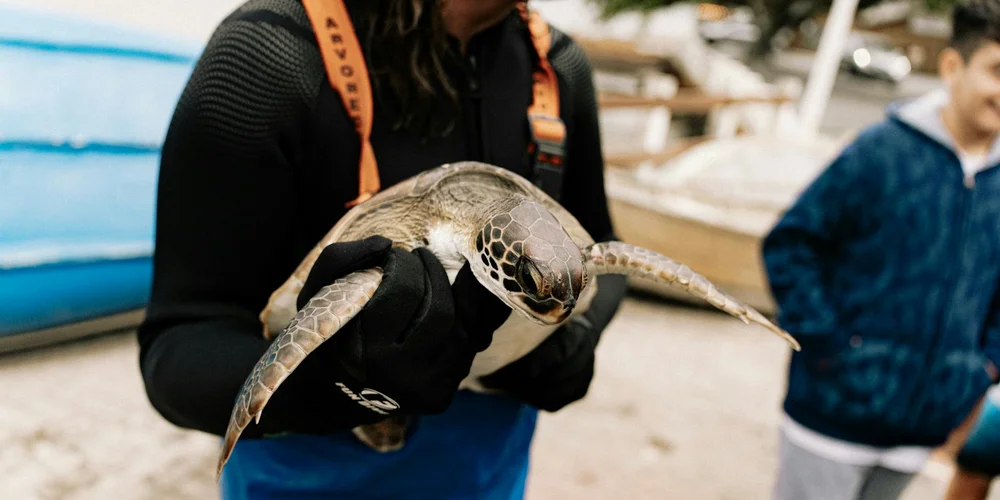
Your lifestyle is the compass that should guide this decision. A turtle is a decades-long companion, so be honest about the time, space, and energy you can consistently offer.
What Species of Turtles Are Best for First-Time Owners?
For beginners, I always point people toward species known for their hardy nature and manageable care requirements. Starting with a resilient species builds your confidence and ensures a better life for the animal.
- Russian Tortoise: Like my Austen, these are fantastic. They stay a manageable size, have endearing personalities, and are generally hardy eaters.
- Greek Tortoise: My Bronte is a Greek tortoise, and her graceful demeanor is so calming. They are similar to Russians in care but can have slightly more specific humidity needs.
- Box Turtle: Species like my Orwell are wonderful for those who can provide a humid, forest-like enclosure. They are intelligent and often less intimidating in size.
- Painted Turtle: If you’re set on an aquatic turtle, Painted Turtles are a good starting point. They are active, colorful, and their care is well-documented.
Remember, adopting any animal is a commitment to their welfare. Choosing a species that aligns with your ability to provide a lifetime of proper care is the most responsible and loving choice you can make.
Setting Up a Safe and Comfortable Habitat
What Size Habitat Does a Turtle Need?
Many new keepers are shocked by how much space these slow-moving creatures truly require. A good rule of thumb is 10 gallons of tank space for every inch of your turtle’s shell length. My Russian tortoise, Austen, lives in a custom-built 4×2 foot enclosure, and he uses every inch of it for exploring and digging. It’s important to choose the right size enclosure to ensure your turtle or tortoise thrives in captivity.
An adult turtle adopted from a rescue will need its full adult-sized home from day one. A hatchling, while small, will quickly grow into that space, making a larger initial investment wise. In the first year, hatchlings grow quickly. Plan for upgrades as your juvenile turtle matures.
Do Aquatic Turtles Need Both Water and Land Areas?
Absolutely, and this is non-negotiable for their health. Aquatic turtles are not fish; they must be able to completely leave the water to dry off and regulate their body temperature.
- Water Area: Deep enough for the turtle to swim and submerge completely.
- Land Area: Often called a “basking dock,” this must be sturdy, easy to climb onto, and completely dry.
Think of it as providing both a swimming pool and a sunny patio. Without a proper dry basking area, turtles can develop serious shell and respiratory infections.
Essential Lighting and Heating Requirements
Turtles are solar-powered creatures in the most literal sense. I learned this the hard way early on; improper lighting led to one of my turtles becoming lethargic and losing its appetite.
You need to replicate the sun’s spectrum inside their habitat with two specific bulbs:
- A UVB Lamp: This provides essential ultraviolet light that allows turtles to produce Vitamin D3 and metabolize calcium for strong bones and shells.
- A Heat Lamp: This creates a warm basking spot, typically between 85-95°F, where the turtle can raise its internal body temperature to digest food properly.
Both lights are critical and must be replaced every 6-12 months, as their output diminishes even if the bulb still shines.
How Do I Set Up a Safe Basking Area for a Turtle?
Creating a secure basking spot is simpler than it sounds. Here are basking platform step-by-step plans to guide you. You’ll learn how to design, assemble, and position a safe sunbathing deck for your turtle.
- Choose a stable platform, like a floating dock or a stack of smooth rocks, that won’t tip over.
- Position the platform directly under the heat and UVB lamps, ensuring it’s completely out of the water.
- Make sure the ramp or sides are easy for your turtle to climb. I’ve watched my box turtle, Orwell, get frustrated with rames that are too steep.
- Check the basking spot temperature with a thermometer to ensure it’s in the ideal 85-95°F range.
A well-designed basking area is the cornerstone of a healthy, active turtle.
Diet, Nutrition, and Feeding Routines

What Should I Feed a Pet Turtle and How Often?
Turtle diets are wonderfully diverse and depend heavily on the species and age of your shelled friend. A common mistake is feeding too much protein or the wrong kinds of leafy greens. My Greek tortoise, Bronte, turns her nose up at iceberg lettuce but will happily devour a pile of dandelion greens.
For most common pet turtles, a balanced diet includes:
- Leafy Greens: Romaine, dandelion greens, and turnip greens (avoid spinach).
- Vegetables: Shredded carrots, squash, and bell peppers.
- Protein: For aquatic turtles, this can be commercial pellets, earthworms, or the occasional feeder fish.
- Fruits: Offered as a rare treat, like a small piece of strawberry or melon.
Feed hatchlings daily to support their rapid growth. Adult turtles thrive on a meal every other day. Observing your turtle’s eating habits is the best way to fine-tune a perfect feeding schedule. Some turtles seem hungry often, but a fixed feeding schedule is key. Overfeeding or too-frequent meals can lead to health and water-quality issues, so adjust frequency and portions rather than meals.
Health, Lifespan, and Common Issues
How Long Do Common Pet Turtles Live?
Pet turtles often live much longer than people expect, making them a lifelong companion. My Russian Tortoise, Austen, is only 10 years old, but he could easily see his 50th birthday with proper care. Different species have varying lifespans, so it helps to know what you are committing to.
- Russian Tortoises: Typically 40 to 60 years, with some reaching over 80 in ideal conditions.
- Greek Tortoises: Often live 50 to 100 years, as seen in wild populations.
- Box Turtles: Usually 30 to 50 years, though Orwell, my box turtle, is just 7 and has decades ahead.
Adopting an adult turtle means you might miss the hatchling stage, but you still need to plan for many years together.
What Are Common Health Issues in Pet Turtles and Signs to Watch For?
Turtles can develop health problems if their environment or diet is not right. Shell rot, where the shell becomes soft or discolored, is a frequent issue I have dealt with in rescues. Early detection makes treatment much easier. A visual guide showing different types of turtle shell damage and what they mean can help caregivers identify problems quickly. It also helps you communicate with a vet about what you’re seeing.
- Respiratory infections: Look for sneezing, nasal discharge, or lethargy. Bronte once had this, and I noticed she was less graceful in her movements.
- Metabolic bone disease: Signs include a soft shell or difficulty walking. Proper UVB lighting is crucial to prevent this.
- Parasites: Watch for weight loss or unusual feces. Regular vet checks can catch infestations early.
Monitor their daily habits closely, as changes in appetite or activity often signal trouble.
The Adoption Process and Long-Term Costs
How Can I Adopt a Turtle from a Shelter or Rescue?
Adopting from a shelter gives a turtle a second chance at a good life. When I adopted Orwell from a local rescue, the staff helped match his reserved personality with my home setup. The process is designed to ensure both you and the turtle are a good fit.
- Start by searching for reptile rescues or shelters in your area online or through vet referrals.
- Visit the facility to meet available turtles and ask about their history and temperament.
- Prepare your home with a suitable enclosure, including heat and UVB lighting, before approval.
- Complete an adoption application, which may include a home check to verify your setup.
- Pay the adoption fee, which often covers initial vet care, and bring your new friend home.
Many rescues offer ongoing support, which I found reassuring with my first adoption.
What Is the Typical Cost of Adopting and Caring for a Turtle?
Caring for a turtle involves both upfront and recurring expenses. The adoption fee alone can range from $50 to $200, but that is just the beginning of your financial commitment. Budgeting for their long life is essential to avoid surprises.
- Adoption and initial setup: Adoption fee ($50-$200), enclosure ($100-$500), heating and lighting ($50-$150), and substrate ($20-$50).
- Ongoing monthly costs: Food like leafy greens and pellets ($20-$40), electricity for equipment ($10-$20), and occasional treats.
- Veterinary care: Annual check-ups ($50-$100) and emergency visits that can cost $200 or more.
Setting aside funds for unexpected needs ensures your turtle stays healthy and happy for years.
Daily Care and Maintenance Essentials
Keeping a turtle happy starts with a solid daily routine. I’ve learned that consistency in care not only prevents health issues but also builds a bond of trust with your shelled friend. From my years with Austen, Bronte, and Orwell, I can tell you that adult turtles often adapt faster to schedules, while hatchlings need more frequent attention to thrive.
How Often Should I Clean the Habitat and Maintain Water Quality?
Cleanliness is key to preventing illness in turtles. For aquatic setups, I test water quality weekly and do partial changes of 25-50% to keep ammonia levels low. I follow a turtle tank water quality testing maintenance schedule to stay on top of water parameters. This routine helps ensure safe conditions for the turtles. With Orwell, my box turtle, I spot-clean his land area daily and do a full habitat scrub every two weeks.
- Daily: Remove uneaten food and waste to avoid contamination.
- Weekly: Change water filters and check temperature and pH levels.
- Monthly: Deep-clean the entire enclosure with reptile-safe disinfectants.
Hatchlings might need more frequent water changes due to their sensitive systems. Always use dechlorinated water to protect their delicate skin and shells.
What Information Should I Gather Before Adopting a Turtle?
Research is your best friend before bringing a turtle home. Start by understanding the species’ lifespan and space requirements to avoid surprises down the road. When I adopted Bronte, I made sure to learn about her Greek tortoise diet and hibernation needs.
- Species-specific care: Diet, habitat size, and temperature needs vary widely.
- Veterinary costs: Find a reptile vet nearby and budget for check-ups.
- Behavioral traits: Adults like Austen may be calmer, while hatchlings are more exploratory.
Gathering this info helps you choose between an adult or hatchling based on your lifestyle. Advocating for animal welfare means ensuring you’re fully prepared to meet their long-term needs.
FAQs
How do I introduce a turtle to a new home and other pets?
Place the turtle in its fully set-up habitat and allow it to acclimate quietly without handling for the first few days. Always supervise interactions with other pets and keep them separated initially to prevent stress or injury. This acclimation step is a core topic in the care pet box turtle complete beginners guide. Following these basics helps new owners establish a calm start and set the foundation for long-term health.
What legal requirements or permits are there for turtle ownership?
Research local and state laws, as some turtle species are protected and may require permits or have ownership bans. Contact wildlife agencies or reptile rescues to ensure you comply with all regulations before adopting.
Do turtles need UVB exposure?
Yes, UVB light is essential for turtles to produce vitamin D3 and properly absorb calcium for healthy shell and bone development. Without it, they risk developing serious conditions like metabolic bone disease. To protect their health, it’s crucial to set up a proper UVB lighting system with the right intensity and daily exposure. This ensures steady vitamin D3 production and calcium absorption, supporting a healthy turtle life.
Your Turtle Care Path Forward
From my decade with Austen and Bronte, I’ve seen that adult turtles offer a calm, predictable start, while hatchlings need attentive, daily care to thrive. Your lifestyle and commitment level should guide your choice, ensuring a match that benefits both you and your shelled friend. When choosing a turtle species, consider key factors like adult size, space needs, diet, and lifespan. These insights help ensure the species you pick fits your home and daily routine. For more information, you can refer to this resource: When choosing a turtle species.
Always focus on providing a species-appropriate habitat and diet to uphold their welfare, as I do for Orwell in his enclosure. This aligns with the care land aquatic turtles essential guide, which covers both land and water needs. Whether you care for a land or aquatic turtle, the same welfare principles apply. Keep exploring turtle care resources to grow alongside your pet and adapt to their lifelong needs.
Further Reading & Sources
- Turtle Adoption & Turtle Rescue – All Turtles
- r/turtle on Reddit: I’m thinking about adopting a turtle, is it worth it and what should I be aware of before adopting?
- Symbolic Adoption of Baby Sea Turtles – SEE Turtles
- Adoptions & Fosters – Central Mississippi Turtle Rescue
Matthew is a dedicated turtle enthusiast and conservationist with over 15 years of experience in reptile care. Known affectionately as "The Leatherback" among his peers, he combines his passion for turtles with a commitment to educating pet owners on responsible turtle care and environmental stewardship.
Egg Care