
Are Pet Turtles Dangerous to Humans or Other Pets?
Published on: April 27, 2026 | Last Updated: April 27, 2026
Written By: Matthew The
If you’re considering a pet turtle, you might worry about hidden risks to your family’s health or the safety of other pets in your home. These concerns are valid and show you care deeply about everyone’s well-being.
Having shared my life with turtles like Austen and Bronte for over a decade, I’ve navigated these questions firsthand. With proper knowledge and care, most potential dangers are easily manageable, allowing for a harmonious household.
This article will guide you through key safety aspects:
- Salmonella risks and simple prevention steps
- How turtles interact with dogs, cats, and other pets
- Safe handling techniques for all ages
- Essential care tips to minimize hazards
Understanding Common Turtle Dangers
Bite Risks and Physical Harm
Many people picture a snapping turtle when they think of a turtle bite, but most common pet species are far less dramatic. My Russian tortoise, Austen, has only ever “bitten” my finger by accident, mistaking it for a piece of strawberry. It felt more like a firm pinch than anything else. While a large turtle can certainly deliver a painful bite, the risk is generally low with proper handling. The key is to understand that turtles aren’t aggressive; they are defensive. They bite out of fear or a mistaken identity crisis with food.
Here are the main factors that influence bite risk:
- Species: Snapping turtles and softshell turtles have powerful jaws and long necks, making them poor choices for casual handling. Smaller species like Russians and Greeks are much less concerning.
- Handling Technique: Never approach a turtle suddenly from above, as this mimics a predator. Always approach from the side and support their entire body.
- Respect for Space: Just like my box turtle Orwell, some turtles are simply introverts. Forcing interaction when they are hiding in their shell is a surefire way to stress them out and increase the chance of a defensive nip.
Zoonotic Disease Transmission
This is the scientific term for diseases that can pass from animals to humans, and it’s the most significant health consideration for turtle owners. Turtles can carry germs on their skin, shells, and in their habitat, even when they look perfectly clean and healthy. I learned this early on; after handling Bronte or cleaning her enclosure, I developed a strict handwashing routine before touching anything else. It’s a simple but non-negotiable practice. For families with kids, this is exactly the kind of guidance you’ll find in a safe turtle handling for children complete guide. It translates the science into kid-friendly, practical steps you and your children can follow.
The primary mode of transmission is the fecal-oral route, which sounds unpleasant because it is. Germs from turtle waste can end up on your hands and, if not washed off, can accidentally be ingested. This is why certain groups, like young children, the elderly, and immunocompromised individuals, need to be extra cautious.
Human Health Risks from Pet Turtles
Salmonella and Hygiene Practices
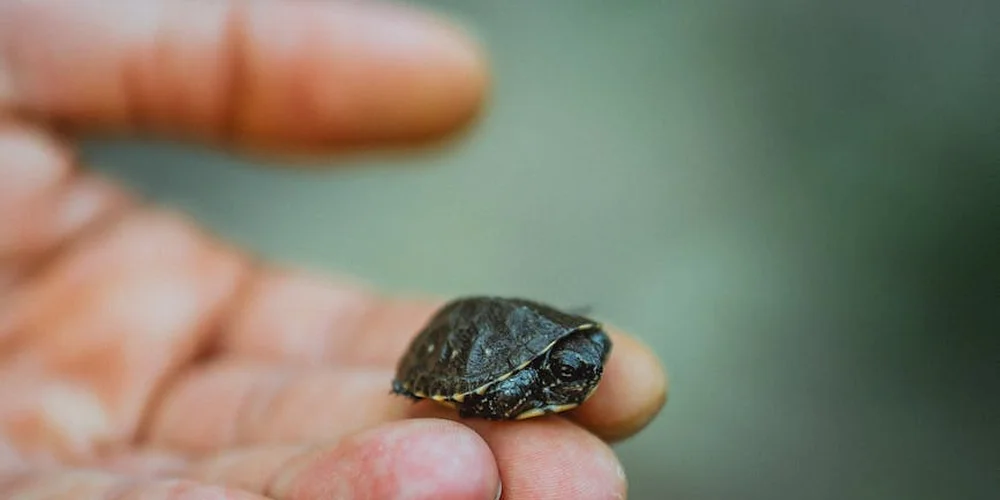
Salmonella is the most well-known bacteria associated with reptiles, including turtles. The presence of Salmonella is why it’s illegal to sell small turtles with shells less than four inches long in the U.S.-they were often given to young children who would put them in their mouths. The bacteria can cause serious gastrointestinal illness in people. I treat my turtles’ enclosure like a kitchen counter that needs constant sanitizing. You wouldn’t prepare food on a dirty surface, and you shouldn’t handle your turtle without cleaning up afterward. Proper hygiene practices are crucial to prevent infections.
Effective hygiene is your best defense. Here is my routine:
- Wash your hands thoroughly with soap and warm water immediately after handling your turtle or anything in its habitat.
- Never clean turtle supplies (like food bowls or decor) in your kitchen sink. Use a dedicated tub or laundry sink.
- Supervise all interactions between children and turtles. Make handwashing a non-negotiable fun ritual afterward.
- Consider keeping hand sanitizer near the turtle’s habitat as a temporary measure, but remember it’s no substitute for good old soap and water.
Illnesses and Immune System Concerns
While Salmonella is the headline risk, turtles can potentially carry other organisms. The real danger isn’t the turtle itself, but a lapse in the owner’s hygiene habits. Your immune system is your personal bodyguard, but it can be overwhelmed if you constantly expose it to a high bacterial load from unclean hands. For most healthy adults, the risk of serious illness is low if you follow proper hygiene. The concern escalates for individuals with compromised immune systems, such as those undergoing chemotherapy, people with HIV/AIDS, or organ transplant recipients.
If you or a family member falls into a high-risk category, it’s wise to have a frank discussion with a doctor before bringing a turtle home. In my home, we have a simple rule: the turtles stay in their designated area, and no one with even a mild cold handles them, as stress can make the turtles more susceptible to illness, too. It’s a two-way street of care and respect.
Safety for Children and Vulnerable Groups
When it comes to kids and turtles, I’ve seen how gentle interactions can build curiosity and respect for nature. With proper guidance, turtles like my steady Austen can be wonderful companions for children, fostering a love for animals without major risks.
Precautions for Kids Around Turtles
From my experience raising tortoises, simple habits make all the difference in keeping everyone safe. Always supervise young children closely during turtle handling to prevent accidental drops or rough play that could stress the animal.
- Teach kids to wash hands with soap and water for at least 20 seconds after touching the turtle or its habitat.
- Avoid letting turtles roam in areas where children eat or play, as this reduces exposure to bacteria.
- Show children how to handle turtles gently, supporting the shell and avoiding sudden movements.
I remember when my niece first met Bronte; we practiced these steps together, and it turned into a fun, educational moment. Keeping turtles in a secure enclosure when not supervised helps prevent bites or scratches, which are rare but possible.
Interactions with Other Household Pets
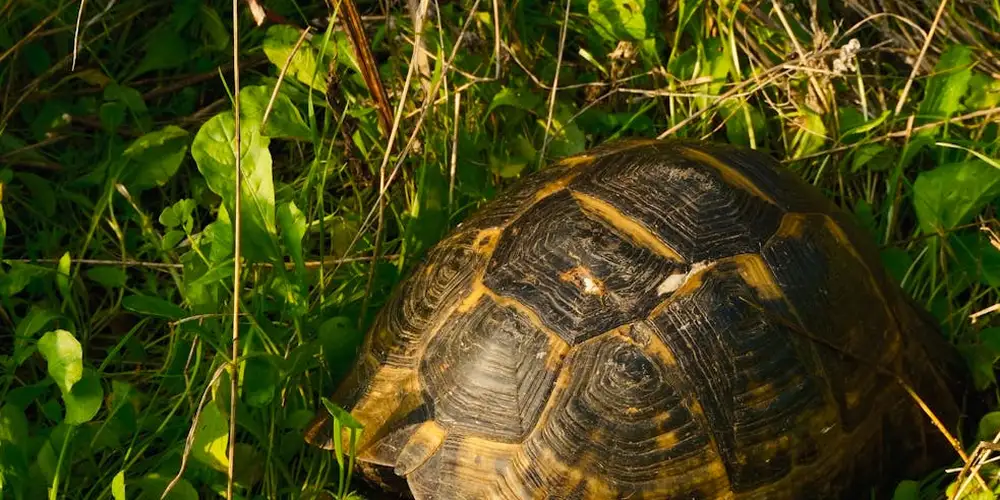
Introducing turtles to dogs or cats requires patience and awareness of each animal’s instincts. In my home, Orwell’s reserved nature means I always monitor his interactions with our family dog to ensure a peaceful coexistence.
Disease Risks to Dogs and Cats
Turtles can carry bacteria like Salmonella, which might not affect them but can spread to other pets. Regular veterinary check-ups for all your animals help catch any health issues early, protecting everyone in the household. In homes with dogs, cats, and turtles, zoonotic transmission can occur between species. A simple zoonotic disease guide can help families prevent spread and keep everyone healthier.
- Keep turtle habitats clean and separate from areas where dogs or cats eat or sleep to minimize disease transmission.
- Watch for symptoms in other pets, such as lethargy or digestive upset, and consult a vet if concerns arise.
Over the years, I’ve maintained this routine with my pets, and it’s kept them all healthy and happy. Advocating for animal welfare means ensuring each pet’s environment supports their natural behaviors without unnecessary stress.
Preventing Aggressive Encounters
Preventing conflicts starts with understanding each pet’s personality and setting clear boundaries. Gradual introductions in controlled settings can help dogs and cats learn to respect the turtle’s space without aggression.
- Start by allowing pets to observe the turtle from a distance, rewarding calm behavior with treats.
- Use physical barriers, like baby gates, to separate animals initially and reduce the chance of sudden chases.
- Never leave pets unsupervised together until you’re confident they’re comfortable and non-threatening.
With Bronte’s graceful demeanor, I’ve found that consistency in these steps builds trust over time. Creating a safe, enriched environment for all your pets promotes harmony and reduces the risk of injuries.
Best Practices for Safe Turtle Care
Handling Tips and Enclosure Setup
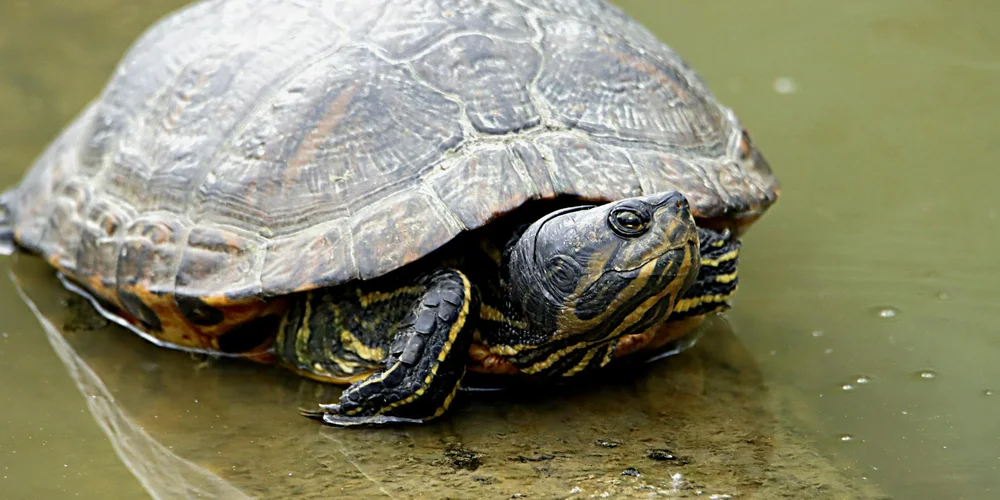
My Russian tortoise, Austen, taught me that handling is more about observation than action. Limit direct handling to essential moments like health checks or habitat cleaning to minimize stress for your turtle. When you must pick them up, always support their entire body from beneath. Never grab them by the sides of their shell.
A secure enclosure is your first line of defense for everyone’s safety. For my terrestrial turtles, this means:
- Walls that are high enough and smooth to prevent escapes.
- A locked or tightly secured lid for aquatic setups to prevent other pets from investigating.
- Plenty of hiding spots so your turtle feels secure and isn’t tempted to be defensive.
I learned this lesson when my curious cat once took too much interest in Orwell’s domain. A well-designed habitat protects your turtle from other pets and prevents stressful encounters for all involved.
Hygiene and Disease Prevention
This is the non-negotiable cornerstone of safe turtle ownership. Salmonella is the primary concern, but simple habits make it a non-issue. I treat turtle care like handling raw chicken in the kitchen. Safe turtle handling practices minimize salmonella risk for you and your household. Always wash your hands thoroughly with soap and water immediately after any contact with your turtle, its food, or its habitat.
My routine includes these non-negotiable steps:
- Designate specific cleaning tools, like sponges and buckets, solely for the turtle’s enclosure.
- Never clean turtle supplies in the kitchen sink or bathtub used by people.
- Disinfect the habitat and décor regularly with a reptile-safe cleaner.
Young children, elderly individuals, and anyone with a compromised immune system should be extra cautious. Supervise all interactions and ensure impeccable handwashing is the rule, not the suggestion. This simple practice has kept my household healthy and happy for over a decade.
Legal and Ethical Ownership Considerations
Regulations and Responsible Care
Many people are surprised to learn that turtle ownership is regulated. In the United States, selling turtles with a shell under four inches long is illegal. This federal law was enacted specifically to protect young children from salmonella risks. Additionally, laws also govern how turtles can be transported, including turtle sales and transport laws. There are restrictions on moving wild-caught or certain species across state lines. Always research your local and state laws, as some areas have additional restrictions on certain species.
Beyond the law lies our ethical duty. Every turtle in the pet trade has a story. I am a strong advocate for adopting from rescues or reputable breeders who prioritize animal welfare. Choosing a captive-bred animal from an ethical source helps discourage practices that can harm wild populations. Ethical considerations should govern the decision to keep a turtle as a pet. They remind us to weigh long-term care, habitat needs, and the animal’s welfare, not just initial appeal.
Remember, a turtle is a long-term commitment. My Greek tortoise, Bronte, could easily be with me for another 40 years. Responsible ownership means planning for their entire lifespan, which often spans decades and requires significant resources. It is a profound responsibility that should not be entered into lightly.
FAQs
Do baby turtles pose greater risks than adult turtles?
Baby turtles often carry higher Salmonella risks because their small size makes them more likely to be handled improperly or put in mouths. With consistent hygiene and supervision, these risks can be minimized just as with adult turtles.
What are signs that a turtle is stressed or sick that could indicate danger?
Signs like lethargy, refusal to eat, or unusual aggression can indicate stress or illness that might lead to defensive biting. Early detection of these symptoms helps prevent potential harm and allows for timely veterinary care.
Can turtle bites cause injury or infection?
Turtle bites can cause minor injuries such as cuts or bruises, and there is a risk of bacterial infection if the wound is not cleaned properly. Handling turtles gently and washing any bites immediately reduces the chance of complications. Learn more about the pain level of turtle bites and how to avoid them.
Your Path to Peaceful Turtle Companionship
Always practice good hygiene by washing hands after handling your turtle or cleaning its space. Avoid common turtle hygiene mistakes such as reusing towels that touched the turtle or using dirty water in the habitat. Supervise all interactions with other pets to prevent stress and keep everyone safe from accidental bites or scratches.
Commit to providing a proper habitat and regular vet check-ups for your turtle’s well-being. At the one-month mark, schedule a complete health and habitat checkup for your new turtle to review tank setup, lighting, temperature, and water quality. This helps catch issues early and ensures your new turtle thrives. Stay curious and keep learning about turtle care to deepen your bond and ensure a thriving life together.
Further Reading & Sources
- 7 of the World’s Most Dangerous Lizards and Turtles | Britannica
- 10 Types Of Turtles, Ranked By Danger Level – Outdoor Guide
- Information About Sea Turtles: Threats to Sea Turtles – Sea Turtle Conservancy
- Are Snapping Turtles Dangerous? – The Orianne Society
Matthew is a dedicated turtle enthusiast and conservationist with over 15 years of experience in reptile care. Known affectionately as "The Leatherback" among his peers, he combines his passion for turtles with a commitment to educating pet owners on responsible turtle care and environmental stewardship.
Safe Handling Techniques