
My Turtle Won’t Eat: A 10-Point Troubleshooting Checklist for Worried Owners
When your turtle turns away from food, that quiet refusal can send ripples of worry through your day, leaving you wondering what’s amiss in their little world.
This article walks you through key checks: temperature, lighting, water quality, diet variety, stress signs, health indicators, habitat setup, feeding techniques, seasonal adjustments, and vet guidance.
Understanding Common Causes of Appetite Loss
- Stress can shut down your turtle’s appetite, much like how you might lose your hunger during a big life change. When I brought Bronte home, she refused food for days until she felt secure in her new space.
- Environmental issues, such as poor tank conditions, act like a constant distraction that keeps your turtle from eating. Think of it as trying to focus on a meal while stuck in a crowded, uncomfortable room.
- Health problems, including infections or parasites, often lead to appetite loss and require quick action. Orwell once had a respiratory issue that made him skip meals until a vet visit put him back on track.
Assessing Your Turtle’s Habitat and Environment
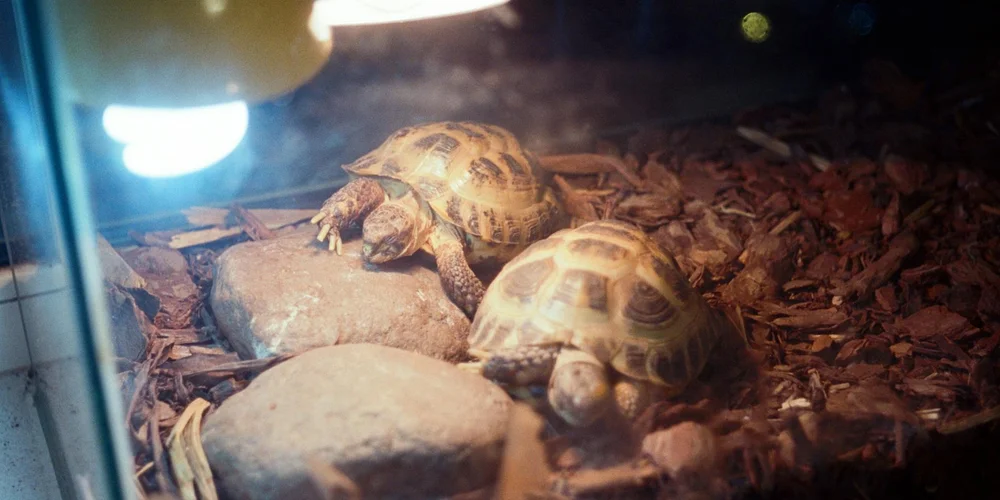
- Start with a quick checklist for temperature, lighting, and water quality to spot obvious issues. I do this weekly for Austen to catch problems early.
- Measure basking area heat and UVB exposure using simple tools like thermometers and light meters. Place a thermometer directly under the basking spot for accurate readings.
- Observe tank setup and filtration maintenance for signs of wear or blockage. A clogged filter can stress your turtle, just like dirty air affects us.
Temperature and Heating Factors
- Ideal temperatures depend on the species; for example, Russian tortoises like Austen thrive at 85-95°F in basking areas. Aquatic turtles need water around 75-80°F to stay active and hungry.
- Adjust heat lamps by raising or lowering them and monitor with digital thermometers for consistency. I check Austen’s setup daily to ensure he stays comfortable and eager to eat.
Lighting and UVB Requirements
- UVB light is crucial for digestion and shell health, helping turtles metabolize calcium from their food. Without it, they can’t absorb nutrients properly, leading to appetite issues.
- Replace UVB bulbs every 6-12 months and stick to a 12-hour daily light cycle to mimic natural rhythms. I set reminders for Bronte’s bulb changes to keep her environment stable.
Water Quality and Filtration
- Test water for ammonia, pH, and clarity using affordable test strips from pet stores. High ammonia levels can make your turtle feel sick and unwilling to eat.
- Perform routine water changes of 25-50% weekly and inspect filters monthly for debris buildup. Clean water supports your turtle’s health, much like fresh air helps us breathe easier.
Identifying Health Issues That Reduce Appetite
When your turtle refuses food, it often signals hidden health troubles that need quick attention. I’ve seen this with my own turtles, like Austen, whose gentle nature masked early signs of discomfort until I spotted subtle changes in behavior.
- Respiratory infections may show as wheezing, bubbly nostrils, or lethargy, much like when Bronte had a mild infection and breathed with a soft, raspy sound.
- Parasites can cause weight loss, runny or odd-colored stools, and a dull shell; I once found tiny worms in Orwell’s enclosure, reminding me to check feces regularly.
- Shell rot appears as soft, discolored patches or a foul odor, often from poor water quality or injuries that break the shell’s protective layer.
- Dehydration signs include sunken eyes, dry, flaky skin, and reduced activity; feel your turtle’s skin-it should be supple, not brittle.
- Injuries might involve limping, swelling, or avoiding touch, which I noticed when Austen favored one leg after a minor fall.
Suspect underlying health problems if appetite loss lasts over two days or pairs with other symptoms like hiding more than usual. Trust your instincts-if something feels off, it’s better to consult a vet early to prevent suffering.
Evaluating Diet and Nutritional Needs
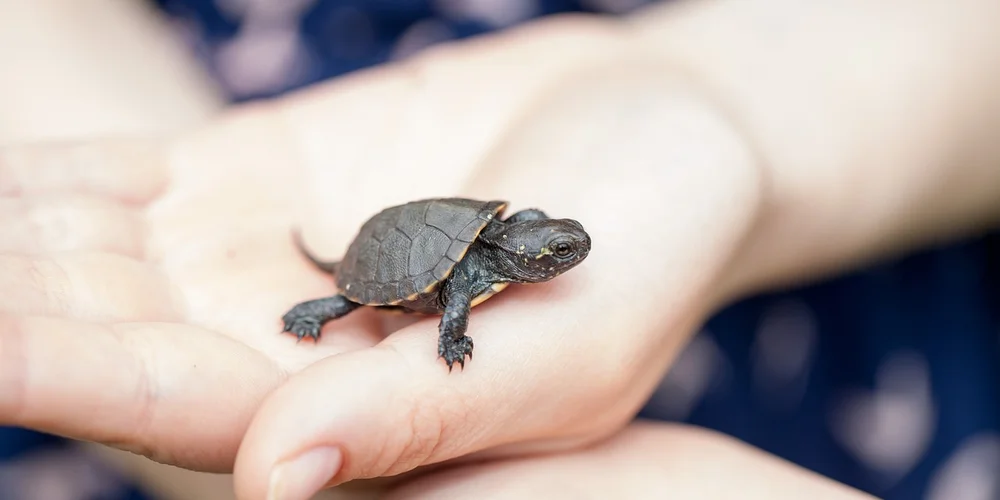
Getting the diet right is key, as each species has unique needs shaped by their natural habits. Over the years, I’ve learned that feeding Austen and Bronte, both herbivores, a varied greens diet keeps them thriving, while Orwell’s omnivorous cravings demand a mix of plants and proteins.
- Species-specific diets vary widely: herbivores like Russian and Greek tortoises thrive on dark leafy greens and flowers, whereas omnivores such as box turtles need insects, worms, and occasional fruits for balance.
- Common mistakes include overfeeding, which leads to obesity and shell deformities, or skipping calcium supplements, risking weak bones and metabolic issues.
- Lack of variety can bore picky eaters; try rotating foods like dandelion greens, squash, or safe insects to spark interest and mimic wild foraging.
To address picky eating, introduce new foods slowly alongside favorites, and dust meals with calcium powder twice a week. I’ve found that offering fresh, aromatic herbs like basil often coaxes even the most stubborn turtles, like Bronte, to take a curious bite.
Immediate Steps to Encourage Eating
-
Offer favorite or live foods to stimulate interest. I’ve seen my Russian Tortoise Austen, usually steady and gentle, snap right out of a food strike when I dangle a wiggly earthworm in front of him. Turtles often respond to movement and familiar treats, so try bits of fresh greens, berries, or live insects like crickets. This taps into their natural hunting instincts and can jumpstart their appetite when they’re feeling finicky. Just make sure the insects are safe to eat, as not all are suitable for turtles (see protein guide for turtles).
-
Adjust feeding times and locations based on turtle behavior. My Greek Tortoise Bronte taught me that a change of scenery can make all the difference-she eats best in a sunny, quiet corner away from household noise. Watch your turtle’s daily rhythms to determine the best feeding schedule; if they’re more active in the morning, offer food then. Experiment with different spots in their habitat to find where they feel safest and most eager to eat.
-
Monitor for improvements and keep a simple log. Jot down what you try and how your turtle reacts, like I did with Orwell, my reserved Box Turtle, to spot patterns over just a few days. If you notice persistent changes—low energy, appetite loss, swollen eyes, or shell changes—that can signal sickness. Keeping these observations helps you tell if your turtle is sick and when to seek veterinary care. Note the foods offered, times, and any small signs of interest, such as sniffing or moving toward the food. This log helps you track progress and share clear details if you need vet advice later.
When to Seek Veterinary Care
-
Describe emergency signs like lethargy, swelling, or no eating for days. If your turtle shows puffiness around the eyes or shell, acts unusually sluggish, or refuses food for more than three days, it’s time to act fast. Swollen eyes can be caused by infections, injuries, or vitamin deficiencies, and they often require a vet’s evaluation. A reptile-experienced veterinarian can diagnose the cause and start treatment to prevent lasting damage. I once noticed Austen barely moving for a day, and that subtle lethargy signaled a bigger issue. Swelling can indicate infections or organ problems, so don’t wait—these symptoms need expert attention to prevent suffering.
-
Guide on how to prepare for a vet visit with observations and records. Bring notes on your turtle’s recent behavior, diet attempts, and habitat conditions, just like I did when Bronte needed help, to give the vet a full picture. If this is your turtle’s first vet visit, this prep helps the vet establish a baseline and notice subtle changes. It also helps you feel confident going in. Snap photos of any visible issues, note temperature and humidity levels in their enclosure, and list any changes in their environment. This preparation saves time and leads to a more accurate diagnosis.
-
Emphasize the importance of reptile-savvy vets. Reptiles have unique needs, so always choose a vet experienced with turtles to avoid misdiagnosis and ensure proper care. I learned this the hard way with Orwell; a general vet missed subtle signs that a reptile specialist caught right away. Look for vets with reptile certifications or positive reviews from other turtle owners to safeguard your pet’s health. Finding the right reptile vet is crucial.
Preventing Future Appetite Issues
Prevention is truly the best medicine, and a little proactive care goes a long way in keeping your turtle happily munching. Establishing a consistent routine is the single most powerful thing you can do for your turtle’s long-term health and appetite. Their world is their habitat, and when it’s predictable and clean, they feel secure enough to eat well.
Regular Habitat Maintenance and Diet Reviews
Think of your turtle’s tank like your own home; it needs regular tidying to stay healthy. A dirty environment is a fast track to stress and sickness. To keep maintenance manageable, develop an ultimate turtle habitat cleaning schedule that covers daily, weekly, and monthly tasks. Consistency here makes a big difference in your turtle’s well-being.
- Perform partial water changes at least once a week.
- Use a gravel vacuum to remove waste from the substrate every time you change the water.
- Test water quality for ammonia, nitrites, and nitrates weekly-I keep a test kit right next to my tanks so I never forget.
- Every month, give the entire habitat a deep clean, scrubbing decorations and the tank walls.
- Review your feeding schedule and the food itself. Are you offering a varied diet? I make a “salad” for my herbivores like Austen and Bronte, mixing leafy greens with grated squash and a sprinkle of calcium powder.
Tips for Stress Reduction and Enrichment
Turtles get bored and stressed, too. A stimulated turtle is a content turtle, and a content turtle has a healthy appetite.
- Provide multiple hiding spots. Even my sociable Russian Tortoise, Austen, appreciates a quiet cave to retreat to.
- Rearrange tank decorations every few weeks. This creates a “new” environment for them to explore without the stress of an entirely new home.
- Offer food in different ways. Sometimes I’ll scatter Bronte’s food so she has to forage for it, which mimics her natural behavior.
- Ensure the basking area is spacious, easily accessible, and has the correct temperature gradient. A comfortable turtle is a relaxed turtle.
- For terrestrial turtles like Orwell, my box turtle, I create a “digging box” with organic soil. He spends hours happily burrowing, which is great mental exercise.
Long-Term Care Habits from Personal Experience
Over a decade with my shelled companions has taught me that the small, daily habits make the biggest difference.
- I keep a simple journal for each turtle, noting their eating habits, weight, and general behavior. This helps me spot subtle changes early.
- Handle your turtle minimally and with purpose. I only handle mine for health checks or habitat cleaning to keep their stress levels low.
- Establish and stick to a consistent day/night cycle with their lights. Their internal clock depends on this regularity.
- Pay attention to seasonal changes. It’s normal for some species to eat less as the days shorten; knowing your turtle’s natural cycle prevents unnecessary panic.
- Build a relationship with an exotic veterinarian before you have an emergency. A yearly check-up is a cornerstone of proactive care, much like our own annual doctor visits.
FAQs
Why is my turtle refusing to eat?
Appetite loss can occur due to subtle stressors like loud household noises or the presence of other animals. Always check for recent environmental changes and ensure the tank is in a calm, low-traffic area to reduce anxiety.
Why won’t my turtle eat seagrass?
Turtles may avoid seagrass if it’s wilted, dirty, or not part of their usual diet. Offer fresh, thoroughly rinsed seagrass mixed with other accepted greens to encourage tasting and nutritional variety.
Why won’t my turtle eat vegetables?
Vegetables might be rejected if they are too large, unfamiliar, or served inconsistently. Chop them into tiny, bite-sized pieces and blend them with preferred foods like insects or fruits to increase acceptance.
How long can a turtle go without eating?
Adult turtles can survive weeks without food, but juveniles need regular meals to support growth. Monitor closely and seek veterinary advice if fasting exceeds three days to prevent health decline.
What should I do if my turtle won’t eat after a habitat change?
Sudden habitat adjustments can cause stress-related appetite loss as turtles acclimate. Maintain stable temperatures and lighting while minimizing handling to help your turtle settle and regain its eating routine. If you’re wondering why your turtle isn’t eating, stress from changes is a common culprit. I encourage you to keep the setup stable and gently encourage it to eat.
Moving Forward with Confidence
Start by methodically checking your turtle’s habitat and diet, as these are often the root causes of appetite issues. Be on the lookout for signs that may indicate a vet visit is needed, such as persistent appetite loss, lethargy, swelling, or abnormal breathing. If simple adjustments don’t spark their interest, a visit to a reptile-savvy vet is your best next step to ensure their well-being.
Caring for a pet turtle is a rewarding, long-term commitment that deepens with your knowledge over time. Stay curious and engaged with their unique world, and you’ll build a stronger, healthier bond with your shelled companion. If you’re new to box turtles, this is a great starting point. Our box turtle care complete beginners guide covers housing, diet, lighting, and safety basics to help you get started.
Further Reading & Sources
- How to Feed Your Turtle if It is Refusing to Eat
- r/turtle on Reddit: My turtle is not eating
- Why Is My Turtle Not Eating? (What You Can Do) – All Turtles
- Why is my red-eared slider not eating? – All Turtles
Matthew is a dedicated turtle enthusiast and conservationist with over 15 years of experience in reptile care. Known affectionately as "The Leatherback" among his peers, he combines his passion for turtles with a commitment to educating pet owners on responsible turtle care and environmental stewardship.
Signs of Illness