
Can Turtles Get Rabies? Understanding Zoonotic Risks
Published on: December 25, 2025 | Last Updated: December 25, 2025
Written By: Matthew The
If you share your home with a turtle like my steady Russian tortoise Austen, you might lie awake wondering if rabies could ever threaten your shelled companion, especially after they nibble on garden greens or cross paths with wildlife.
We will explore: the reality of rabies in turtles, zoonotic disease basics, simple safety steps, and separating fact from fiction for peace of mind.
The Rabies Virus and Turtles: A Biological Perspective
Rabies is a virus that specifically targets the central nervous system of mammals. Its ability to replicate and cause disease is intimately tied to the warm, consistent body temperature that mammals maintain. This is a fundamental biological barrier for reptiles like turtles.
Turtles are ectothermic, meaning they rely on their environment to regulate their body temperature. A virus like rabies, which has evolved for millions of years to thrive in a 98-102°F (37-39°C) mammalian environment, simply cannot function properly in a body whose temperature can fluctuate with the weather. The viral machinery grinds to a halt in a cooler host. This ties into common turtle anatomy biology FAQs that explain how ectothermy shapes organ function and metabolism. They also cover how temperature can influence features like the shell, lungs, and circulatory system.
The scientific consensus is clear and long-standing. Organizations like the World Health Organization and the Centers for Disease Control and Prevention do not consider reptiles, including turtles, to be rabies vectors or susceptible hosts. There are no validated scientific reports of a turtle naturally contracting or spreading the rabies virus. However, it’s always important to monitor your turtle for any signs of illness.
In my decade of caring for my Russian tortoise, Austen, and my Greek tortoise, Bronte, I have observed their health directly correlate with their environment’s temperature. When their habitat is too cool, their entire metabolism slows down, including their immune response, making them vulnerable to other, more common reptile ailments, but not to mammalian viruses like rabies. Their biology is built for a different world.
Transmission Risks: Can Turtles Spread Rabies to Humans?

Given that a turtle cannot host the rabies virus, it follows that it cannot transmit the disease to you or other pets. The primary zoonotic risk associated with pet turtles is not viral, but bacterial, specifically Salmonella. This is a much more common and realistic concern for owners to manage.
A pervasive myth suggests that any animal bite carries a rabies risk. While any bite can introduce bacteria and should be cleaned thoroughly, the idea that a turtle bite could transmit rabies is a biological impossibility. The virus is not present in their system to be passed on.
Extensive research and global health surveillance have yet to document a single case of rabies originating from a turtle. You will not find a verified, scientific case study of a human contracting rabies from a turtle in any medical literature. The record is blank, and for a very good biological reason.
While the rabies risk is effectively zero, maintaining excellent hygiene is non-negotiable in reptile care. Always wash your hands thoroughly with soap and water after handling your turtle, cleaning their enclosure, or touching anything in their habitat. When cleaning and disinfecting the enclosure, you can find guidance on how to do so safely here with a reptile-safe cleaner and follow the product directions. Rinse thoroughly and let everything dry completely before returning your turtle to the enclosure. This simple practice is your best defense against the real, albeit manageable, zoonotic risks. My routine after handling Orwell, my box turtle, is as automatic as feeding him.
Identifying Rabies in Turtles: Signs and Diagnosis
While the chance is astronomically low, understanding the theoretical signs helps differentiate real health concerns. Rabies typically presents as neurological dysfunction, which in a turtle might look like uncoordinated movement, paralysis, or seizures.
These symptoms starkly contrast with the common illnesses I’ve treated in my own shelled friends.
- Respiratory infections cause bubbly noses and lethargy, not the aggression seen in rabid mammals.
- Metabolic bone disease leads to soft shells and swollen limbs, not the sudden paralysis associated with neurological viruses.
- General weakness from poor nutrition looks very different from the violent muscle tremors of a central nervous system attack.
Diagnosing rabies in a reptile is a profound challenge. Veterinarians must send brain tissue samples to a specialized lab, a test that can only be performed post-mortem.
- There are no live-animal tests for rabies in turtles.
- This makes a definitive diagnosis impossible while the animal is alive and greatly complicates any suspected case.
The rabies virus has a known incubation period. If a turtle were somehow infected, symptoms could take months to appear, and the prognosis would be fatal. This lengthy, silent period is one reason the disease is so feared in mammals, though thankfully not a realistic concern for turtle owners.
What to Do If Bitten by a Turtle

A turtle bite can be surprising and painful, even from a gentle creature like my Russian tortoise, Austen. Your immediate focus should be on preventing a bacterial infection, not worrying about rabies.
Follow these steps for proper first aid.
- Wash the wound thoroughly with warm water and soap for at least five minutes.
- Apply gentle pressure with a clean cloth to stop any bleeding.
- Cover the bite with a sterile bandage or adhesive strip.
- Monitor the area closely for several days for signs of redness, swelling, or pus.
Knowing when to call a doctor brings peace of mind. You should seek medical advice if the bite is deep, won’t stop bleeding, or shows any sign of infection.
- Post-exposure prophylaxis (PEP) for rabies is almost never recommended after a turtle bite.
- Doctors follow public health guidelines that clearly state reptiles are not rabies vectors.
- Your treatment will focus on preventing standard bacterial infections, like Salmonella, which is a far more likely risk.
Preventing bites is the best strategy. I’ve learned to always approach my turtles from the front and avoid sudden movements that might startle them.
- Never hand-feed large items that they might mistake for your finger.
- Support their entire body when picking them up to make them feel secure.
- Respect their space, especially during feeding time or if they are hiding in their shell.
Public health authorities are consistent on this matter. Their recommendations affirm that reptile exposures do not warrant rabies prevention measures, allowing you to handle the situation with calm practicality.
Preventing Rabies Risks with Pet Turtles

Handling your turtle safely is key to preventing bites that could theoretically spread diseases. Always approach your turtle calmly and support its entire body to reduce stress and avoid defensive reactions. I’ve found with Austen, my gentle Russian Tortoise, that speaking softly and moving slowly makes him more at ease during interactions. Wash your hands before and after handling to protect both you and your pet from germs. For aquatic or semi-aquatic turtles, drowning is a real risk if they’re left unsupervised near water. Understanding aquatic turtle safety means keeping water shallow and supervising any water exposure.
- Hold turtles close to the ground to prevent falls if they squirm.
- Avoid touching their head or limbs abruptly, as sudden movements can startle them.
- Use both hands to cradle the shell, distributing weight evenly for comfort.
Managing your turtle’s habitat helps keep wildlife like raccoons or bats—potential rabies carriers—from coming into contact. Secure outdoor enclosures with tight-fitting lids and regular inspections for gaps. With Bronte, my graceful Greek Tortoise, I use a covered pen that blends into our garden, minimizing curiosity from wild animals. Indoors, place habitats away from open windows or doors to block unintended entries. Common mistakes to avoid with terrestrial turtle and tortoise enclosures include undersized spaces and gaps that allow escapes. Ensure ample room, reliable UVB lighting, proper heating, and a tight, escape-proof lid to keep pets healthy.
- Install barriers like mesh screens around outdoor areas.
- Remove food scraps promptly to avoid attracting other creatures.
- Check for signs of wildlife intrusion, such as droppings or disturbed soil, weekly.
Rabies vaccinations are not available or recommended for turtles due to biological limitations. Turtles lack the mammalian physiology that makes rabies a concern, so vaccines aren’t developed or tested for them. Relying on vaccinations could give a false sense of security; instead, focus on preventive care through habitat and handling. In my years with Orwell, my reserved Box Turtle, I’ve prioritized his overall health over unnecessary medical interventions.
- Vaccines are designed for mammals and haven’t been proven safe or effective in reptiles.
- Consult a vet for general wellness checks rather than rabies-specific prevention.
- Invest in routine care to support immunity against common turtle illnesses.
Promoting animal welfare reduces stress and lowers disease risks in your pet. Create a enriching environment with hiding spots, proper temperatures, and a balanced diet to keep your turtle content. I notice Bronte thrives when her space mimics her natural habitat, with rocks to climb and shallow water to soak in. Regular, gentle interactions build trust and minimize anxiety-driven behaviors.
- Provide UVB lighting and a varied diet of leafy greens and occasional fruits.
- Monitor for stress signs like hiding excessively or loss of appetite.
- Schedule quiet time daily to let your turtle relax without disturbances.
Prognosis and Public Health Guidelines for Turtle Owners
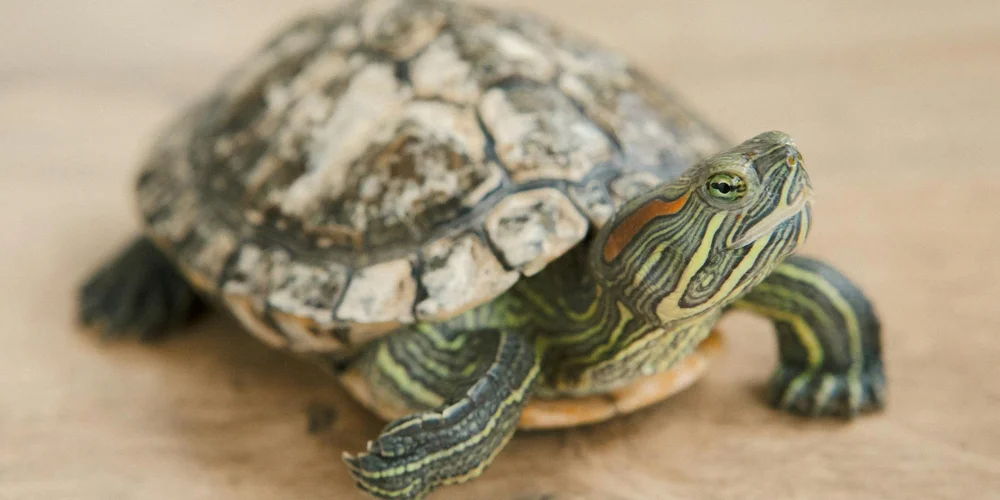
If rabies is suspected in a turtle, the outcome involves isolation and veterinary assessment, though it’s exceedingly rare. Health officials would likely quarantine the animal and test for rabies only if there’s a plausible exposure, such as a bite from a rabid mammal. In my experience, none of my turtles-Austen, Bronte, or Orwell-have ever shown symptoms, highlighting how uncommon this is. Most cases resolve with no issues, but prompt vet care ensures safety.
- Quarantine prevents potential spread while tests are conducted.
- Euthanasia might be considered if rabies is confirmed, but this is highly unlikely in turtles.
- Focus on observing for unusual behavior, like aggression or paralysis, and report it immediately.
Key guidelines from organizations like the CDC emphasize that reptiles pose minimal zoonotic risks compared to mammals. They recommend basic hygiene, such as handwashing and avoiding contact with wild animals, to prevent any disease transmission. I follow these with my pets, keeping their enclosures clean and limiting interactions with outdoor wildlife. This practical approach aligns with public health advice to stay vigilant without overreacting.
- Wash hands thoroughly after handling turtles or cleaning their habitat.
- Keep turtles indoors or in secured areas to reduce exposure risks.
- Educate family members on safe practices to foster a healthy home environment.
The likelihood of a turtle contracting rabies is extremely low, but staying attentive supports overall pet and human health. While statistics show reptiles are not typical rabies hosts, simple precautions like secure habitats and gentle care go a long way—especially when you consider how care for pet turtles can vary in difficulty. Over the years, I’ve seen how this vigilance keeps my turtles happy and reduces any worries about rare diseases. Trust your instincts and prioritize consistent, loving attention.
- Rabies in turtles is so rare that it’s not a documented concern in veterinary literature.
- Regular vet visits help catch any health issues early, reinforcing peace of mind.
- Share knowledge with other pet owners to promote responsible turtle care communities.
Responsible pet care involves embracing routines that protect your turtle’s well-being and your family’s safety. By providing a stable home, balanced nutrition, and mindful interactions, you build a bond that minimizes risks and maximizes joy. With Austen, Bronte, and Orwell, I’ve learned that patience and observation are the best tools for a thriving partnership. Enjoy the journey of caring for your shelled friend with confidence and compassion.
- Establish a daily routine for feeding, cleaning, and gentle handling.
- Observe your turtle’s habits to quickly notice any changes in health or behavior.
- Celebrate the unique personality of your pet, as each one, like my thoughtful Bronte, brings its own charm to your life.
FAQs
Are there any reported cases of rabies in turtles?
No, there are no validated scientific reports of turtles naturally contracting rabies. Global health surveillance has never documented a case of rabies originating from a turtle.
What is the prognosis for a turtle diagnosed with rabies?
If rabies were confirmed, the prognosis would be fatal as there is no cure for the disease. However, this situation is highly improbable due to turtles’ biological resistance to the virus.
How does rabies infection in turtles differ from rabies in mammals?
Rabies cannot effectively infect turtles because they are ectothermic and lack the warm, consistent body temperature required for viral replication. In contrast, mammals provide an ideal environment for the rabies virus to thrive and cause disease.
Should a person who handles turtles receive post-exposure prophylaxis after a bite?
No, post-exposure prophylaxis is almost never recommended after a turtle bite. Health guidelines confirm that reptiles are not rabies vectors, so care focuses on preventing bacterial infections instead.
Is there a vaccine for rabies for turtles?
No, rabies vaccines are not available or recommended for turtles due to their differing physiology from mammals. Relying on vaccines is unnecessary, as turtles are not susceptible to rabies.
Your Peace of Mind as a Turtle Owner
Rest assured, your turtle cannot get rabies, allowing you to focus on more relevant health concerns like maintaining clean habitats and preventing common shell issues. The primary health consideration is diligent hygiene to protect yourself from bacteria like Salmonella. An ultimate turtle habitat cleaning schedule keeps you on track with regular scrubs, water changes, and disinfecting. A consistent routine supports your turtle’s well-being and helps minimize bacteria exposure for you.
Responsible pet ownership means committing to a lifetime of learning about your turtle’s specific needs and behaviors. Ethical considerations should guide that decision: can you meet its long-term welfare needs? Continue seeking reliable information and connecting with experienced keepers to ensure your shelled friend thrives for years to come.
Further Reading & Sources
- Zoonotic Diseases: Disease Transmitted from Animals to Humans – MN Dept. of Health
- Care and Use of Turtles & Tortoises | Safety Services
- Bacterial Infections in Sea Turtles – PubMed
- What Animals Carry Diseases?
Matthew is a dedicated turtle enthusiast and conservationist with over 15 years of experience in reptile care. Known affectionately as "The Leatherback" among his peers, he combines his passion for turtles with a commitment to educating pet owners on responsible turtle care and environmental stewardship.
Common Diseases