
Common Pet Turtle Diseases and How They Spread
Published on: December 27, 2025 | Last Updated: December 27, 2025
Written By: Matthew The
If you’re worried about your pet turtle’s health and how diseases can silently take hold, you’re not alone-I’ve felt that concern firsthand while caring for my tortoises, Austen, Bronte, and Orwell.
In this article, we’ll explore common diseases, transmission routes, and prevention methods to help you safeguard your shelled companion.
Common Diseases Found in Pet Turtles
Over the years with my own shelled companions, I’ve learned that turtles are masters at hiding illness. Their stoic nature means problems often go unnoticed until they become quite serious. Recognizing these common ailments early is your best defense.
Metabolic Bone Disease (MBD)
I first noticed MBD in my Russian tortoise, Austen, when his shell began to feel softer than usual. This disease stems from a critical lack of calcium and Vitamin D3, usually due to inadequate UVB lighting or a poor diet.
- Soft, pliable shell or beak
- Swollen or rubbery jaw
- Lethargy and difficulty walking
- Fractures in the limbs or shell
Prevention is straightforward: provide a high-calcium diet and a proper UVB lamp that you replace every 6-12 months.
Respiratory Infections
My Greek tortoise, Bronte, once developed a respiratory infection after her enclosure’s temperature dropped too low at night. These infections are often a sign of improper habitat conditions.
- Wheezing, bubbling, or clicking sounds when breathing
- Nasal discharge or mucus around the mouth
- Lethargy and loss of appetite
- Frequent swimming tilted to one side (in aquatic turtles)
Maintaining a consistent, warm temperature and clean, dry bedding for terrestrial turtles is non-negotiable for respiratory health.
Shell Rot (Ulcerative Shell Disease)
This bacterial or fungal infection can eat away at the shell’s protective layers. I’ve seen it in rescued turtles that lived on perpetually damp substrate.
- Pitted, flaky, or discolored patches on the shell
- A foul odor emanating from the shell
- Soft areas that may bleed or ooze fluid
A clean, dry basking area where the turtle can completely dry off is the simplest way to prevent this painful condition. To create the perfect basking area for your aquatic turtle, set up a dry, stable platform that’s easy to reach. Keep it clean and dry to maintain a healthy basking spot.
Parasites
Internal parasites like worms and protozoa are extremely common, especially in wild-caught turtles or those fed a varied diet. A routine fecal exam from your vet is the only sure way to diagnose them.
- Unexplained weight loss despite a good appetite
- Diarrhea or abnormal feces
- Lethargy and general unthriftiness
Quarantining any new turtle for at least 90 days before introducing it to others is a vital practice I always follow.
How Turtles Transmit Illnesses to Humans and Other Turtles
Caring for turtles is a joy, but it does require an understanding of disease transmission. Being mindful of these pathways protects not just your turtle family, but your human one too.
Transmission to Humans (Zoonotic Disease)
The most significant health risk to humans from turtles is Salmonella bacteria. These germs live naturally in a turtle’s digestive tract without harming them but can cause serious illness in people.
- Fecal-Oral Route: This is the primary transmission method. You handle your turtle or clean its habitat, the bacteria gets on your hands, and you inadvertently transfer it to your mouth.
- Contaminated Surfaces: Salmonella can live on cages, decorations, and any surface the turtle or its water touches.
I make it a non-negotiable rule to wash my hands thoroughly with soap and water after every single interaction with my turtles or their enclosure. I also never allow them to roam in kitchen or bathroom sinks.
Transmission Between Turtles
Turtles are social in their own way, but this closeness can spread disease quickly if you’re not careful.
- Direct Contact: Nosing, biting, or mating can directly transfer parasites, bacteria, or viruses from one turtle to another.
- Shared Water and Food: In a communal tank, one sick turtle can contaminate the entire water column with its waste, infecting all tank mates.
- Fomites: This is a fancy word for contaminated objects. Using the same feeding dish, hide, or cleaning tools for a sick turtle and a healthy one is a fast track for spreading illness.
Having a dedicated “sick bay” enclosure and a separate set of cleaning tools for any ailing turtle has saved me from many a cascade of health issues.
Environmental Factors That Increase Disease Risk
Your turtle’s home environment plays a huge role in their overall health, and I’ve seen firsthand how small changes can make a big difference. Neglecting their habitat setup often leads to preventable illnesses that stress both you and your pet. Over the years with my turtles-Austen, Bronte, and Orwell-I’ve learned that mimicking their natural conditions is key to keeping them thriving.
The Critical Role of Water Quality
Water quality isn’t just about clarity; it’s a lifeline for aquatic and semi-aquatic turtles like Orwell, my box turtle. Dirty water breeds harmful bacteria and fungi that cause shell rot and respiratory infections. That leads to a quick question: what are the essential water quality parameters for a healthy turtle tank? Understanding them helps you spot issues before they harm your pet. I remember a scare with Orwell when his water had high ammonia levels from leftover food, leading to irritated eyes. To avoid this, focus on these elements:
- Ammonia and nitrite levels: Keep them at zero with regular testing and partial water changes.
- pH balance: Aim for a neutral range around 7.0 to 8.0 to prevent skin irritation.
- Filtration: Use a strong filter rated for twice your tank’s volume, and clean it monthly.
From my experience, investing in a good filter and doing weekly 25% water changes has kept my turtles’ environments stable and disease-free. Essential filtration systems keep turtle water clean by removing waste and toxins between water changes. They also help circulate and oxygenate the water, supporting healthy gills and active swimming.
Temperature and Humidity Impacts
Turtles rely on external heat to regulate their body functions, so getting temperature and humidity wrong can weaken their immune systems. Inconsistent temperatures often lead to metabolic disorders and increased susceptibility to parasites. For instance, Austen, my Russian tortoise, once became lethargic when his basking spot was too cool. Here’s what to monitor, especially when considering nighttime temperature for turtles:
- Basking area: Maintain 85-95°F (29-35°C) for most species to support digestion.
- Water or ambient temperature: Keep it between 75-80°F (24-27°C) to prevent chilling.
- Humidity levels: Adjust based on species-Bronte, my Greek tortoise, needs around 50-70% humidity for healthy skin and shell.
Using a digital thermometer and hygrometer has helped me catch fluctuations early, ensuring my turtles stay active and healthy.
Recognizing Early Signs of Illness in Your Turtle

Catching illness early can save your turtle from serious trouble, and I’ve relied on subtle cues from my pets over the years. Any shift in their usual habits is a red flag that deserves immediate attention. When Bronte started hiding more than usual, it tipped me off to a minor infection we caught quickly. For a more structured approach, the ultimate turtle health troubleshooting checklist has been a helpful guide. Watch for these common signs:
- Loss of appetite or refusal to eat for more than a couple of days.
- Lethargy or reduced basking, which can indicate temperature issues or internal problems.
- Swollen eyes, nasal discharge, or bubbles from the mouth-often signs of respiratory infections.
- Soft spots, discoloration, or peeling on the shell, pointing to metabolic bone disease or shell rot.
I make it a habit to observe my turtles daily during feeding and handling, which helps me spot changes before they escalate. If I notice my turtle not eating, I try gentle encouragement—offering favorite foods and a calm setup. I never force-feed and I monitor for other signs. Trust your instincts—if something feels off, it’s better to consult a vet than wait.
Preventing Disease Transmission in Your Turtle Habitat
Keeping your turtle’s home clean is your first line of defense against illness. From my decade with Austen, my gentle Russian Tortoise, I’ve seen how a tidy habitat prevents most health issues before they start. A dirty environment can quickly spread bacteria and fungi, leading to problems like shell rot or respiratory infections. Regular cleaning and disinfecting of the enclosure is essential for maintaining a healthy environment.
Essential Cleaning Steps
Follow these simple steps to maintain a healthy space for your shelled friend.
- Remove uneaten food and waste daily to stop bacterial growth.
- Change water in aquatic areas every two days to keep it fresh and clear.
- Scrub surfaces with a reptile-safe disinfectant weekly, rinsing thoroughly.
- Check and replace substrate monthly to avoid mold and parasites.
I learned the hard way with Bronte, my graceful Greek Tortoise, that skipping water changes led to a fungal scare. Consistent cleaning reduces stress on your turtle’s immune system, helping them stay vibrant and active. Always use products labeled safe for reptiles to avoid harmful chemicals.
Habitat Setup Tips
Design your turtle’s space to minimize disease risks.
- Provide a dry basking area to prevent shell softening and infections.
- Ensure proper filtration in water sections to remove contaminants.
- Maintain stable temperatures and humidity to support overall health.
- Quarantine new turtles for at least 30 days before introducing them.
When I brought home Orwell, my reserved Box Turtle, I kept him separate initially. This quarantine period lets you spot any hidden illnesses without risking your other pets. A well-planned habitat mimics their natural environment, cutting down on health surprises.
Understanding Zoonotic Diseases: Turtle-to-Human Transmission
Zoonotic diseases are illnesses that can pass from animals to people, and turtles are common carriers. Salmonella is the big one here, and it’s why handwashing is non-negotiable after handling your turtle or their habitat. I’ve had scares where forgetting to wash up made me extra cautious, especially with kids around.
Common Turtle-to-Human Diseases
Be aware of these potential risks to protect your family.
- Salmonella: Causes stomach cramps, fever, and diarrhea in humans.
- Campylobacter: Leads to similar gastrointestinal issues.
- Less commonly, parasites like pinworms can transfer through poor hygiene.
After Bronte’s check-up revealed she was a carrier, I doubled down on hygiene. Regular vet visits help detect these issues early, keeping everyone safe and healthy. Turtles often show no symptoms, so assume they could be shedding pathogens. I can tell if my turtle is sick by watching for changes in appetite, activity, or shell health. If anything seems off, I seek veterinary advice.
How Transmission Happens
Diseases spread through direct or indirect contact.
- Handling turtles or their feces without washing hands afterward.
- Touching contaminated surfaces like tanks, toys, or food bowls.
- Accidental ingestion from not cleaning up properly after care tasks.
I recall a time when Austen’s enclosure needed a deep clean, and I felt queasy later—a reminder to wear gloves. Simple habits like using separate cleaning tools for your turtle’s area can drastically cut transmission risks. That moment spurred me to adopt an ultimate turtle habitat cleaning schedule. A steady routine keeps Austen’s habitat consistently clean and reduces hidden risks. Advocate for your turtle’s welfare by ensuring they live in a clean space, which also safeguards your health.
Prevention Strategies
Protect yourself and your pet with these easy steps.
- Wash hands thoroughly with soap and water after any turtle contact.
- Disinfect surfaces regularly with pet-safe cleaners.
- Avoid kissing turtles or letting them roam in food prep areas.
- Supervise children closely during interactions to enforce hygiene.
With Orwell’s intelligent nature, he seems to appreciate the routine. Teaching family members about these practices builds a safe, happy home for all. Remember, healthy turtles mean a lower chance of zoonotic spread, so prioritize their care as part of your daily rhythm.
Species-Specific Disease Susceptibilities
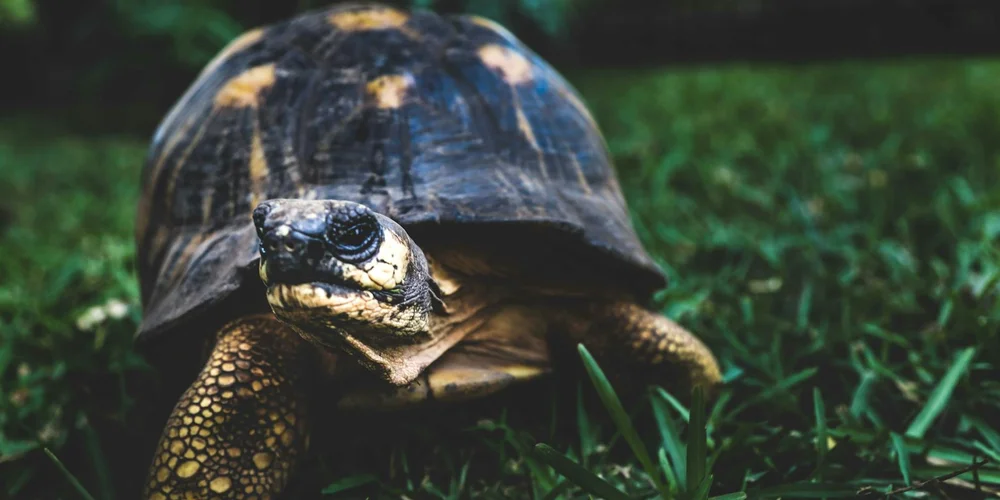
Each turtle species has unique health risks shaped by their natural habitats and biology. Knowing your turtle’s specific needs helps you spot early signs of trouble and provide better care. I’ve learned this firsthand while tending to my own shelled friends over the years, and it’s especially important when caring for both land and aquatic turtles.
Russian Tortoises Like Austen
Russian tortoises, such as my steady companion Austen, thrive in arid environments but can struggle if their setup isn’t just right. They are especially prone to respiratory infections when humidity levels spike unexpectedly. In Austen’s case, I once noticed him breathing heavily after a humidifier malfunctioned; it taught me to monitor air quality closely.
- Respiratory issues: Often spread through damp, poorly ventilated enclosures where bacteria multiply.
- Shell pyramiding: Caused by improper diet or low humidity, leading to abnormal shell growth.
- Parasites: Transmitted via contaminated food or soil, stressing their digestive systems.
Greek Tortoises Like Bronte
Graceful Greek tortoises, like my thoughtful Bronte, need balanced moisture to avoid skin and shell problems. Shell rot is a common worry for them, arising from prolonged exposure to wet substrates. I recall Bronte developing a soft spot on her shell once when her bedding stayed too damp-prompting a swift habitat adjustment.
- Shell infections: Spread through bacterial growth in unclean water or bedding.
- Eye infections: Often linked to vitamin A deficiency, transmitted via inadequate diet.
- Dehydration: Risks increase in dry setups, affecting kidney function over time.
Box Turtles Like Orwell
Box turtles, such as my intelligent Orwell, have complex needs due to their semi-aquatic nature. They frequently face vitamin deficiencies or parasite loads if their diet lacks variety. Orwell’s reserved demeanor meant he hid his lethargy until I noticed changes in his eating habits, reminding me to offer diverse, nutrient-rich foods.
- Metabolic bone disease: Transmitted through calcium-poor diets or insufficient UVB light exposure.
- Internal parasites: Spread via infected prey or soil, disrupting gut health.
- Skin fungi: Common in humid conditions, passed through contact with moldy environments.
Always prioritize preventive care by tailoring habitats to each species’ origins. Regular vet check-ups and clean living spaces drastically cut disease risks, safeguarding your turtle’s well-being. My experiences with Austen, Bronte, and Orwell have shown me that attentive, species-specific care makes all the difference.
FAQs
What sampling methods are used to study turtle disease transmission?
Researchers commonly collect fecal samples to screen for parasites and bacteria through microscopic examination. They may also use blood tests or environmental swabs from tanks to detect pathogens and track how diseases spread.
How does crowding or density affect disease transmission in turtle populations?
High density in enclosures raises the frequency of direct contact and shared resource use, accelerating pathogen exchange. Stress from overcrowding can also suppress turtles’ immune systems, making them more vulnerable to infections.
How do species differences affect susceptibility to disease transmission?
Species vary in immune function and natural habitats, influencing which pathogens they encounter and transmit. For instance, aquatic turtles might spread waterborne illnesses more readily, while terrestrial species could be prone to parasites from soil contact.
Your Role in Your Turtle’s Lifelong Health
The best way to manage turtle diseases is to prevent them through impeccable habitat hygiene and a keen eye for subtle behavioral changes. A clean tank, proper temperatures, and a nutritious diet build a resilient foundation that keeps common illnesses at bay.
Caring for a turtle is a long-term commitment to learning and adapting as their needs evolve. Your dedication to understanding their unique world is the single most powerful medicine you can provide throughout their long life.
Further Reading & Sources
- Pet Turtles: A Source of Germs | FDA
- For Public Health Personnel General Information on Pet Turtles
- Transmission of pet-turtle-borne bacteria in humans. Pet-turtles carry… | Download Scientific Diagram
- Turtle-Associated Salmonellosis, United States, 2006–2014 – PMC
Matthew is a dedicated turtle enthusiast and conservationist with over 15 years of experience in reptile care. Known affectionately as "The Leatherback" among his peers, he combines his passion for turtles with a commitment to educating pet owners on responsible turtle care and environmental stewardship.
Common Diseases