
How to Determine the Age of a Box Turtle
You might be staring at your box turtle, wondering how old they are and feeling a bit anxious about getting it right without causing them any stress.
We’ll explore counting scute rings, observing size changes, and understanding growth patterns to give you a clear, gentle approach.
Understanding Box Turtle Age Markers
The shell of a box turtle is its personal history book, etched in keratin. Each scute, the individual plate on the shell, tells a story of growth spurts and lean times, much like the rings inside a tree trunk. In younger turtles, these growth rings are often pronounced and easy to distinguish.
My own box turtle, Orwell, has a shell that showcases this beautifully. When he was younger and growing rapidly, the rings on his scutes were widely spaced and very defined. As he reached maturity, the growth slowed, and the rings became much closer together and finer.
Here is what to look for on the shell:
- Hatchlings and Juveniles: The shell is often more rounded and the growth rings are very prominent and numerous.
- Young Adults (5-10 years): The shell becomes more oblong, and the growth rings are still clear but may begin to smooth out slightly at the edges.
- Mature Adults (15+ years): The shell appears worn and the growth rings may be completely smooth or very faint, especially on the oldest central scutes.
Estimating Age by Shell Size and Length
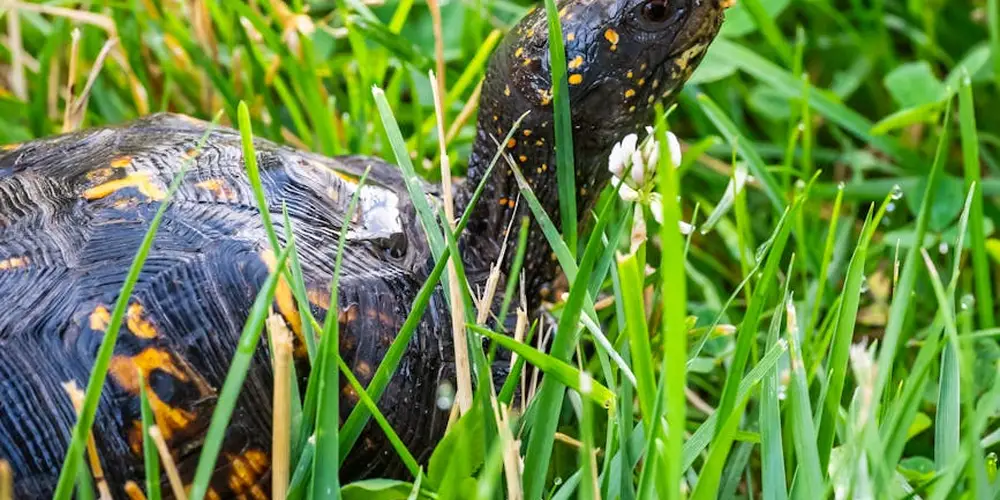
While not a perfect clock, the physical dimensions of a box turtle provide excellent clues to its general life stage. A turtle’s shell length is one of the most straightforward metrics you can use for a rough age estimate. Remember, genetics, diet, and overall health play massive roles, so this is a guide, not a guarantee. If you’re curious about how big box turtles can grow, our size growth guide lays out typical size ranges by species and age. It helps translate shell length into realistic growth expectations.
I’ve found that comparing a turtle’s size to common household objects gives a quick, relatable reference point. A hatchling’s shell is often no bigger than a silver dollar, while a mature adult can be the size of a small dinner plate.
Using a Box Turtle Size and Weight Chart
This chart provides a general framework for what to expect as a box turtle ages. Use this as a starting point for your observation, not a definitive ruling. Always prioritize the turtle’s health and well-being over pinpointing an exact age. Size and growth rate can offer clues about life stage and potential lifespan. However, individual variation means exact ages are rarely precise.
| Age Range | Average Shell Length | Average Weight | Observable Traits |
|---|---|---|---|
| Hatchling (0-1 year) | 1 – 1.5 inches | Less than 1 ounce | Shell is very soft and pliable; extremely high-domed appearance. |
| Juvenile (1-5 years) | 1.5 – 4 inches | 1 – 8 ounces | Shell hardens; rapid growth with very visible rings; bright eye color. |
| Young Adult (5-15 years) | 4 – 5.5 inches | 8 – 20 ounces | Growth slows; shell takes on its final adult shape and coloration. |
| Mature Adult (15+ years) | 5.5 – 7 inches | 20+ ounces | Shell may show signs of wear; growth rings are smoothed or worn away. |
Weight is another fantastic data point that works in tandem with shell length. A turtle that is very long but surprisingly light for its size might be underweight, indicating potential health issues that need a vet’s attention. Conversely, a very heavy turtle for its length could be overweight, which brings its own set of health complications. To tell if your turtle is overweight or underweight, track its weight over time and compare it to species norms for its size. Regular weigh-ins and veterinary guidance can help confirm healthy targets.
Weigh your turtle periodically using a kitchen scale. Keep a simple log to track its progress; this helps you spot any sudden, concerning changes that are more important than its exact birthday. Remember, a turtle’s weight can also fluctuate with the seasons and breeding cycles.
Counting Growth Rings on Scutes
To estimate a box turtle’s age, start by examining the scutes-those bony plates on its shell. Each scute often shows growth rings, similar to tree rings, which can hint at age. Gently hold your turtle and look at the carapace; count the visible rings on a few scutes for a rough average. With Orwell, my box turtle, I’ve seen his dark brown shell with yellow patterns develop clearer rings over time, but remember, this method isn’t perfect due to wear. It’s important to be cautious when estimating a turtle’s age, especially for different species like snapping turtles.
- Focus on scutes that are less worn, like those on the center of the shell.
- Count rings in good lighting to avoid missing faint lines.
- Handle your turtle with care to prevent stress or shell damage-animal welfare comes first.
Interpreting Ring Patterns at Different Life Stages
Ring patterns change as box turtles grow, offering clues about their life stage. Juvenile turtles typically have tightly packed, numerous rings, while older ones show wider spacing or faded marks. In Orwell’s case, at 7 years old, his rings are distinct but starting to smooth out, reflecting steady growth. Use this simple guide to interpret what you see.
- Young turtles (under 5 years): Rings are close together and sharp, indicating rapid growth.
- Adult turtles (5-20 years): Rings may spread out and blur slightly from environmental factors.
- Senior turtles (20+ years): Rings often merge or wear away, making age estimation trickier.
I’ve noticed that consistent care, like a balanced diet, can keep rings clearer longer. Always approach this with patience, as rough handling can harm your turtle’s shell and well-being.
Factors Influencing Age Appearance

Several elements can make a box turtle seem older or younger than it is, beyond just ring counts. Diet quality plays a huge role-poor nutrition may stunt growth and blur rings. From my experience with Orwell, his shell’s vibrancy improved with a varied diet rich in calcium. Environmental stressors, like temperature fluctuations, also affect how age appears on the shell.
- Health issues: Infections or injuries can alter shell development and ring visibility.
- Habitat conditions: Stable, clean environments promote consistent growth patterns.
- Genetics: Some turtles naturally have more pronounced or subtle rings.
Regular vet check-ups help monitor these factors and ensure your turtle stays healthy. I advocate for gentle observation to avoid causing undue stress. At the appointment, expect a gentle physical check of the shell, eyes, mouth, and weight. The vet will also discuss habitat, lighting, and diet to support ongoing health.
Comparing Wild and Captive Box Turtles
Wild and captive box turtles often show stark differences in how age appears on their shells. Wild turtles tend to have more worn, irregular rings due to harsher conditions and predators. In contrast, captive ones like Orwell usually display smoother, more defined rings from consistent care and protection. This table highlights key contrasts-use it to guide your assessments.
| Aspect | Wild Box Turtles | Captive Box Turtles |
|---|---|---|
| Ring Clarity | Often faded or damaged from environmental wear | Generally clearer and more uniform |
| Growth Rate | Variable, influenced by food scarcity and climate | More steady, thanks to controlled diets and shelter |
| Shell Condition | May show scratches or injuries from natural hazards | Typically smoother with fewer abrasions |
Understanding these differences helps you appreciate the resilience of wild turtles and the benefits of responsible captivity. I’ve seen how Orwell’s life in a safe enclosure has preserved his shell’s details, reminding me to support conservation efforts for their wild counterparts.
When to Seek Expert Consultation
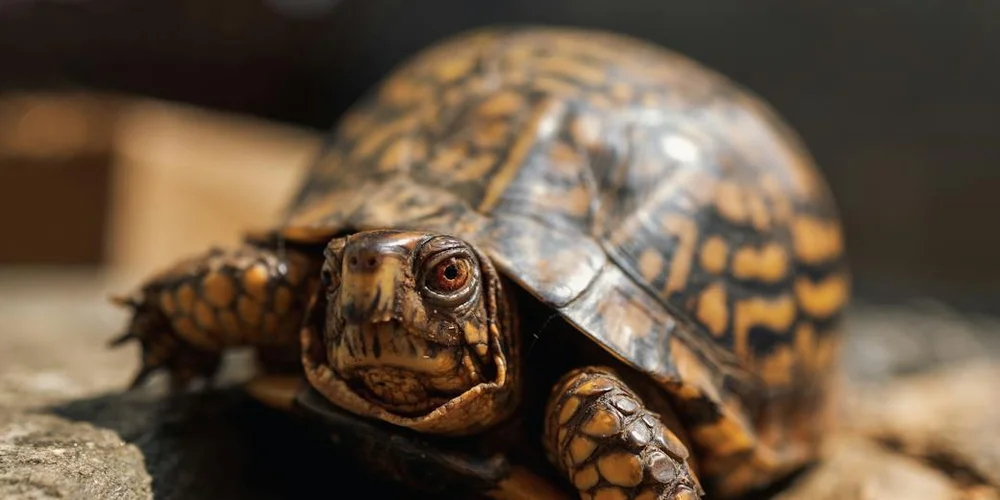
While counting scutes and observing size can give you a good starting point, there are times when a professional opinion is invaluable. If your turtle has an unusually deformed shell, shows signs of past injury, or you suspect it is very old, a reptile veterinarian is your best resource. I learned this firsthand with my box turtle, Orwell; his shell had some unique wear that made simple ring counting unreliable.
A qualified expert can provide a more accurate assessment through methods that aren’t practical for most owners.
- X-rays (Radiographs): A vet can take an X-ray to examine bone density and development, which changes predictably with age.
- Scute Microstructure Analysis: In some cases, a tiny, harmless sample from a scute can be examined under a microscope to count microscopic growth layers, much like a tree.
- Overall Health Assessment: A vet can correlate physical signs like beak wear, claw length, and eye clarity with likely age ranges.
Seeking help isn’t a sign of failure-it’s a responsible step in advocating for your animal’s long-term welfare.
Adjusting Care Based on Estimated Age

Once you have a reasonable estimate of your turtle’s life stage, you can fine-tune its care for a healthier, happier life. Tailoring your approach to their specific age-related needs is one of the most impactful things you can do as a caretaker. My care for Orwell shifted noticeably once I realized he was a mature adult and not a spry juvenile. I adjusted his diet and habitat to cater to his age, as detailed in this guide to senior turtle care.
Hatchlings and Juveniles (0-5 years)
This is a period of rapid growth and development. Their setup and diet should support this intense phase.
- Diet: They need more frequent protein. I offer high-quality commercial turtle pellets and live prey like small worms almost daily to support shell and bone development.
- Habitat: Ensure shallow water dishes to prevent drowning and provide plenty of hiding spots. They are more vulnerable and skittish.
- Handling: Keep handling to an absolute minimum to reduce stress, which can impact their growth and immune system.
Mature Adults (5-20+ years)
Your turtle has settled into its size and personality. The focus shifts from growth to maintenance and preventing age-related issues. Understanding turtle lifespan aging helps guide care. Regular vet checks and a stable routine support healthier aging.
- Diet: Shift towards a more herbivorous diet with plenty of dark, leafy greens. Protein should be offered just 2-3 times a week to prevent kidney strain.
- Habitat: Pay extra attention to substrate softness and ramp angles. Older joints appreciate a gentler environment.
- Health Monitoring: Watch for subtle changes in appetite, mobility, and basking habits, as these can be early indicators of common senior turtle health concerns.
Senior Turtles (20+ years)
Geriatric turtle care is a gentle art. It’s about providing comfort and supporting their changing needs.
- Diet: Softer foods may be needed if their beak shows wear. I often grate squash and zucchini for my older tortoises to make eating easier.
- Habitat: Lower the water depth even further and ensure basking areas are easily accessible without steep climbs.
- Veterinary Care: More frequent check-ups, perhaps annually, become crucial to catch and manage conditions like arthritis or metabolic bone disease early.
FAQs
What is the gestation period for box turtles?
The gestation period for box turtles typically ranges from 60 to 90 days. This duration can vary based on environmental conditions like temperature and the turtle’s health.
What genus do box turtles belong to?
Box turtles are classified under the genus Terrapene. This genus includes several species primarily found in North America, such as the Eastern box turtle. In the wild, they inhabit woodlands, meadows, and brushy areas with access to water. They favor deciduous forests and grassy edges across much of eastern and central North America, where they can find shelter and food.
How long do box turtles typically live in captivity?
In captivity, box turtles often live for over 50 years with proper care and a suitable environment. Their longevity is generally greater than in the wild due to reduced predation and consistent access to food and shelter.
Your Next Steps in Turtle Care
Estimating your box turtle’s age relies on methods like counting scute rings and noting shell changes, which I’ve used with my own turtle, Orwell. For a complete visual guide to determine your turtle’s age, check the step-by-step images and diagrams. These visuals help you compare shell patterns and growth bands at a glance. Always combine these observations for a more accurate picture, as no single method tells the whole story.
Commit to providing a safe, enriching environment for your pet, as proper care directly impacts their well-being and longevity. Keep exploring resources and connecting with experts to deepen your understanding of turtle needs over time. This essential guide for land and aquatic turtles helps translate these principles into practical steps for habitat design, nutrition, and enrichment.
Further Reading & Sources
- Eastern Box Turtle North Carolina Wildlife Profiles
- r/reptiles on Reddit: Meet Franklin. He’s about 20 (my age) and my entire world. Do box turtles live long? I hope so.
- North American box turtle – Wikipedia
- @Montana State with climate protection advocate Theodore Roosevelt IV
Matthew is a dedicated turtle enthusiast and conservationist with over 15 years of experience in reptile care. Known affectionately as "The Leatherback" among his peers, he combines his passion for turtles with a commitment to educating pet owners on responsible turtle care and environmental stewardship.
Terrestrial Turtles